
Table of Contents
- When a Quiet Detroit Neighborhood Turned Into a Deadly Confrontation
- The Early Morning Break In That Started It All
- Escalation From Threats to Property Damage
- The Moment the Confrontation Became Deadly
- Police Response and Initial Investigation
- The Homeowner’s Perspective on Self Defense
- Evidence From Doorbell Cameras and Witness Accounts
- Criminal History and Public Reaction
- Legal Standards for Home Defense in Michigan
- Broader National Debate on Home Invasion Shootings
- A Case That Reflects a National Divide
When a Quiet Detroit Neighborhood Turned Into a Deadly Confrontation
When news broke that a Detroit homeowner had fatally shot an armed intruder during an early morning home invasion, the incident quickly spread across national media, reigniting debates about self defense laws, home security, and the limits of firearm use inside residential properties. What began as a disturbing knock at the door escalated into a lethal encounter that unfolded within minutes and left one man dead, while the homeowner insisted he had no other choice.
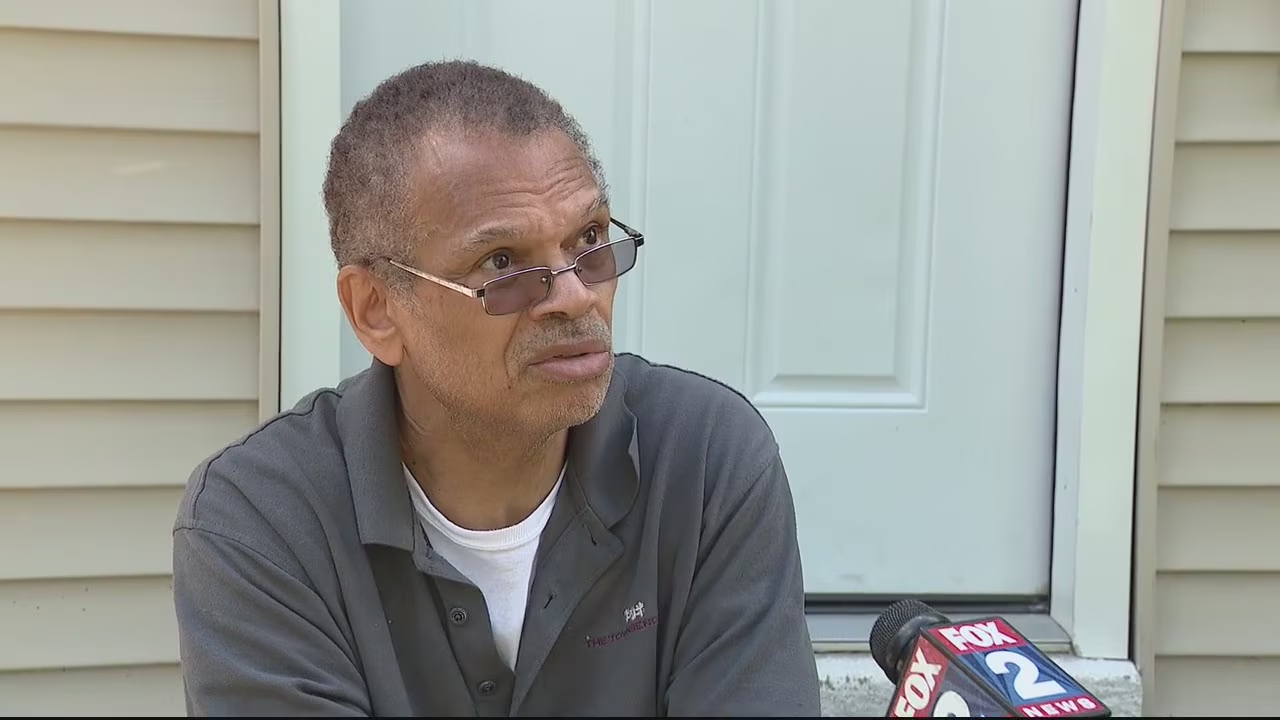
The homeowner, Maiso Jackson, said he was forced to act when a man broke into his property on the west side of Detroit during the early hours of the morning. The confrontation would later become a widely discussed example of the legal and moral complexity surrounding armed self defense in the United States.
What follows is a detailed examination of the incident, how it unfolded step by step, and why it has become part of a broader national conversation about gun ownership and home protection.
The Early Morning Break In That Started It All
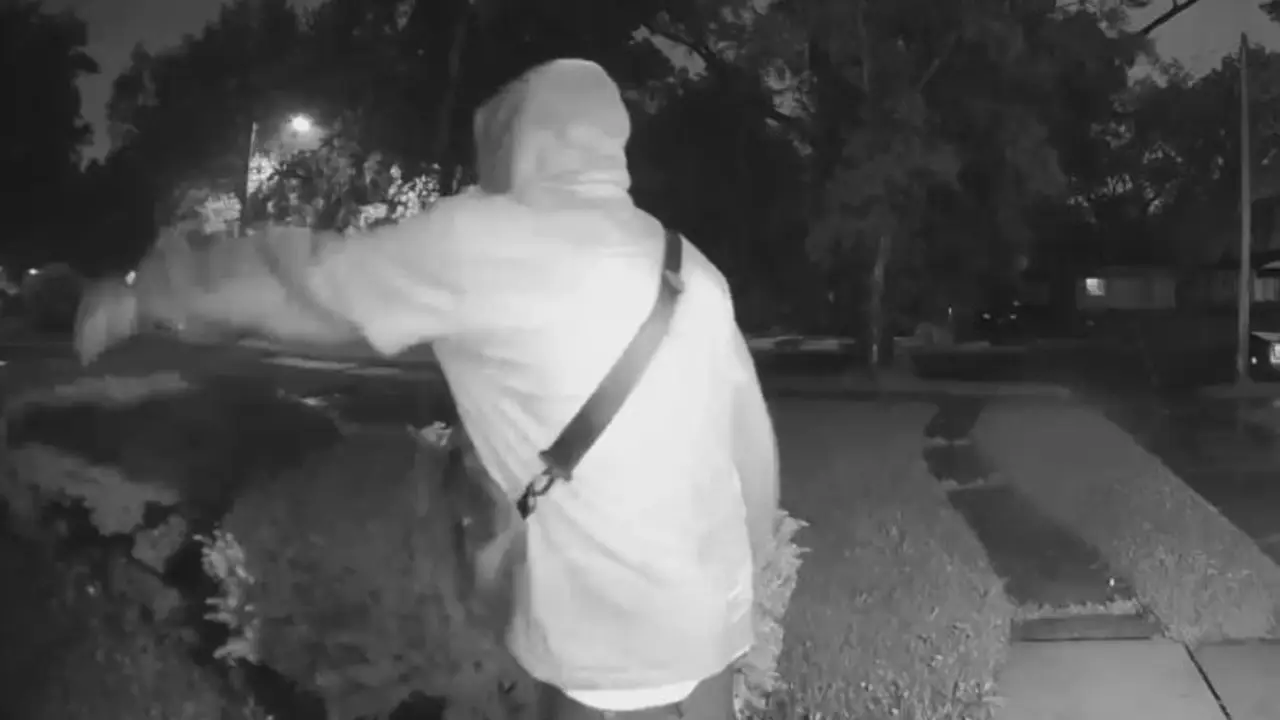
The incident began around 4:30 a.m. when Jackson was awakened by loud banging on his front door. According to his account, a man outside the home was shouting incoherently and demanding answers about alleged money owed to him. Jackson, who had lived in the home for two decades, initially attempted to communicate without opening the door.
At first, he believed the situation might resolve peacefully. He spoke to the man through the door and insisted there was no connection between him and any financial dispute. However, the situation escalated when the suspect refused to leave the property and continued shouting aggressively.
Jackson then contacted emergency services, hoping police would arrive before the situation worsened. But what happened next escalated far beyond a simple disturbance call.
Escalation From Threats to Property Damage
While waiting for police response, the confrontation intensified. Jackson reported that the suspect moved around the house and began breaking a window, causing immediate concern that the situation was turning into a forced entry.
The sound of shattered glass marked a turning point. At that moment, Jackson said he feared the intruder would not only enter the home but continue escalating violence inside the property. This fear prompted him to retrieve his legally owned firearm, which he had trained to use through formal instruction.
The situation had now shifted from a verbal dispute at the front door to a direct physical breach of the home’s perimeter, placing the homeowner in what he believed was imminent danger.
The Moment the Confrontation Became Deadly
According to Jackson’s statement, after the suspect broke the window and attempted to continue the intrusion, he stepped outside of his home to confront the individual directly. It was at this point that the situation became deadly.
Jackson said the suspect produced a firearm during the confrontation. Believing his life was in immediate danger, he fired multiple shots, striking the intruder in the chest. The suspect was pronounced dead at the scene.
Jackson later described the moment as instinctive and unavoidable, stating that he believed the situation had reached a point where retreat or de escalation was no longer possible.
The incident immediately raised questions about split second decision making in home defense situations, particularly when law enforcement has not yet arrived on scene.
Police Response and Initial Investigation
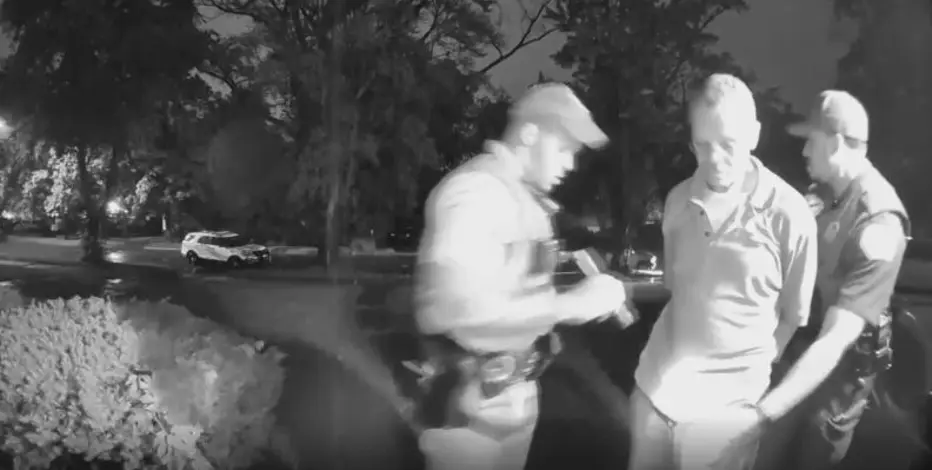
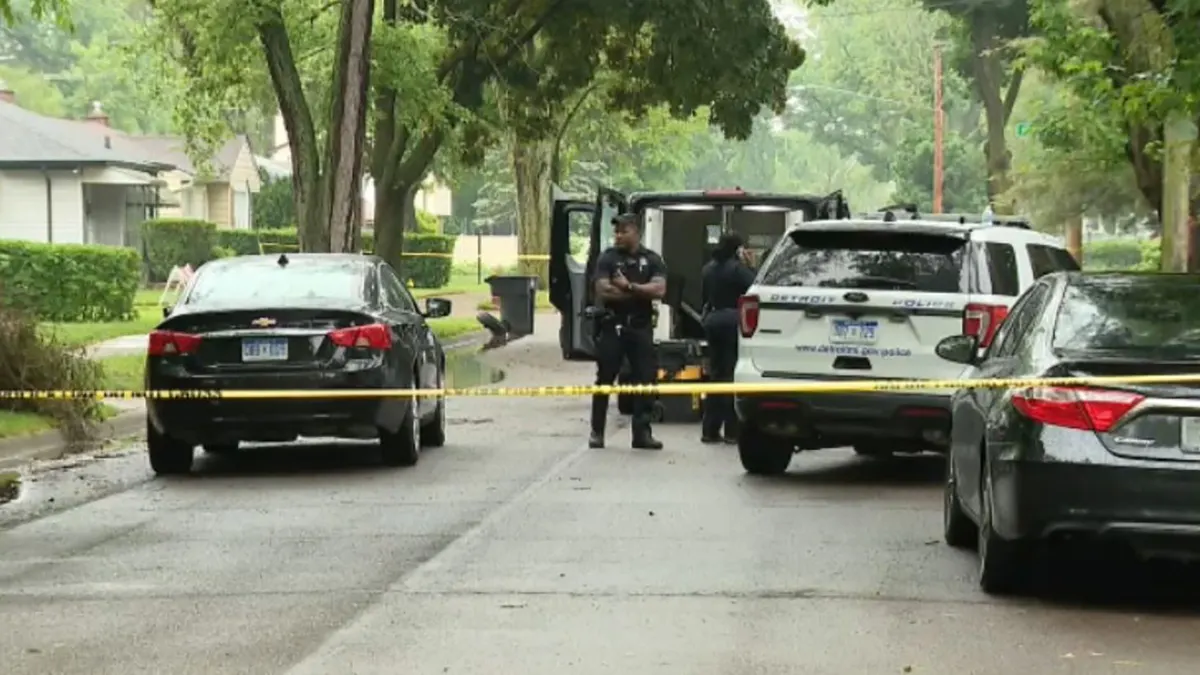
When officers arrived at the scene, Jackson complied with their instructions and was temporarily detained for questioning. Police confirmed that he was taken into custody for initial investigation but was later released without charges.
Authorities stated that the case would still undergo review by the prosecutor’s office to determine whether the use of force met legal standards under Michigan self defense law.
Under Michigan law, homeowners are generally permitted to use deadly force if they reasonably believe they are facing an imminent threat of death or serious bodily harm. However, each case is evaluated based on specific facts, including witness statements, physical evidence, and available video footage.
In this case, investigators examined doorbell camera recordings, physical damage to the property, and Jackson’s testimony to reconstruct the sequence of events.
The Homeowner’s Perspective on Self Defense
Throughout interviews, Maiso Jackson maintained that he had no intention of harming anyone and only acted when he believed his life was at risk. He emphasized that he had owned his firearm for years and had undergone training in its safe use.
Jackson repeatedly stated that he attempted to de escalate the situation by speaking to the intruder and calling police before any physical confrontation occurred. However, he said the breaking of the window and the alleged display of a weapon left him with no viable alternative.
His account reflects a common argument in self defense cases: that homeowners cannot be expected to wait for law enforcement when faced with an immediate and escalating threat inside or near their home.
Evidence From Doorbell Cameras and Witness Accounts
Footage from a home security system reportedly captured portions of the encounter, including the suspect approaching the home and engaging in aggressive behavior near the entry points. While not all moments were fully documented, the recordings played a significant role in helping investigators reconstruct the timeline.
Neighbors also reported hearing shouting and glass breaking during the early morning hours, adding context to Jackson’s claim that the situation escalated rapidly and unpredictably.
These forms of digital evidence have become increasingly important in modern self defense cases, where independent verification often determines how prosecutors interpret events.
Criminal History and Public Reaction
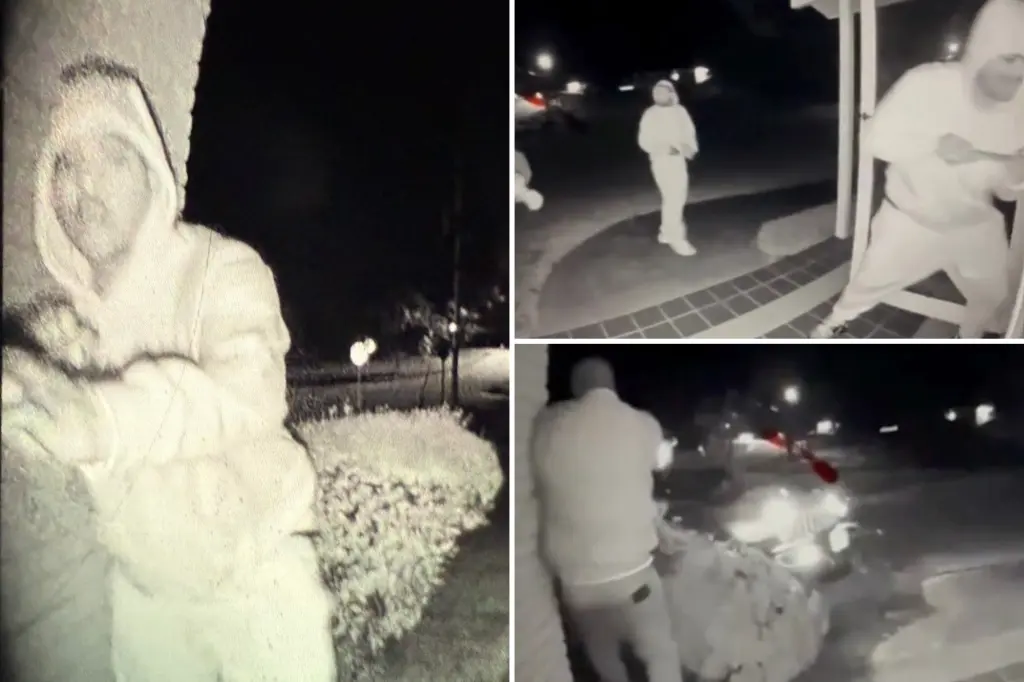
Authorities later confirmed that the deceased suspect had a prior criminal record, though officials emphasized that past history does not determine justification for use of force in a specific incident.
Public reaction to the case was sharply divided. Some viewed Jackson’s actions as a justified defense of his home, highlighting the legal principle that individuals have the right to protect themselves from armed intruders. Others raised concerns about escalation and the dangers of firearms being introduced into rapidly evolving domestic disputes.
The phrase “It was me or him,” repeated by Jackson in interviews, became a central point of discussion in media coverage and online debate, symbolizing the moral complexity of such encounters.
Legal Standards for Home Defense in Michigan
Michigan law allows individuals to use deadly force without a duty to retreat when they are inside their own home and reasonably believe they are facing an imminent threat. This legal framework is designed to protect homeowners from prosecution in situations where survival appears uncertain.
However, legal experts note that each case depends heavily on interpretation of “reasonable belief,” which is often influenced by physical evidence, perceived threat level, and consistency of witness statements.
In this case, prosecutors will likely examine whether the suspect was armed, whether Jackson had alternatives available, and whether the use of lethal force was proportionate to the threat at that exact moment.
Broader National Debate on Home Invasion Shootings
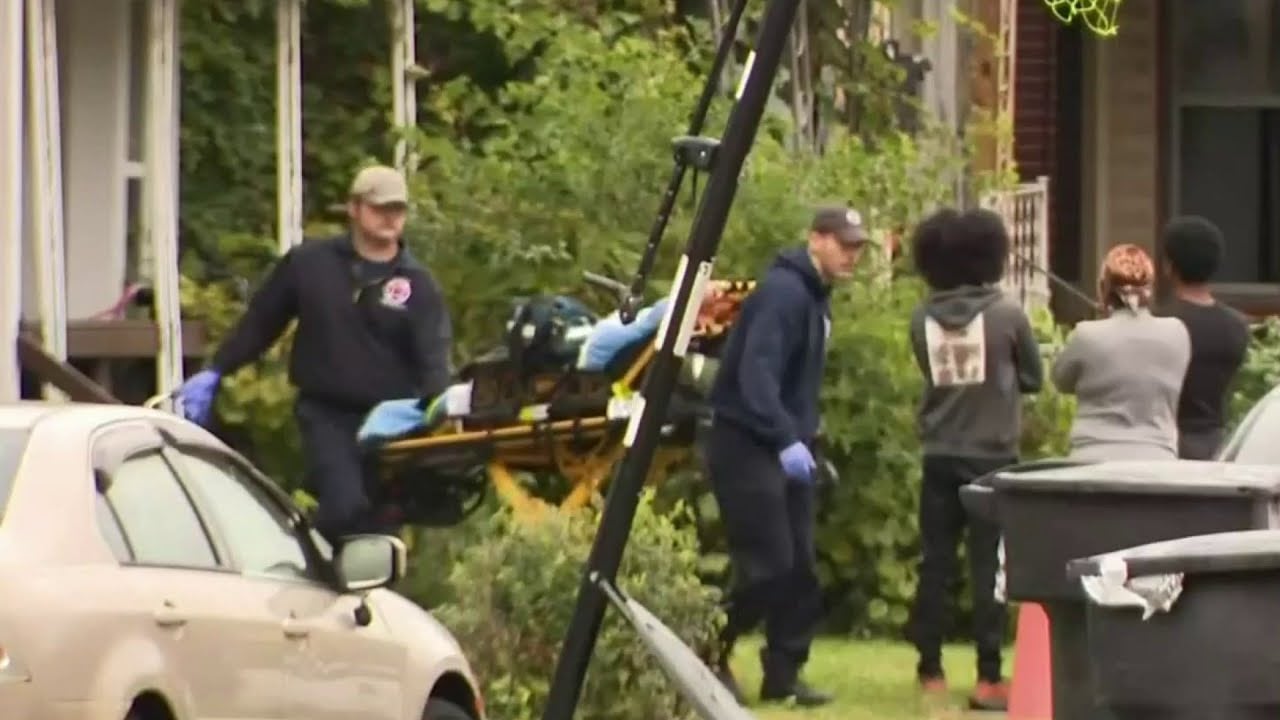
The incident in Detroit is part of a broader pattern of high profile home defense shootings across the United States, where armed homeowners confront intruders under uncertain and rapidly changing conditions.
These cases often ignite debates about gun ownership rights, training standards, and whether current laws adequately address the psychological and physical stress of real time self defense situations.
Supporters of strong self defense laws argue that cases like this highlight the importance of allowing individuals to protect themselves without hesitation. Critics, however, warn that the presence of firearms can escalate situations that might otherwise be resolved without loss of life.
A Case That Reflects a National Divide
The fatal shooting involving Maiso Jackson continues to be reviewed by authorities, but it has already become part of a much larger national conversation about safety, responsibility, and the limits of self defense.
While the legal outcome remains under prosecutorial review, the incident underscores a persistent reality in American society: moments of fear and uncertainty can lead to irreversible consequences within seconds.
As debates continue over firearm ownership and home defense laws, this case stands as a reminder of how quickly private fear can transform into public tragedy, and how difficult it is to draw clear lines between justified protection and deadly force in real world situations.