
Table of Contents
- A Disturbing Threat to National Security
- The Arrest and What Led to It
- The Broader Trend of Rising Threats Against Public Officials
- The Role of Social Media in Amplifying Extremism
- The Psychological and Ideological Drivers of Political Violence
- The Legal and Ethical Implications of Online Threats
- Law Enforcement’s Role in Preventing Violence
- The Cultural and Political Divide in America
- A Wake-Up Call for Society and Law Enforcement
A Disturbing Threat to National Security
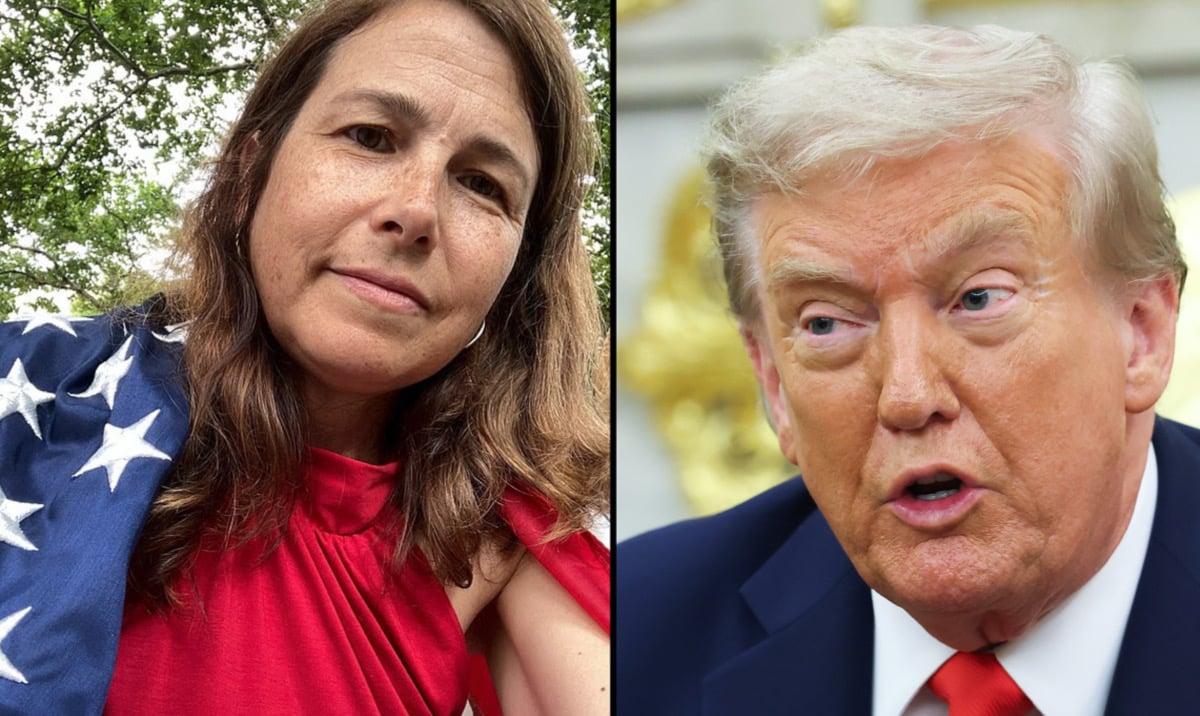
When news broke of the arrest of Nathalie Rose Jones, a 50-year-old woman from Indiana, the nation was reminded of the growing dangers posed by extremist rhetoric and online radicalization. Jones allegedly traveled to Washington, D.C., with the intent to kidnap and assassinate former President Donald Trump, making specific threats on social media and even detailing her plans to federal agents. While this incident stands out due to its shocking nature, it is also indicative of a larger and increasingly alarming trend: the blurring lines between online rhetoric and real-world violence. The case serves as a chilling reminder of the need for law enforcement to carefully navigate the fine line between free speech and potential harm, as well as the societal implications of online platforms enabling such extreme views.
The Arrest and What Led to It

Nathalie Rose Jones’s arrest came after a series of violent threats she made publicly on social media. The federal investigation began in early August when Jones posted several disturbing messages, one of which included a graphic description of how she intended to kill President Trump. In her post, she stated her willingness to “sacrificially kill this POTUS by disemboweling him and cutting out his trachea.” The specifics of her language, combined with her persistent threats, led the FBI to intervene. As Jones’ social media activity became more concerning, the Secret Service monitored her closely.
Days later, Jones made additional threats, calling on then-Secretary of Defense Pete Hegseth to help organize an “arrest and removal ceremony” at the White House. This time, she even specified a date and time, raising red flags for authorities. During her subsequent interview with the FBI, Jones admitted she would attempt to kill Trump if she had the opportunity. She further revealed her motive: she wanted to avenge the lives lost during the COVID-19 pandemic, and she viewed Trump as both a “terrorist” and a “nazi.” Though she later claimed she had no current intent to harm him, the specificity and repetition of her threats left little doubt about the seriousness of her actions.
The Broader Trend of Rising Threats Against Public Officials
Jones’s case is part of a disturbing increase in threats against public figures in the United States. From members of Congress to local government officials, political leaders are facing a growing number of violent threats. The U.S. Capitol Police reported a near doubling of threatening communications between 2017 and 2021. The Secret Service, which investigates threats against the president, also handles thousands of cases annually, ranging from vague comments online to detailed plans for harm.
The surge in such threats is a direct consequence of the deepening political polarization in the country. Digital platforms, where grievances are aired quickly and often with little consequence, provide a breeding ground for extreme views to fester. While many threats remain unsubstantiated, others quickly escalate into real-world attempts. Jones’s arrest is a stark reminder that law enforcement must act swiftly and decisively to prevent violence from unfolding. The January 6 attack on the Capitol showed how online organizing and inflammatory rhetoric can translate into coordinated violence, further highlighting the dangers posed by unchecked extremist views.
The Role of Social Media in Amplifying Extremism
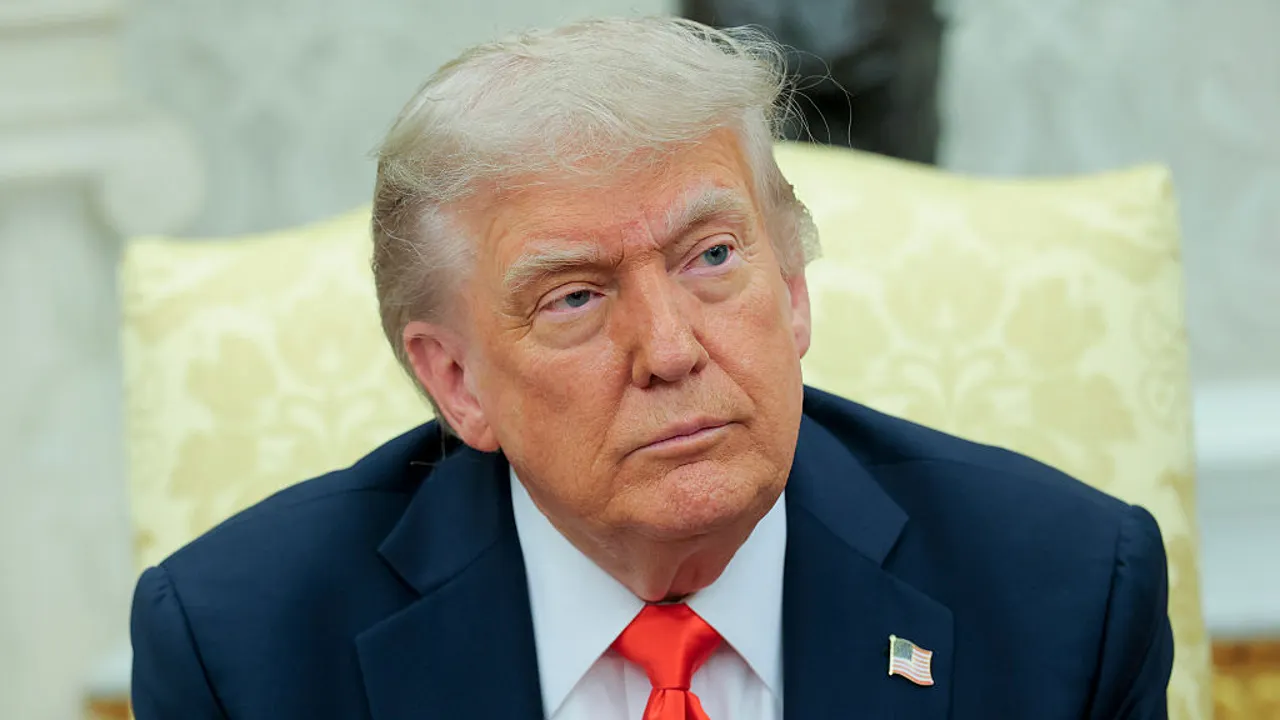
One of the key factors behind Jones’s arrest was her extensive use of social media to promote her violent threats. These platforms, while a tool for connection and free speech, also serve as echo chambers where extreme views can be amplified. In Jones’s case, her Facebook posts were filled with violent language, and her detailed plans to harm Trump were readily available for others to see. This mirrors a broader trend in online radicalization, where individuals find and join communities that reinforce their most extreme beliefs.
The anonymity and reach of social media make it incredibly difficult for law enforcement to track and assess threats. A single post could be the result of a prank, a cry for attention, or an imminent plan of violence. In Jones’s case, the specificity of her threats—including a named date and time—led authorities to take action. Yet this raises questions about the responsibility of social media platforms in monitoring and addressing threats before they turn into action. While civil liberties groups warn against overreach, the growing volume of violent rhetoric demands a more nuanced and proactive approach to online regulation.
The Psychological and Ideological Drivers of Political Violence
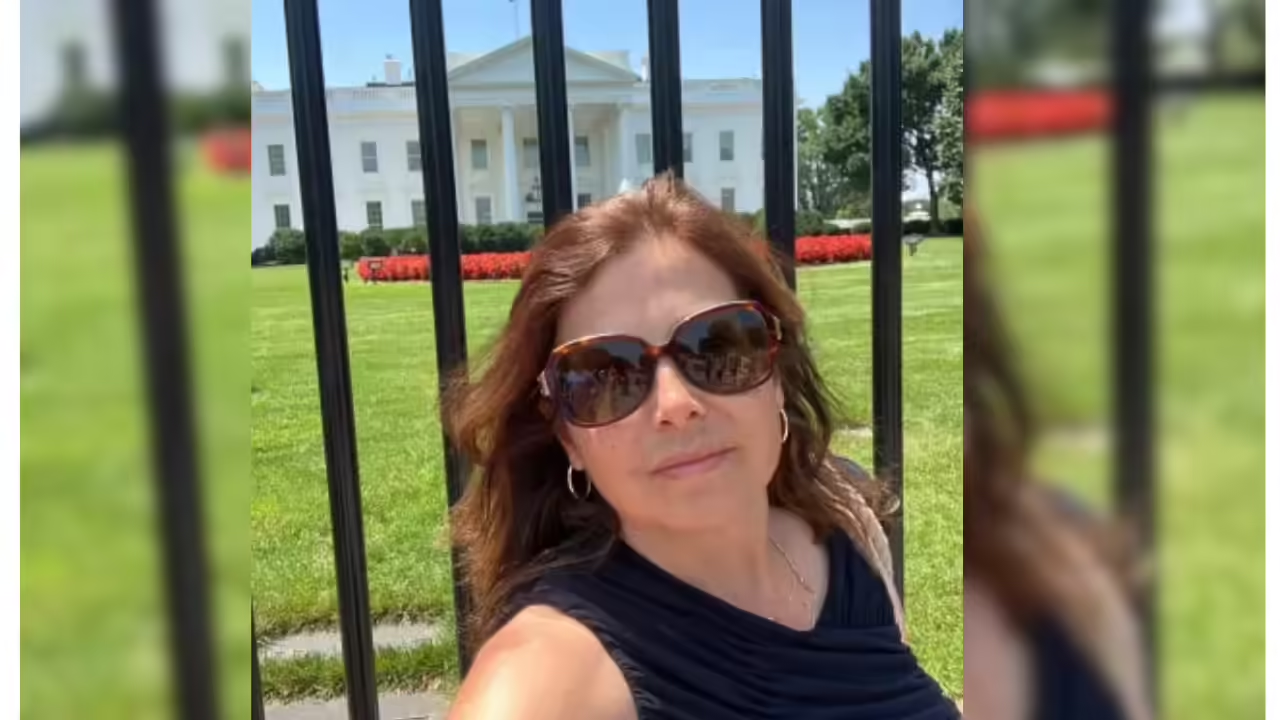
Nathalie Jones’s case highlights the role that psychological factors play in the motivations behind political violence. In her conversations with investigators, she described her desire to avenge those lost to COVID-19 and condemned Trump for his handling of the pandemic. These personal grievances, mixed with a deeply ideological hatred, fueled her sense of righteous anger. This combination of emotional vulnerability and radical ideology is often seen in individuals who engage in politically motivated violence.
Experts in political violence argue that the motives behind such acts are rarely purely ideological. More often, they involve a mix of personal trauma, feelings of disempowerment, and a desire for agency. For Jones, her grievance over the pandemic and her perception of Trump as a villain led her to perceive violence as a form of justice. Her language, describing the act of killing Trump as “sacrificial,” further underscores her belief that her actions were morally justified. This mindset is common in individuals who escalate from radical rhetoric to real-world violence.
The Legal and Ethical Implications of Online Threats
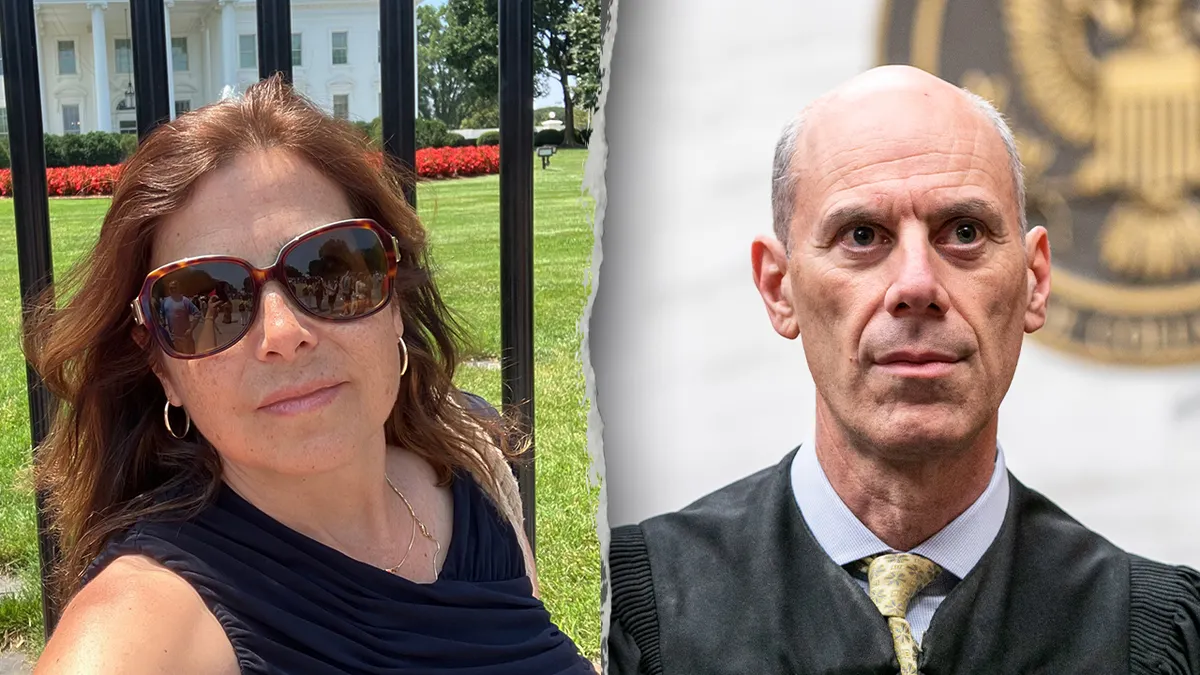
Jones’s case brings to light important legal and ethical questions regarding online speech. According to U.S. law, threats against the president and other public officials are considered serious offenses, especially when they are specific and targeted. The legal definition of a “true threat” is a statement intended to communicate a serious intention to commit unlawful violence. Jones’s posts, which detailed how and when she intended to harm Trump, fit this definition perfectly.
However, legal experts note that even online rhetoric that appears to be harmless can still be prosecuted if it constitutes a “true threat.” This approach emphasizes deterrence—sending a clear message that violent rhetoric, no matter how it’s communicated, will be met with swift legal action. The growing concern, however, is the challenge of distinguishing between empty threats and legitimate danger, a task made more difficult by the sheer volume of online content.
Law Enforcement’s Role in Preventing Violence
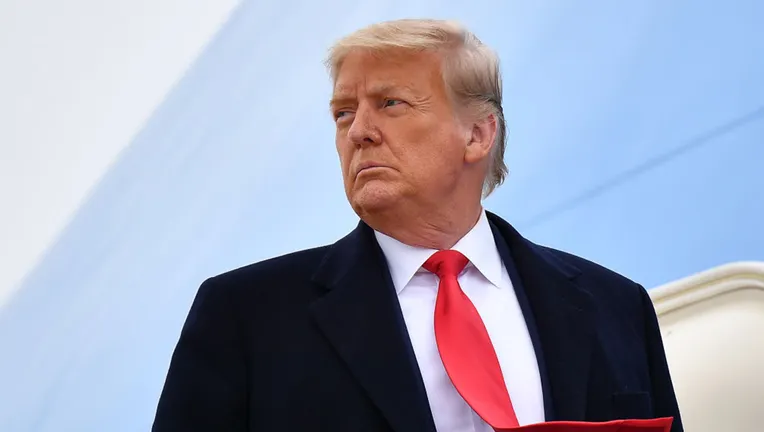
Federal authorities have emphasized the importance of prevention in cases like Jones’s. By monitoring social media and investigating threats in real time, law enforcement can act quickly to stop violence before it occurs. However, this requires constant vigilance and a fine balance between protecting free speech and preventing harm. Jones’s arrest highlights the need for law enforcement agencies to be proactive in identifying potential threats while respecting the First Amendment.
In addition to monitoring online activity, experts suggest that a more comprehensive approach is needed to prevent radicalization in the first place. Programs that address underlying psychological vulnerabilities, provide mental health support, and foster open dialogue could help reduce the factors that contribute to extremist behavior. However, such efforts require substantial investment and a coordinated response from both government and civil society.
The Cultural and Political Divide in America
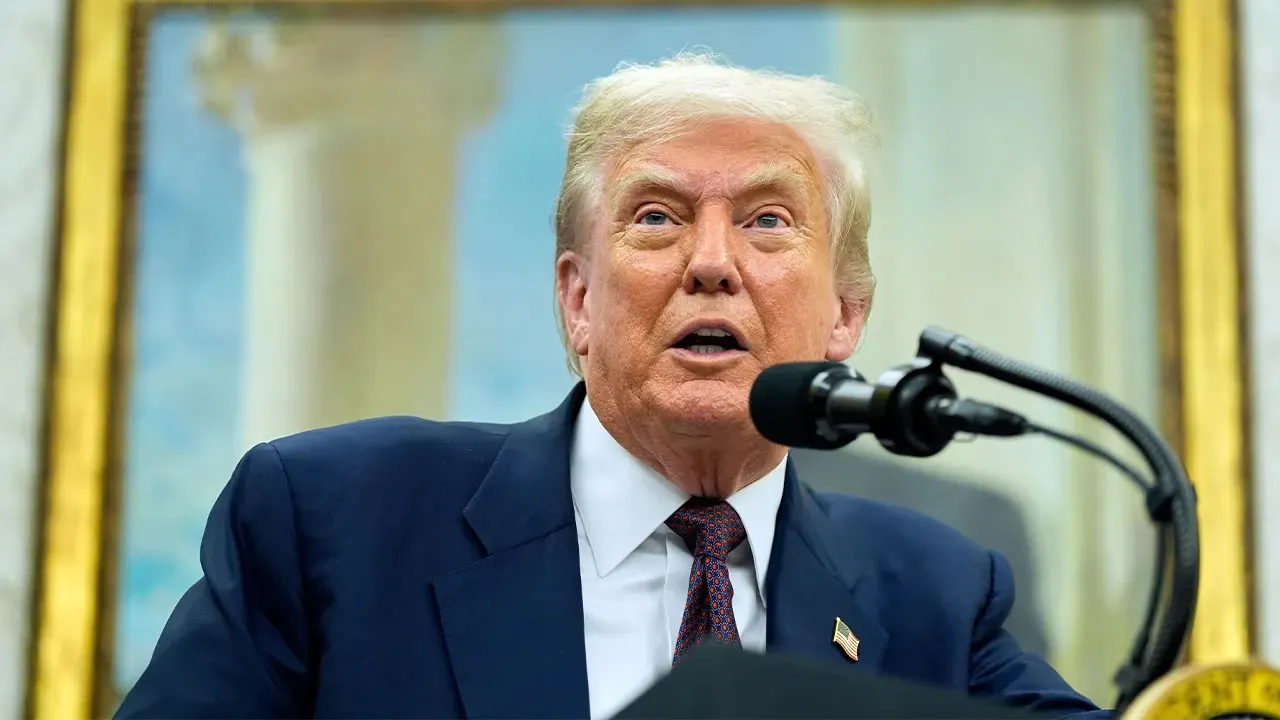
The rise in threats against public officials is part of a broader cultural and political divide in the United States. Increasingly, political leaders are viewed not just as public figures but as enemies to be defeated by any means necessary. This attitude has been fueled by years of divisive rhetoric, both online and offline, which has led to the normalization of political violence in some circles. Jones’s case is a reminder that this trend is not just about isolated incidents but reflects a deeper societal issue: the weaponization of political disagreements.
As the country grapples with rising polarization, the challenge lies in finding ways to bridge divides while maintaining public safety. It is not enough to address violence after it happens; society must also find ways to reduce the conditions that allow such violence to flourish. This includes addressing misinformation, moderating extreme speech, and fostering greater empathy and understanding between political factions.
A Wake-Up Call for Society and Law Enforcement
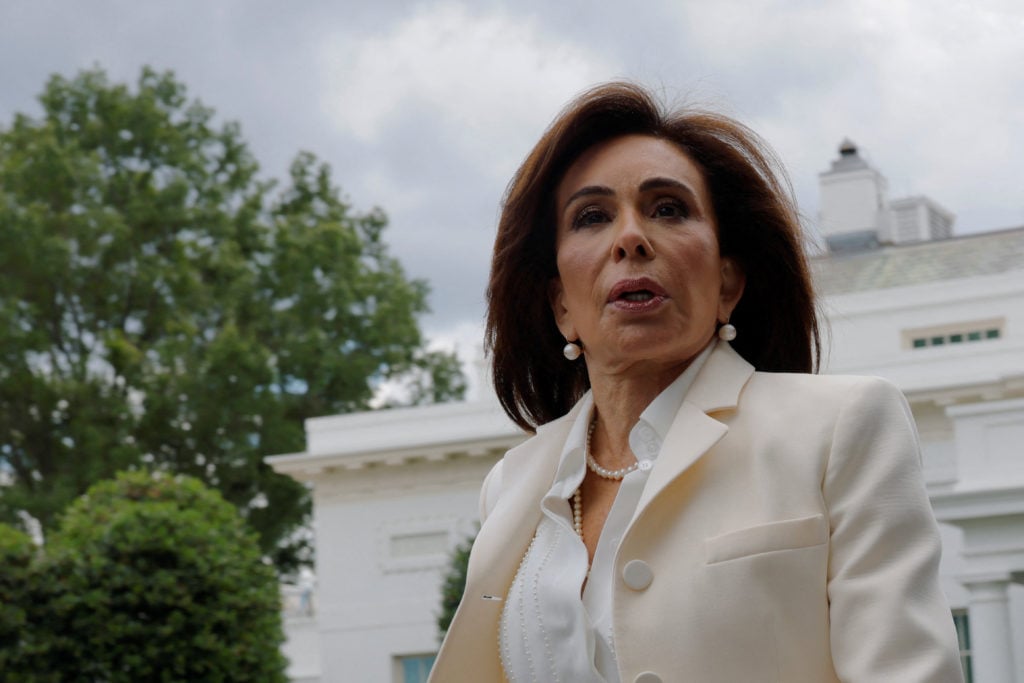
The arrest of Nathalie Rose Jones serves as both a wake-up call and a cautionary tale. While it may seem like a singular incident, it is part of a larger, troubling trend of political violence and radicalization fueled by online platforms. Jones’s journey from online threats to an actual attempt to harm a national leader underscores the dangers of allowing violent rhetoric to fester unchecked. Law enforcement’s swift response is critical, but long-term solutions require a more nuanced approach that includes mental health support, better regulation of digital platforms, and a societal commitment to reducing the root causes of political violence.
As the United States continues to grapple with these issues, the key takeaway is clear: while freedom of speech is fundamental, the responsibility to ensure public safety must always come first. Ensuring that violent rhetoric remains just that—words—requires vigilance, education, and a collective effort to address the underlying factors that fuel extremism. The tragic reality is that without intervention, words can quickly turn into weapons.