
Table of Contents
- Pope Leo’s Strong Criticism of Tyrants and Global Leaders
- Trump Responds: A Right to Disagree with the Pope
- The Pope’s Tour of Africa: A Mission for Peace
- Religion and War: A Message of Peace Amid Conflict
- The Exploitation of African Resources: A Harsh Critique
- Trump’s Attack on the Pope: A Longstanding Disagreement
- The Broader Impact of the Pope’s Message
- A Divided World and a Call for Unity
Pope Leo’s Strong Criticism of Tyrants and Global Leaders
During his speech in Bamenda, Cameroon, Pope Leo XIV painted a grim picture of the world’s current state. “The world is being ravaged by a handful of tyrants,” he said, warning that a small number of powerful leaders were using their influence to destabilize global peace. Despite the dire situation, the Pope remained optimistic about the resilience of the common people, stating that the world is held together by “a multitude of supportive brothers and sisters.” His words were a clear rebuke of the political elite, including leaders like President Trump, whose foreign policies and rhetoric the Pope sees as exacerbating global tensions.
These remarks were delivered against the backdrop of rising unrest in regions like the Middle East, where Trump’s hawkish stance toward Iran continues to draw condemnation. The Pope’s criticism was not limited to political leaders; he also denounced the exploitation of religion for military, economic, and political gain. “Those who manipulate religion for their own purposes drag that which is sacred into darkness and filth,” he added, further emphasizing the need for moral clarity in leadership.
Trump Responds: A Right to Disagree with the Pope
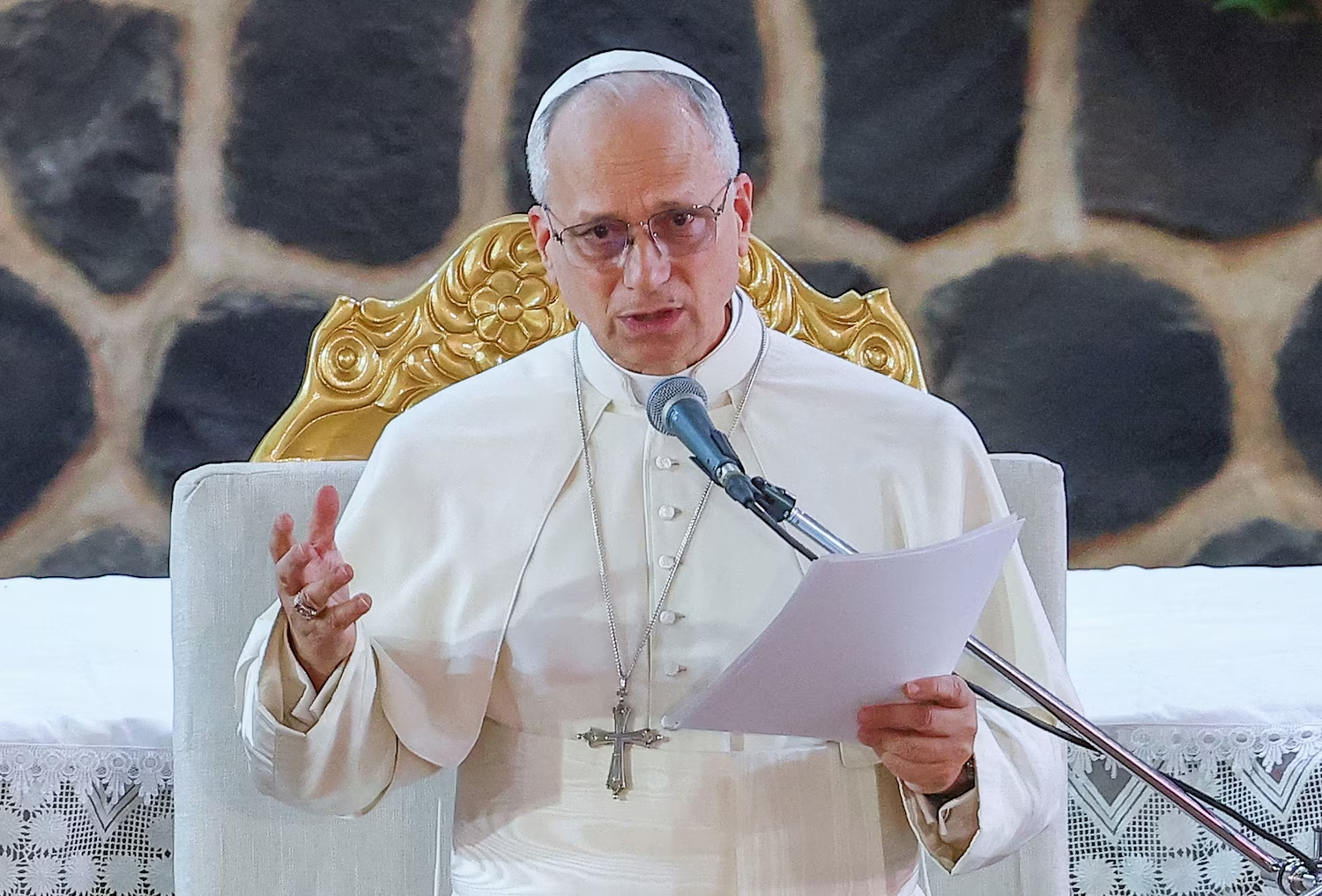
In a response that added fuel to the fire, President Trump dismissed the Pope’s comments, asserting his right to disagree with the pontiff. The U.S. president’s comments came just hours after Leo’s speech, where he had condemned the notion that Iran should be allowed to develop nuclear weapons. Trump, in his typical combative style, told reporters, “The Pope made a statement. He says Iran can have a nuclear weapon. I say Iran cannot have a nuclear weapon.” This exchange marked another chapter in the ongoing tensions between Trump and the Vatican, which have been brewing since Trump’s tenure began.
Trump’s insistence that the Pope’s statements were misguided reflects his broader foreign policy philosophy. The president’s administration has repeatedly taken a hardline stance on Iran, seeking to limit the country’s nuclear capabilities and pushing for greater international isolation of Tehran. However, the Pope’s call for diplomacy and peace clashes with Trump’s more aggressive approach, setting the stage for a continuing conflict between the two.
The Pope’s Tour of Africa: A Mission for Peace
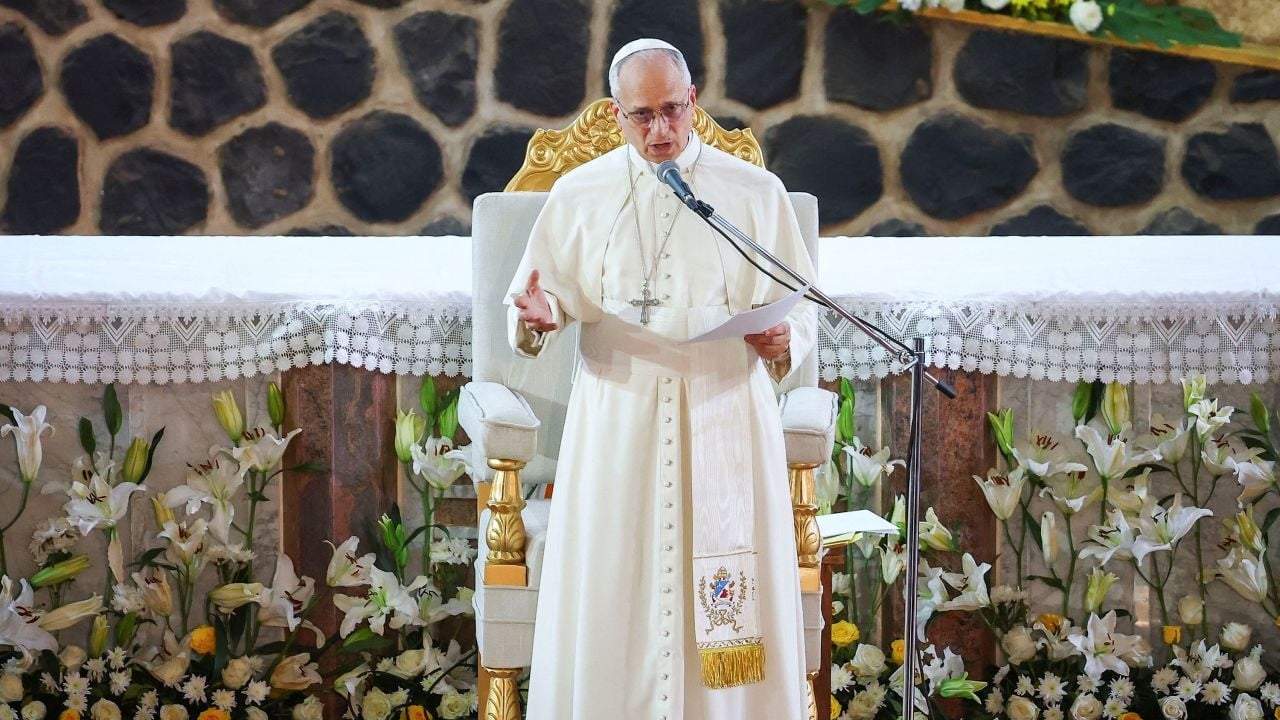
Pope Leo XIV’s speech in Bamenda is part of a larger four-country tour of Africa, a region that has seen its fair share of conflict and instability. Arriving in Cameroon, the Pope called on the government to root out corruption, acknowledging the country’s ongoing battle with Anglophone separatist groups. His comments came as part of a broader message of peace, solidarity, and human dignity, aimed at addressing both the political and social challenges facing Africa today.
The Pope’s visit to Cameroon has special significance, as the country is currently embroiled in a civil conflict that has resulted in over 65,000 deaths and displaced more than half a million people. The visit also served as a platform for the Pope to meet with locals affected by the violence, including victims who had lost loved ones or been forced to flee their homes. For many, the Pope’s message of hope and unity provided a rare moment of comfort in the midst of hardship.
Religion and War: A Message of Peace Amid Conflict
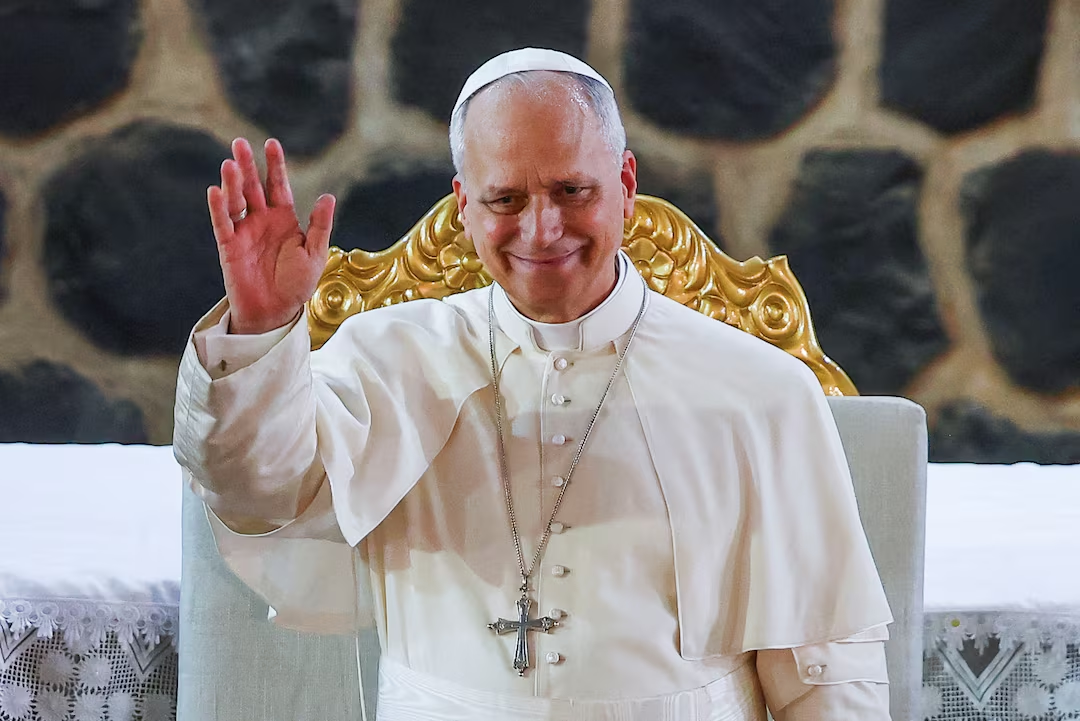
One of the central themes of Pope Leo XIV’s speech was his condemnation of those who use religion to justify war. In a direct challenge to world leaders, the Pope said, “Those who manipulate religion and the very name of God for their own military, economic, and political gain are dragging what is sacred into darkness and filth.” This statement serves as a pointed critique of the ways in which religious rhetoric has been used to legitimize violence and conflict across the globe.
The Pope’s remarks are particularly timely, given the growing number of conflicts where religion is used as a justification for war. From the Middle East to parts of Africa, religious leaders and political figures alike have invoked faith as a rallying cry for military action. The Pope’s message serves as a stark reminder of the true role of religion in global affairs—peace and reconciliation, rather than division and destruction.
The Exploitation of African Resources: A Harsh Critique
In a further critique of global power structures, Pope Leo XIV also addressed the exploitation of Africa’s natural resources. “Those who rob your land of its resources generally invest much of the profit in weapons, thus perpetuating an endless cycle of destabilization and death,” he said. This statement is a direct reference to the ways in which African countries have been exploited by foreign powers for their mineral wealth, with little regard for the long-term impact on local communities.
The Pope’s remarks were particularly pointed given the ongoing resource conflicts in Africa, where countries rich in natural resources such as oil, gold, and diamonds have experienced decades of civil unrest. The Pope’s call for a fairer distribution of wealth and resources speaks to the moral and ethical responsibility of nations and corporations in how they engage with the continent.
Trump’s Attack on the Pope: A Longstanding Disagreement
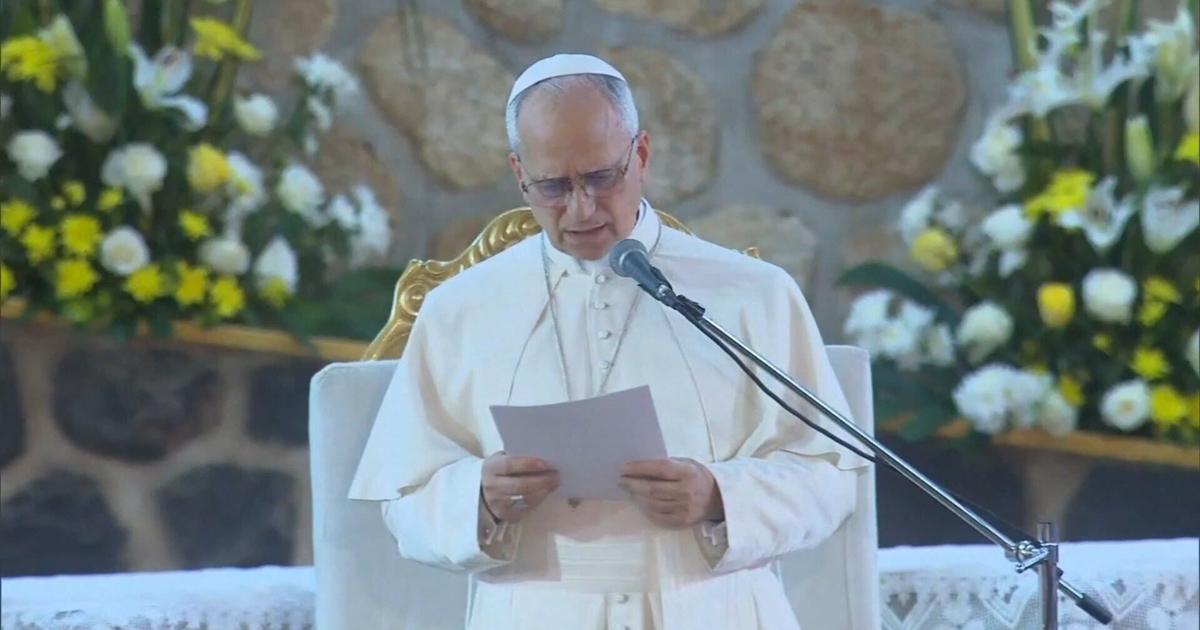
This latest clash between Trump and the Pope is not an isolated incident. Throughout his presidency, Trump has frequently found himself at odds with religious leaders, especially those who challenge his policies. His criticisms of the Pope’s stance on Iran are just the latest in a series of disagreements that highlight the broader tension between the Vatican and the Trump administration.
In 2017, Trump’s decision to withdraw from the Paris Climate Accord was met with criticism from the Pope, who called for stronger action on climate change. Similarly, Trump’s stance on immigration and his controversial border policies have been strongly opposed by many religious leaders, including Pope Leo XIV, who has consistently called for more compassionate and humane treatment of migrants and refugees.
The Broader Impact of the Pope’s Message
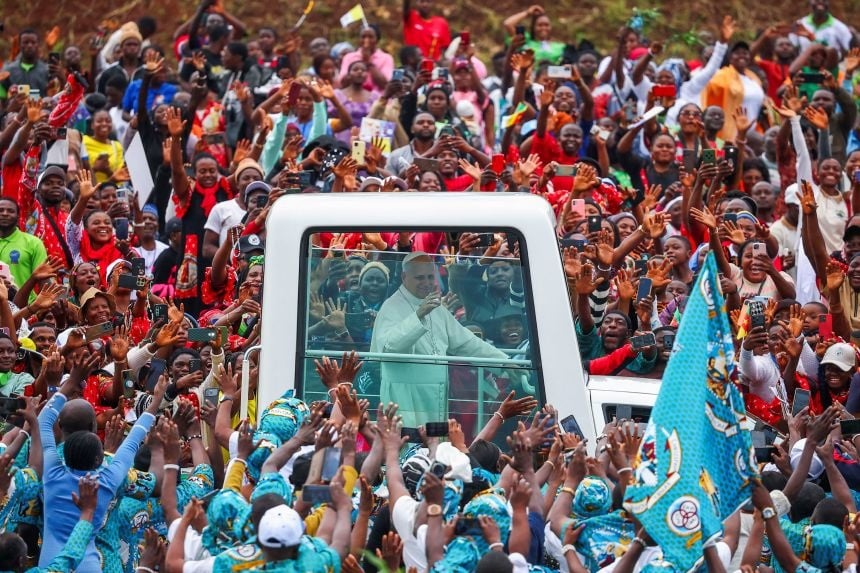
Pope Leo XIV’s comments are not just directed at President Trump, but at world leaders who prioritize military power over peace and diplomacy. His call for global cooperation, rooted in compassion and solidarity, stands in stark contrast to the aggressive nationalism and militarism that has defined much of international politics in recent years. The Pope’s words serve as a reminder that true leadership is about bringing people together, not dividing them, and that the pursuit of peace should always take precedence over the pursuit of power.
A Divided World and a Call for Unity
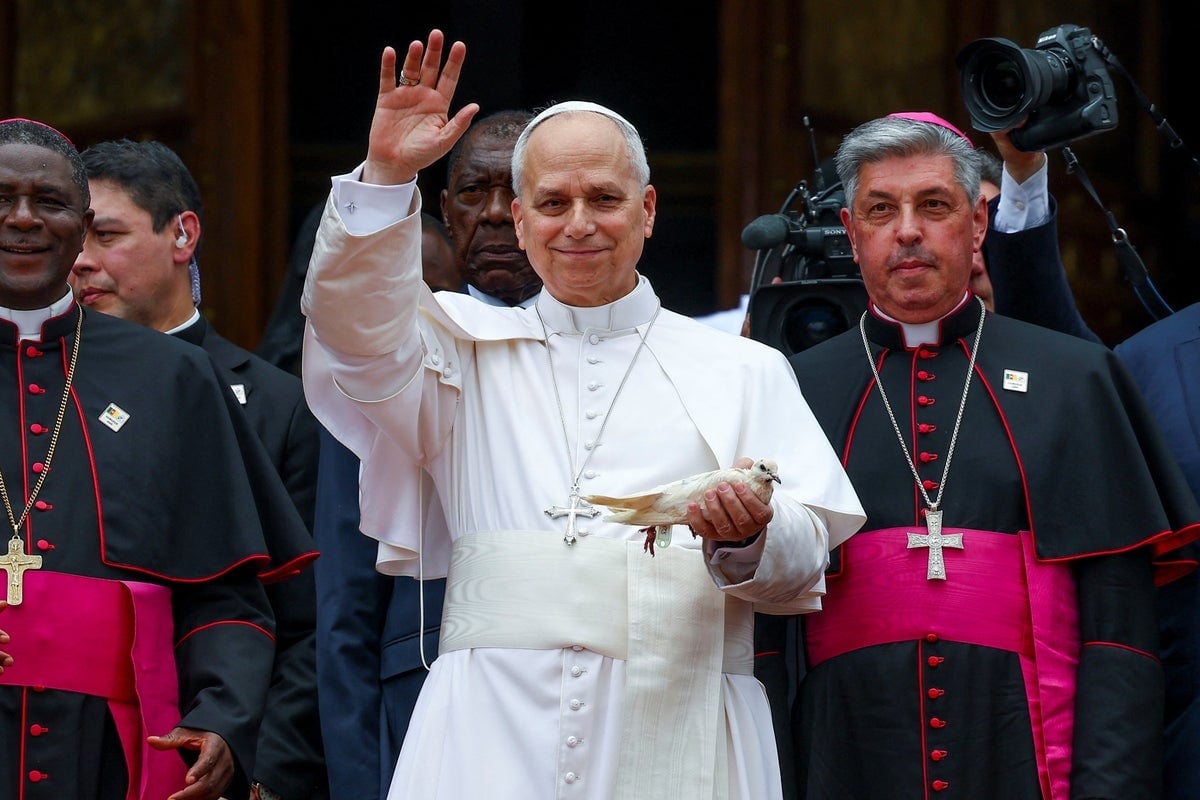
As Pope Leo XIV continues his tour of Africa, his message remains clear: the world must reject the tyranny of war and the exploitation of resources in favor of peace, solidarity, and unity. His condemnation of those who use religion to justify violence is a timely reminder that faith should never be manipulated for political or military gain. While the tension between the Pope and President Trump is unlikely to subside anytime soon, the Pope’s call for a more peaceful world resonates with millions around the globe who seek a different path forward—one rooted in compassion, justice, and respect for all people.