
Table of Contents
- Understanding Atherosclerosis and the Need for Innovation
- The Development of Micro-Swimmers: A New Era in Medicine
- Inspiration from Nature: The Borrelia Burgdorferi Bacterium
- The Micro-Swimmer’s Mission: Breaking Down Plaque and Delivering Drugs
- Overcoming the Challenges of Micro-Robotics
- The Future of Micro-Swimmers in Medicine
- Overcoming the Microscopic World: Technological Innovation
- Clinical Trials and the Road to Human Use
- Revolutionizing Medicine with Micro-Swimmers
Understanding Atherosclerosis and the Need for Innovation
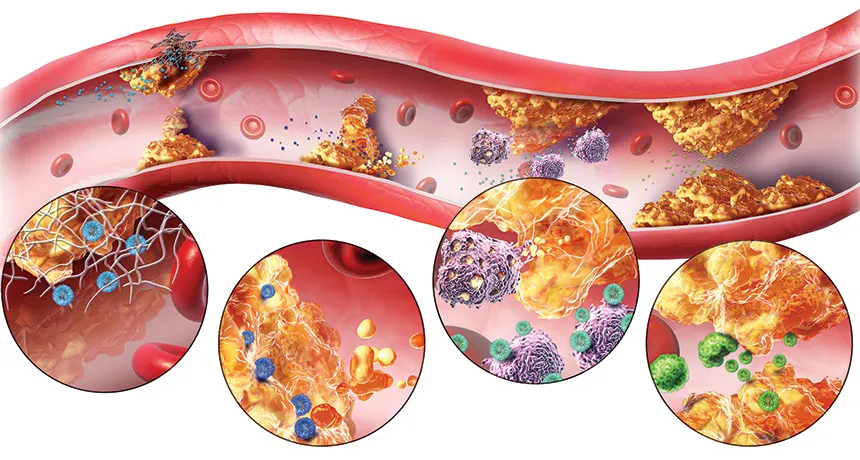
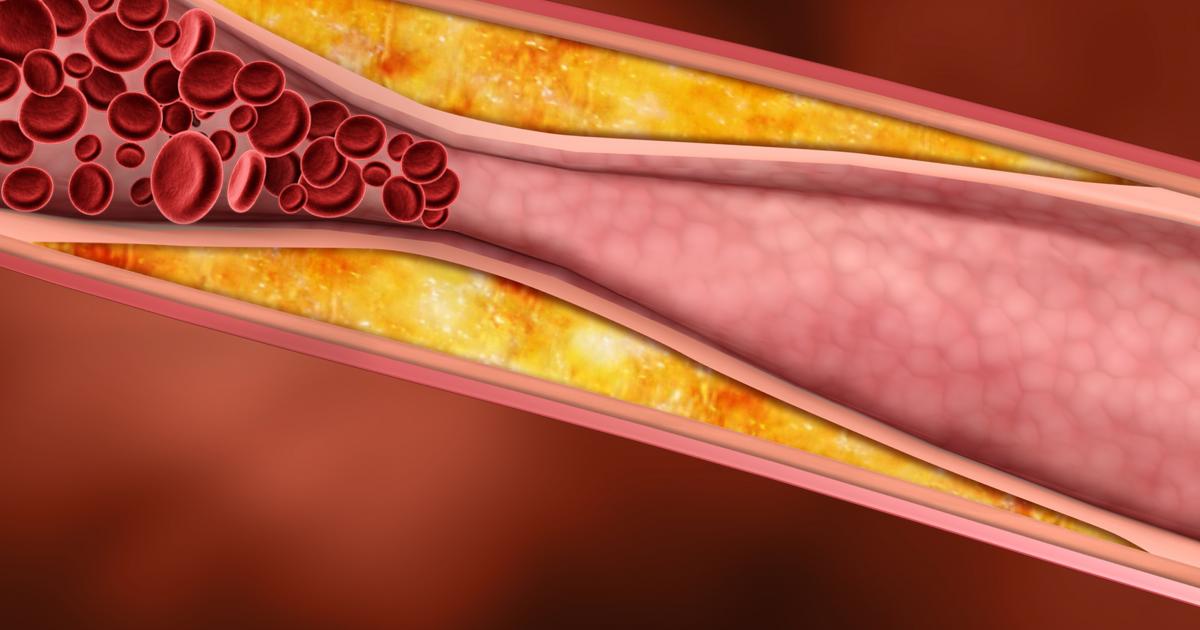
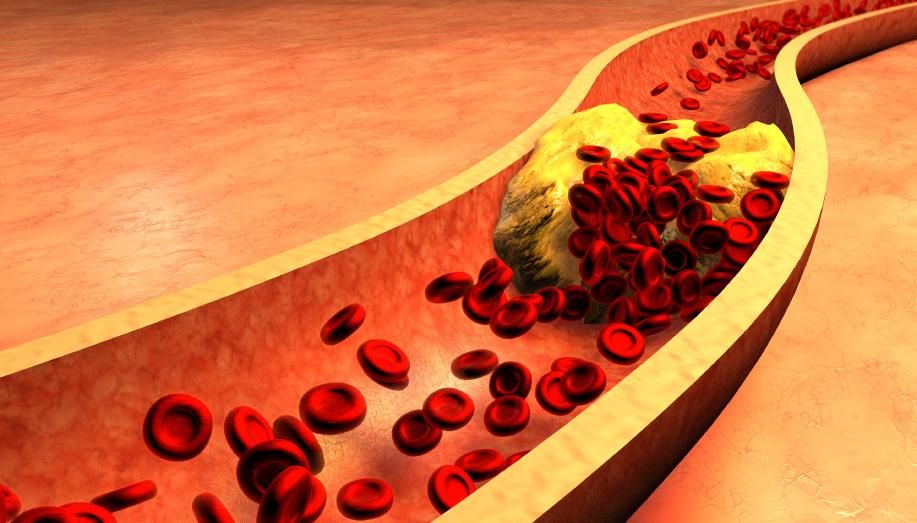
Atherosclerosis is a condition where fatty deposits, cholesterol, calcium, and other substances accumulate on the walls of arteries. Over time, these plaques narrow the arteries, restricting blood flow and increasing the risk of heart attacks, strokes, and other cardiovascular diseases. The traditional treatment methods—angioplasty and bypass surgery—have shown varying degrees of success but still present challenges, especially in cases where the blockages are severe or in hard-to-reach areas.
Angioplasty, which involves inflating a balloon to open up blocked arteries, and bypass surgery, where a new pathway for blood is created using healthy veins or arteries, have been effective in many cases. However, these surgeries require recovery time and can have complications. This is where Drexel University’s micro-swimmers come in, offering a less invasive, potentially more effective alternative.
The Development of Micro-Swimmers: A New Era in Medicine
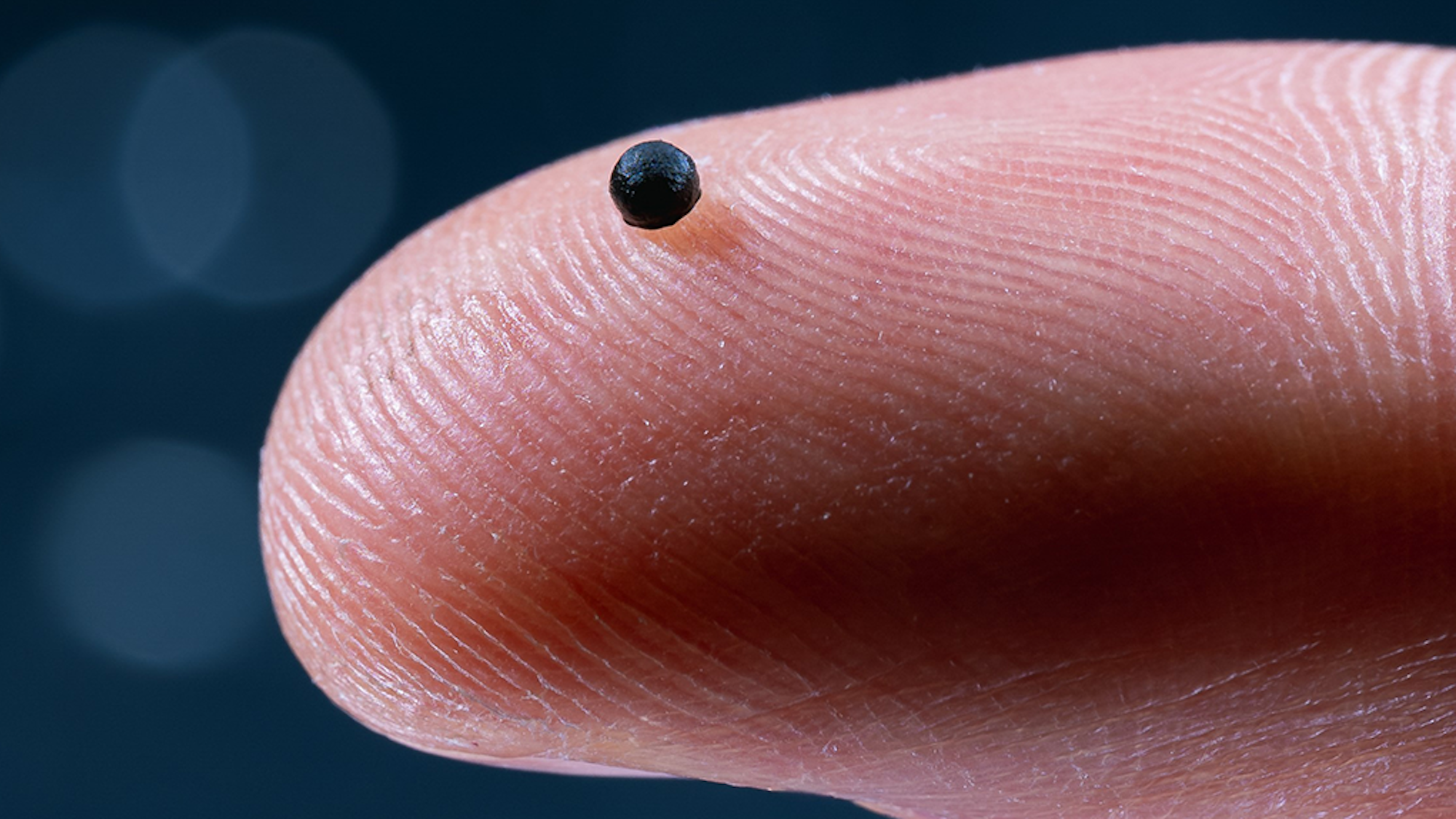
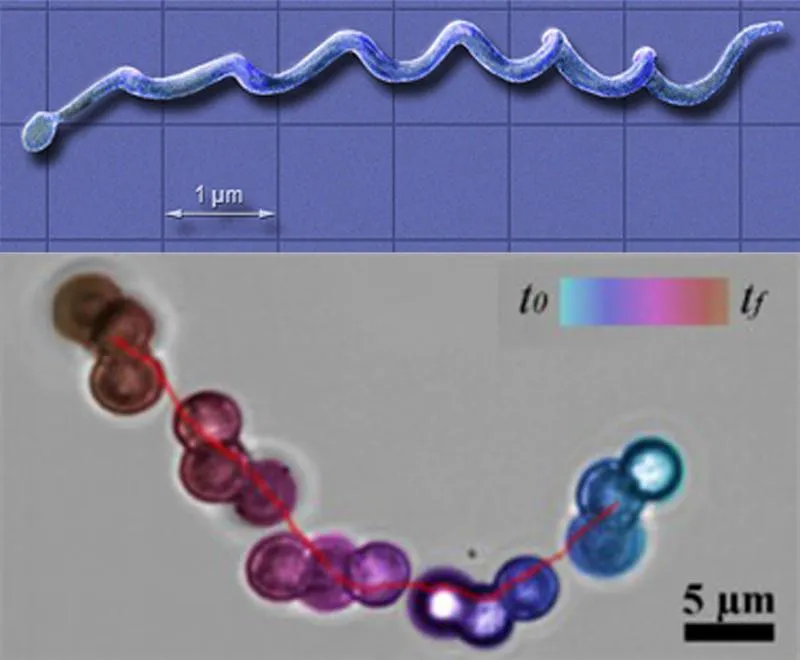
The innovative micro-swimmers being developed at Drexel University are composed of tiny iron oxide beads, each no larger than 200 nanometers. These beads are connected in a chain-like structure, which forms a corkscrew shape when exposed to an external magnetic field. This design allows the micro-swimmers to move through the bloodstream, where they can be used to break up arterial plaque and clear blockages.
MinJun Kim, a professor at Drexel’s College of Engineering, leads the team that created these micro-swimmers. According to Kim, the micro-swimmers are made from biocompatible materials that are not likely to trigger an immune response in the body. The team uses a finely calibrated magnetic field to control the movement of the micro-swimmer chains, allowing them to navigate through the vascular system and precisely target areas of concern.
Inspiration from Nature: The Borrelia Burgdorferi Bacterium
The design of these micro-swimmers was inspired by the natural world, specifically by the spiral shape of the Borrelia burgdorferi bacterium, which is responsible for Lyme disease. The bacterium’s corkscrew-like shape allows it to move easily through the fluid environment of the body, and Drexel’s researchers replicated this structure in their micro-swimmers. This design enables the micro-swimmers to travel through the blood vessels efficiently, allowing them to perform their intended task of clearing arterial plaque.
The biological inspiration behind the micro-swimmer’s design highlights the importance of biomimicry in medical technology. By looking at how organisms like Borrelia burgdorferi function, engineers have been able to develop a highly effective tool for combating one of the leading causes of cardiovascular disease.
The Micro-Swimmer’s Mission: Breaking Down Plaque and Delivering Drugs

The micro-swimmers will be deployed via a catheter, which will deliver them directly into the affected arteries. Once inside, the swimmers will start by loosening the hardened plaque. This will be followed by a tiny vascular drill that will complete the task of clearing the artery. Once the procedure is done, the biodegradable micro-swimmers will release anticoagulant drugs into the bloodstream, helping to prevent future plaque buildup and further complications.
The use of drugs in this manner could revolutionize how cardiovascular diseases are managed. By directly targeting the source of the problem, these micro-swimmers not only clear the immediate blockage but also help ensure that the issue does not recur.
Overcoming the Challenges of Micro-Robotics
Creating functional robots at such a small scale presents several unique challenges. As MinJun Kim explains, “The microscopic world is completely different than the macroscopic world that we all live in.” Unlike larger machines that rely on inertia to move, micro-robots must overcome the unique fluid dynamics of the human body, where the lack of inertia makes movement more difficult.
To address these challenges, the Drexel team designed the micro-swimmers with asymmetric, or chiral, structures. These non-symmetrical designs allow the swimmers to move when exposed to the magnetic field, which would otherwise be ineffective if the structure were symmetrical. The precise control of these micro-swimmers is made possible by the researchers’ understanding of non-linear fluid dynamics, which are essential for moving objects in the complex and variable environment of human blood vessels.
The Future of Micro-Swimmers in Medicine
While Drexel’s micro-swimmers have only been tested in artificial blood vessels so far, the research team has ambitious plans to bring them to human clinical trials. This international research effort, supported by a $18 million project funded by the Korea Evaluation Institute of Industrial Technology, involves collaborations with top engineers from institutions in the United States, Korea, and Switzerland. The goal is to develop a viable, everyday solution for cardiovascular surgical teams, which could dramatically improve patient outcomes and reduce recovery times.
In addition to their use in clearing clogged arteries, the micro-swimmers have potential applications in other areas of medicine. The technology could be adapted for more targeted drug delivery, allowing medications to be delivered directly to hard-to-reach areas like cancer tumors. This approach could maximize the efficiency of drug treatments while minimizing side effects by delivering the medication exactly where it is needed.
Overcoming the Microscopic World: Technological Innovation
One of the most difficult aspects of working with micro-robots is the lack of inertia at such small scales. Micro-robots, unlike their larger counterparts, do not have the luxury of relying on inertia for movement. This means that the design of the micro-swimmer had to account for the complex properties of blood, which is a non-Newtonian fluid that behaves differently from water. The researchers had to develop algorithms and control mechanisms based on non-linear fluid dynamics, which made manipulating the micro-swimmers much more complicated than typical robotic devices.
Despite these challenges, the team has made significant strides in refining their technology, and the early results have been promising. As the micro-swimmers undergo further testing and optimization, the team hopes to have a product that can be used in real-world applications within the next few years.
Clinical Trials and the Road to Human Use
The road from successful testing in artificial blood vessels to human clinical trials is long, but Drexel’s team is optimistic about the future. They hope to have the technology ready for clinical trials within the next four years, a timeline that could mark the beginning of a new era in cardiovascular medicine. With ongoing collaboration between institutions and engineers from around the world, the technology could soon become a staple of cardiovascular surgeries, reducing the need for more invasive procedures and improving patient recovery.
Revolutionizing Medicine with Micro-Swimmers
Drexel University’s development of micro-swimmers is a major step forward in the field of nanomedicine and micro-robotics. These tiny robots could become a game-changer in the treatment of cardiovascular diseases, offering a less invasive and more effective alternative to traditional surgeries. As the technology advances and clinical trials approach, micro-swimmers could transform the way doctors treat clogged arteries and manage other medical conditions. The potential applications for this technology extend far beyond cardiovascular medicine, offering hope for more efficient drug delivery systems and cutting-edge treatments in a variety of fields.