
Table of Contents
- When Leadership and Conflict Collide
- A War Room Under Pressure
- Reports of Frustration and Emotional Responses
- The Medal of Honor Remark
- Decision-Making Behind Closed Doors
- Strategic Messaging and Unpredictability
- The Broader Political Context
- Public Reaction and Media Framing
- Leadership, Image, and Legacy
- What This Means Moving Forward
When Leadership and Conflict Collide
When reports surfaced that Donald Trump had allegedly suggested awarding himself the Medal of Honor during escalating tensions with Iran, the reaction was immediate and intense. The claim, reportedly detailed by sources cited in the Wall Street Journal, added a dramatic and controversial layer to an already volatile geopolitical situation. At a time when military decisions carry life-or-death consequences and global implications, such remarks have prompted renewed scrutiny over leadership temperament, judgment, and the pressures of command. What emerges is not just a story about a single comment, but a broader narrative about crisis management, perception, and the expectations placed on those in power.
A War Room Under Pressure
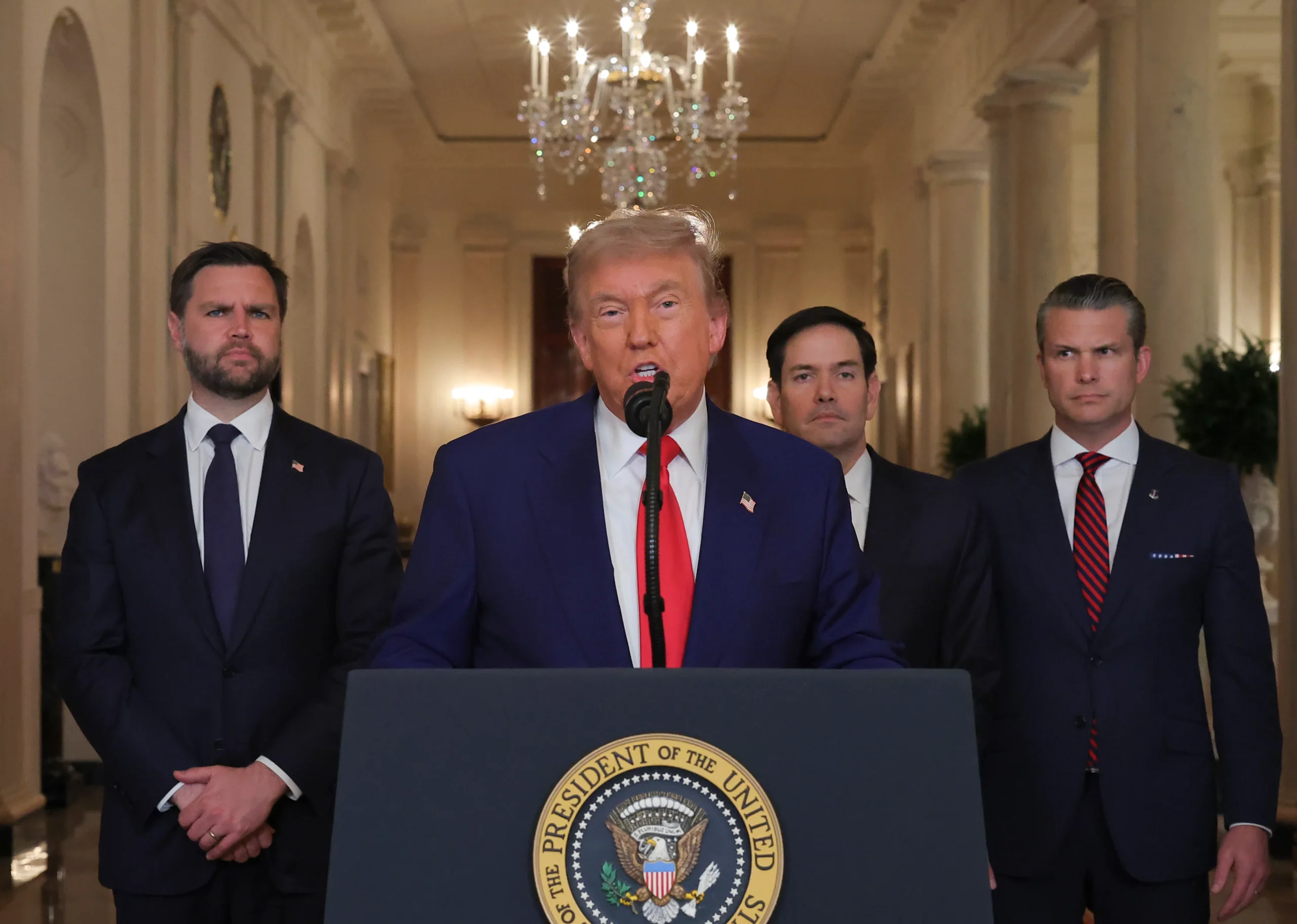
The backdrop to these reports is a period of heightened tension between the United States and Iran, marked by military planning sessions, strategic uncertainty, and rising stakes. According to accounts, internal discussions within the administration were already strained as officials attempted to navigate complex military operations. The situation intensified following the reported downing of a U.S. aircraft over Iranian territory, an event that significantly escalated the urgency and emotional intensity within decision-making circles.
Sources described an environment where frustration and anxiety were palpable. Military setbacks, combined with international pressure and economic concerns such as rising fuel prices, contributed to a sense of instability. In such high-pressure environments, leadership behavior becomes magnified, with every reaction scrutinized not only by insiders but eventually by the public as well.
Reports of Frustration and Emotional Responses
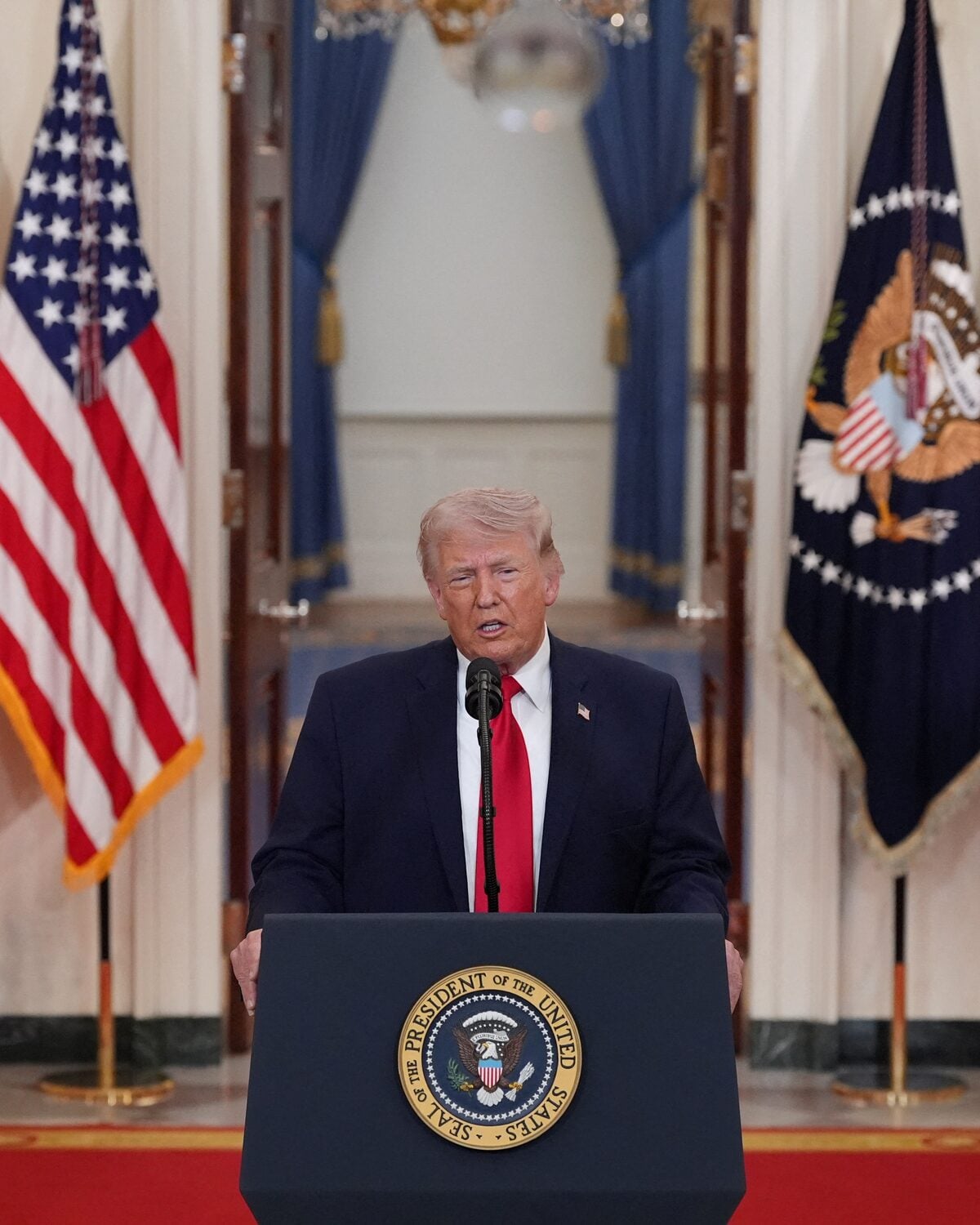
Accounts suggest that during these critical moments, Trump expressed significant frustration toward his advisors. Reports indicate that he voiced dissatisfaction with both military planning and the perceived lack of support from European allies. This reaction, while not uncommon in high-stakes leadership scenarios, was described as unusually intense, highlighting the emotional toll of managing a potential international conflict.
Observers note that emotional responses in leadership are not inherently problematic. However, the consistency and context of those reactions can shape perceptions of stability and decision-making capability. In this case, the combination of military setbacks and internal disagreements appears to have created an atmosphere where tensions boiled over, raising questions about how such dynamics influence strategic outcomes.
The Medal of Honor Remark
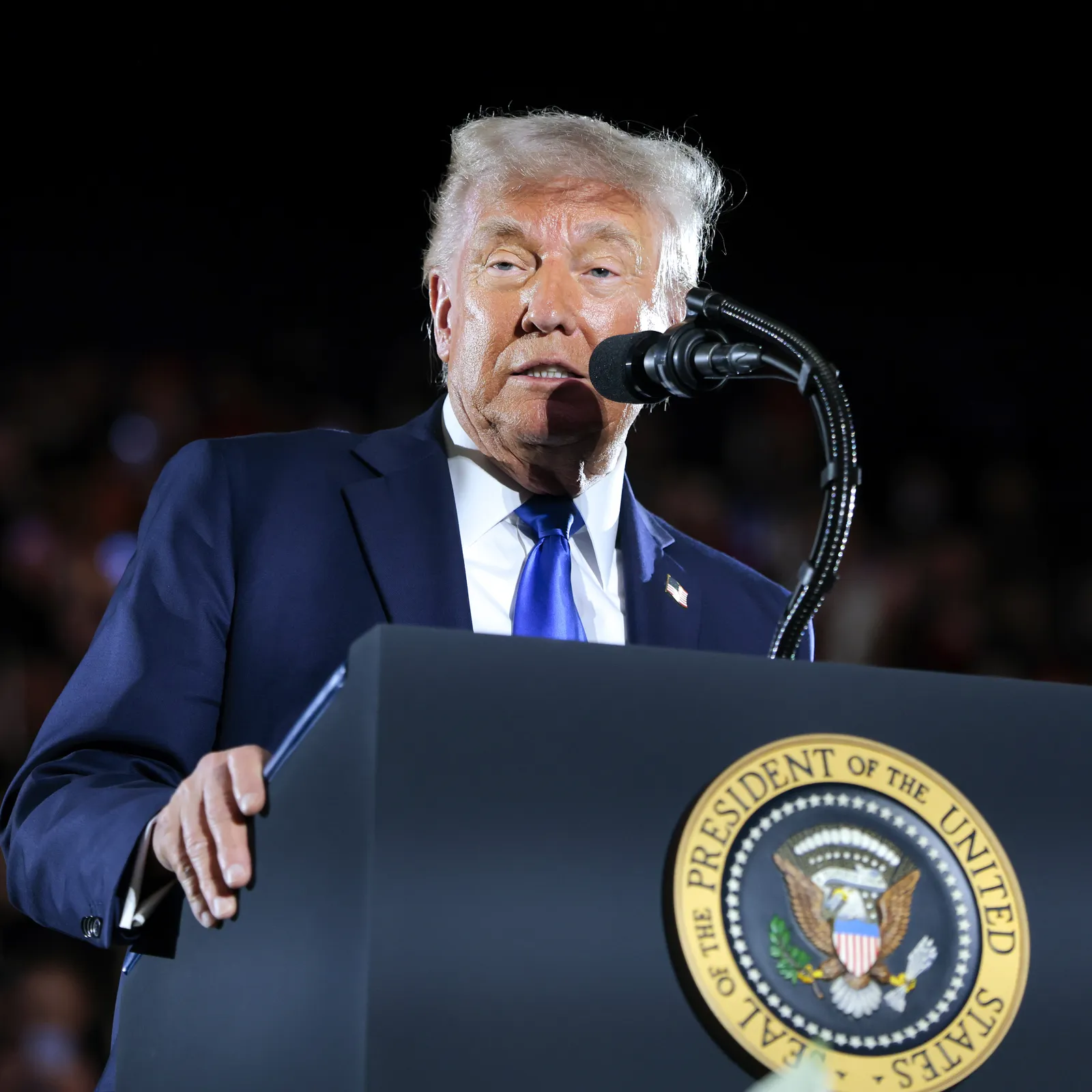
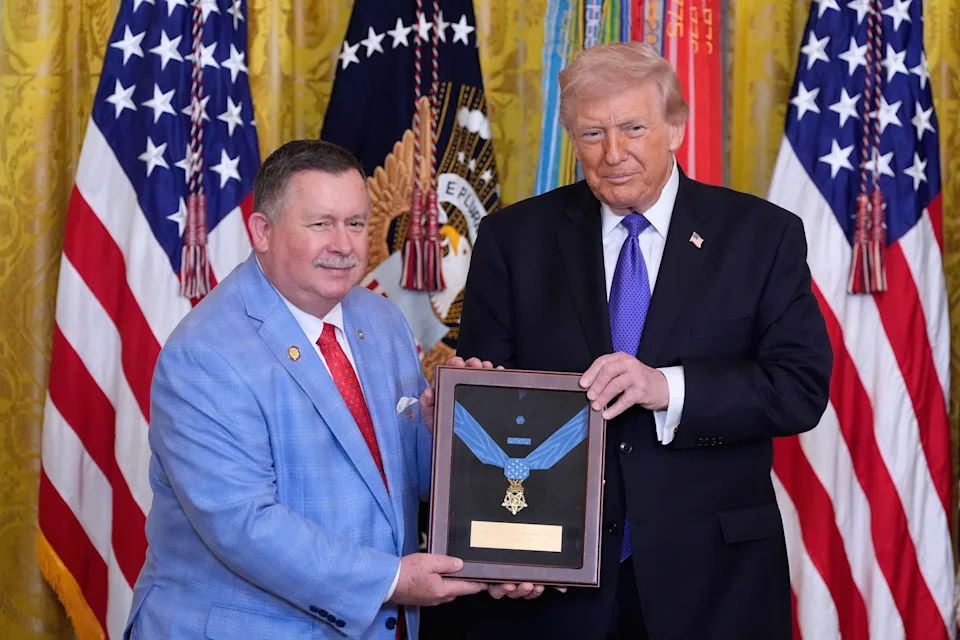
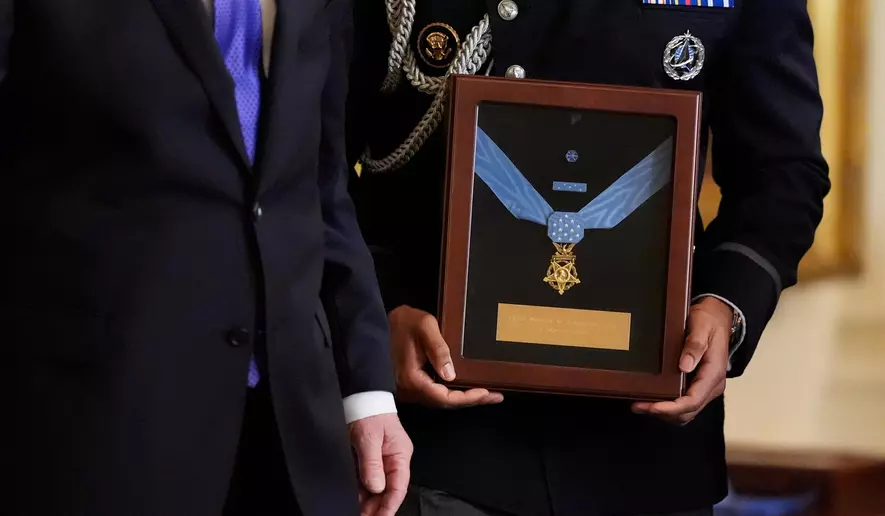
Perhaps the most striking element of the reports is the claim that Trump suggested he might deserve the Medal of Honor for his role as commander-in-chief. Traditionally, this award is reserved for military personnel who demonstrate extraordinary bravery and sacrifice in combat. The suggestion of self-nomination, even if made informally or rhetorically, has drawn significant criticism and debate.
Supporters may interpret such remarks as expressions of confidence or rhetorical exaggeration, while critics view them as indicative of a deeper misunderstanding of military traditions and values. The symbolism of the Medal of Honor carries profound weight, representing acts of heroism often performed under life-threatening conditions. As such, any perceived trivialization of the award tends to provoke strong reactions from both the public and the military community.
Decision-Making Behind Closed Doors
Another notable aspect of the situation involves reports that aides limited Trump’s direct involvement in certain operational discussions. According to sources, officials chose to provide updates at key moments rather than include him in continuous briefings, particularly during sensitive rescue planning for downed servicemembers.
This approach suggests a level of concern among advisors regarding the efficiency and focus of decision-making processes. In complex military operations, clarity and precision are critical, and even minor disruptions can have significant consequences. The decision to manage information flow in this way reflects the delicate balance between maintaining leadership authority and ensuring operational effectiveness.
Strategic Messaging and Unpredictability
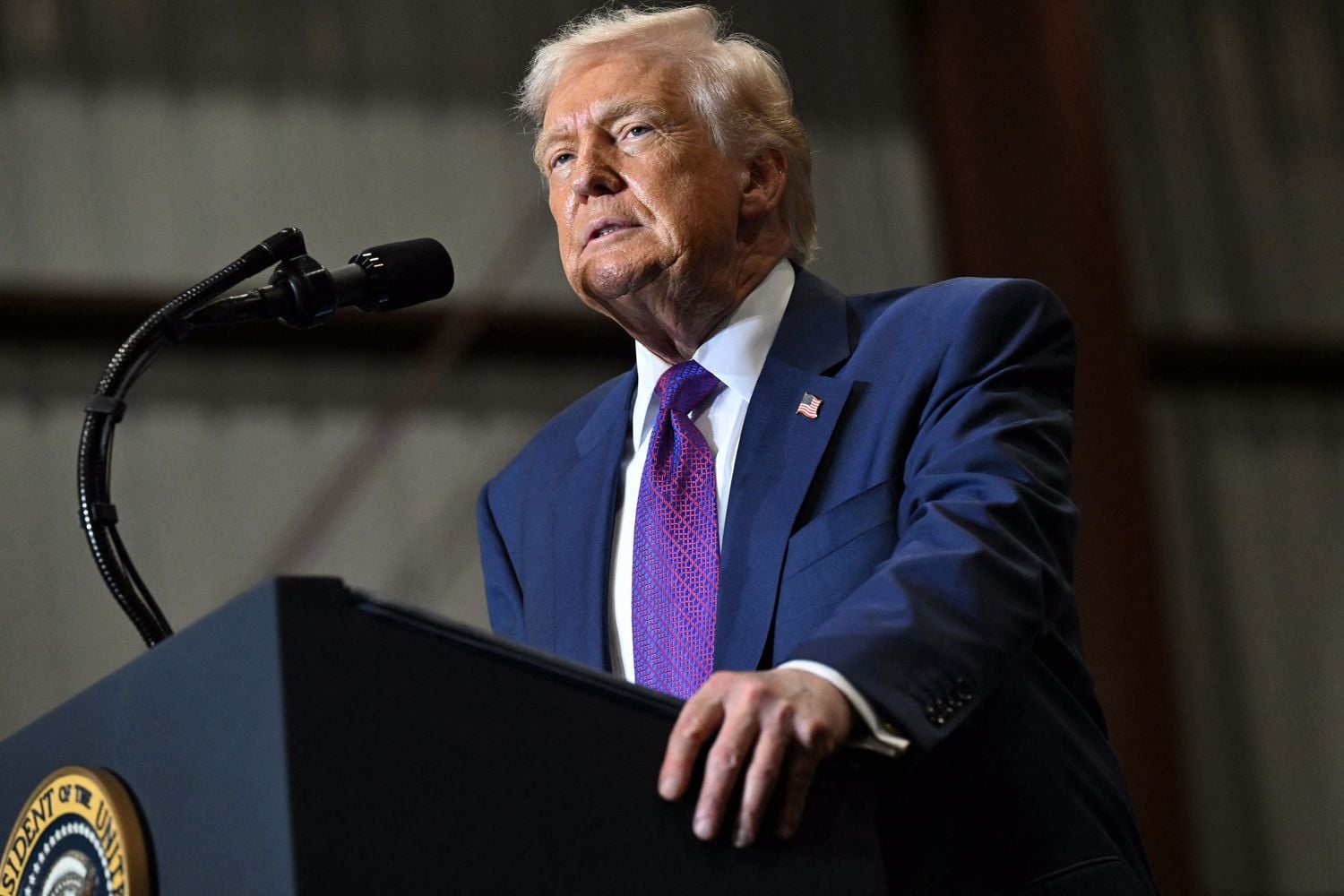
Reports also indicate that Trump made several public and private statements without full consultation with his national security team. Among these were strong warnings directed at Iran, including rhetoric suggesting the potential for severe consequences. Some analysts believe that this unpredictability may have been intended as a negotiation tactic, aiming to create pressure and urgency.
The concept of strategic unpredictability is not new in international relations. Leaders have occasionally used it to gain leverage or unsettle opponents. However, its effectiveness depends heavily on context and execution. When perceived as uncontrolled rather than calculated, such behavior can undermine credibility and increase the risk of miscalculation on all sides.
The Broader Political Context
The reported events cannot be separated from the broader political environment in which they occurred. Domestic pressures, public opinion, and historical comparisons all play a role in shaping leadership behavior. References to past crises, such as the Iranian hostage situation of 1979, reportedly weighed on discussions, adding another layer of psychological and symbolic complexity.
These historical parallels often serve as both cautionary tales and political touchstones. For leaders, they can influence decision-making by highlighting potential risks and outcomes. For the public, they provide a framework for understanding current events, often amplifying concerns or expectations.
Public Reaction and Media Framing
As the reports gained traction, public reaction was swift and divided. Some viewed the claims as evidence of erratic leadership, while others dismissed them as exaggerated or taken out of context. Media coverage played a significant role in shaping these perceptions, with different outlets emphasizing various aspects of the story.
This divergence highlights the broader challenge of information interpretation in the modern media landscape. In an era of rapid news cycles and polarized audiences, the framing of a story can significantly influence how it is understood and discussed. As a result, the same set of events can generate vastly different narratives depending on the perspective presented.
Leadership, Image, and Legacy
At its core, the controversy raises important questions about leadership image and legacy. In times of crisis, leaders are expected to project confidence, stability, and decisiveness. Any deviation from these expectations can have lasting implications, both domestically and internationally.
The idea of self-awarding a military honor touches on deeper issues of humility, recognition, and the values associated with public service. For many, it challenges traditional notions of leadership, prompting debates about what qualities are most important in those who hold power.
What This Means Moving Forward
As tensions between the United States and Iran continue to evolve, the reported events serve as a reminder of the complexities involved in modern leadership. Military strategy, diplomatic communication, and personal conduct are all intertwined, each influencing the other in subtle and significant ways.
The broader implications extend beyond a single moment or statement. They highlight the importance of measured decision-making, effective communication, and respect for established institutions and traditions. In an increasingly interconnected world, the actions and words of leaders resonate far beyond their immediate context, shaping not only current events but also future relationships and perceptions.
Ultimately, this episode underscores the delicate balance required in positions of power. Leadership is not only about making decisions but also about how those decisions are perceived and understood. As the global community watches closely, the lessons drawn from these events may influence how future leaders navigate the challenges of an uncertain and rapidly changing world.