
Table of Contents
- A First Easter Defined by a Plea for Peace
- Easter in Jerusalem Felt Hollow and Restricted
- The Holy Sepulchre Became a Symbol of War’s Reach
- Lebanon’s Christians Marked Easter Under Fire
- War Is Reshaping Christian Life Across the Region
- Leo’s Refusal to Name Countries Was Also a Statement
- The First Easter of a New Papacy Revealed Its Priorities
- Easter This Year Became a Measure of What War Destroys
A First Easter Defined by a Plea for Peace
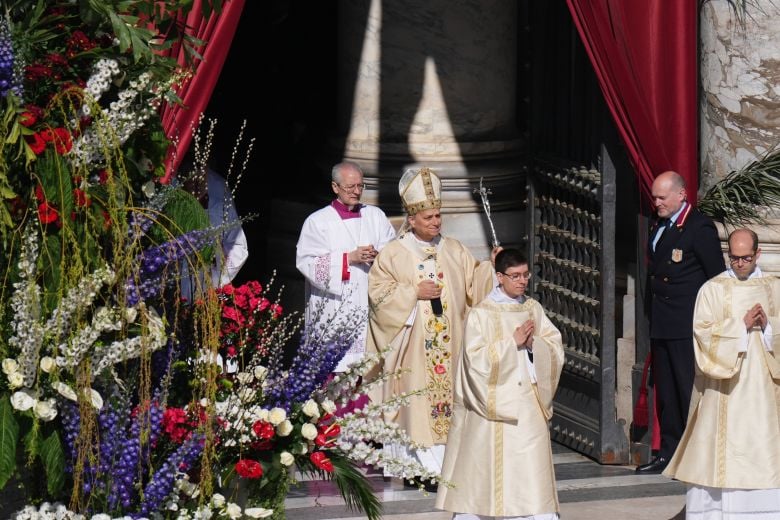
Leo’s Easter message stood out because of both its tone and its timing. Reuters reported that the pope urged world leaders to end wars and renounce conquest, while the Associated Press described his first Easter Mass as a call to put down arms and pursue dialogue rather than domination. His words centered not only on the violence itself but on the moral numbness that prolonged violence can create. He warned that people were growing accustomed to brutality, resigning themselves to it, and becoming indifferent to the suffering of others. That language echoed one of the deepest anxieties of modern conflict: not merely that war destroys lives, but that repeated exposure to war can erode the conscience of those watching from afar.
This was not the first time Leo had addressed the conflict. Reuters and other outlets reported that in the days before Easter, he had directly urged U.S. President Donald Trump to find an “off-ramp” from the war, signaling that his peace language was not vague liturgical sentiment but part of a sustained appeal. The Easter message therefore functioned as both prayer and public intervention. It told the world that the Vatican under Leo does not intend to speak about war in abstract tones alone. It intends to confront the political and human choices that keep it going.
He also announced a prayer vigil for peace at the Vatican on April 11, reinforcing the sense that Easter would not be treated as a one-day statement but as the beginning of a broader spiritual response. In doing so, Leo positioned himself as a pope deeply aware that ritual alone cannot shield believers from geopolitics. The church may pray for peace, but it must also speak into the conditions that make peace seem so distant.
Easter in Jerusalem Felt Hollow and Restricted

If Leo’s message carried weight in Rome, it carried a haunting mirror in Jerusalem. Reporting from AP and the Washington Post showed that Holy Week and Easter in the Old City were defined by quiet streets, closed businesses, heavy security, and severe restrictions on access to sacred sites. Authorities limited entry to the Church of the Holy Sepulchre, the site where Christians commemorate the crucifixion and resurrection of Jesus, citing security risks linked to the ongoing regional war. Worshippers faced checkpoints, closures, and an atmosphere far removed from the crowded devotion that usually defines Easter in Jerusalem.
That absence mattered emotionally as much as logistically. Jerusalem at Easter is not meant to feel empty. It is meant to be overwhelmed with pilgrims, prayer, processions, and commerce tied to the Christian holy season. Instead, the Old City was described as eerily silent, with tourism largely collapsed and many religious routes nearly deserted. The restrictions did not only affect Christians. The broader wartime security regime also disrupted Muslim and Jewish access to major sacred sites, turning what should have been a season of overlapping religious life into one of separation and closure.
The emotional force of those restrictions came through most clearly in the testimonies of ordinary worshippers. AP reported that people who came hoping to pray found themselves blocked, disappointed, and stunned by how little remained of the usual Easter atmosphere. That disconnect between sacred expectation and wartime reality is one of the central truths of this year’s Easter story. It was not only a holy day overshadowed by conflict. In some places, it was a holy day that conflict had almost hollowed out.
The Holy Sepulchre Became a Symbol of War’s Reach
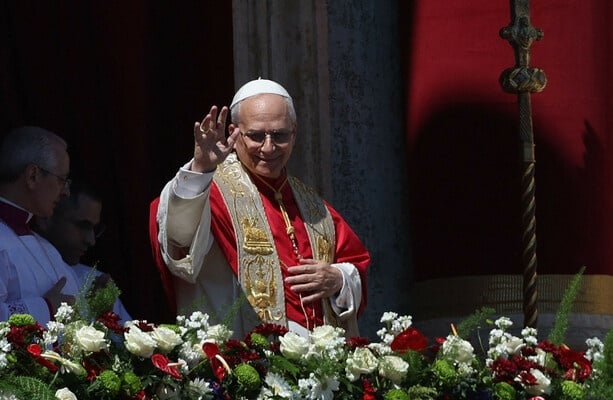
The Church of the Holy Sepulchre has always carried enormous symbolic weight, but this Easter it became something else too: a symbol of how war can distort even the most ancient rituals of faith. AP noted that Cardinal Pierbattista Pizzaballa, the Latin Patriarch of Jerusalem, had previously been prevented by Israeli police from holding mass there on Palm Sunday, an incident that triggered international outrage. In his Easter Vigil homily, he spoke of silence so deep it was broken only by the distant sound of war continuing to sow destruction in a holy and torn land.
That image is difficult to forget. The holiest Christian shrine in Jerusalem, usually alive with pilgrims and liturgical intensity, instead framed by shut doors, security controls, and the sound of distant violence. The war did not need to physically strike the church to change its meaning. By restricting access and draining the surrounding city of its normal life, it altered how Easter itself could be experienced. The result was not merely a smaller celebration. It was a spiritually disoriented one.
Lebanon’s Christians Marked Easter Under Fire

If Jerusalem reflected restriction, southern Lebanon reflected direct danger. Reuters and AP both reported heavy Israeli airstrikes in Lebanon during Easter weekend, with casualties mounting and Christian communities in the south facing bombardment, displacement, and isolation. In the village of Debel near the Israeli border, people marked Easter against the sound of shelling and gunfire, largely cut off and dependent on aid deliveries. Residents described conditions as tragic, saying they had not slept because the bombardment continued through the night.
This is where Leo’s Easter plea for peace becomes more than rhetoric. For Christians in southern Lebanon, Easter was not merely celebrated under the shadow of conflict. It was celebrated within it. AP reported that many Christians have been displaced from ancestral villages and forced to observe Easter away from their homes and churches, while Reuters described one of the deadliest days in Lebanon since the current phase of fighting began. The contrast could hardly be sharper. In Rome, Easter brought appeals for peace. In Lebanon, it brought explosions, fear, and families trying to keep the feast alive in the middle of active war.
For those who stayed behind, the language of faith took on a stripped-down intensity. Reports quoted local figures saying that trust in God remained the only glimmer of hope they could cling to. That is a familiar kind of wartime testimony, but it becomes newly poignant at Easter, a feast built on the promise that death and despair do not have the last word. In southern Lebanon, that promise was not celebrated triumphantly. It was held onto as a necessity.
War Is Reshaping Christian Life Across the Region
The disruption was not confined to Jerusalem and Lebanon. AP reported that in Dubai, masses were canceled until further notice as a security precaution, and in Damascus, Catholic authorities restricted Easter celebrations to mass only after violence in central Syria. In Tehran, Armenian Christians still gathered for Easter despite ongoing airstrikes, trying to preserve a sense of normalcy amid deep instability. These details matter because they show the breadth of the war’s spiritual fallout. The conflict is not only a military or diplomatic crisis. It is a crisis that has entered churches, processions, schedules, holy spaces, and communal memory.
This is one of the most important realities beneath Leo’s Easter message. When he spoke of a world ravaged by wars and marked by hatred and indifference, he was not speaking only of abstract geopolitics. He was speaking into a moment when Christian communities across the Middle East were experiencing the holy day in fragmented, defensive, or diminished ways. Easter celebrations were canceled, curtailed, restricted, or relocated. That kind of disruption changes more than one calendar year. It shapes how communities remember themselves under pressure.
Leo’s Refusal to Name Countries Was Also a Statement

One of the more interesting aspects of Leo’s Easter address was his choice not to explicitly name specific conflict zones. AP noted that this marked a break from the pattern followed by some predecessors. At first glance, that might seem like an act of caution or even retreat. But in context, it also gave the message a different kind of force. By refusing to catalogue crises one by one, Leo shifted the focus to the moral structure of war itself: conquest, domination, hatred, indifference, and the deadening of conscience.
That approach has strengths and risks. The strength is that it speaks universally, refusing to let the audience imagine that war’s corruption belongs only to one region. The risk is that it may feel too indirect to those desperate for stronger naming and condemnation. But because Leo had already specifically addressed the Iran war in other appearances, the Easter omission did not read as silence. It read more like liturgical strategy, an attempt to make the day’s moral claim broader than any single battlefield while still leaving no doubt about the crisis in view.
The First Easter of a New Papacy Revealed Its Priorities
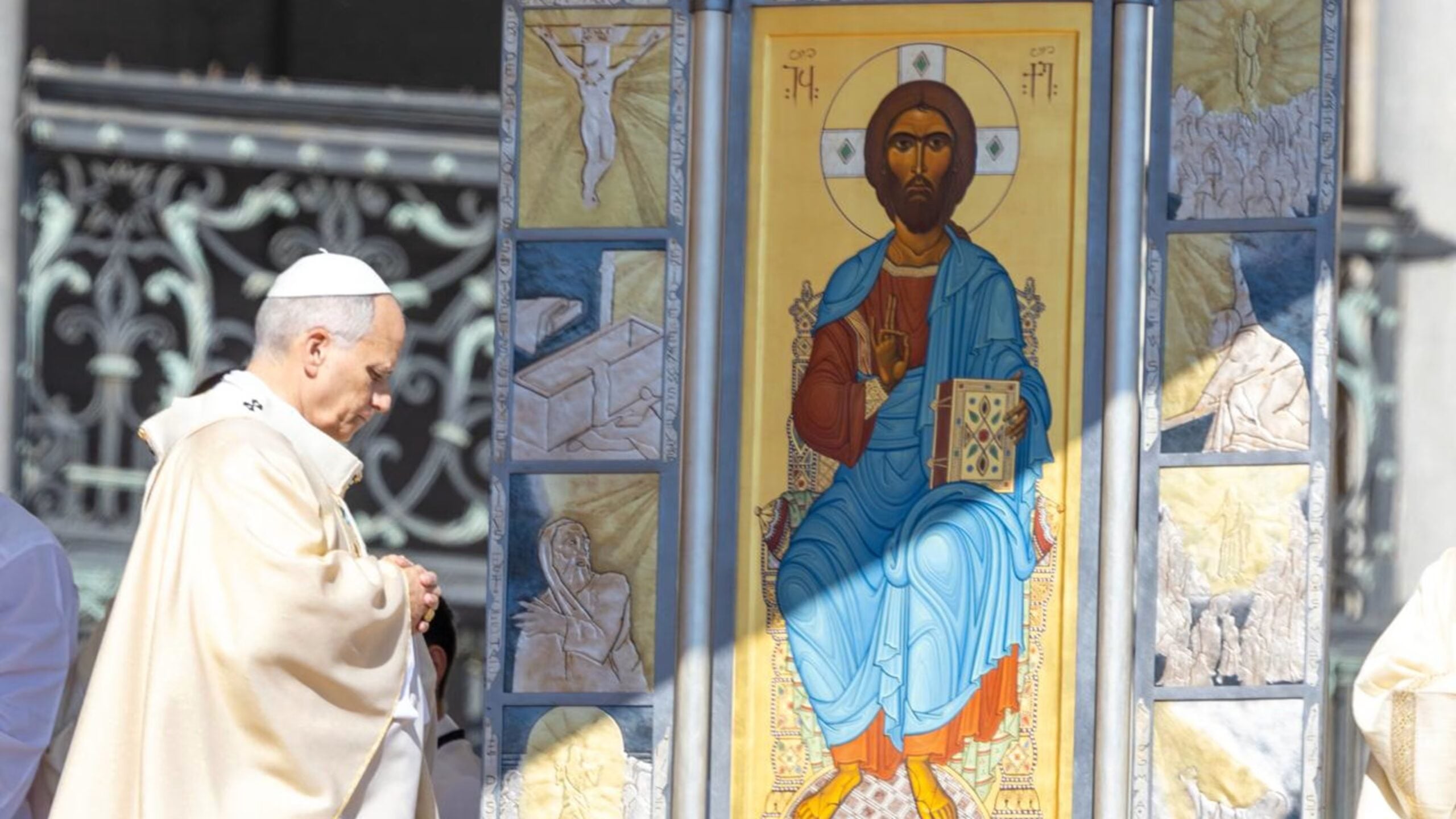
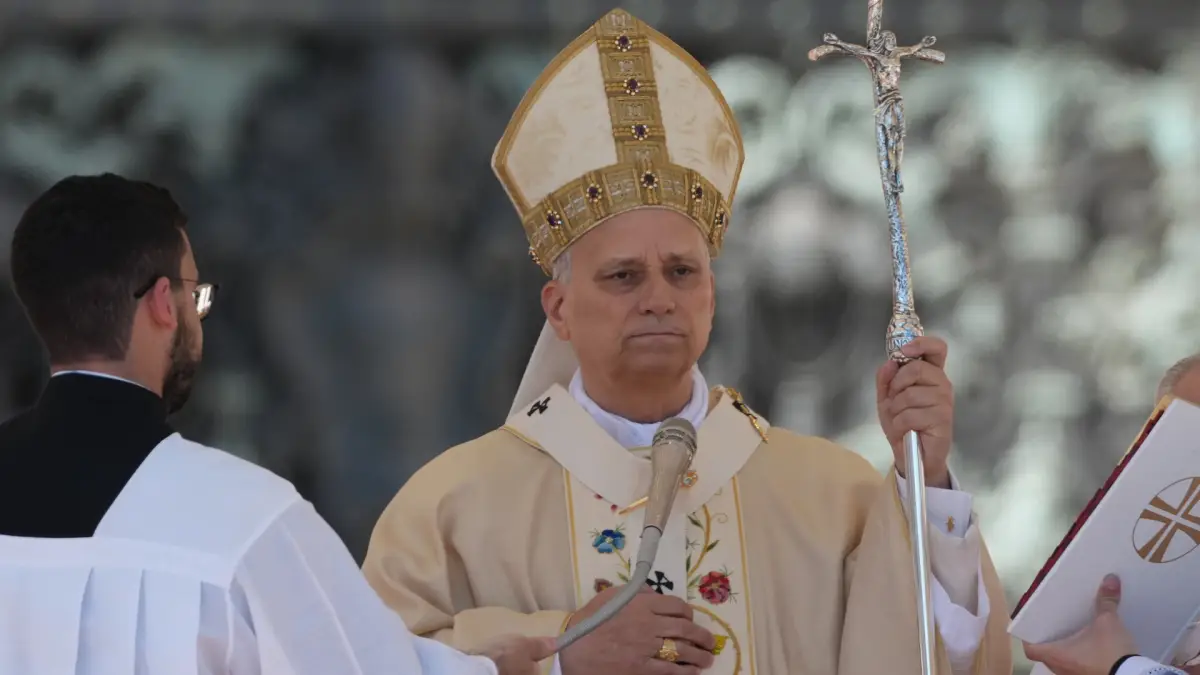
First Easter messages often help define a pope’s public image. In Leo’s case, that image is beginning to take shape around peace, seriousness, and a willingness to reassert some tradition while using it to confront current crises. AP noted that he revived some Vatican customs set aside under Francis, while Reuters described his address as a commanding message of peace to a world at war. He appears determined to combine liturgical gravity with moral intervention, a style that may come to define his papacy if current patterns continue.
That makes this Easter especially significant. It was not only the first Easter of Pope Leo XIV. It was also the first major global liturgical moment in which the world could see how he intends to speak when war dominates the horizon. His answer, at least so far, is not diplomatic neutrality in the shallow sense. It is a repeated insistence that power must step back from violence and return to dialogue. Whether that message changes events on the ground is another matter. But as an opening signal of papal priorities, it was unmistakable.
Easter This Year Became a Measure of What War Destroys
The deeper emotional truth of this story is that Easter itself became a measuring instrument. It revealed what war destroys not only in lives and buildings, but in ordinary patterns of worship, pilgrimage, family gathering, and sacred continuity. Streets that should have been full were empty. Churches that should have been open were restricted. Villages that should have been celebrating were listening to shelling. Even where services went ahead, they did so under fear or constraint.
This is why Leo’s phrase “choose peace” resonated so strongly. It did not arrive in a vacuum. It arrived at a moment when the cost of choosing otherwise was visible everywhere. The damage was not hypothetical. It could be seen in shuttered shops, blocked entryways, displaced villagers, canceled masses, and faithful trying to preserve ritual amid bombardment. The pope’s appeal worked because the world he was addressing had already supplied the evidence for it.
In the end, Pope Leo XIV’s first Easter blessing will likely be remembered less for pageantry than for its timing and moral clarity. He inherited the holiest day in the Christian calendar under some of the worst possible conditions: a widening regional war, disrupted worship across the Middle East, and a global audience already numbed by repeated violence. His answer was not grand geopolitical analysis. It was a simple, difficult command directed at those who still have choices left to make. Choose peace. That phrase sounds modest until set against the scenes that defined Easter this year: silent alleys in Jerusalem, Christians under bombardment in Lebanon, canceled masses elsewhere in the region, and a Vatican trying to hold open a moral space against indifference. Under those conditions, the message did not feel small at all. It felt like the only thing worth saying.