
Table of Contents
- Oklahoma Puppy Mill Bust: 405 Dogs Rescued, Uncovering Dire Conditions
- The Surge of Neglect: 405 Dogs in Just Seven Months
- The Community’s Plea and Delayed Action
- Gaps in Oklahoma’s Regulatory System Exposed
- The Challenges of Animal Welfare Advocacy and Shelter Overload
- Legal and Systemic Failures: A State of Inaction
- The Emotional and Physical Toll on the Rescued Dogs
- The Ripple Effect on Animal Welfare Systems
- Advocacy, Reform, and the Need for Public Awareness
- Solutions and Strategies for Reform
Oklahoma Puppy Mill Bust: 405 Dogs Rescued, Uncovering Dire Conditions
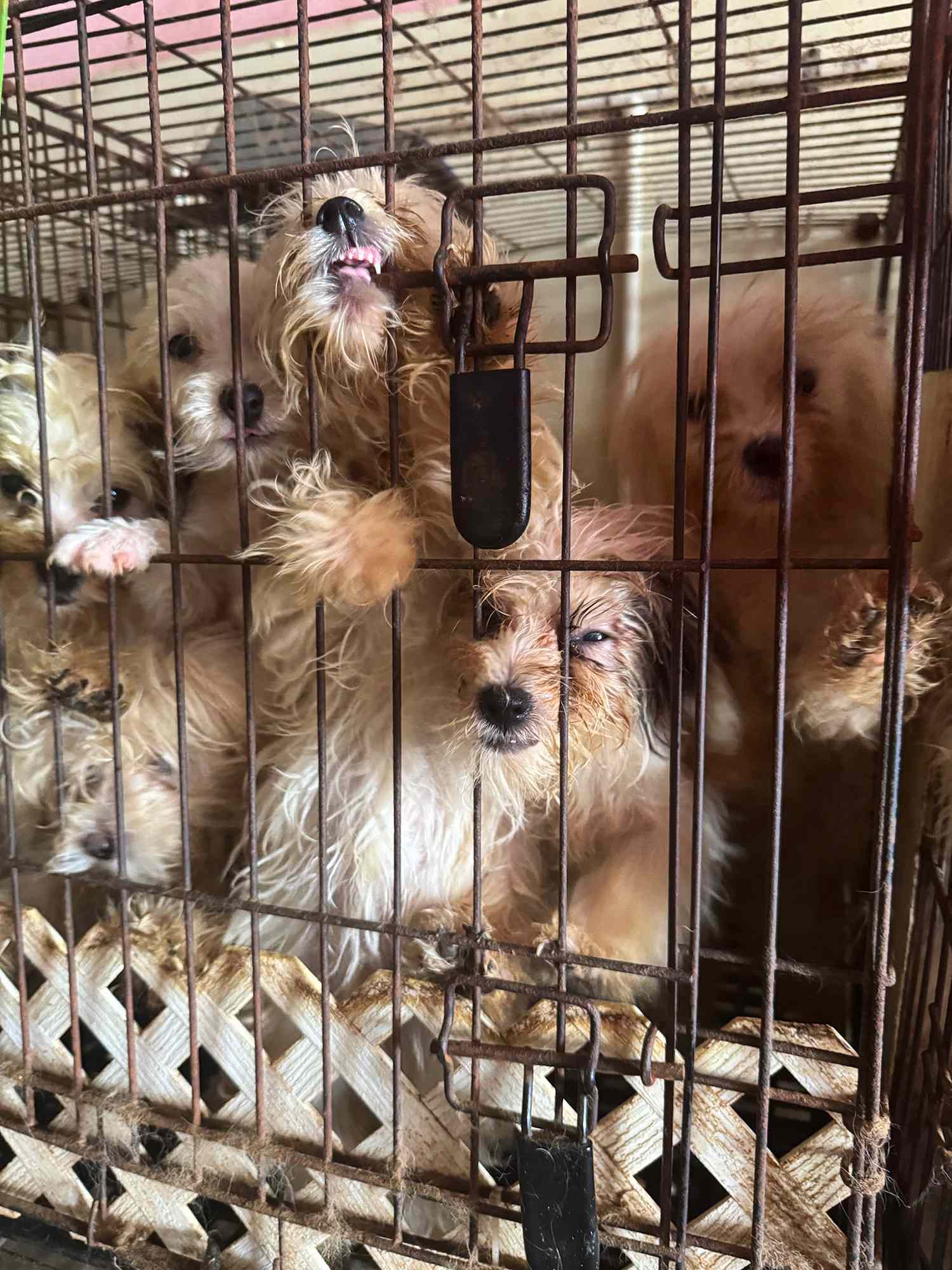
In mid-July 2025, a large-scale rescue operation in Stroud, Oklahoma shocked the public when law enforcement and animal welfare groups rescued 405 dogs from a puppy mill. The facility, operating under an expired state license, had been the subject of numerous complaints but had remained undetected until authorities intervened. The dogs found in the facility were living in appalling conditions—crammed into filthy, overcrowded cages with untreated medical conditions, unsanitary environments, and overpowering ammonia odors. This rescue has sparked wider concerns about the treatment of animals in commercial breeding operations and the oversight—or lack thereof—that allows such cruelty to persist.
The Surge of Neglect: 405 Dogs in Just Seven Months
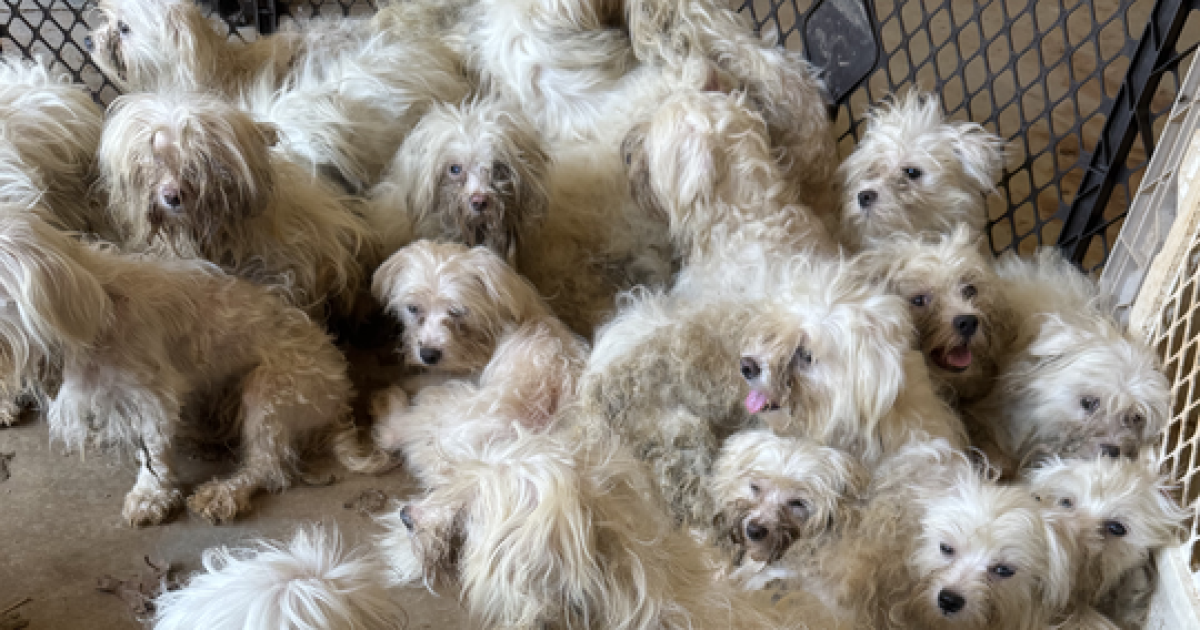
The Add Love Pets facility had undergone a routine inspection in December 2024, reporting 100 dogs. By July 2025, that number had skyrocketed to 405. The sudden surge points to uncontrolled breeding and neglect, as the facility’s operators failed to manage the growing number of dogs, ultimately resulting in the inhumane conditions that were uncovered during the rescue. The disturbing disparity between the December 2024 inspection and the July bust raises serious questions about the effectiveness of the inspection system and the regulatory framework that allowed this expansion of suffering.
The Community’s Plea and Delayed Action
The situation in Stroud highlights a widespread issue in the United States, where pet breeding operations often go unregulated or unnoticed until the suffering becomes too extreme to ignore. Despite community members alerting authorities to the facility’s poor conditions for months, the response from regulatory agencies was sluggish. It was only when the situation reached a crisis point that action was finally taken. For the animals, this delay meant unnecessary pain, while shelters and rescue organizations were left scrambling to manage the influx of dogs, many of whom needed immediate medical attention.
Gaps in Oklahoma’s Regulatory System Exposed
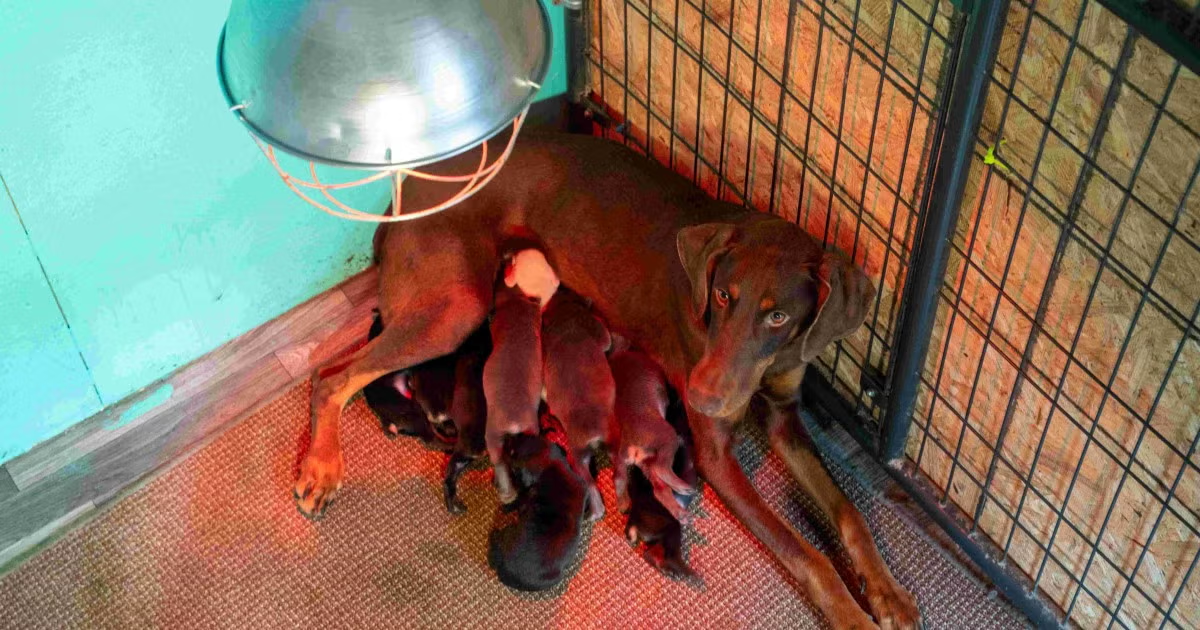
One of the most glaring aspects of the Stroud case is how it exposes gaps in Oklahoma’s regulatory framework for commercial breeders. Despite the facility’s license expiring in June 2025, it continued to operate without consequences. Inspections, when they occurred, were often scheduled in advance, which undermined their effectiveness in uncovering hidden neglect. The discrepancy between the reported 100 dogs in December 2024 and the 405 dogs in July suggests that the situation deteriorated rapidly, yet regulatory authorities were unable—or unwilling—to intervene sooner. This highlights the need for a more proactive and transparent regulatory system to prevent such abuses from going unchecked.
The Challenges of Animal Welfare Advocacy and Shelter Overload
Animal welfare organizations face significant challenges in handling large-scale rescue operations like the one in Stroud. In addition to the physical toll on the animals, rescue teams must contend with the logistical nightmare of finding space, funding, and resources to care for hundreds of traumatized dogs. In Stroud, rescue groups worked tirelessly to assess the dogs’ medical needs, provide grooming, and begin rehabilitation, but the strain on resources is immense. The scale of the rescue also draws attention to the need for stronger prevention measures, as shelters often face overwhelming numbers of neglected animals without the resources to meet the demand.
Legal and Systemic Failures: A State of Inaction
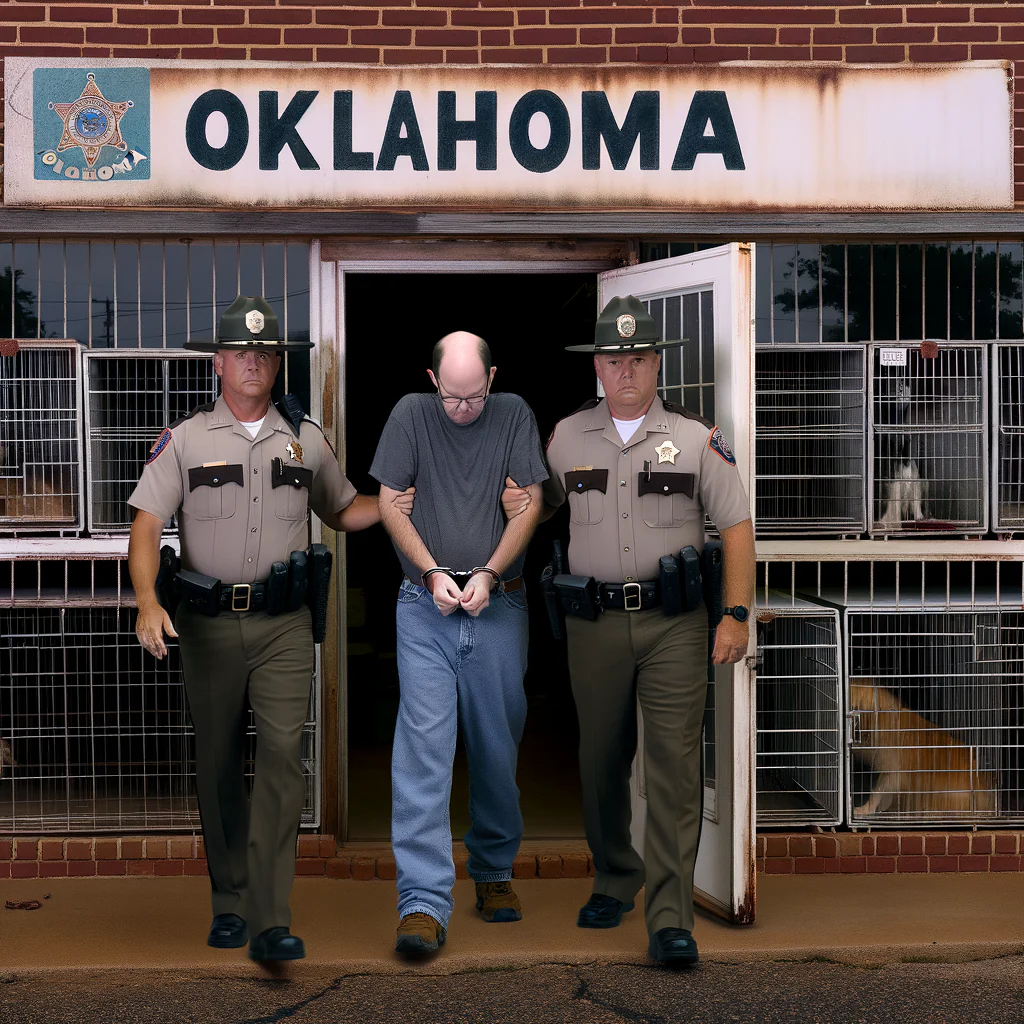
The Stroud case serves as a stark reminder that the state’s legal framework is inadequate when it comes to preventing puppy mills and ensuring humane conditions for animals in commercial breeding operations. The facility’s ability to operate with an expired license for over a month points to a lack of enforcement and accountability. Advocates argue that the system is reactive, with enforcement actions only taking place when public complaints or rescue operations force the issue into the spotlight. This reactive approach leaves room for businesses to exploit regulatory loopholes, continuing to profit from exploitation while animals suffer in silence.
The Emotional and Physical Toll on the Rescued Dogs
The conditions the 405 dogs faced in Stroud left deep physical and emotional scars. Many of the dogs were found suffering from malnutrition, untreated infections, and parasite infestations. These animals will require long-term veterinary care, and their psychological recovery may take years. Dogs from puppy mills often suffer from severe anxiety, fear of humans, and difficulty adapting to life outside their cages. The road to recovery is long and costly, and while some of the rescued animals may eventually find loving homes, others may never fully recover from the trauma they endured.
The Ripple Effect on Animal Welfare Systems
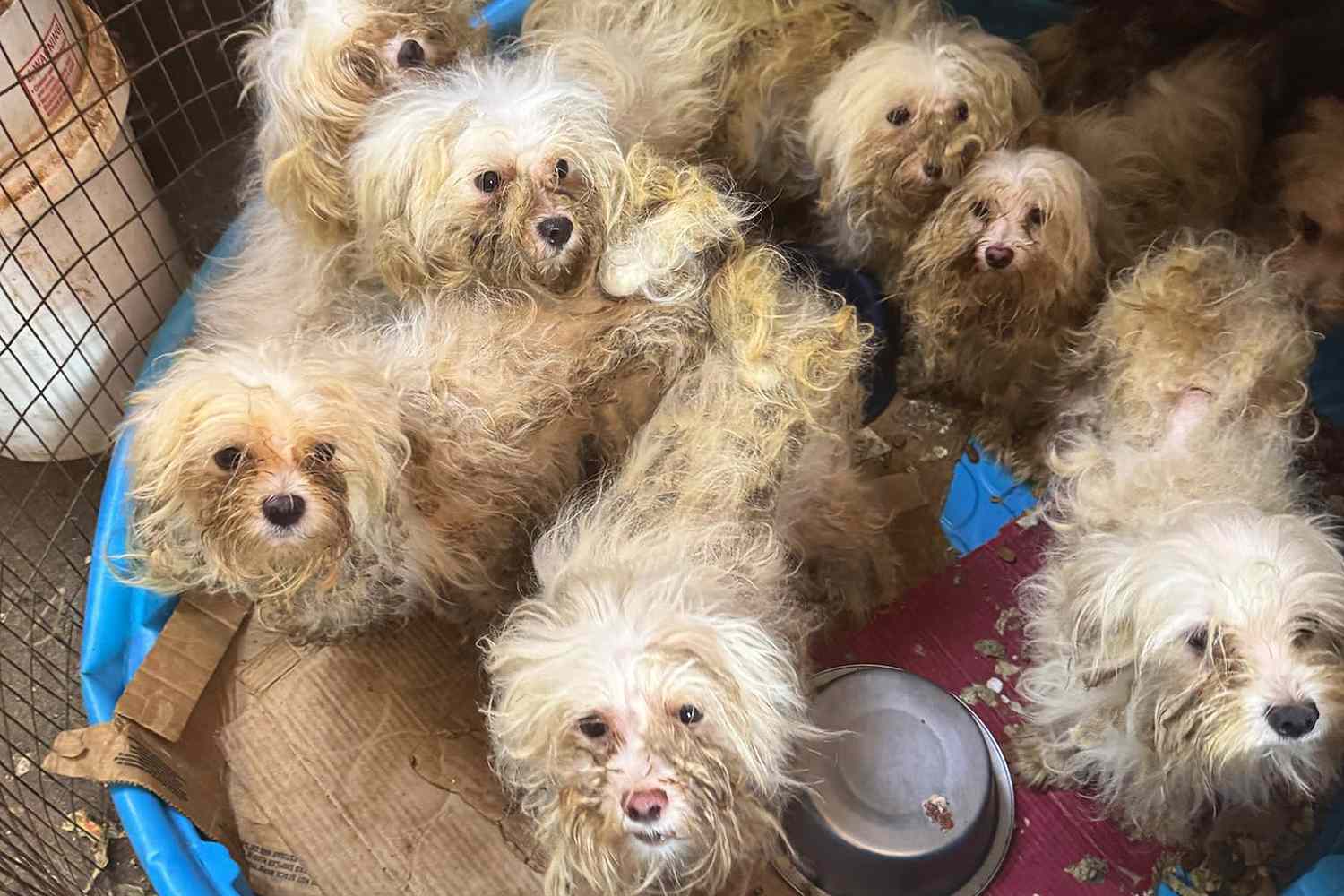
The Stroud rescue also brings attention to the broader impact of puppy mills on animal welfare systems. Shelters that already struggle with limited resources were forced to absorb hundreds of additional animals in desperate need of care. This influx often results in longer waiting times for other animals in need, who may receive less attention or face extended stays before finding adoptive homes. Rescue organizations, already stretched thin, must divert resources away from ongoing care and towards emergency rescues, exacerbating the challenges faced by shelters across the country.
Advocacy, Reform, and the Need for Public Awareness
Experts in animal welfare have long argued for stronger laws, better enforcement, and more transparent inspection processes to curb the spread of puppy mills. Advocates for reform stress the importance of consumer awareness, urging people to adopt rather than purchase from breeders who may operate under questionable conditions. The Stroud case has highlighted the need for greater accountability in the pet industry, with calls for stronger consumer protections, such as mandatory breeder transparency and more robust state-level enforcement. Without these reforms, puppy mills will continue to flourish unchecked, with countless animals suffering as a result.
Solutions and Strategies for Reform

The rescue of 405 dogs in Stroud should serve as a wake-up call for lawmakers, breeders, and consumers alike. The solution lies not only in reacting to crises but in taking proactive steps to prevent them. Strengthening laws, implementing unannounced inspections, and improving breeder accountability are critical to stopping puppy mills before they can cause widespread harm. At the same time, public education campaigns can help consumers make more informed decisions when purchasing pets. If we want to stop the suffering of animals in puppy mills, it will require a concerted effort from both the public and lawmakers to reform the system and hold bad actors accountable.