
Table of Contents
- A Mysterious Relic or Medieval Art?
- The Shroud’s Journey: From Reverence to Skepticism
- A Breakthrough Digital Analysis by Cicero Moraes
- The Method Behind Moraes’ Study: A Digital Revolution
- Low-Relief Sculpture: A Medieval Technique
- The “Agamemnon Mask Effect” and Its Implications
- Could Medieval Artists Have Created the Shroud?
- The Shroud’s Radiocarbon Dating: A Medieval Creation?
- Shifting the Narrative: From Divine Relic to Artistic Masterpiece
- The Enduring Mystery of the Shroud of Turin
A Mysterious Relic or Medieval Art?
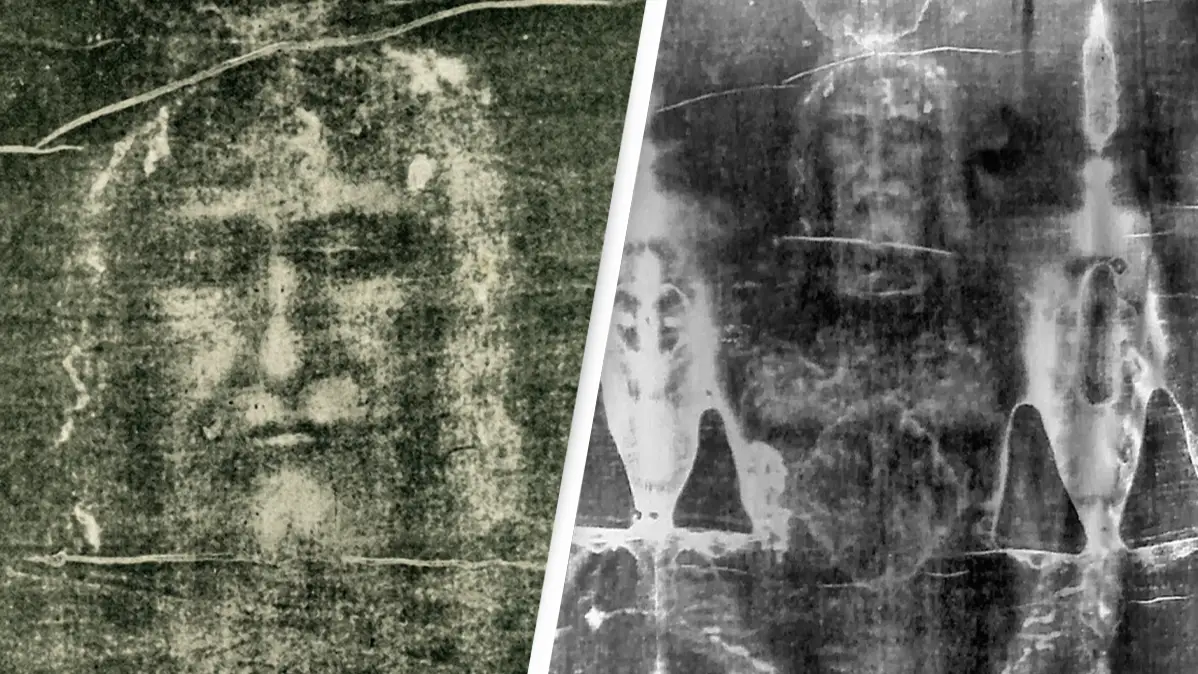
For centuries, the Shroud of Turin has sparked intense debates and religious fervor. Revered by millions as the burial cloth of Jesus Christ, it carries with it both awe and skepticism. The image of a crucified man, imprinted on the linen, closely mirrors biblical descriptions of Jesus’ death. For many, it is a holy relic, while for others, it is a subject of deep controversy. A recent digital study, however, has thrown a wrench into this age-old debate, suggesting that the Shroud may not be a divine imprint, but rather a piece of medieval artistry.
The Shroud’s Journey: From Reverence to Skepticism
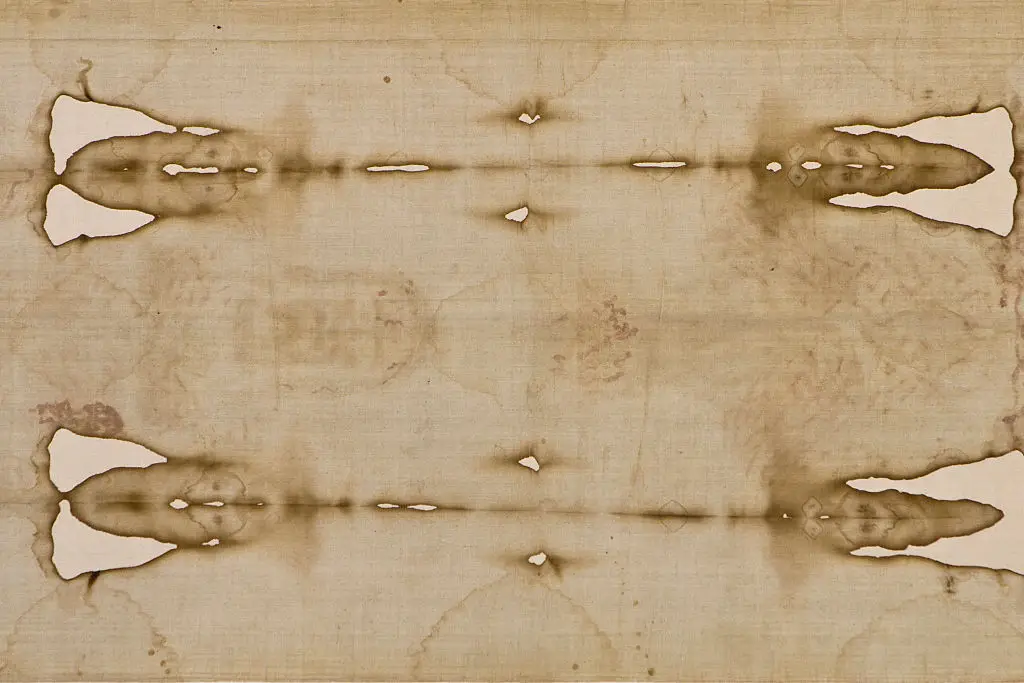
The Shroud first emerged in the public eye in 1353 when it was displayed in France, though some argue its origins may go back much further. For centuries, believers have held firm in the idea that it is the cloth that covered Jesus’ body after his crucifixion. Its detailed portrayal of wounds on the wrists, feet, and side mirrors the biblical account of Jesus’ suffering. However, the authenticity of the Shroud has always been questioned. In 1989, radiocarbon dating suggested that the Shroud was made between 1260 and 1390 AD, sparking debates and doubts regarding its true origins.
A Breakthrough Digital Analysis by Cicero Moraes
In 2025, Brazilian 3D designer Cicero Moraes launched a digital investigation that could change everything. Known for his work on facial reconstructions, Moraes applied cutting-edge 3D modeling techniques to analyze the Shroud’s image. His findings suggest that the imprint on the linen cloth may not have been created by direct contact with a human body. Instead, Moraes proposes that the image could have been formed from a low-relief sculpture, a technique commonly used in medieval art. This hypothesis offers a new, non-divine explanation for the Shroud’s image.
The Method Behind Moraes’ Study: A Digital Revolution
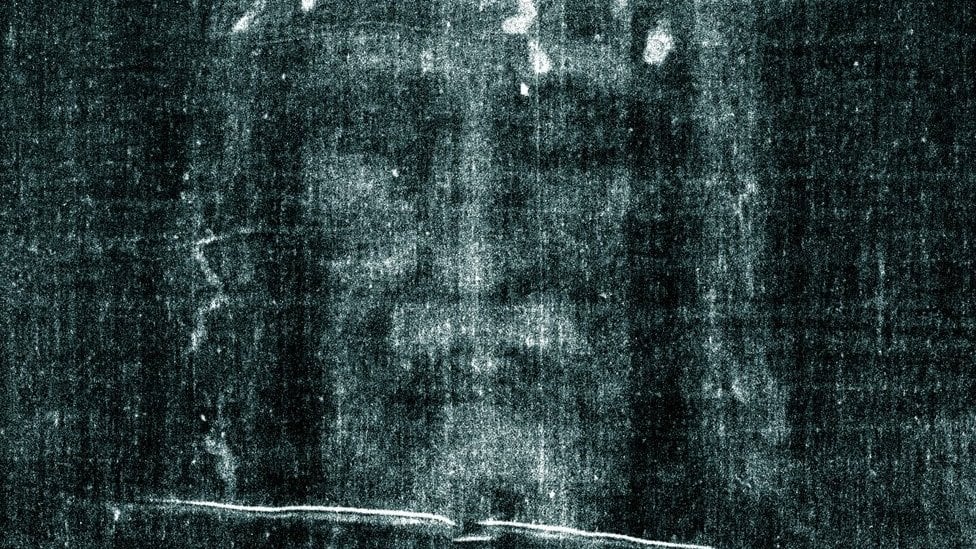
Moraes’ digital modeling technique involved comparing two types of surfaces: a full three-dimensional human body and a low-relief sculpture. Using parametric modeling and fabric dynamics simulation software, he virtually draped fabric over both models to see how the fabric would behave. Moraes then compared these simulations with the Shroud’s actual image. The results were striking: fabric placed on a 3D model produced distorted, swollen images, which Moraes linked to the “Agamemnon Mask effect,” a phenomenon seen when fabric drapes over a 3D object, distorting the imprint.
Low-Relief Sculpture: A Medieval Technique
In contrast, the fabric draped over a low-relief sculpture—an artistic technique common in the 13th and 14th centuries—produced an imprint remarkably similar to the Shroud’s image. A low-relief sculpture, where figures are raised only slightly from the background, would leave a smooth and consistent impression when fabric was applied. This method aligns well with the artistic practices of medieval Europe, where such sculptures were used to represent religious figures. Moraes believes this could explain how the Shroud’s image was created, pointing to the possibility that it was a deliberate artistic creation rather than an accidental imprint from a human body.
The “Agamemnon Mask Effect” and Its Implications
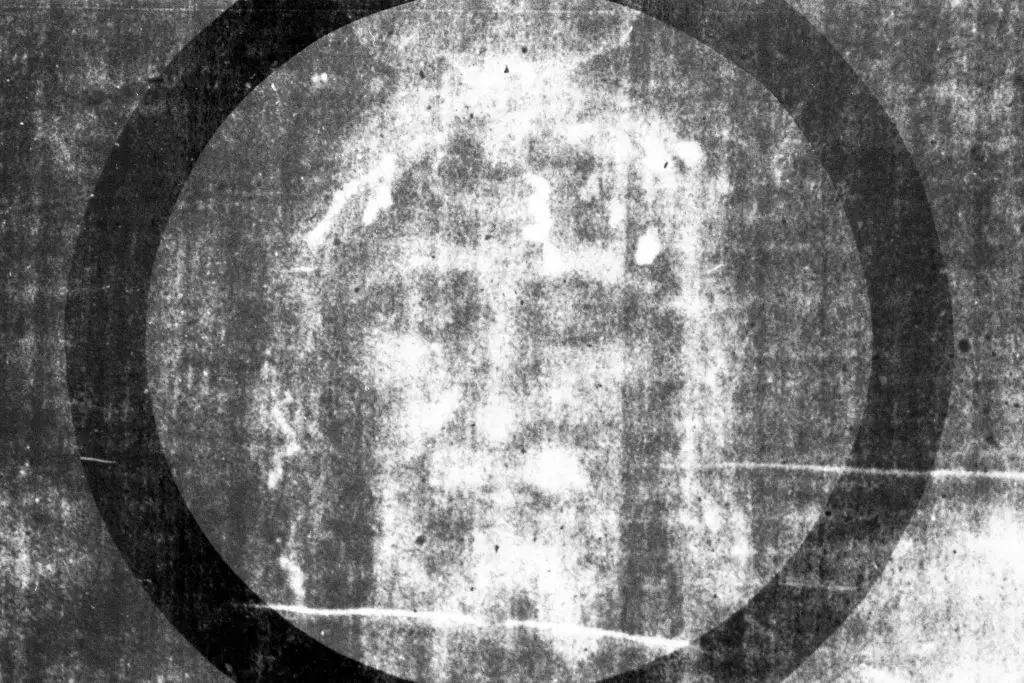
The “Agamemnon Mask effect” is central to Moraes’ analysis. When fabric is draped over a 3D object, it distorts the image, creating unnatural shapes. Moraes demonstrated this by pressing a painted paper towel against his face, which resulted in a distorted version of his features. This effect helps explain why the Shroud’s image, if it were created from a 3D body, would appear stretched and unnatural. However, Moraes’ study shows that fabric placed on a low-relief sculpture produced a far more accurate and clear imprint, consistent with the Shroud’s actual appearance.
Could Medieval Artists Have Created the Shroud?
Moraes’ findings suggest that the Shroud’s image may not have been the result of divine intervention or a miraculous imprint but rather a sophisticated piece of medieval artwork. During the medieval period, religious art was deeply symbolic, and artists used various techniques to convey profound messages. A low-relief sculpture could have been intentionally crafted to create a symbolic imprint on fabric, with heat or pigment applied to the raised areas to leave the marks seen on the Shroud. This theory ties the Shroud to the artistic practices of the time, rather than positioning it as an ancient relic.
The Shroud’s Radiocarbon Dating: A Medieval Creation?
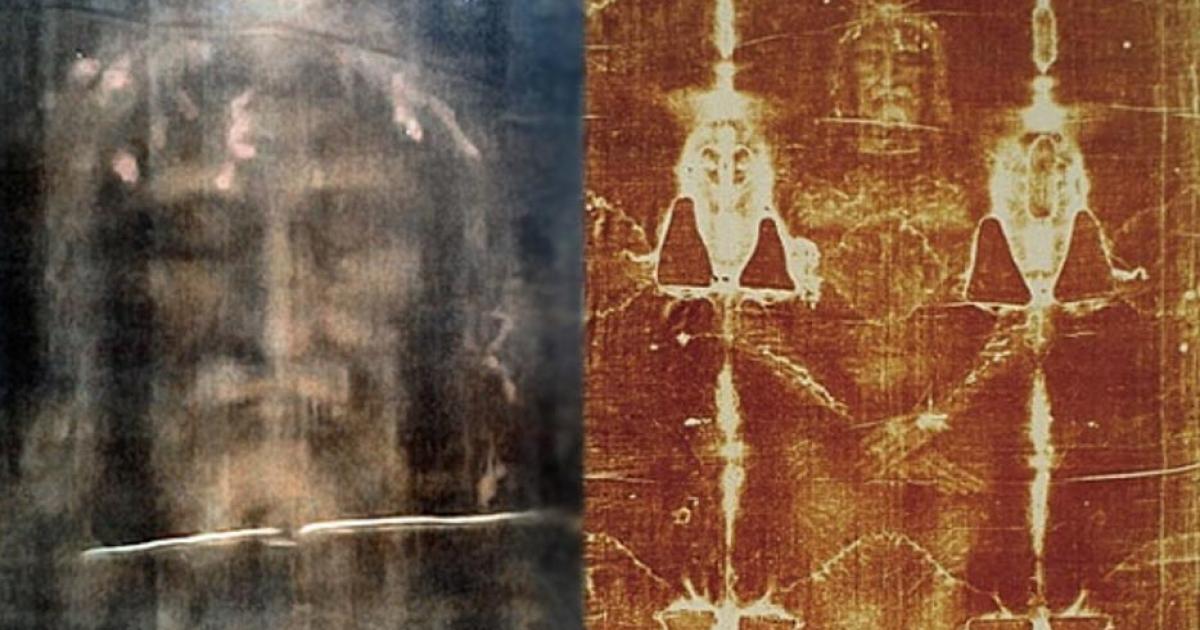
The results of Moraes’ study add weight to the conclusions drawn from radiocarbon dating in 1989, which placed the Shroud’s creation firmly in the medieval period. While some experts have disputed the dating, citing potential contamination from repairs, the findings still serve as a compelling argument for the Shroud’s medieval origins. If the Shroud was indeed created by artists of the time, it would have been a product of its era, designed to resonate with the religious and cultural climate of the period.
Shifting the Narrative: From Divine Relic to Artistic Masterpiece
Moraes’ study does not diminish the Shroud’s spiritual significance but reframes its origin story. Rather than viewing the Shroud as an ancient and miraculous artifact, this new perspective suggests that it may have been a piece of medieval Christian art, created to honor the memory of Christ’s death and resurrection. The idea that the Shroud is a work of art challenges the longstanding belief in its divine origins, opening up new discussions about the intersection of faith, art, and history.
The Enduring Mystery of the Shroud of Turin
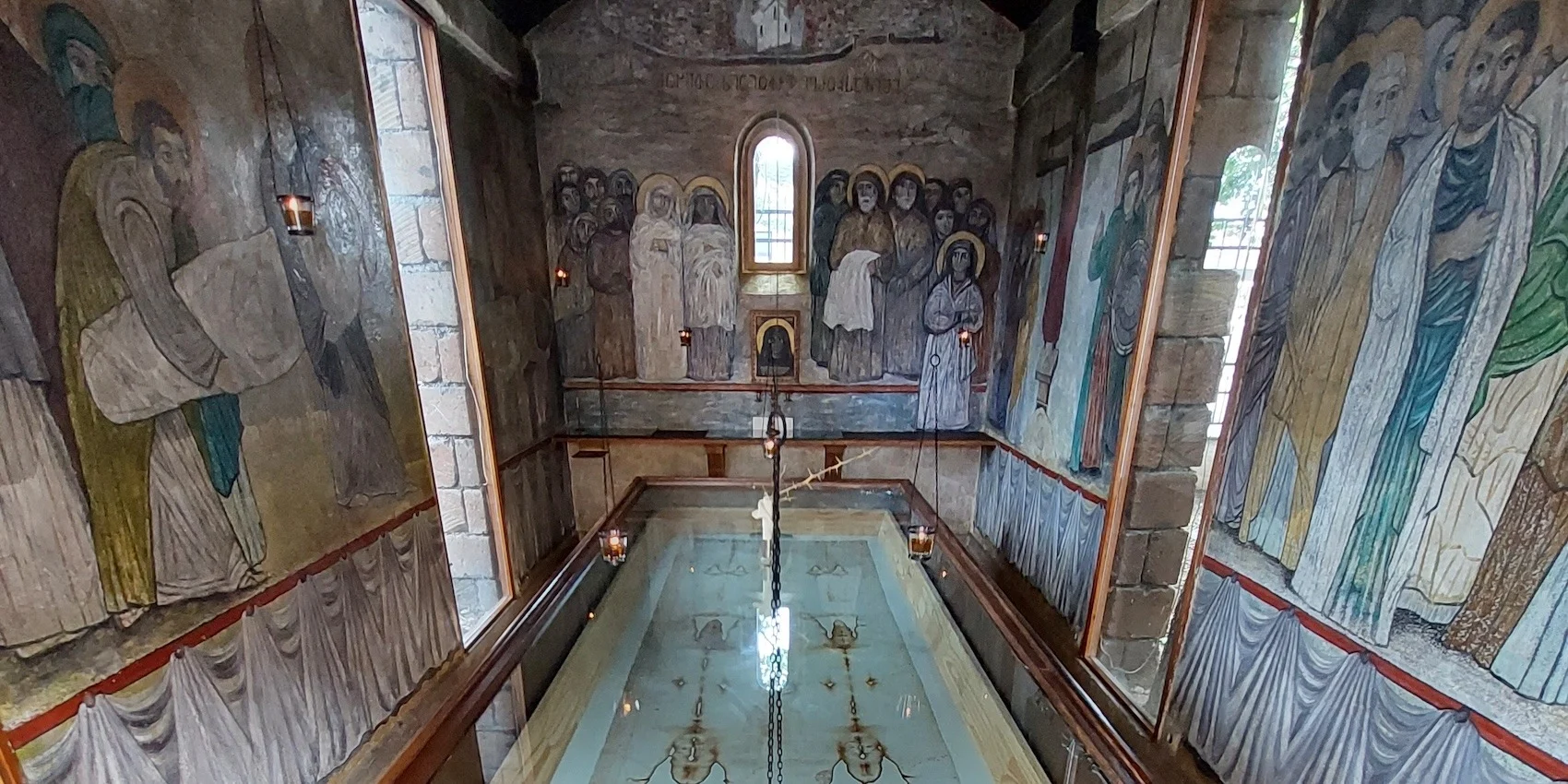
The Shroud of Turin remains one of history’s greatest mysteries. While Moraes’ study offers a new lens through which to view the object, many questions remain unanswered. How did the image come to be? What techniques did medieval artists use to create such an impressive artifact? As technology advances and new research continues, the Shroud’s place in history, both religious and artistic, remains as enigmatic as ever. Whether viewed as a miraculous relic or a medieval masterpiece, the Shroud of Turin will continue to captivate and intrigue for generations to come.