
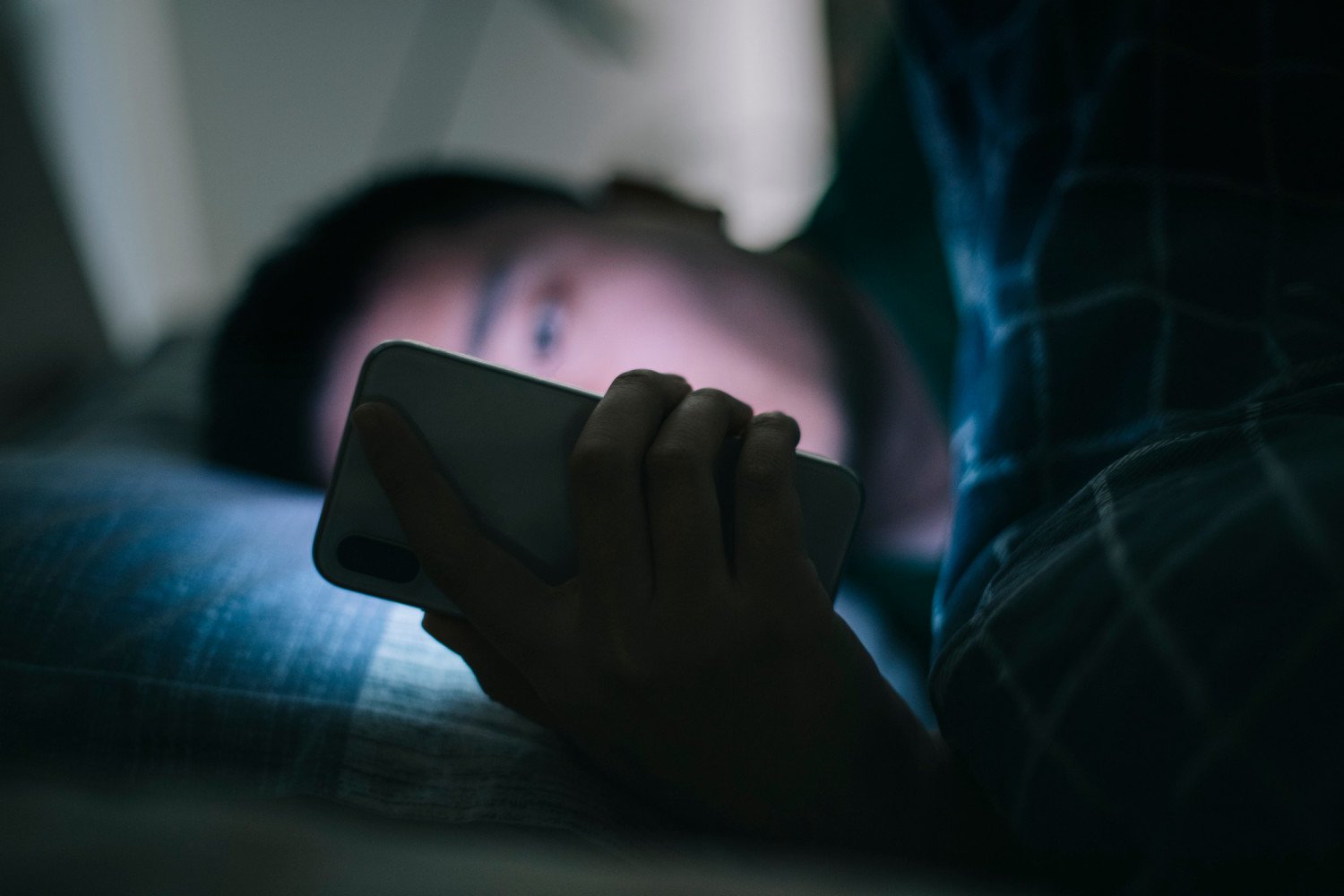
When reports surfaced that giving up a phone for just three days could measurably change the brain, the idea landed with the force of a dare. Not a dramatic, mountaintop “delete every app and move to the woods” kind of challenge—just 72 hours of restrictions. Three days. A long weekend. The kind of time span most people can imagine, even if they don’t want to. And that’s exactly why the claim spread so quickly: it suggests that our relationship with smartphones is not only psychological or cultural, but biological—wired into the brain in ways we can detect with modern imaging.
The study behind the headlines came from researchers in Germany, including teams affiliated with Heidelberg University and the University of Cologne, and it examined what happens when young adults sharply reduce smartphone use for 72 hours. Participants were not forced into total isolation; they were allowed essential communication and work-related tasks. But the casual, habitual, reflexive usage—the endless checking, scrolling, and “just one more minute”—was restricted. Afterward, researchers used brain imaging and cue-based tests to see how the brain responded, and they reported measurable changes in activity in regions tied to reward processing, salience, and inhibition.
The most unsettling part isn’t that the brain changes. The unsettling part is how quickly it seems to respond—like the mind is constantly recalibrating around the device, and when the device is pulled away, the brain doesn’t simply relax. It adapts.
Table of Contents
- The 72-hour experiment that made people stop laughing at “phone addiction”
- Why three days can matter more than you’d expect
- What “changed brain activity” actually means (and what it doesn’t)
- The most interesting twist: the phone may become more powerful when you try to stop
- Why researchers look at reward, salience, and inhibition together
- What this does—and doesn’t—prove about “phone addiction”
- Why this matters for everyday people, not just lab participants
- A realistic “72-hour” mindset without turning life into a detox cult
- The bigger question: what happens if this becomes mainstream?
- The quiet conclusion the study points toward
The 72-hour experiment that made people stop laughing at “phone addiction”
The study described in coverage involved young adults (18–30) who agreed to a short, structured restriction period. According to NDTV’s summary, participants were asked to limit phone use for 72 hours, keeping it to necessary communication and practical tasks. That setup matters, because it mirrors real life: most people can’t completely abandon their phones, but many could reduce “nonessential” use if they had a clear boundary and a reason.
Before and after the restriction, researchers assessed participants using neuroimaging and a “cue reactivity” approach—basically measuring how the brain responds when it’s shown stimuli related to phone use. Cue-reactivity paradigms are widely used in addiction research because cues can trigger craving and automatic attention long before a person makes a conscious decision. In this case, the cues were tied to smartphone-related imagery or triggers. The paper reporting these results in Computers in Human Behavior describes modulation of neural activity after 72 hours of smartphone restriction in regions associated with salience, motor inhibition, and reward processing.
That phrase—reward processing—does a lot of heavy lifting. It’s the same family of brain systems that helps drive motivation toward things that feel good, matter socially, or promise relief. When people say “I don’t even want to be on my phone, I just end up there,” they’re describing a pattern where the brain’s reward loop and habit systems are doing their job a little too effectively.
Why three days can matter more than you’d expect

Three days is short enough that it shouldn’t change your personality. But it might be long enough to change your baseline relationship to cues. Think about what modern smartphone use really looks like: not one long session, but dozens—sometimes hundreds—of micro-checks. Those checks are tiny dopamine-reward cycles: expectation, novelty, update, relief, repeat. Over time, your brain learns that the phone is a portable reward machine, not because it always delivers pleasure, but because it reliably delivers stimulation.
So when the phone is restricted, the brain doesn’t just “miss entertainment.” It experiences a disruption in a learned reward pattern. That’s why some research discussions around heavy smartphone use borrow language from withdrawal-like processes—not to claim that a phone is chemically identical to a drug, but to acknowledge that habit and craving circuits can be trained by repeated reinforcement. Medical Xpress, summarizing the same line of research, explicitly frames the post-restriction brain response in the context of craving and reward-linked regions.
And crucially, the study wasn’t trying to prove that every phone user is addicted. It was examining whether a short restriction is enough to shift cue-driven neural responses. That’s a more precise, more scientific question—and it’s also why the result is so uncomfortable. If a brief break changes cue-reactivity, it implies that many of us are operating with a brain that’s constantly being trained by digital triggers.
What “changed brain activity” actually means (and what it doesn’t)
This is where people often misunderstand these headlines. “Brain changes” does not automatically mean “damage.” It does not mean three days permanently rewired anyone. It means the brain is dynamic—responsive to environments, habits, and interruptions.
In the published study, the researchers report evidence that restriction-related modulation appeared in brain regions linked to salience, inhibition, and reward processing. In plain language, these are systems involved in: noticing what feels important, controlling impulses, and responding to reward cues. If those systems shift when the phone is restricted, it suggests the brain is adjusting the “importance level” it assigns to the device.
That’s not surprising if you think about how phones sit at the intersection of social belonging, novelty, and escape. A phone isn’t just a tool—it’s a pocket-sized social world, a constant stream of new stimuli, and a quick exit from boredom or stress. When you remove easy access, the brain has to renegotiate what counts as rewarding and what counts as urgent.
The most interesting twist: the phone may become more powerful when you try to stop
One of the most counterintuitive findings in many behavior-change situations is that restriction can temporarily intensify attention toward the restricted thing. That’s why cravings can spike when people quit sugar, nicotine, or compulsive habits. You can see similar logic here: if you restrict phone use, cues may become louder for a while.
The research focus on cue-related neural activity is important because it targets this exact mechanism: how the brain reacts to phone-related triggers after a short period of reduced access. In other words, the study is not just asking “Do people feel better without phones?” It’s asking “What does the brain do when the usual reward faucet is partially turned off?”
This matters for anyone who’s tried a “digital detox” and felt strangely anxious, restless, or irritable. That discomfort isn’t proof you’re weak. It may be proof your habit system is working as designed—expecting a reward pattern that isn’t available.
Why researchers look at reward, salience, and inhibition together

If you want to understand compulsive phone behavior, you can’t study only pleasure. A lot of phone use isn’t joy—it’s relief. It’s checking because you feel uncertain. It’s scrolling because you feel bored. It’s opening apps because you don’t want to feel something else.
That’s why salience networks matter. Salience is the brain’s “this is important” signal. If the phone becomes highly salient, the brain will keep pulling attention toward it even when you consciously want to focus elsewhere.
Inhibition systems also matter because modern phone design reduces friction. Notifications, infinite scrolling, autoplay, variable rewards—these features are built to keep the loop running with minimal effort. In such an environment, self-control isn’t just a personal trait. It’s a daily competition between your goals and a platform optimized for attention capture.
The published paper’s framing—salience, motor inhibition, reward processing—fits this modern reality well, because it treats phone use as a cue-driven behavior shaped by attention and impulse regulation, not just “screen time.”
What this does—and doesn’t—prove about “phone addiction”
It’s tempting to turn this story into a simple moral: phones are addictive, therefore phones are bad. But science doesn’t work that way, and neither does life. Smartphones also enable connection, navigation, work, creativity, and community. The question is not “phone or no phone.” The question is how to prevent an essential tool from becoming an automatic coping mechanism that hijacks attention and mood.
Broader research reviews on excessive or problematic smartphone use have associated heavy, dysregulated use with a range of outcomes—sleep disruption, mood issues, impulsivity, and difficulties with emotion regulation—while also noting debates about definitions and diagnosis. PMC The field is still evolving. Even so, cue-reactivity findings like the 72-hour restriction study add a sharper lens: they focus on measurable brain responses rather than only self-report.
And that’s the real value of the three-day finding. It doesn’t tell you the phone is evil. It tells you the brain treats phones as meaningful cues—enough that short restriction can shift neural response patterns.
Why this matters for everyday people, not just lab participants
Most readers don’t care about fMRI jargon. They care about the lived experience: “Why do I reach for my phone even when it makes me feel worse?” “Why can’t I stop checking?” “Why does silence feel unbearable without a screen?”
This study offers a direction for interpreting those questions. It suggests that the phone is not just a habit you can shame away—it’s a reinforced behavioral loop linked to reward and attention systems. When you disrupt the loop, your brain responds. And if your brain responds in measurable ways after only three days, that means two things can be true at once: the habit is powerful, and it’s also flexible.
Flexible is the hope word here.
Because if a short restriction can shift neural responses, then small, structured changes—done consistently—might help people rebuild autonomy. Not by fighting their brain, but by retraining it.
A realistic “72-hour” mindset without turning life into a detox cult
The most useful takeaway is not that everyone should do a dramatic phone fast. It’s that short experiments can reveal your personal pattern. For some people, three days shows how you use your phone to avoid boredom. For others, it shows how notifications control anxiety. For others, it shows how social media cues trigger comparison and restlessness.
What matters is the structure: limit use to essentials, reduce cue exposure, and observe what changes. that participants were allowed essential communication and work tasks, meaning this was not a fantasy scenario—it was closer to “use the phone like a tool, not like a slot machine.”
And if the first day feels worse, that doesn’t mean it’s failing. In behavior science, early discomfort often means you’ve interrupted an automatic loop.
The bigger question: what happens if this becomes mainstream?
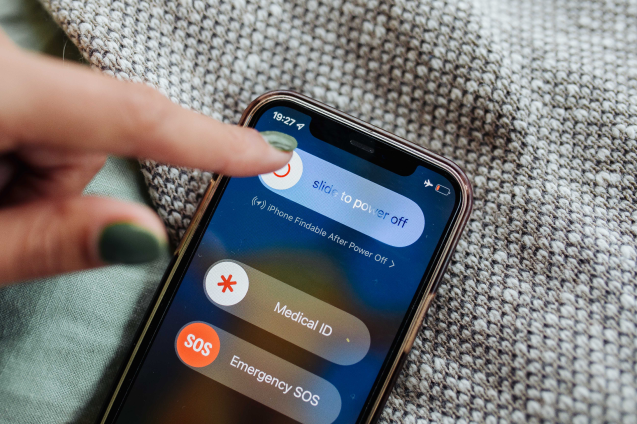
If evidence continues to build that short restriction shifts reward-related brain responses, the implications go beyond personal productivity hacks. It affects how schools design phone policies, how workplaces handle attention norms, and how policymakers evaluate “addictive design” features.
We are already seeing momentum in public conversation about platform design and mental health, not just individual responsibility. As more studies map how quickly the brain responds to phone cues, the question “Why can’t you just stop?” starts to sound less like tough love and more like misunderstanding.
Because stopping isn’t just a decision. It’s a process of rewiring what your brain expects.
The quiet conclusion the study points toward
The most striking message from the “three days changes your brain” story isn’t sensational. It’s intimate. It suggests that many people are living with a nervous system that has learned to anticipate a pocket-sized reward stream. When the stream is interrupted, the brain reacts—not because you’re broken, but because you’re human.
If you’ve ever felt that twitch to check your phone without thinking, this research doesn’t exist to shame you. It exists to explain you. And it hints at something surprisingly hopeful: the brain is not a static victim of technology. It adapts. It recalibrates. It learns new defaults.
Three days won’t magically fix modern life. But it may be long enough to remind your brain that the world is still there when the screen goes quiet—and that your attention can belong to you again.