
Table of Contents
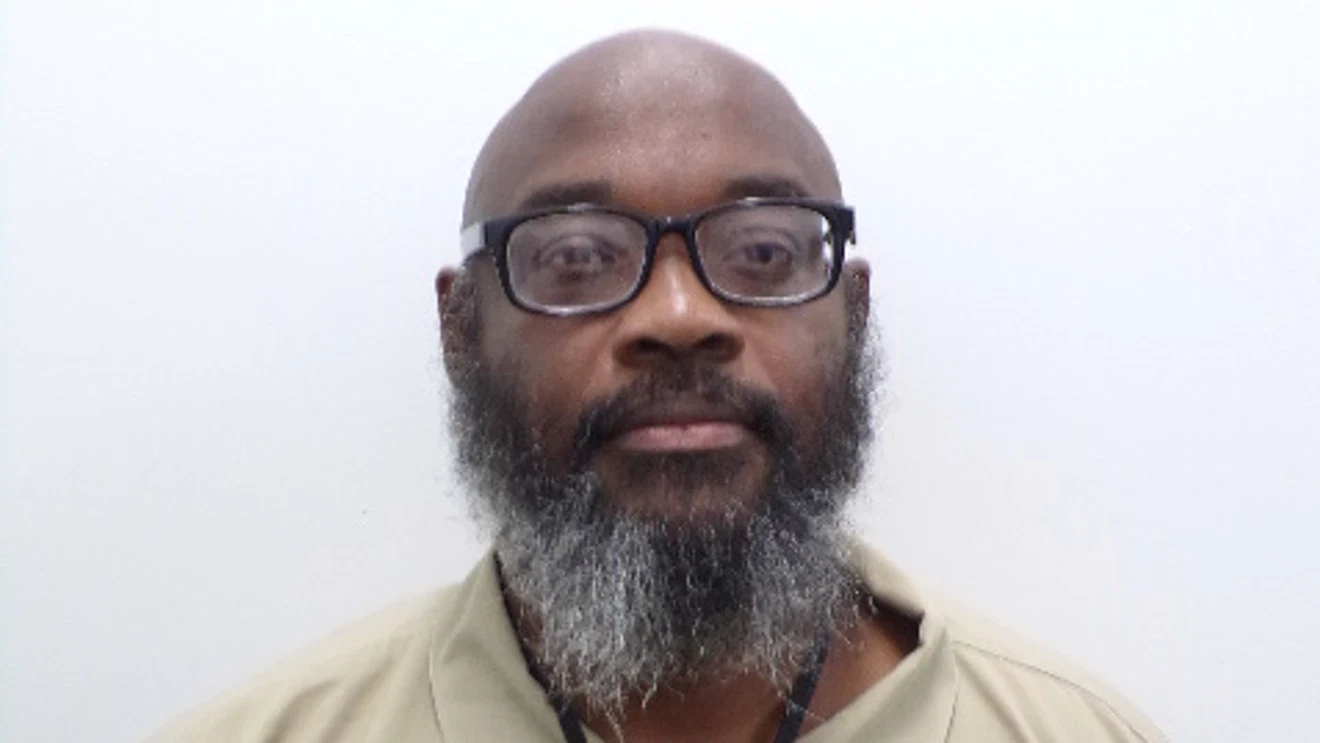
Kentucky Inmate Arrested Again After Release
When Ronald Exantus walked out of prison years before completing his 20-year sentence, the release immediately reopened one of Kentucky’s most painful criminal cases. Exantus was tied to the 2015 home invasion attack that killed 6-year-old Logan Tipton and injured other members of the boy’s family. His early release under supervision sparked outrage, fear, and fresh questions about how a man connected to such a violent case could return to the public so soon.
That anger intensified after Exantus was arrested again in Florida for allegedly violating the conditions of his release. Authorities said he failed to register as a convicted felon with the local sheriff’s office, a requirement connected to his supervision. The case has now become more than a story about one man’s release. It has become a larger debate about sentencing credits, mental health findings, parole supervision, public safety, and whether families of victims are being forced to relive their trauma because of gaps in the justice system.
The Case That Shocked Kentucky
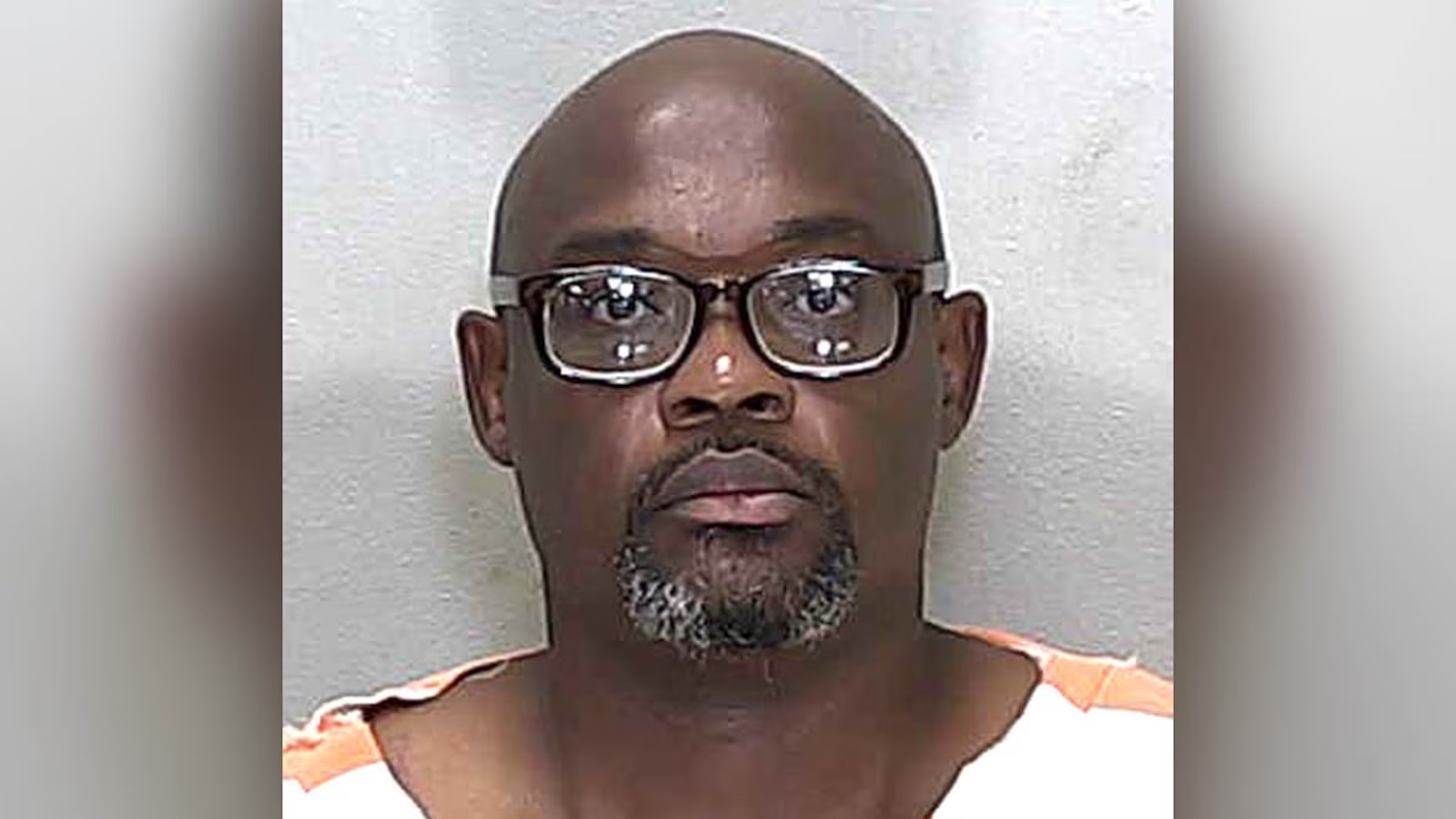
The original attack happened in 2015 in Versailles, Kentucky. Exantus entered the Tipton family’s home and attacked members of the family, including Logan Tipton, who was only 6 years old. Logan was killed in the attack, and other family members were injured.
The brutality of the crime left a deep scar in the community. For Logan’s family, the case was not an abstract legal debate. It was the night their child was taken from them. For many people in Kentucky, the case became a symbol of how terrifying and random violence can be when it enters a family home.
Exantus was later found not guilty of murder by reason of insanity, but he was convicted on assault charges connected to the injuries suffered by other family members. He received a 20-year prison sentence. To many people following the case, that sentence already felt complicated because the murder finding and the assault convictions created a legal outcome that was difficult for the public to accept.
Why The Verdict Still Causes Anger
The insanity finding is one of the reasons the case remains so controversial. Under the law, a person can be found not guilty of a specific crime if a court determines that mental illness prevented them from being held criminally responsible at the time. That does not mean the act did not happen. It means the legal system treated responsibility differently because of the defendant’s mental state.
For Logan’s family and many members of the public, that distinction has always been painful. They know a child died. They know the family was attacked. They know the damage was real. Yet the legal outcome did not result in a murder conviction in the way many expected.
That gap between public emotion and legal reasoning is where much of the outrage begins. The court system may have followed legal standards, but families often experience these outcomes as a second wound. They see the loss clearly, while the law moves through categories, findings, and technical definitions.
Early Release Sparks Public Fury
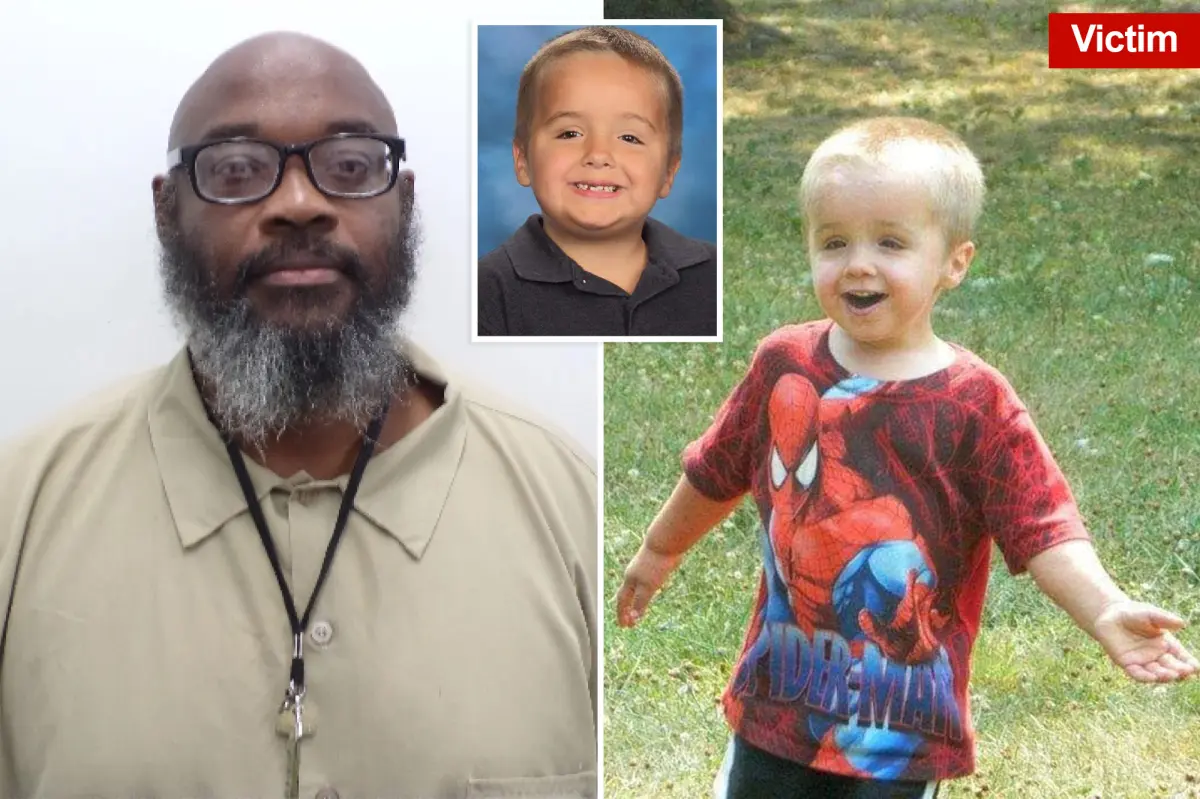
The anger grew stronger when Exantus was released from prison before completing the full 20-year sentence. His release was tied to Kentucky’s sentencing and supervision rules, including credits that can reduce the amount of time an inmate spends behind bars.
Supporters of sentence credit systems often argue that they encourage good behavior, education, rehabilitation, and reentry preparation. In theory, such credits can help maintain order in prisons and give inmates a path toward improvement. But critics argue that these systems can produce results that feel deeply unjust in extreme violent cases.
In this case, the public reaction was immediate and emotional. Many people asked how someone connected to the death of a 6-year-old could be released so early. The Tipton family expressed fear and outrage. Lawmakers began discussing possible reforms. The case became a rallying point for people who believe violent offenders should not receive release credits in the same way as lower-risk inmates.
The Florida Arrest
After his release, Exantus was placed under supervision and reportedly went to Florida. Authorities later said he failed to register as a convicted felon with the local sheriff’s office within the required timeframe. That alleged violation led to his arrest in Florida.
The arrest quickly changed the public conversation. For critics of his early release, it became proof that the system had failed almost immediately. For the Tipton family, it was another alarming development in a case they had already suffered through for years.
The violation was not a new violent crime, but it still mattered. Supervision conditions are designed to help authorities monitor people after release. When a person fails to follow those conditions, especially in a high-profile case, it raises concerns about accountability and public safety.
Parole Board Takes Action
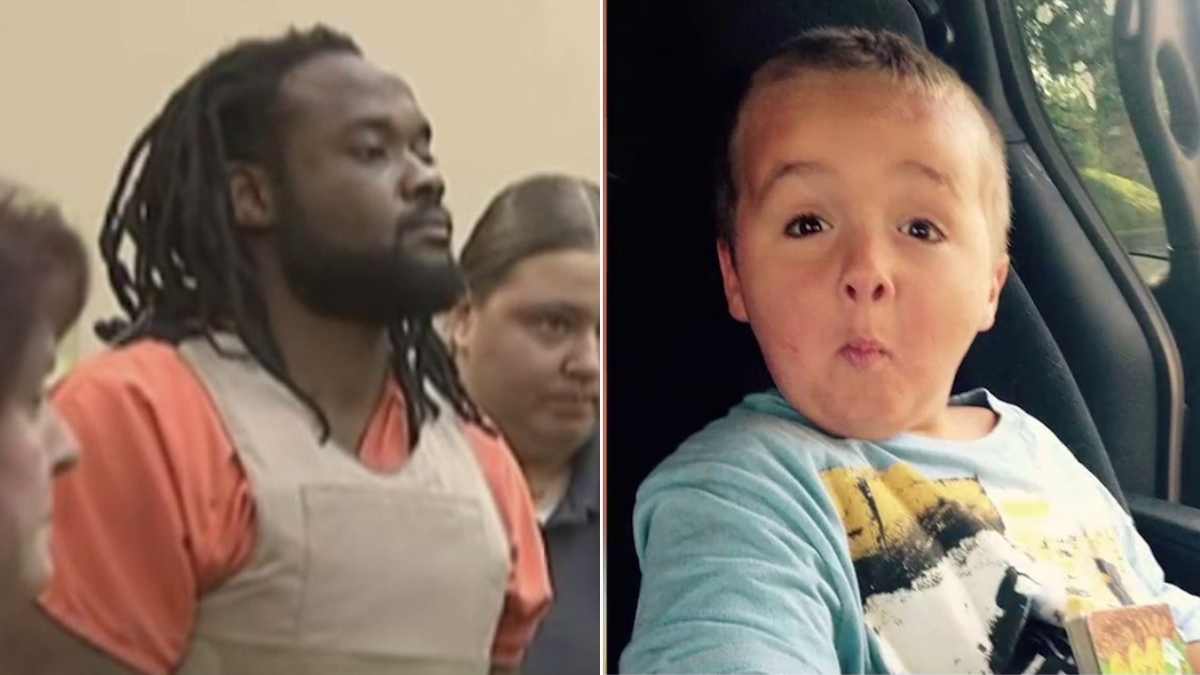
After the Florida arrest, Kentucky officials reviewed the situation. The Kentucky Parole Board revoked Exantus’ mandatory reentry supervision and ordered that he remain incarcerated. The decision came after Exantus admitted to violating the conditions of his supervision.
That decision was an important moment because it showed that the violation had real consequences. Still, it did not fully calm the outrage. Many critics argued that the release should never have happened in the first place. Others said the case proves that supervision laws need to be clearer, stronger, and more cautious in cases involving severe violence and mental health findings.
The parole board’s action may have returned Exantus to custody, but the broader legal questions remain unresolved. How much credit should a violent offender be allowed to earn? How should mental illness findings affect release? What level of supervision is enough when a case has already terrified a community?
Lawmakers Call For Reform
The case has pushed Kentucky lawmakers to talk about reform. State Rep. Jason Nemes has discussed legislation aimed at changing what happens when a jury finds that someone committed a violent act but cannot be held criminally responsible because of insanity. His argument is that such individuals should not simply return to the community without a secure mental health placement or stronger oversight.
The proposal reflects a wider concern. The justice system often struggles to handle cases where violent crime and mental illness overlap. Prison may not be the right answer for every person with serious mental illness, but immediate release without secure treatment can also feel unsafe to victims and communities.
This is where the debate becomes difficult. Reform advocates want a system that protects the public, respects victims, and still handles mental illness responsibly. The Exantus case shows how painful the consequences can be when the public believes the system has failed to balance those goals.
The Good Behavior Debate
One of the most controversial parts of the story is the phrase good behavior. To many people, hearing that someone tied to a child’s death was released for good behavior feels impossible to accept. It sounds too simple, too soft, and too disconnected from the severity of the crime.
But sentencing credits are usually more complicated than the phrase suggests. Inmates may receive credit for following prison rules, completing programs, taking classes, or participating in approved activities. The idea is to reward conduct that reduces problems inside correctional facilities and prepares inmates for eventual release.
The problem is that the public often sees the result, not the internal logic. When the result is early release in a case involving a dead child, the explanation may not matter emotionally. Families do not measure justice by whether an inmate followed prison rules. They measure it by the life that was lost and the sentence they believed was supposed to be served.
A Family Forced To Relive The Trauma
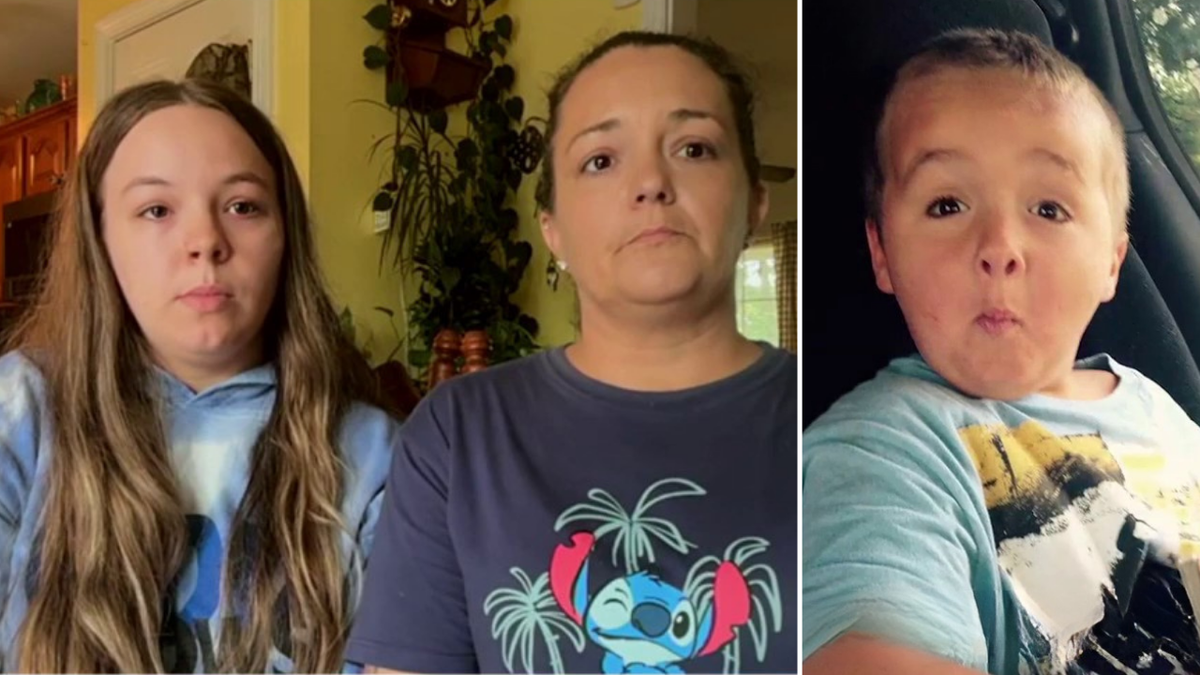
For Logan Tipton’s family, the renewed attention to Exantus’ release and arrest has meant reliving an unimaginable tragedy. Every legal update brings the case back into public view. Every headline about release, registration, supervision, or reform is connected to the death of their child.
Families of crime victims often describe the justice process as exhausting. Even after a conviction or sentence, the case can return through appeals, parole hearings, release decisions, violations, and media coverage. Each step can reopen grief.
That is especially true in a case involving a child. Logan’s death was not only a legal event. It was the loss of a young life, a son, a sibling, and a child who should have had decades ahead of him. That emotional reality is why the public response has remained so strong years later.
Why This Story Went Viral
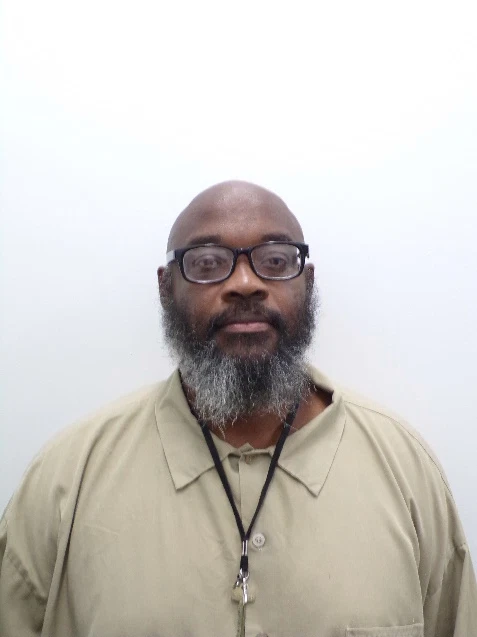
This story spread because it contains several elements that provoke immediate reaction. A child was killed. The man connected to the attack was released early. The release was linked to good behavior and supervision rules. Then he was arrested again for violating those rules.
For many readers, the case feels like a warning about loopholes in the justice system. It also taps into a deep fear that violent offenders may be released before communities are ready, while victims’ families are left with little control over the process.
Viral crime stories often become bigger than the facts of one case. They become symbols. In this situation, Exantus has become a symbol for people who believe sentencing laws need to be tougher, especially when children are victims. At the same time, the case has also become part of a difficult conversation about how the justice system should handle defendants with serious mental health issues.
The Mental Health Question
The insanity finding in Exantus’ case continues to shape the debate. Mental illness in criminal cases raises hard questions. Society must decide how to protect the public while also acknowledging that some offenders may not have been fully responsible in the legal sense because of mental disease.
But when the crime is extreme, the public often asks a different question: where should that person go next? If prison is not considered the full answer because of mental health, then many argue that secure treatment should be required. What angers families is the idea that a person could avoid a murder conviction because of insanity, serve time on other charges, and later be released without what they consider proper safeguards.
That is why proposed reforms are focusing not only on punishment, but on placement. Lawmakers are asking whether people in these cases should be sent to mental health facilities instead of returning directly to the community.
What Happens Next
The next steps depend on custody decisions, supervision rules, and any future legislative changes. Exantus’ re-arrest and the parole board’s revocation mean he was returned to custody, but the larger debate has not ended. Families, lawmakers, prosecutors, and public safety advocates are still asking whether Kentucky’s system needs stronger protections.
Possible reforms may focus on limiting sentence credits for violent offenders, changing mandatory reentry rules, improving victim notification, and creating clearer requirements for people found not guilty by reason of insanity. Any reform will have to balance legal rights, public safety, prison management, and mental health treatment.
Still, one thing is clear: the Exantus case has forced Kentucky to confront questions that many people believe should have been answered long ago.
A Case That Demands Hard Questions
The re-arrest of Ronald Exantus is not just another parole violation story. It is the latest chapter in a case that has haunted Kentucky since the killing of Logan Tipton. It has reopened old wounds, angered a grieving family, and pushed lawmakers to reconsider how the state handles violent offenders, sentence credits, and mental health findings.
For the public, the case is shocking because it feels like a system moving in pieces while a family’s loss remains whole and permanent. The law sees charges, verdicts, credits, supervision, and violations. Logan’s family sees an empty place where a child should be.
That is why this story continues to matter. It is about one man’s release and re-arrest, but it is also about whether justice systems can protect communities while treating mental illness responsibly. It is about whether good behavior credits should apply the same way in cases involving extreme violence. And most of all, it is about a 6-year-old boy whose death still demands answers years later.
Kentucky now faces a difficult choice. It can treat the outrage as temporary, or it can use this case to examine whether the rules need to change. For Logan’s family, no reform can bring him back. But for other families, stronger safeguards could mean the difference between fear and protection, between legal technicality and public trust, and between a system that simply processes cases and one that truly remembers the victims at the center of them.