
Table of Contents
- Wichita Dad Pleads Guilty In Gun Tragedy
- A Family Night Turns Into Horror
- The Father’s Guilty Plea
- The Gun Was Left Within Reach
- A Child Too Young To Understand
- Why Prosecutors Took The Case Seriously
- A Mother Receives The Worst Call
- The Problem Of Unsecured Firearms
- Why This Story Went Viral
- The Legal Meaning Of The Plea
- A Tragedy With No Easy Ending
- The Bigger Warning For Families
- What Comes Next
Wichita Dad Pleads Guilty In Gun Tragedy
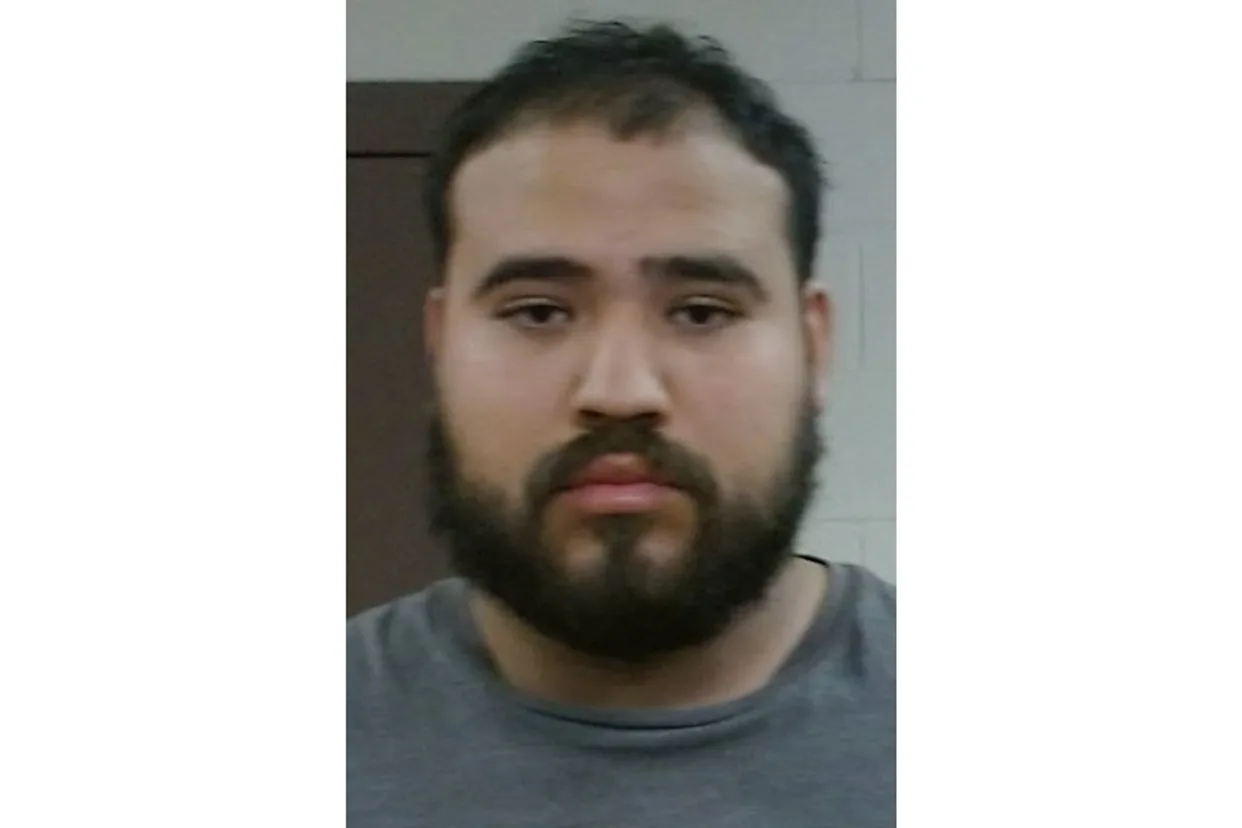
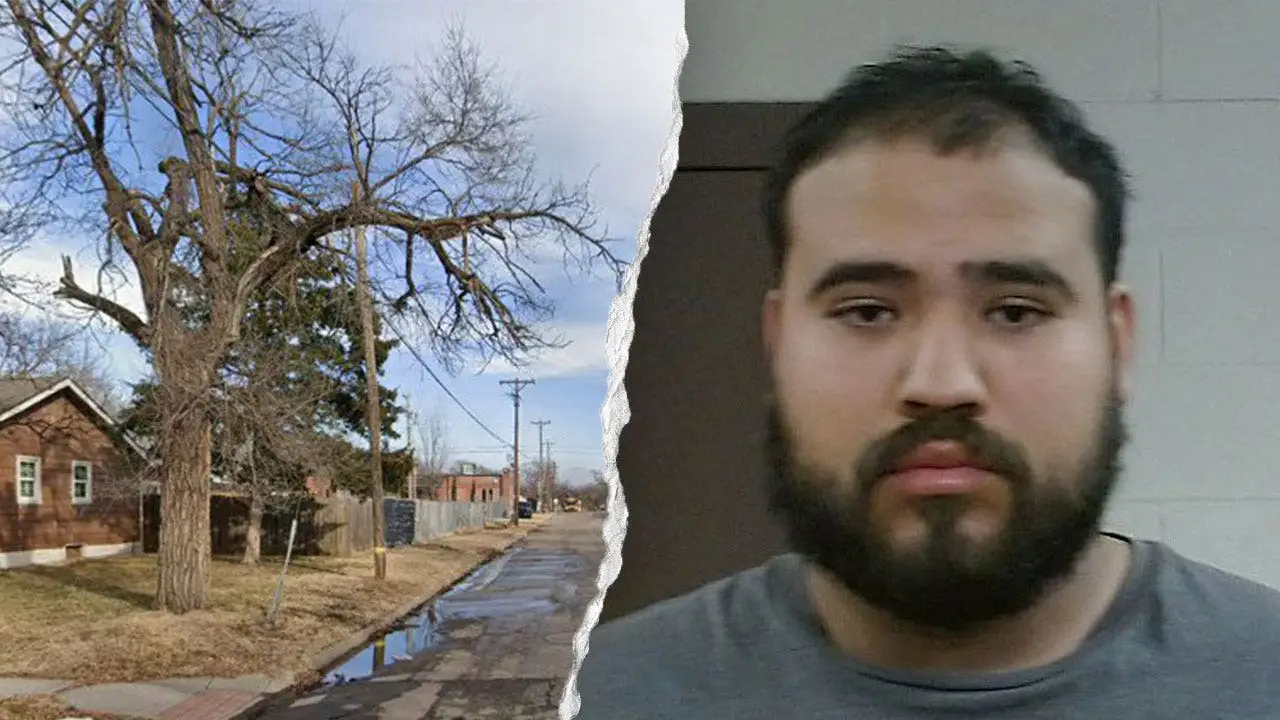
When a child finds a loaded gun inside a home, the result can change a family forever in a matter of seconds. That is what prosecutors say happened in Wichita, Kansas, where a 3-year-old girl accessed her father’s unattended firearm and fatally shot her 21-month-old sister. Now, more than a year after the child’s death, 26-year-old Michael Tejeda has pleaded guilty to serious charges, including second-degree murder.
The case has drawn national attention not only because of the heartbreaking age of the children involved, but because of what it represents. A toddler died. A preschool-aged child was left confused and traumatized. A father now faces sentencing. And a family is left with a tragedy that authorities say began with a gun that should never have been within reach.
A Family Night Turns Into Horror
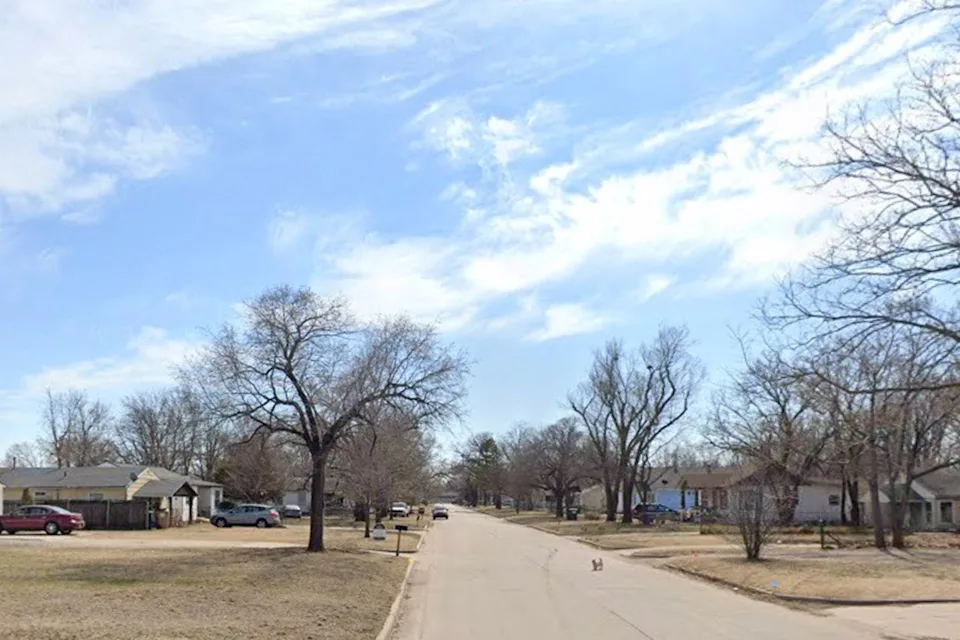
The fatal shooting happened in February 2025 at a home on South Santa Fe Street in Wichita. According to reports based on court records and an arrest affidavit, Tejeda was watching his two young daughters when he left a firearm unattended. The older child, only 3 years old, accessed the gun while Tejeda was in another room.
At around 8:30 p.m., the older child fired the weapon, striking her 21-month-old sister, Myla. Emergency help was called, and the toddler was rushed to the hospital. She was pronounced dead about an hour later.
It is difficult to imagine the chaos of that moment. A normal evening inside a home became a crime scene. One child was gone. Another was too young to fully understand what had happened. A parent who had been responsible for their care was suddenly at the center of a criminal investigation.
The Father’s Guilty Plea
Tejeda pleaded guilty on May 21, 2026, during a status hearing. His plea included one count of second-degree murder, two counts of aggravated child endangerment, and one count of criminal possession of a weapon by a convicted felon. He had originally faced a first-degree murder charge, but that charge was dropped as part of the plea agreement.
The plea agreement is significant because it avoids a trial, but it does not erase the seriousness of the case. Prosecutors still treated the shooting as more than a terrible accident. By accepting a plea to second-degree murder and child endangerment charges, the court process reflects the claim that Tejeda’s actions created a deadly risk inside the home.
Both sides are reportedly asking for a mid-range sentence, with the sentences running consecutively. That means Tejeda could face a long period behind bars when he is sentenced on July 9, 2026.
The Gun Was Left Within Reach
One of the most disturbing parts of the case is how accessible the firearm allegedly was. Investigators said Tejeda had been carrying the gun and later removed it while inside the home. Reports state that he placed it somewhere reachable before going into another room.
Tejeda allegedly told investigators that he knew he should have placed the firearm somewhere else. That admission became one of the most important details in the case. It suggested awareness that the gun was dangerous and that a safer choice should have been made.
Authorities also said Tejeda knew his 3-year-old daughter had shown curiosity about the gun before the shooting. That detail makes the case even more alarming. Small children are naturally curious. They touch things. They copy adults. They do not understand permanent danger the way adults do. For a child that young, a gun may not be understood as a deadly weapon. It may look like an object they have seen an adult carry.
A Child Too Young To Understand
After the shooting, reports said the 3-year-old repeatedly apologized and worried she might go to jail. That detail is heartbreaking because it shows the emotional confusion of a child who was far too young to process the consequences of what happened.
A 3-year-old does not have the maturity, impulse control, or understanding of death that an adult has. Children at that age may know they did something wrong, but they cannot fully understand the chain of events that led to tragedy. That is why the legal focus turned toward the adult who left the firearm unsecured.
The older child was reportedly taken to a Child Advocacy Center for a forensic interview. During that process, she was described as mostly interested in playing. That response fits what many people know about very young children. They can move between fear, confusion, play, and silence because their minds are not built to handle trauma in the same way adults do.
Why Prosecutors Took The Case Seriously
Some people may look at the case and see only a horrible accident. Prosecutors, however, treated it as criminal negligence with fatal consequences. The charges show that the state believed Tejeda’s decisions were reckless enough to justify serious punishment.
The child endangerment charges relate to the danger both children faced when the gun was left accessible. The weapon possession charge is also important because Tejeda was reportedly prohibited from possessing a firearm due to his status as a convicted felon. That means the legal problem did not begin only when the child picked up the gun. Authorities say Tejeda should not have had the weapon in the first place.
The second-degree murder plea reflects the deadly result of those decisions. It does not mean prosecutors claimed Tejeda personally pulled the trigger. Instead, the case centers on responsibility, risk, and the legal consequences of creating a situation where a small child could access a loaded firearm.
A Mother Receives The Worst Call
Reports say Tejeda called the children’s mother after the shooting and also called 911. The mother was away from the home at the time. In any family tragedy, the moment of receiving the call can become a permanent memory. For a parent, being told that one child has been shot and another was involved is almost impossible to comprehend.
The case placed everyone in the family under unimaginable emotional strain. The mother lost a child. The surviving child must grow up with a trauma she could not understand at the time. Tejeda now faces prison time. The tragedy did not end when the ambulance left. It became a lifelong wound for everyone connected to the home.
The Problem Of Unsecured Firearms
This case has become part of a larger national conversation about unsecured firearms and children. Safety experts have long warned that children can find hidden guns more easily than adults expect. A firearm in a drawer, on a shelf, under a pillow, in a bag, or placed on furniture can become accessible within seconds.
The risk is especially high when a gun is loaded and not locked. Even children who have been told not to touch a firearm may still pick one up out of curiosity. Young children do not reliably understand warnings. They may not recognize that pulling a trigger can kill someone. That is why prevention focuses on adult responsibility, not child obedience.
Safe storage advocates often recommend locking firearms, storing ammunition separately, and ensuring weapons are not accessible to children or unauthorized adults. The goal is not only to prevent intentional misuse, but to prevent the exact kind of tragedy that happened in Wichita.
Why This Story Went Viral
The story spread widely because it contains several elements that immediately affect readers emotionally. A toddler was killed. Her sister, only 3, was the one who fired the gun. Their father has now pleaded guilty to murder. These facts are shocking, painful, and difficult to forget.
Viral crime stories often spread because they force people to ask what they would do, who is responsible, and how the tragedy could have been prevented. In this case, the prevention question is central. The shooting did not happen because of a complicated criminal plot. It happened inside a home, with very young children, because a gun was left accessible.
That simplicity makes the story even more haunting. A locked firearm, a secure safe, or a decision not to bring the weapon into the home could have changed everything.
The Legal Meaning Of The Plea
A guilty plea is not just a procedural step. It is an admission that allows the case to move toward sentencing without a trial. For prosecutors, it secures accountability. For the defense, it may reduce the risk of a harsher conviction on the original first-degree murder charge. For the court, it sets the stage for a judge to determine the punishment.
The sentencing hearing scheduled for July 9, 2026, will be the next major moment. The judge will consider the plea agreement, the charges, the facts of the case, and any statements presented by attorneys or family members. In cases involving the death of a child, sentencing can be emotionally intense because the court must weigh both legal standards and the devastating human loss.
No sentence can bring Myla back. But sentencing will determine how the justice system formally responds to the decisions that led to her death.
A Tragedy With No Easy Ending
The Wichita case is difficult because every part of it involves loss. A 21-month-old girl lost her life. A 3-year-old child was placed in a situation no child should ever face. A father’s decisions led to criminal charges that could send him to prison for years. A mother and extended family must live with grief that will not simply fade.
It is also a case that challenges the public to think beyond headlines. The most important lesson is not only that a father pleaded guilty. It is that unsecured firearms can turn ordinary homes into scenes of irreversible tragedy. Children are fast, curious, and unaware of danger. Adults are responsible for making sure deadly weapons are never within reach.
The Bigger Warning For Families
This case should serve as a warning to every household where firearms are present. A gun does not need to be left out for long to become deadly. It does not need to be found by an older child. It does not need to be part of an argument or a crime. A few unsupervised seconds can be enough.
Parents and caregivers often believe they know where everything is and what their children can reach. But children climb, search, open drawers, and notice more than adults realize. If a child has seen an adult handle or carry a firearm, curiosity may become even stronger.
That is why safe storage is not a small detail. It is a life-saving decision. In this case, the failure to secure a firearm became the difference between a normal night and a child’s death.
What Comes Next
Tejeda’s sentencing will decide the legal punishment, but the emotional consequences have already begun. The surviving child will grow older with a story that adults around her must handle carefully and compassionately. The family will continue grieving Myla. The community will remember the case as one of the most painful examples of what can happen when a firearm is left unsecured around children.
As the court process moves forward, the case stands as a devastating reminder of adult responsibility. A weapon in a home is never just another object. Around children, it must be treated with constant caution, because children cannot be expected to protect themselves from dangers they do not understand.
The tragedy in Wichita did not need to happen. That is what makes it so painful. A toddler’s life ended before it had barely begun, and a family was shattered by a decision that cannot be undone. The courtroom may bring accountability, but the deeper lesson reaches far beyond one case: when children are present, firearm safety is not optional. It is a matter of life and death.