

Table of Contents
What Sparked the Crisis?
The origins of the Russia-Ukraine conflict can be traced back to deep-rooted political, cultural, and historical tensions between the two countries. Russia’s annexation of Crimea in 2014, and its subsequent support for separatists in Eastern Ukraine, ignited a conflict that has since escalated into a full-scale war. What began as a regional dispute has now morphed into a global crisis with profound implications for international security.
The conflict was further fueled by Russia’s concerns over NATO’s eastward expansion and Ukraine’s desire to align more closely with Western Europe. For Russia, the idea of Ukraine joining NATO was seen as a direct threat to its sphere of influence and national security. This tension between Russia’s imperial ambitions and Ukraine’s aspirations for sovereignty and integration with Europe laid the foundation for the conflict that has devastated the region.
NATO’s Response
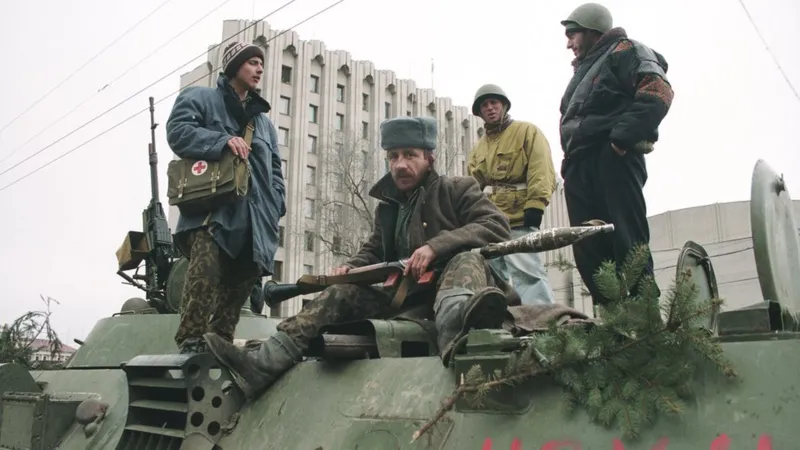
One of the most significant changes to Europe’s security landscape has been the shift in NATO’s posture in response to the Russia-Ukraine conflict. NATO, which had previously focused on deterring other global threats such as terrorism and cyberattacks, has been forced to reassess its priorities. The alliance, led by the U.S., has increasingly focused on strengthening its eastern flank, bolstering the defense of NATO member states in Central and Eastern Europe.
In addition to increasing troop deployments in countries like Poland, the Baltic States, and Romania, NATO has significantly enhanced its military presence in the region. The alliance’s response to Russia’s aggression has been marked by solidarity with Ukraine, providing both military and economic aid to the besieged nation. NATO’s growing commitment to the region has been a clear signal to Russia that any further expansion of its sphere of influence will be met with resistance.
However, this heightened NATO presence has not been without consequences. Russia has repeatedly warned of the risks of escalating tensions, raising the stakes for any future military action in Europe. As the conflict continues, NATO’s role in European security will be crucial in determining the future trajectory of the war and Europe’s long-term stability.
Impact on Russia and Global Trade
Economic sanctions have been one of the key tools used by Western nations to apply pressure on Russia in response to its invasion of Ukraine. The sanctions, which target key sectors of Russia’s economy—including banking, energy, and defense—have been designed to cripple Russia’s ability to finance its military operations and weaken its global influence.
The economic impact of these sanctions on Russia has been severe. Russia’s access to international financial markets has been restricted, leading to a devaluation of the ruble and inflation. Additionally, Russia’s energy exports, particularly natural gas and oil, have faced significant challenges as Western nations seek to reduce their dependence on Russian energy supplies. The EU, in particular, has been working to diversify its energy sources, moving away from reliance on Russian gas and oil.
However, the sanctions have also had ripple effects on the global economy. The disruption of energy supplies has contributed to rising fuel prices worldwide, while supply chain disruptions have led to inflation in many countries. The economic repercussions of the Russia-Ukraine war have underscored the interconnectedness of the global economy, highlighting the challenges of managing geopolitical conflicts in an increasingly globalized world.
Humanitarian Crisis and the Refugee Dilemma

As the war in Ukraine has dragged on, the humanitarian crisis has intensified. Millions of Ukrainians have been displaced from their homes, with many seeking refuge in neighboring countries, particularly Poland, Slovakia, and Hungary. The refugee crisis has tested the capacity of European countries to provide shelter, food, and medical care to those fleeing the conflict.
The sheer scale of displacement has raised significant concerns about the long-term social and economic implications for host countries. While many European nations have shown solidarity with Ukrainian refugees, the influx of displaced people has placed significant strain on local resources and infrastructure. Additionally, the long-term integration of refugees into host countries presents challenges related to employment, education, and social services.
The humanitarian crisis in Ukraine is a stark reminder of the human cost of war and the importance of international cooperation in addressing refugee and migration issues. As the war continues, it is likely that the refugee crisis will persist, with the global community needing to provide ongoing support for those affected by the conflict.
The Rise of New Alliances and Rivalries
The Russia-Ukraine conflict has far-reaching implications for global security, as it has reshaped alliances and rivalries on a global scale. Countries around the world have taken sides, with Western nations broadly supporting Ukraine, while countries like China and Iran have been more supportive of Russia.
The conflict has also prompted a reevaluation of global security dynamics. In particular, the war has revived interest in military alliances and collective security arrangements, with countries in Asia and the Pacific, such as Japan and South Korea, watching closely as Russia’s actions in Ukraine raise concerns about regional security in East Asia. Similarly, countries in the Middle East and Africa are reevaluating their security strategies in light of the conflict and the shifting global order.
The war in Ukraine has also accelerated discussions about the future of global arms control agreements, nuclear deterrence, and the balance of power in the post-Cold War world. As countries take sides, the geopolitical landscape is shifting, with Russia’s actions serving as a reminder of the potential for regional conflicts to escalate into broader global security threats.
Challenges and Opportunities

As the Russia-Ukraine conflict continues to unfold, the future of Europe’s security landscape remains uncertain. The war has brought to light significant vulnerabilities in Europe’s defense capabilities and has forced countries to reassess their security strategies. NATO, the EU, and individual countries will need to adapt to the changing geopolitical environment, balancing the need for military deterrence with the necessity of diplomacy and conflict resolution.
At the same time, the conflict presents opportunities for Europe to strengthen its unity and cooperation. The ongoing crisis has highlighted the importance of a cohesive European response to external threats and has galvanized efforts to build a stronger, more integrated European defense policy. The war also offers an opportunity for European countries to diversify their energy sources, reduce reliance on Russian resources, and invest in green energy alternatives.
Ultimately, the Russia-Ukraine conflict will have profound implications for the future of Europe, both in terms of its security posture and its role in the global order. The choices made by European leaders in the coming months and years will shape the trajectory of the continent’s political, economic, and social future.
Conclusion
The Russia-Ukraine conflict has reshaped Europe’s security landscape and posed significant challenges to global stability. As the war continues, the geopolitical ramifications will be felt worldwide, from shifting alliances to the economic fallout of energy disruptions and the humanitarian crisis caused by the displacement of millions.
The global community will need to work together to address the ongoing challenges posed by the conflict, balancing military deterrence with efforts to find a peaceful resolution. The future of Europe—and the world—depends on the choices made in response to this crisis.