
Table of Contents
- A Russian Tanker Broke Through a Tight Squeeze
- The White House Says This Was Not a Policy Reversal
- Cuba’s Energy Crisis Had Reached a Breaking Point
- Russia’s Role Makes the Story Even Bigger
- Trump’s Own Comments Complicated the Message
- The Tanker Buys Time, Not Stability
- Why This Decision Could Reshape the Debate Over Cuba
- A Humanitarian Exception With Geopolitical Consequences
A Russian Tanker Broke Through a Tight Squeeze
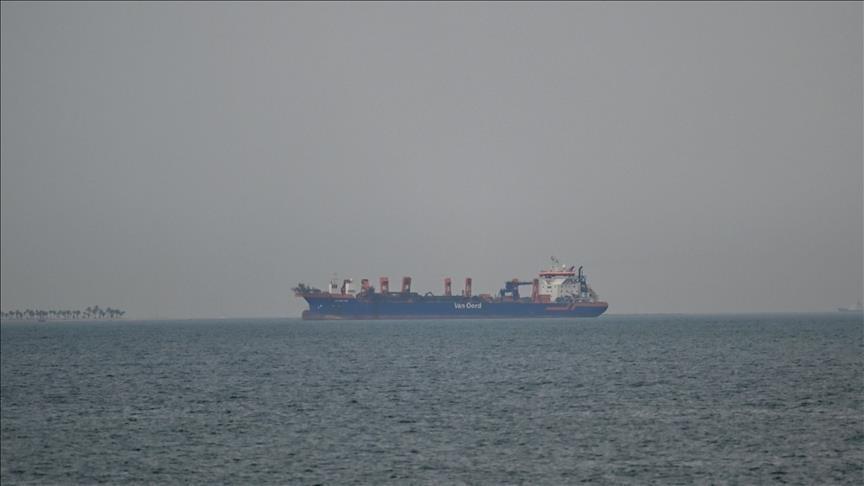
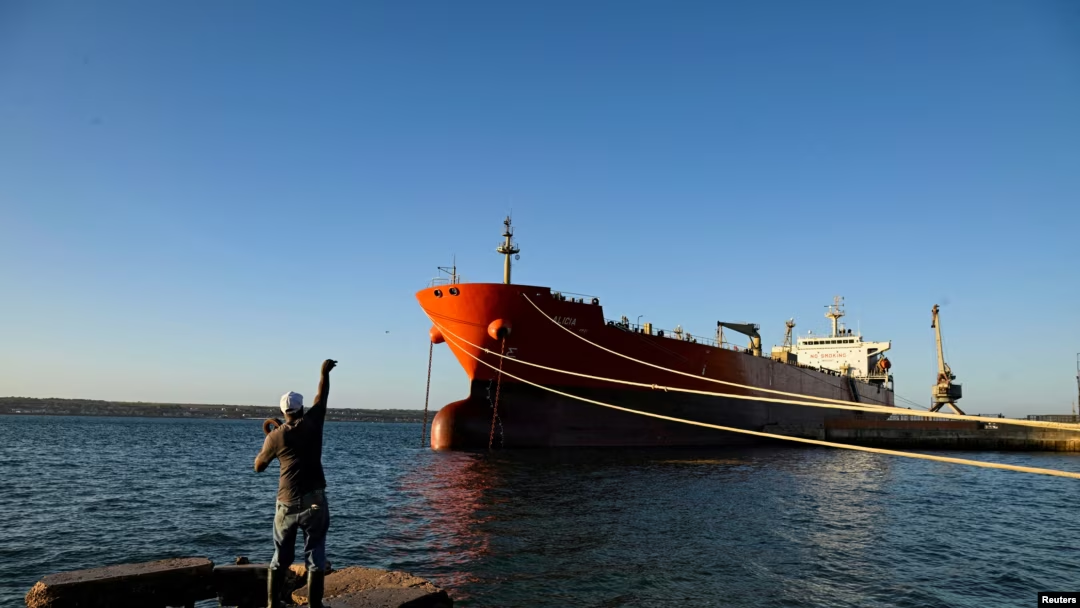
The tanker at the center of the story is the Russian flagged Anatoly Kolodkin, a vessel already under sanctions tied to Russia’s war in Ukraine. It was carrying about 100,000 metric tons of crude, roughly 700,000 to 730,000 barrels, and arrived at Cuba’s port of Matanzas after an extraordinary trip that many thought would be blocked before it reached the island. Reuters, AP, and other major outlets reported that the tanker was permitted to proceed even though the United States had spent months warning countries against sending fuel to Cuba.
That matters because the shipment was not symbolic. It was material relief for an island that had gone roughly three months without a comparable oil delivery and was suffering through one of its worst recent energy crunches. Reuters reported that the cargo offered a critical lifeline, while AP described it as Cuba’s first oil shipment of the year from a Russian tanker. In a country where fuel shortages have quickly translated into long blackouts and failing essential services, one delivery can buy time, calm panic, and give the government a short reprieve.
The fact that this happened at all is what made the story explode. The Trump administration had not publicly announced a broad easing of policy. Instead, the tanker was allowed through despite an enforcement posture that had been aggressive enough to scare off other suppliers and in at least one earlier case to divert a ship away from Cuba. That gap between the public hard line and the practical decision is exactly why the tanker’s arrival felt so consequential.
The White House Says This Was Not a Policy Reversal
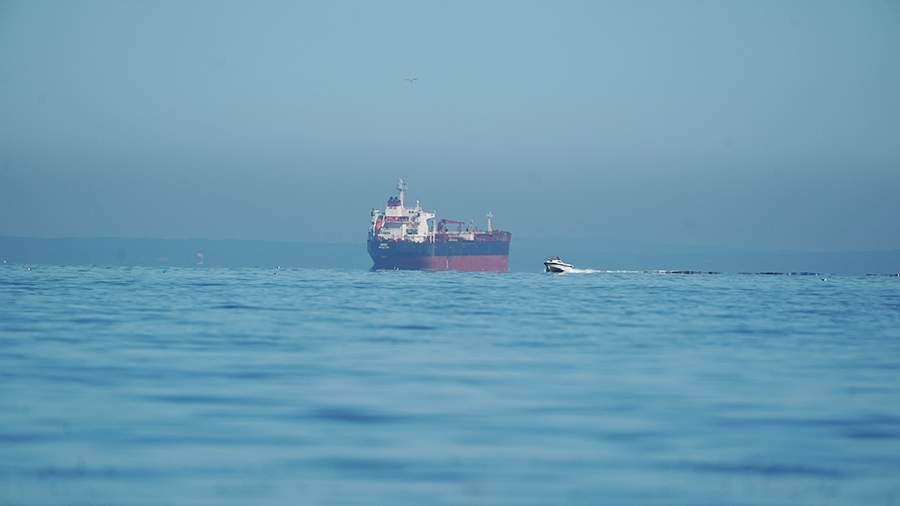
After the tanker’s passage raised questions about whether Washington was backing off, the White House moved quickly to say there had been no broad change in Cuba policy. Reuters reported that Press Secretary Karoline Leavitt described the decision as a case by case humanitarian exception, not a relaxation of sanctions policy. She emphasized that the United States still retains the authority to seize vessels that violate sanctions connected to Cuba.
That official explanation is important because it tries to preserve two positions at once. On one hand, the administration wants to keep the broader pressure campaign intact and avoid looking weak or inconsistent. On the other hand, it clearly wanted to avoid the political and moral cost of being seen as directly responsible for worsening a humanitarian emergency on an island only about 100 miles from Florida. Reuters reported that the exception came amid mounting concerns over Cuba’s deepening energy crisis, including blackouts, shortages, and rising health risks.
This balancing act is difficult because humanitarian exceptions often undermine the logic of maximum pressure campaigns. Once one sanctioned shipment is allowed for humanitarian reasons, the question becomes why another should be blocked if the civilian need remains just as severe. That does not mean the blockade has ended. But it does mean the administration has admitted, at least in practice, that total enforcement carries risks it may not want to own publicly. This is an inference based on the White House’s stated humanitarian rationale and the timing of the waiver.
Cuba’s Energy Crisis Had Reached a Breaking Point
The background to this story is crucial. Cuba’s fuel crisis did not begin with this tanker, and it was not caused by a single missed shipment. It grew out of a squeeze on the island’s oil imports that intensified after the Trump administration moved to shut down outside supplies, particularly after Venezuelan support collapsed and Mexico also halted exports under pressure. Reuters reported that Cuba had endured months of shortages severe enough to disrupt healthcare, agriculture, and normal daily life. AP likewise noted island wide blackouts and failing public services.
The Washington Post and Reuters both described the American policy as an effective oil blockade, even if the White House did not always use that exact phrase. The strategy was to starve the Cuban system of fuel, force economic pain, and pressure the government toward political change. But fuel is not a luxury input in a crisis ridden economy. It powers ambulances, refrigeration, agriculture, transport, hospitals, and basic public order. When the supply gets too low, the line between political leverage and humanitarian collapse becomes very thin.
That helps explain why this tanker carried such symbolic force. It was not just a ship. It was proof that despite the blockade, Cuba could still call on Moscow, and that Washington was not prepared, at least in this case, to turn the standoff into a direct confrontation with Russia at sea. That calculation may prove temporary, but it is already revealing.
Russia’s Role Makes the Story Even Bigger
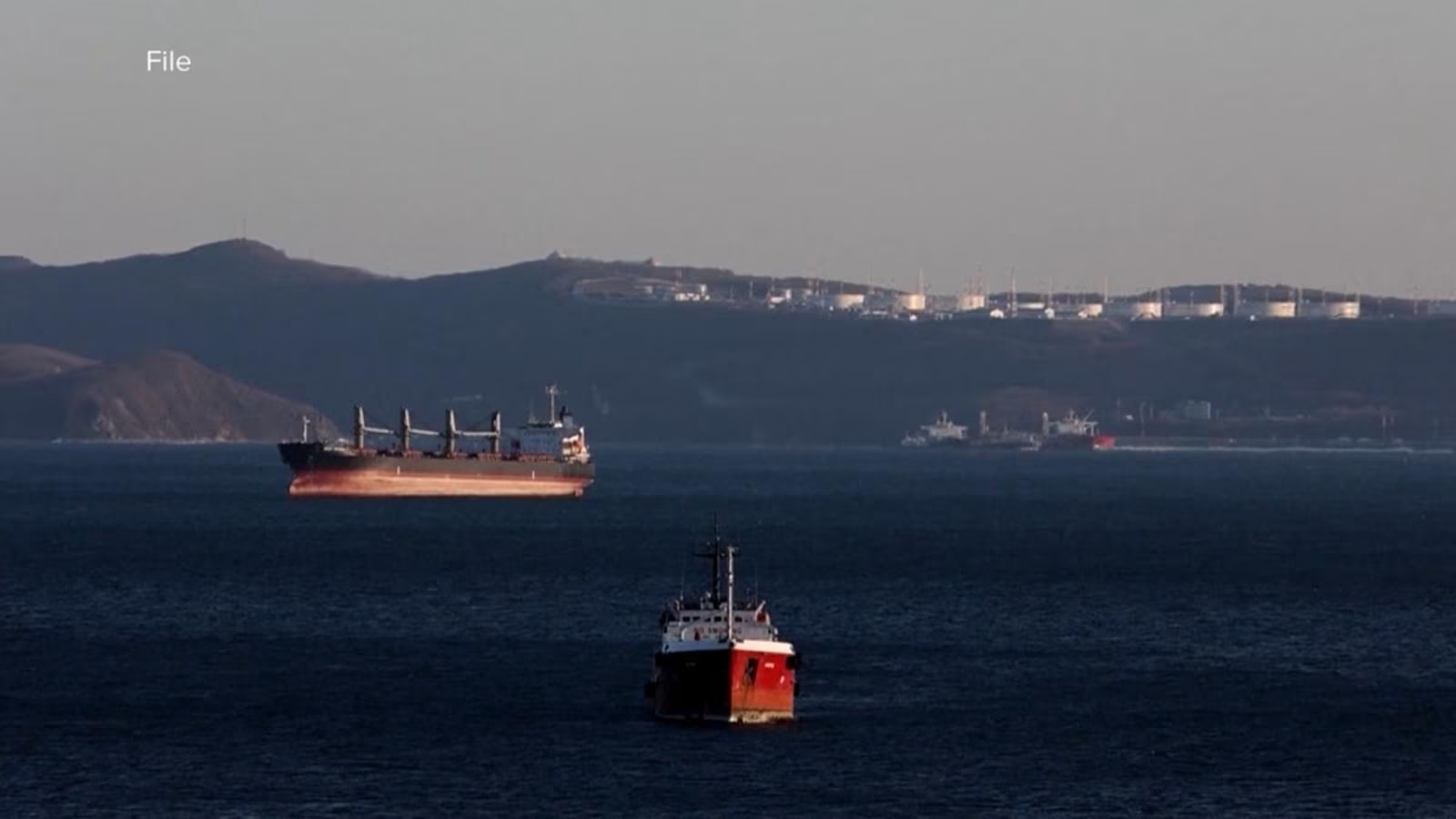
This is also a Russia story, not only a Cuba story. Reuters reported that the Kremlin affirmed its commitment to support Cuba and said the oil shipment had been discussed with the United States in advance. Kremlin spokesperson Dmitry Peskov framed the delivery as humanitarian and signaled that Moscow intends to keep standing by Havana, at least for now.
That matters because it shows Russia still sees Cuba as a useful geopolitical partner in the Americas. In a broader global climate already strained by the wars in Ukraine and the Middle East, allowing a sanctioned Russian tanker to deliver oil into Cuba creates a highly charged image. It suggests that even under intense sanctions pressure, Moscow can still project influence into Washington’s backyard and do so in a way that forces the United States to choose between confrontation and restraint.
The White House seems to have chosen restraint this time. Reuters said the humanitarian rationale was central. But it is hard to ignore the strategic layer. Stopping a Russian tanker outright could have created a far more dangerous confrontation, especially at a moment when U.S. foreign policy is already stretched across multiple flashpoints. This is an inference supported by Reuters’ description of the exception and the administration’s decision not to intercept the vessel despite having enforcement capabilities in the region.
Trump’s Own Comments Complicated the Message
The public picture became even messier because Trump himself did not frame the tanker in purely punitive terms. AP reported that he said he had “no problem” with the Russian shipment reaching Cuba and cast the decision as humanitarian, emphasizing concern for ordinary Cubans even while maintaining hostility toward the island’s government. Reuters similarly reported that Trump signaled a softer stance in this case, saying helping the Cuban people was the priority.
That creates a striking contrast with Trump’s earlier rhetoric on Cuba. Reuters reported in mid March that Trump had said he thought he would have the “honor” of “taking Cuba” in some form and claimed he could do “anything I want” with respect to the island. Those comments were widely seen as inflammatory and fed anxiety about a possible escalation in U.S. policy.
Placed side by side, these statements reveal a familiar Trump pattern. The rhetoric is maximalist and combative, but the operational decision here was more flexible and transactional. He continued to attack Cuba’s government politically, yet permitted a shipment that kept the island from plunging deeper into immediate energy disaster. That does not mean the administration has abandoned regime pressure. It means that when the consequences became too severe or too risky, it made room for a narrow exception.
The Tanker Buys Time, Not Stability
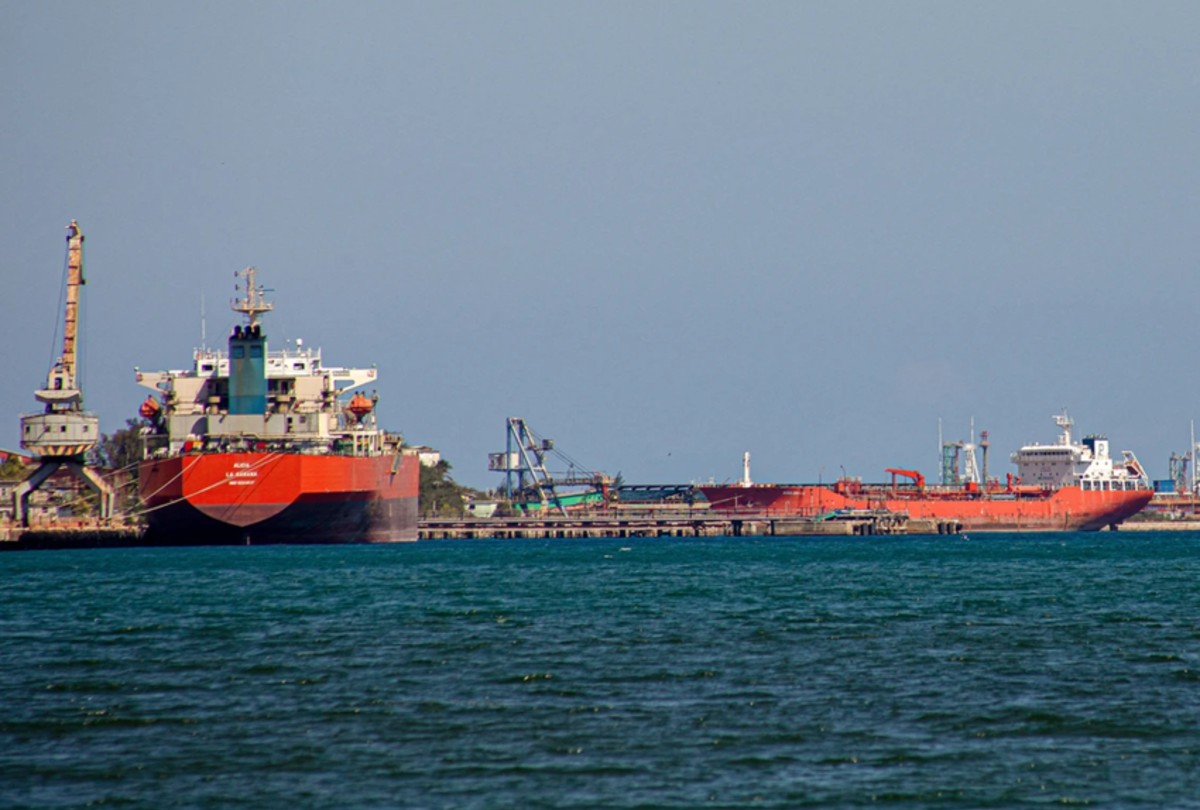
It is important not to overstate what one delivery can do. Even favorable coverage of the shipment described it as temporary relief, not a durable solution. AP reported that the cargo could support Cuba’s needs only for a limited period, and Reuters said the delivery would buy time rather than resolve the long term shortage. Cuba once needed about 100,000 barrels a day to meet domestic demand, a reminder that one tanker, even a large one, cannot restore normality for long.
That means the deeper crisis remains. If future shipments are blocked again, Cuba could slide right back into blackouts and scarcity within weeks. If Washington continues the blockade but allows only occasional waivers, the island may remain trapped in a cycle of instability where each tanker becomes a diplomatic test and a domestic emergency. That would keep Cuba highly vulnerable while also forcing repeated U.S. decisions about how much suffering is politically or morally tolerable. This is an inference based on the scale of Cuban demand reported by Reuters and the White House’s insistence that the waiver was case by case.
Why This Decision Could Reshape the Debate Over Cuba
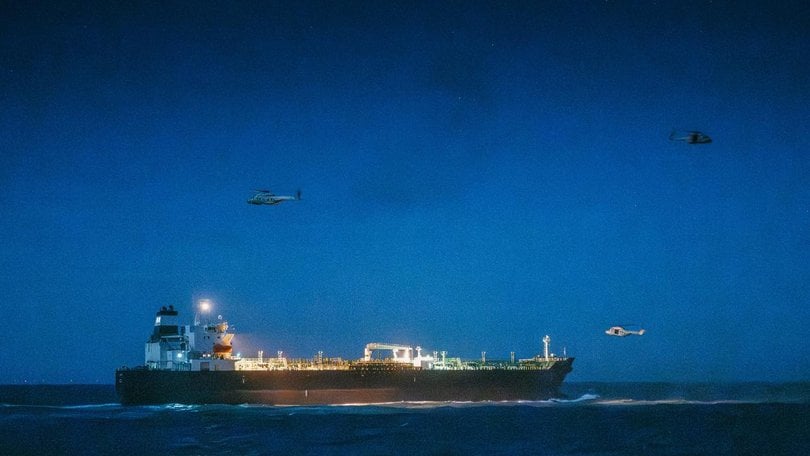
The most lasting effect of this episode may be political. The tanker’s arrival has shown that the blockade is not absolute, that Russia can still intervene, and that the United States is willing to make exceptions when the humanitarian optics become too harsh. That combination may encourage other countries or suppliers to test how hard the blockade really is. It may also force a sharper debate inside the United States over whether the strategy is producing regime change pressure or simply inflicting broad civilian suffering while still failing to fully isolate Havana.
At the same time, the White House is clearly trying to avoid that conclusion. By calling the waiver limited and humanitarian, officials are sending a signal that future shipments are not guaranteed. Reuters reported exactly that, saying no broad policy shift had been announced and that future deliveries remain uncertain.
Still, symbolism matters in geopolitics. A Russian tanker reached Cuba. The United States let it happen. The island got a badly needed energy lifeline. And a policy meant to project total pressure suddenly looked selective, complicated, and constrained.
A Humanitarian Exception With Geopolitical Consequences
In the end, this was never just about 730,000 barrels of crude. It was about what happens when maximum pressure collides with humanitarian collapse, Russian opportunism, and the political risks of enforcing a blockade too harshly. The tanker’s voyage exposed the limits of slogans and threats. It showed that even a hard line administration may blink when the alternative is deepening civilian misery or provoking a more dangerous confrontation.
For Cuba, the oil means time. For Russia, it means influence. For the White House, it means explaining why the blockade bent without admitting that it bent. And for everyone watching U.S. policy in the Caribbean, it means one thing above all: the strategy is still in place, but its limits are no longer hypothetical. They are visible in the wake of a single sanctioned tanker that reached Matanzas and forced a much bigger question into the open.