
Table of Contents
Contextualizing Satanism and Exorcism in Russian Culture
Understanding Russia’s Religious Landscape
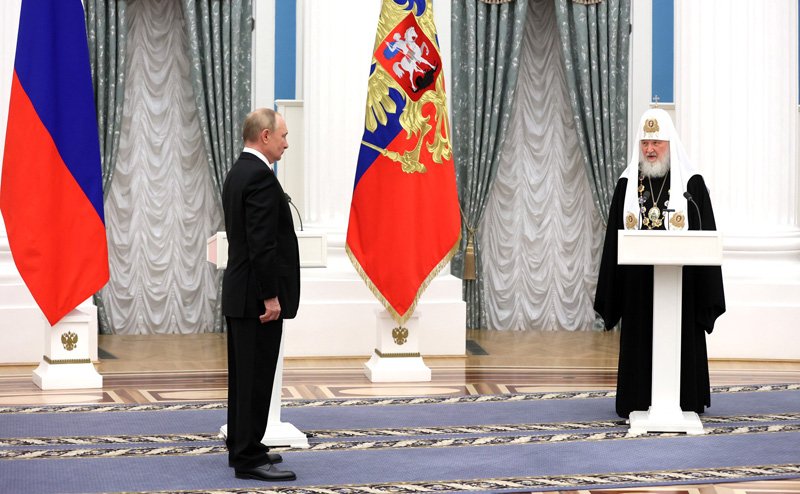
Russia’s historical relationship with religion is complex. The country has deep roots in Orthodox Christianity, which has historically played a significant role in shaping its national identity. However, in recent decades, the country has experienced a resurgence of interest in religious affairs, albeit framed through a distinctly Russian Orthodox lens. This resurgence has sparked discussions around the role of religion in state affairs, particularly in light of modern global issues.
The Role of Satanism in Russian Discourse
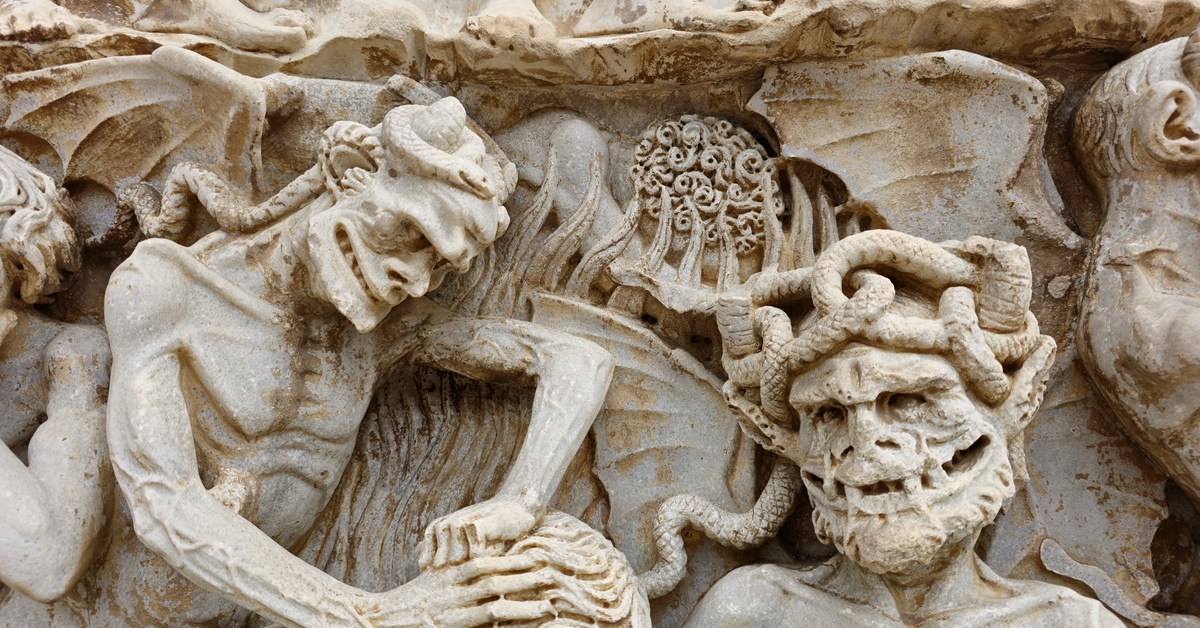
Satanism, often framed as a destructive force against Russian Orthodox Christianity, has found a place in contemporary Russian discourse as a tool of social and political mobilization. By framing certain groups, movements, or ideologies as “satanic,” Russian leaders have been able to strengthen their claims of moral authority and reinforce the traditional Christian values they wish to uphold. This connection between satanism and national identity is explored in rhetoric and public speeches by political and religious figures.
The Politics of Exorcism in Russia
Historical Roots of Exorcism Practices in Russia
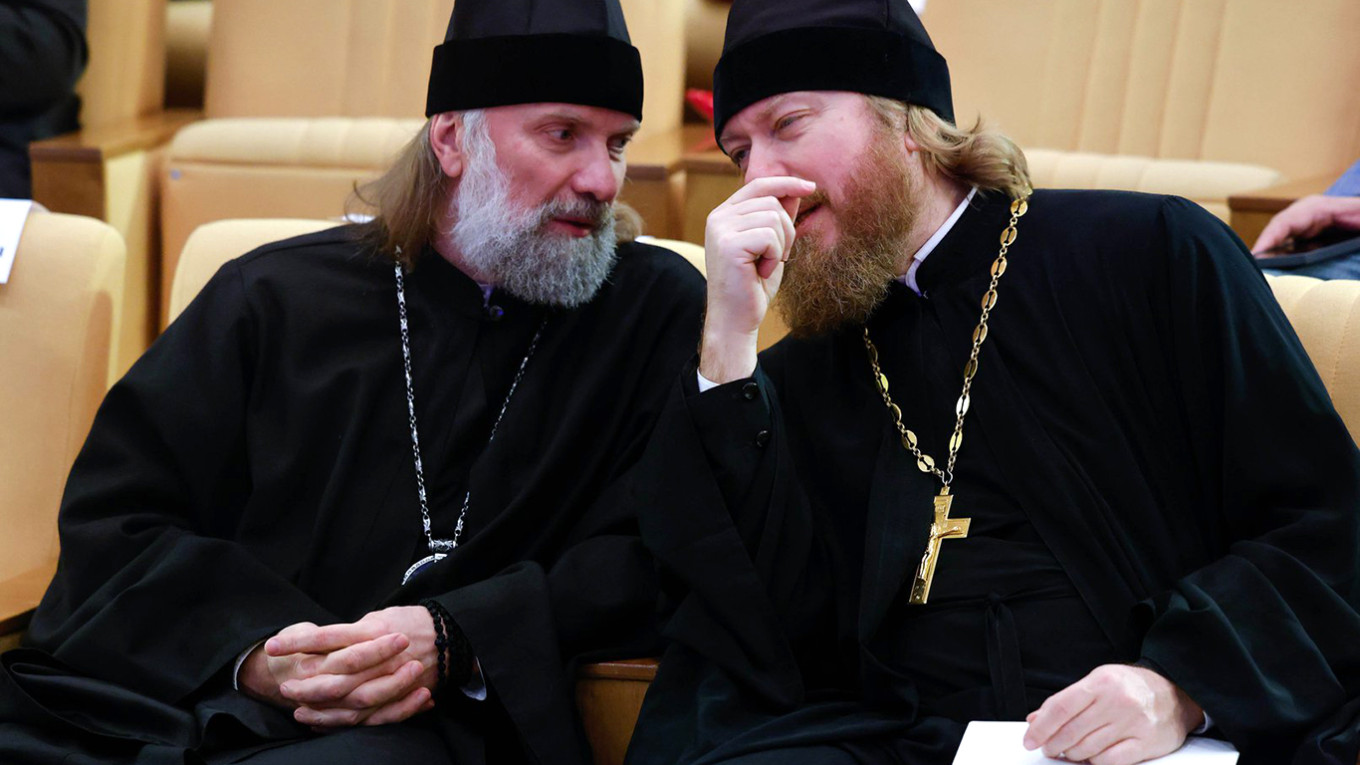
Exorcism has long been associated with the power to combat spiritual evil. The Orthodox Church has maintained traditional practices of exorcism, particularly in dealing with individuals who deviate from accepted societal norms or experience unexplained illnesses. In contemporary Russia, exorcism has become a symbolic practice intertwined with the notion of state control over public morality. It represents the ability of the Russian Orthodox Church to act as a moral authority in a rapidly changing world.
Exorcism as a Symbol of State Power
In the current Russian political climate, the practice of exorcism is being used not just as a religious ritual, but as a powerful symbol of the state’s ability to control both the physical and moral aspects of its citizens’ lives. This can be seen in how exorcism is increasingly portrayed in the media, public speeches, and state-supported religious institutions. Through the act of exorcism, the state reasserts its commitment to defending Orthodox Christianity and combating forces seen as detrimental to the country’s moral fabric.
The Intersection of Satanism, Exorcism, and Russian Political Rhetoric
Framing Satanism and Exorcism as National Issues
Russian political rhetoric increasingly frames satanism as an existential threat to the state and its people. By aligning satanism with both internal and external enemies, the state creates a narrative where the survival of Russian national identity depends on the rejection of foreign ideologies, such as liberalism, secularism, and globalism. This rhetoric elevates the fight against satanism and the promotion of exorcism to a matter of national security, further blurring the line between religious practices and political governance.
Exorcism as a Tool for Political Legitimacy
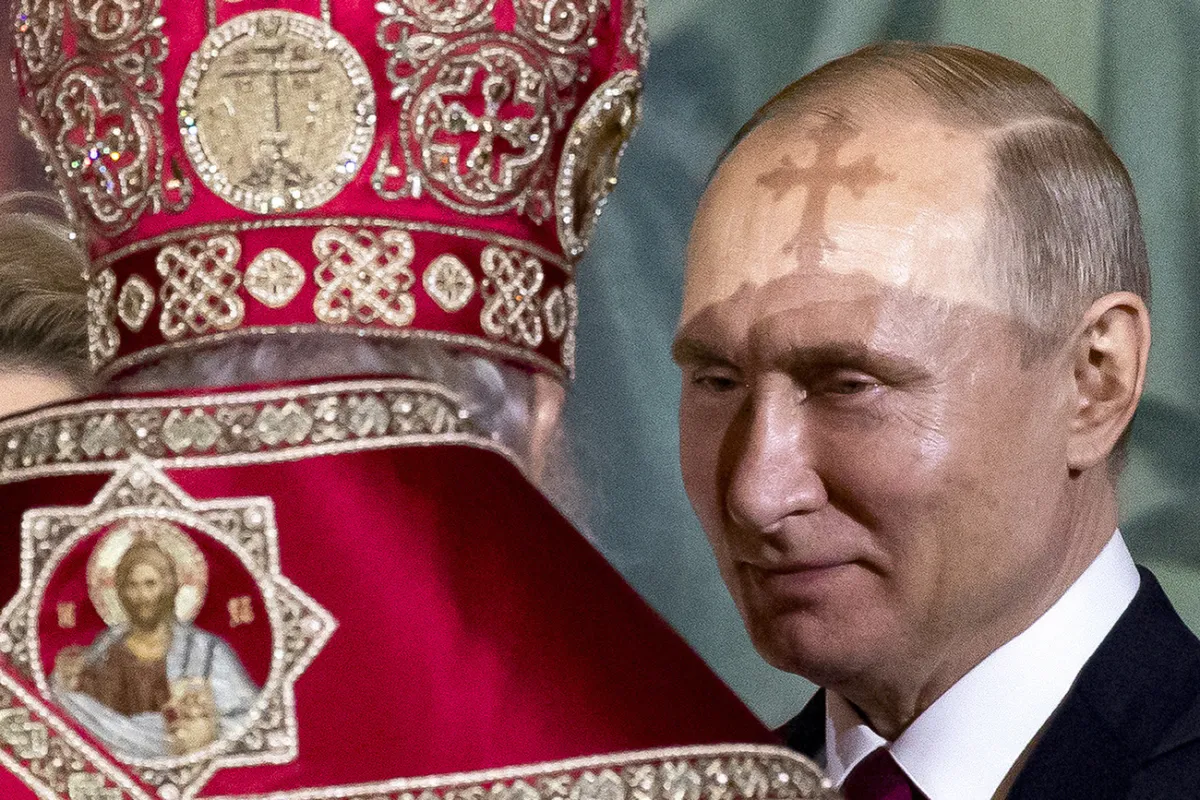
Exorcism in Russia is not just a religious practice but also a tool for political legitimacy. By positioning the church as a defender of the nation’s values, Russian political leaders and religious authorities can rally the populace around shared ideals. The state’s endorsement of exorcism as a symbol of moral clarity and spiritual purification solidifies the alliance between the church and the government. This relationship has profound implications for the future of religious and political discourse in Russia.
The Broader Implications for Russian Society and International Perception
The Impact of Satanism and Exorcism on Russian Society
The public discourse surrounding satanism and exorcism has polarized Russian society. While the Orthodox Church and state leaders use these concepts to unify and galvanize the population, others view them as a tool of oppression. Critics argue that these concepts are used to silence dissent and regulate behavior in ways that limit personal freedoms. The societal divide on these issues raises questions about the future of Russian democracy and the state’s role in shaping its citizens’ beliefs.
International Reactions and Russia’s Image on the World Stage
On the global stage, Russia’s use of satanism and exorcism rhetoric has led to increased scrutiny. Western observers often see these practices as a reflection of authoritarian tendencies, while others view them as part of a larger, long-standing effort to control the spiritual and moral dimensions of Russian life. This article explores how the world views Russia’s political use of religion, and how these practices may affect Russia’s international relations moving forward.
Conclusion
The rise of satanism and exorcism in contemporary Russian rhetoric underscores a broader cultural and political strategy aimed at reinforcing the Russian state’s moral authority and political control. Through the use of these powerful symbols, the state not only aims to maintain traditional religious values but also to solidify its place as the ultimate arbiter of Russian identity. As these discussions continue to shape public discourse, it remains to be seen how they will affect Russian society in the long term. The intertwining of religion and politics in Russia raises critical questions about the balance between state power and personal freedom, and the future of democratic values in the country.