
When scientists with Mexico’s National Institute of Anthropology and History (INAH) revealed this week that they had unearthed a 1,400‑year‑old burial tomb in the southern state of Oaxaca, the world of archaeology took immediate notice. Not because it was merely ancient, but because the elaborate craftsmanship, symbolic carvings, and vivid murals inside this Zapotec tomb were exceptionally well‑preserved — offering one of the most intimate glimpses yet into the funeral rites, spiritual cosmology, and social hierarchies of a civilization that flourished long before the Spanish conquest.
Table of Contents
In the Heart of Oaxaca
The tomb was uncovered in San Pablo Huitzo, nestled within the Central Valleys of the Mexican state of Oaxaca — a region rich in pre‑Hispanic history and the ancestral home of the Zapotec civilization. Built around the year 600 C.E. during the Late Classic period of Zapotec dominance, the burial site appears to have belonged to a person of high status, possibly a leader or revered figure.
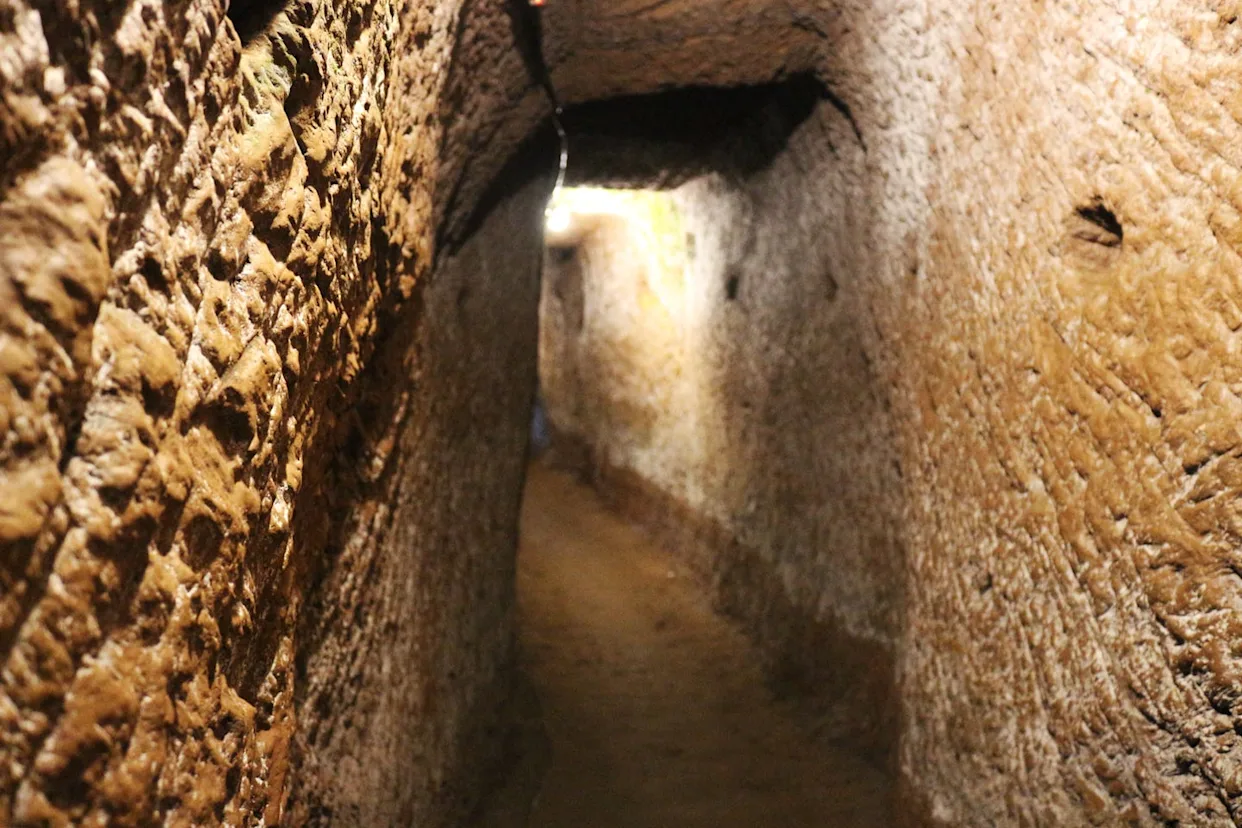
The discovery followed reports of suspected looting in the area, which prompted local authorities to investigate. What they found beneath centuries of soil and debris was beyond expectations: layered chambers, meticulously carved stonework, and multiple artistic elements that hint at religious beliefs and funerary practices rarely preserved in the archaeological record.
A Giant Owl at the Threshold of the Afterlife
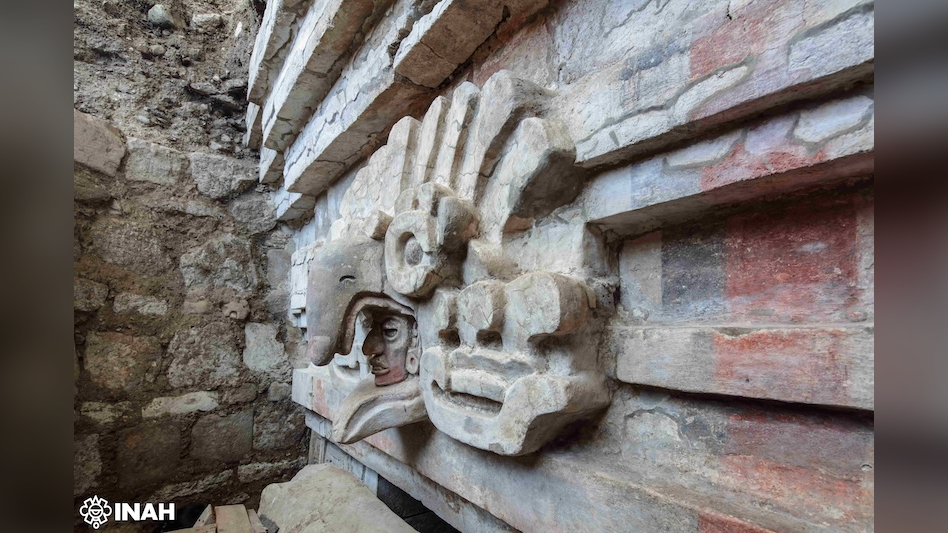
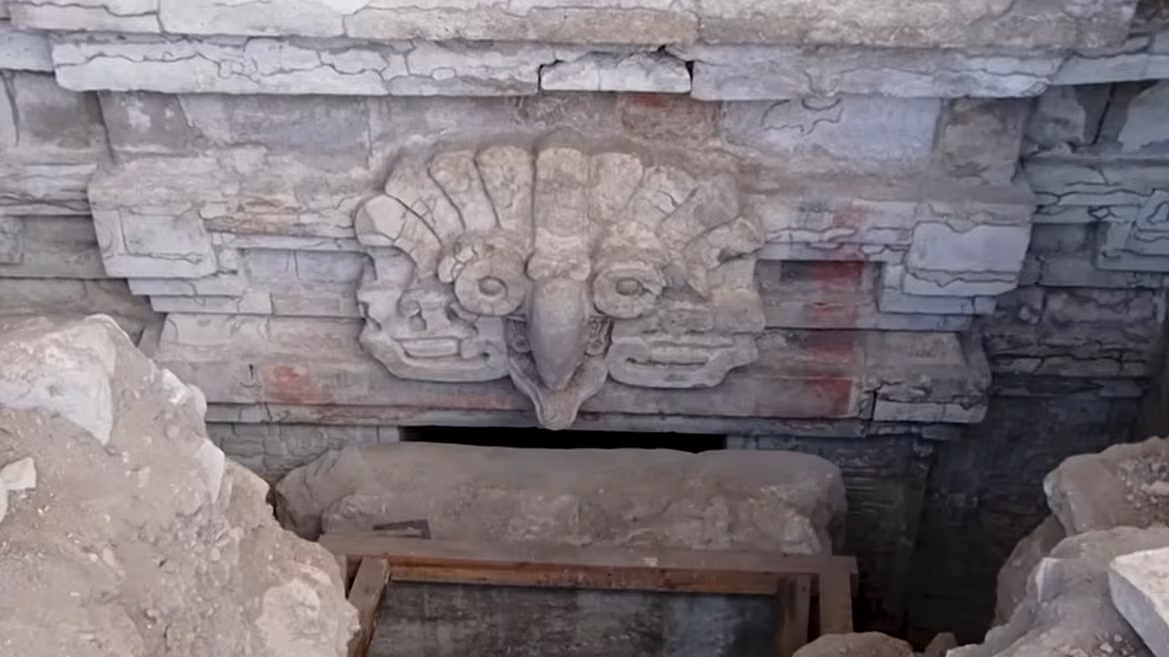
Perhaps the most striking feature of the tomb is the large owl sculpture perched above its entrance — enormous, expressive, and laden with symbolic meaning. In Zapotec culture, owls were foundational symbols associated with night, death, and spiritual transition. Unlike many Mesoamerican civilizations where jaguars or eagles dominate iconography, the Zapotec embraced the owl as a messenger between the living world and the afterlife.
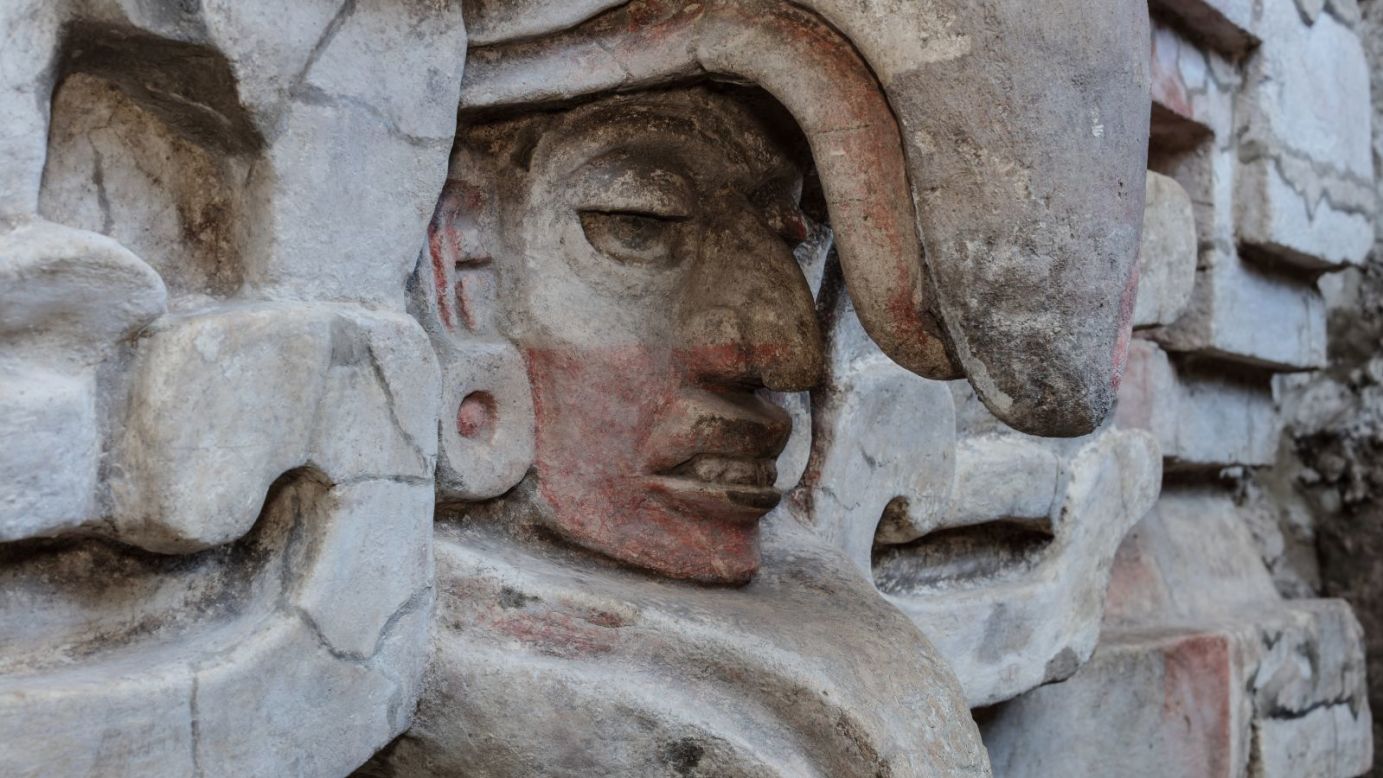
Carved out of stone and strategically placed to greet anyone approaching the burial chamber, the owl’s beak cradles the carved face of a human figure. Archaeologists tentatively interpret this as a portrait of the individual buried within, perhaps a powerful ruler or priest whose spirit was believed to journey beyond the earthly realm.
The Threshold and Its Guardians
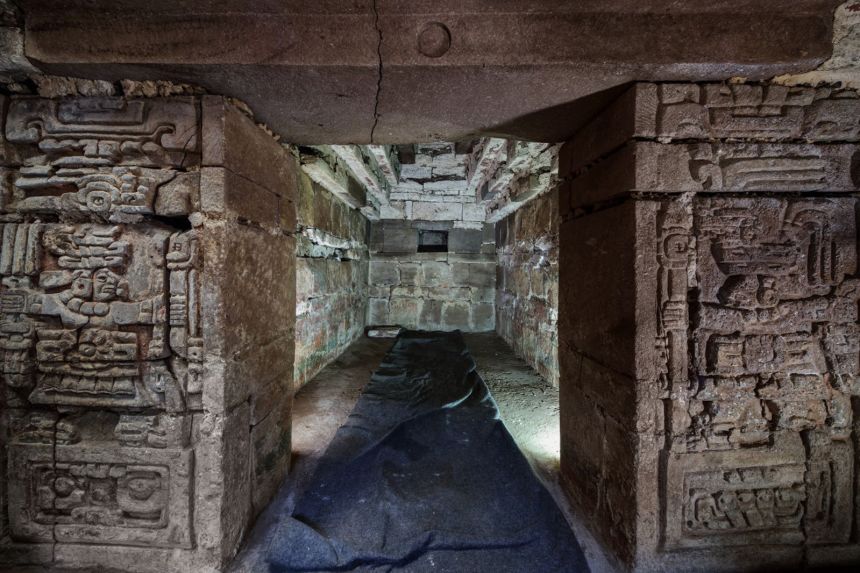
Beyond the owl, at the tomb’s doorframe, researchers found carved figures of a man and a woman — each holding objects that might have been ceremonial tools, offerings, or symbolic tokens. These figures could represent guardian spirits or ancestral figures meant to protect the tomb’s occupant or accompany them into the afterlife.
Between these life‑sized guardians, a horizontal stone beam carries engraved elements that resemble the Zapotec calendrical system — a sophisticated blend of timekeeping and cosmology that linked rulers’ birth dates to divine symbols. Such iconography underscores the Zapotec belief in cosmic cycles and the interconnectedness of ritual, rulership, and spiritual destiny.
Inside the Burial Chamber
Stepping deeper into the underground burial chamber, archaeologists encountered something virtually unheard of in Mesoamerican tombs: vivid, intact murals spanning ochre reds, verdant greens, stark whites, deep blues, and intricate ochres. These painted scenes depict a procession of figures — men and women carrying bundles of copal, a sacred tree resin used in many indigenous ceremonies throughout ancient Mexico.
Copal’s inclusion in this scene likely holds ritual significance: in many Pre‑Columbian traditions, it was burned during funerary rites to purify spaces, communicate with the gods, and honor the deceased. The procession may represent the soul’s journey, the community’s mourning rites, or even mythic scenes tied to Zapotec cosmology — elements that archaeologists are still deciphering.
Ritual and Significance
The level of preservation in the tomb is exceptional, prompting Mexican authorities and international scholars alike to call it one of the most significant archaeological finds of the last decade. President Claudia Sheinbaum publicly endorsed the site’s importance, highlighting that the artifacts, architectural details, and artistic motifs offer unprecedented insight into the Zapotec worldview, social structure, and ritualistic life.
Culture Secretary Claudia Curiel de Icaza echoed this assessment, noting that the tomb’s art, carvings, and murals are remarkably intact — despite centuries of environmental pressure. From a historical perspective, such preservation is rare, especially in regions where tombs and monuments have often been damaged by looting, weathering, or human development.
The Zapotec Civilization
To understand the significance of this discovery, one must first appreciate the civilization that created it. The Zapotecs — often referred to by archaeologists as the “Cloud People” — were one of the most enduring and influential indigenous cultures in Pre‑Columbian Mesoamerica. Their society existed for over two millennia, with roots stretching back as far as 700 B.C. and continuing — culturally and linguistically — into the present day.
Centered around monumental urban centers such as Monte Albán and Mitla in Oaxaca, the Zapotecs developed one of the earliest writing systems in the Americas, sophisticated calendrical traditions, advanced agricultural techniques, and richly symbolic religious systems that intertwined reverence for ancestors with natural and cosmic cycles.
Even after the Spanish conquest of the 16th century, Zapotec culture persisted. Today, hundreds of thousands of people in Oaxaca and beyond still speak variants of the Zapotec language and maintain cultural traditions that trace back to their ancient heritage.
Conservation Challenges and Scientific Work Ahead
Despite the awe inspired by the tomb’s murals and carvings, conservationists face a pressing challenge: preserving what has survived 14 centuries underground. Root intrusion, insect activity, fluctuating humidity, and subtle shifts in temperature all work against the delicate pigments and carved stone surfaces.
A multidisciplinary team of experts — from archaeologists and conservation scientists to chemists and bioanthropologists — is now working at the site. Their mission extends beyond documentation; it includes stabilizing fragile murals, cataloging iconography, analyzing ceramic shards, and studying any human remains or skeletal fragments carefully recovered from the tomb.
These efforts aim to safeguard not just this tomb, but also the story it tells: how the Zapotec perceived death, honored the dead, and wove spiritual cosmology into the very fabric of their built environments.
Contextual Importance
According to Mexico’s cultural authorities, this discovery is more than an archaeological marvel — it is a national treasure. Officials have pledged long‑term support for both preservation and research, ensuring that future generations can appreciate what this tomb reveals about humanity’s early achievements in spirituality, art, and communal life.
Beyond academic circles, the find has ignited interest among the general public, indigenous communities, and global heritage organizations. Discussions are already underway about how the site could be responsibly presented to the public, possibly as part of broader educational and cultural programs in Oaxaca.
Beyond the Tomb
As research continues, scholars believe the Huitzo tomb may be just one chapter in a larger archaeological narrative waiting to be told. Remote sensing techniques such as ground‑penetrating radar and advanced survey methodologies have already hinted at possible subterranean networks and related structures nearby — suggesting that this tomb may be part of a wider ritual or burial complex tied to ancient Zapotec ceremonial traditions.
If so, future discoveries could reshape our understanding of how the Zapotec people for centuries perceived life, death, spirituality, and the cosmos — providing yet more clues about one of Mesoamerica’s most enduring cultures.
Conclusion
In the arid valleys of Oaxaca, beneath the sun that has illuminated civilizations for millennia, archaeologists have opened a window into a world long gone but not forgotten. The 1,400‑year‑old Zapotec tomb adorned with owl iconography, ceremonial murals, and symbolic carvings stands not just as an archaeological site, but as a testament to human creativity, ritual belief, and the timeless desire to understand life’s beginning and end.
As scholars preserve, study, and interpret these silent stones and painted figures, the tomb continues to speak — across centuries, across cultures, and across the boundaries of what we thought we knew about ancient Mesoamerica.