
Table of Contents
- The Press Conference That Reignited the Debate
- Why the Epstein Files Still Matter
- Political Stakes for the Trump Administration
- Legal Complexities Behind Document Release
- Public Trust and Institutional Accountability
- The Broader Context of Transparency Battles
- Victims at the Center of the Case
- Potential Consequences of Full Disclosure
- What Happens Next
- Conclusion
The Press Conference That Reignited the Debate
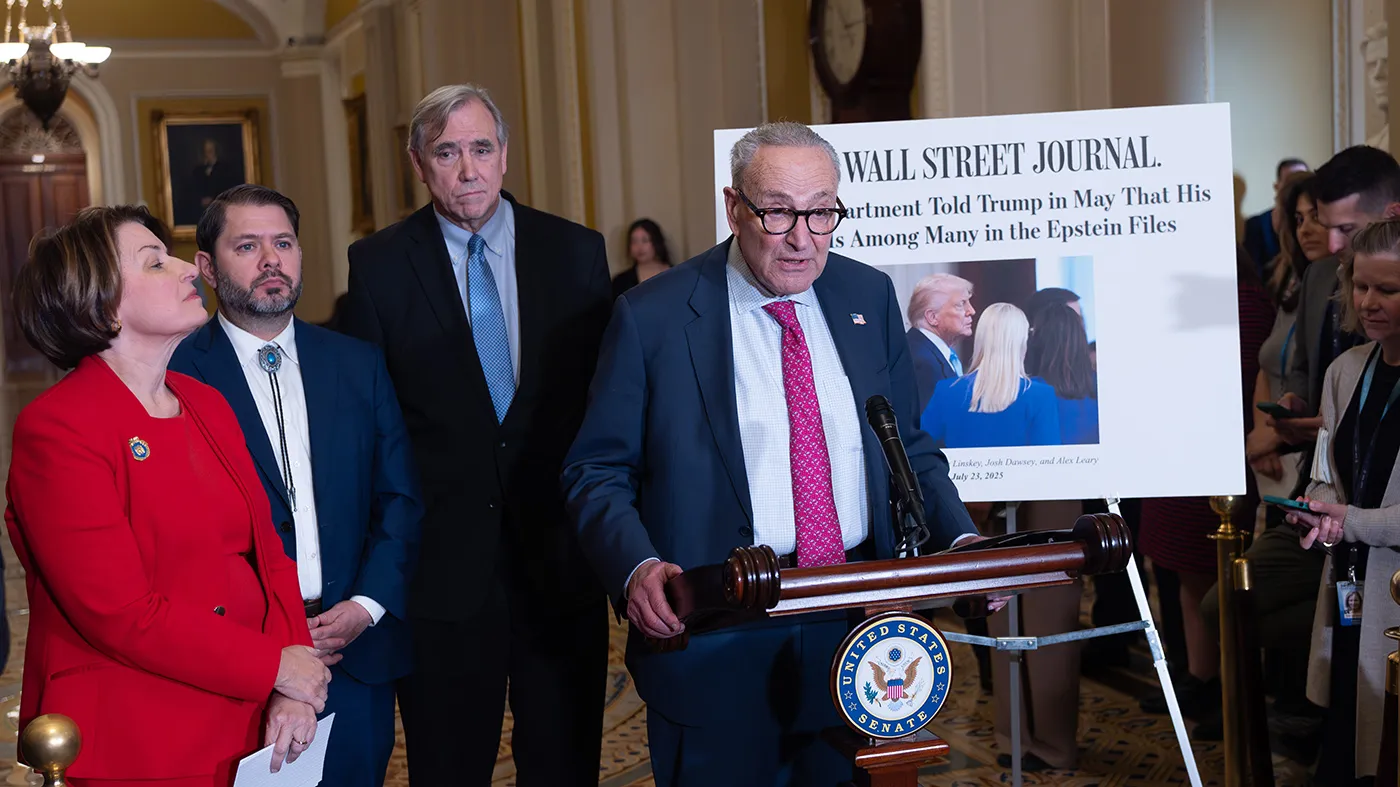
During the press conference in Washington, Senate Democrats called directly on the Trump administration to release the entirety of the Epstein files. They framed their demand as a matter of public trust and national accountability. According to the lawmakers, piecemeal disclosures and limited document releases have only deepened confusion and fueled speculation.
The senators emphasized that the case involves not only criminal misconduct but also potential institutional failures. They argued that full transparency is necessary to understand how Epstein was able to operate for years despite previous investigations and convictions. By calling for the complete release of records, they positioned themselves as advocates for openness in government.
The tone of the press conference reflected frustration. Lawmakers suggested that withholding information undermines public confidence in the justice system. The message was clear: partial disclosure is not enough.
Why the Epstein Files Still Matter

Jeffrey Epstein’s arrest and subsequent death in federal custody triggered international headlines. The case touched powerful figures in business, politics, academia, and entertainment. While Epstein himself is no longer alive to stand trial, the broader questions about his network remain unresolved in the public eye.
The term Epstein files refers to investigative records, court documents, communications, flight logs, financial transactions, and internal government communications connected to the case. Some documents have been released through court proceedings, while others remain sealed or heavily redacted.
For many Americans, the unresolved nature of the case represents unfinished accountability. The perception that influential individuals may have escaped scrutiny has kept the story alive. Senate Democrats are tapping into that lingering concern by pressing for comprehensive disclosure.
Political Stakes for the Trump Administration
The renewed call for the release of the Epstein files places political pressure on the Trump administration. While Epstein’s legal troubles spanned multiple administrations, the demand for full disclosure has become part of the broader political landscape.
Democrats argue that transparency should transcend partisan politics. They insist that the issue is not about party loyalty but about restoring faith in federal institutions. However, critics on the other side contend that the timing of such demands can carry political undertones.
The administration faces a delicate balancing act. On one hand, releasing documents could signal a commitment to transparency. On the other, it may involve sensitive information, privacy concerns, or ongoing investigative details. Navigating these competing pressures requires careful legal and political judgment.
Legal Complexities Behind Document Release

Releasing the full Epstein files is not as simple as uploading documents to a public database. Many of the records involve sealed court materials, grand jury testimony, and sensitive information about victims. Federal law imposes strict confidentiality rules in certain proceedings.
Grand jury materials, for example, are traditionally protected to preserve the integrity of investigations and the privacy of individuals who testify. Even in high profile cases, courts often resist wholesale disclosure. Additionally, victims’ rights laws require careful handling of identifying information.
Senate Democrats acknowledge these complexities but argue that mechanisms exist to release information responsibly. They suggest that redactions can protect victims while still providing greater transparency about institutional actions and investigative decisions.
Public Trust and Institutional Accountability
The push for the Epstein files reflects a deeper crisis of trust in public institutions. Surveys show that Americans across the political spectrum harbor skepticism about government transparency. High profile controversies tend to amplify those doubts.
In the Epstein case, questions about how he secured lenient treatment in earlier legal proceedings have fueled suspicion. Critics argue that wealth and connections may have influenced outcomes. While definitive proof of systemic favoritism remains debated, the perception itself has been damaging.
By calling for full disclosure, Senate Democrats aim to address that perception. They contend that sunlight remains the most effective disinfectant. Whether full transparency can restore public confidence remains uncertain, but the demand underscores the intensity of public scrutiny.
The Broader Context of Transparency Battles

The debate over the Epstein files fits into a larger pattern of transparency conflicts in Washington. From classified documents to investigative records, disputes over what should be public often dominate political headlines.
Advocates of disclosure argue that democracy depends on informed citizens. Opponents caution that reckless transparency can compromise privacy, security, or ongoing investigations. Striking the right balance remains one of the most persistent challenges in governance.
In this context, the Epstein files represent a flashpoint. They combine criminal misconduct, elite associations, and institutional decision making. Few cases carry such symbolic weight.
Victims at the Center of the Case
Amid political debates, it is essential not to lose sight of the victims. Epstein’s crimes involved exploitation and abuse. Survivors have spoken publicly about their experiences and the long struggle for justice.
Any discussion of releasing investigative files must consider the impact on those individuals. While transparency can promote accountability, it can also risk retraumatization if sensitive details become public.
Lawmakers advocating for release have stressed the importance of protecting victims’ identities. They argue that greater disclosure about government actions does not require exposing survivors to further harm. Balancing these priorities will be central to any decision.
Potential Consequences of Full Disclosure

If the full Epstein files were released, the political and legal consequences could be significant. Additional names, communications, or investigative findings might emerge. Such revelations could reignite public outrage or lead to further legal actions.
Conversely, comprehensive disclosure could also dispel unfounded rumors. In the absence of complete information, speculation tends to flourish. Providing a fuller record might clarify what was known, what was investigated, and what conclusions were reached.
The unpredictability of outcomes adds to the tension surrounding the demand. Transparency can illuminate, but it can also complicate.
What Happens Next
Whether the Trump administration will comply with the call to release the entire Epstein files remains uncertain. Legal review processes, court rulings, and executive decisions will shape the outcome.
Some lawmakers have hinted at potential legislative actions to compel disclosure. Others suggest that court petitions may play a role. The issue is likely to remain active in the political arena.
For the public, the case continues to symbolize unresolved accountability. The demand for full transparency signals that, years later, the Epstein saga still resonates deeply.
Conclusion
The call by Senate Democrats to release the full Epstein files is not merely a procedural request. It reflects enduring questions about justice, influence, and transparency in American governance. The case of Jeffrey Epstein exposed troubling realities about exploitation and power. The lingering secrecy surrounding certain records has kept those questions alive.
Releasing the entire body of investigative documents could mark a turning point. It could clarify institutional decisions, dispel rumors, and reinforce accountability. It could also reopen debates and expose new controversies.
At its core, the dispute over the Epstein files underscores a fundamental tension in democracy. Citizens demand openness, yet institutions operate within legal and procedural constraints. How this tension is resolved will shape not only the legacy of the Epstein case but also the broader trajectory of public trust in government.