

Table of Contents
What Happened in Thailand
Authorities in Thailand confirmed that dozens of tigers died after a virus outbreak spread through a wildlife facility. The deaths occurred over a relatively short period, alarming veterinarians and conservation officials who had initially struggled to identify the exact cause of illness.
Reports indicated that the infected animals showed symptoms consistent with a contagious viral disease. As more tigers became sick, emergency containment measures were implemented. Veterinary teams isolated affected animals, increased sanitation protocols, and began testing to determine the strain responsible for the outbreak.
The scale of the losses quickly transformed what might have been considered a localized health issue into a national and international wildlife concern. Tigers are not only symbols of Thailand’s biodiversity but also key participants in breeding and conservation programs aimed at stabilizing global populations.
Why Tigers Are So Vulnerable
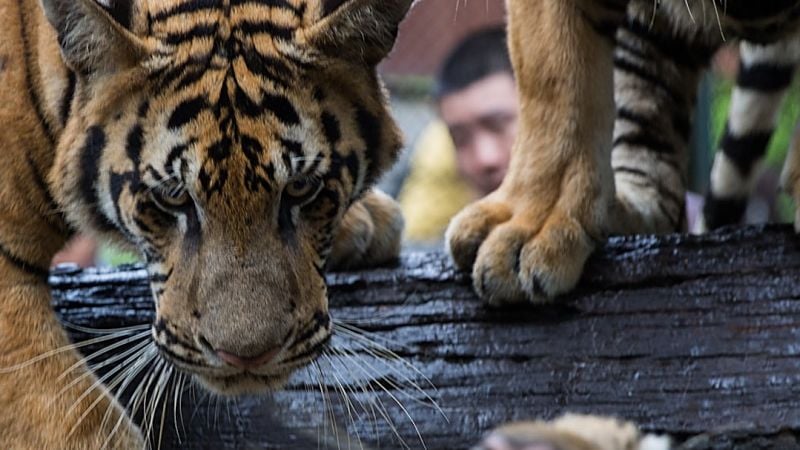
Tigers are already under immense pressure from habitat loss, poaching, and human encroachment. With fewer than 4,000 wild tigers estimated to remain globally, every individual counts. In captivity, tigers are often part of managed breeding programs designed to preserve genetic diversity.
However, captive environments can present unique risks. While such facilities offer protection from poachers and habitat destruction, they also create conditions where infectious diseases can spread rapidly. Close proximity between animals increases transmission risk, particularly if biosecurity measures fail or if a pathogen is introduced unexpectedly.
Unlike wild populations, which are dispersed across large territories, captive tigers often live within limited enclosures. This proximity can turn a single infection into a cluster outbreak within days.
Identifying the Virus
Veterinary authorities began testing samples from affected animals to determine the virus responsible. Early findings suggested a highly contagious pathogen capable of causing severe respiratory or systemic symptoms in large cats.
Wildlife virologists emphasize that viruses affecting big cats can originate from multiple sources. Some may come from domestic animals, such as dogs or livestock, while others circulate naturally in wild populations. Cross species transmission is a well documented phenomenon, especially in regions where wildlife and domestic animals share overlapping environments.
The identification process involves laboratory analysis, genetic sequencing, and comparison with known viral strains. Understanding the specific pathogen is crucial for determining whether vaccines exist, how it spreads, and how to prevent future outbreaks.
Immediate Containment Efforts

As the outbreak unfolded, Thai authorities implemented strict containment measures. Facilities restricted access to staff only. Enhanced sanitation practices were introduced, and movement between enclosures was minimized to prevent further transmission.
In some cases, quarantine zones were established. Veterinarians closely monitored healthy tigers for early signs of illness, hoping to isolate cases before they could spread. Supportive treatments were administered to infected animals, though viral diseases in big cats can progress rapidly.
These containment efforts reflect lessons learned from previous wildlife outbreaks around the world. Speed is essential. Delayed responses can allow infections to spiral beyond control.
The Conservation Impact
The deaths of dozens of tigers represent more than a numerical loss. Each tiger may carry unique genetic traits valuable for breeding programs. Losing multiple individuals at once can disrupt long term conservation strategies.
Global tiger conservation initiatives rely on coordinated efforts between countries. Breeding programs aim to maintain healthy, genetically diverse populations that could potentially support wild reintroduction efforts. A major outbreak in one facility can ripple through these networks.
Moreover, public confidence in wildlife facilities may be shaken. Donors, tourists, and international partners often support conservation projects financially. An outbreak of this scale raises questions about disease preparedness and biosecurity standards.
Disease and Wildlife in a Changing World

The Thailand tiger outbreak also highlights a broader issue. Wildlife diseases are becoming more frequent and more complex. Environmental changes, deforestation, and climate shifts alter animal habitats and migration patterns. These disruptions can increase contact between species and facilitate the spread of pathogens.
Infectious disease experts warn that as ecosystems become fragmented, the likelihood of spillover events may rise. The same ecological pressures that affect humans through emerging diseases also impact wildlife populations.
Large predators like tigers are particularly vulnerable because their populations are already limited. A disease outbreak that might be manageable in a large, stable species can become catastrophic in an endangered one.
Lessons from Past Outbreaks
Wildlife conservation history includes several notable disease crises. Big cats in other parts of the world have suffered from canine distemper virus and feline viruses that crossed species boundaries. In some African lion populations, viral outbreaks significantly reduced numbers in a matter of months.
These historical precedents underscore the importance of surveillance and vaccination strategies where feasible. Some facilities vaccinate captive animals against known pathogens, though vaccines are not available for every virus.
The Thailand outbreak may prompt a reevaluation of preventive strategies, including stricter screening of animals, enhanced monitoring systems, and improved staff training.
The Role of Human Activity

Human activity often plays an indirect role in wildlife disease dynamics. Transportation of animals, habitat encroachment, and tourism can all influence exposure risks. Even well intentioned conservation efforts must account for these factors.
If a virus entered the facility through contact with domestic animals or contaminated materials, it would highlight the importance of perimeter control and community engagement. Surrounding areas must also be part of the prevention strategy.
Wildlife health is not isolated from human systems. It is interconnected with agriculture, urban expansion, and environmental management.
What Happens Next
Investigations into the exact cause and transmission pathway of the tiger virus outbreak are ongoing. Authorities will likely conduct comprehensive reviews of biosecurity protocols and facility management practices.
International conservation organizations may also become involved, offering expertise and support. The incident could lead to updated global guidelines for managing captive big cats, especially in regions with high biodiversity.
For Thailand, the immediate priority is preventing further losses. For the global community, the outbreak serves as a stark reminder of how fragile endangered species remain.
Conclusion
The virus outbreak that killed dozens of tigers in Thailand is a sobering event. It exposes the delicate balance between protection and vulnerability in wildlife conservation. Even in controlled environments, infectious diseases can move quickly and devastate endangered populations.
Beyond the immediate tragedy, this crisis raises fundamental questions about preparedness, ecological change, and the interconnectedness of human and animal health. As conservationists work to contain the outbreak and learn from it, the world is reminded that protecting iconic species like the tiger requires constant vigilance.