
Table of Contents
- Iran Warns US It Will Regret Any Military Aggression
- The Leadership Transition That Changed Iran’s Political Landscape
- A Message Directed Squarely at Washington
- Why the Conflict Has Reached a Dangerous Point
- Iran’s Military Strategy and Deterrence
- The United States Perspective
- Global Reaction to Iran’s Warning
- The Human and Economic Stakes
- What Happens Next
- A Region Watching the Brink
Iran Warns US It Will Regret Any Military Aggression
When Iranian officials declared that the United States would regret any act of aggression, the statement quickly reverberated across the global political landscape. The warning came during a moment of extraordinary tension in the Middle East, a period marked by military strikes, leadership upheaval, and rising fears that the conflict could spiral into something far larger than a regional dispute.
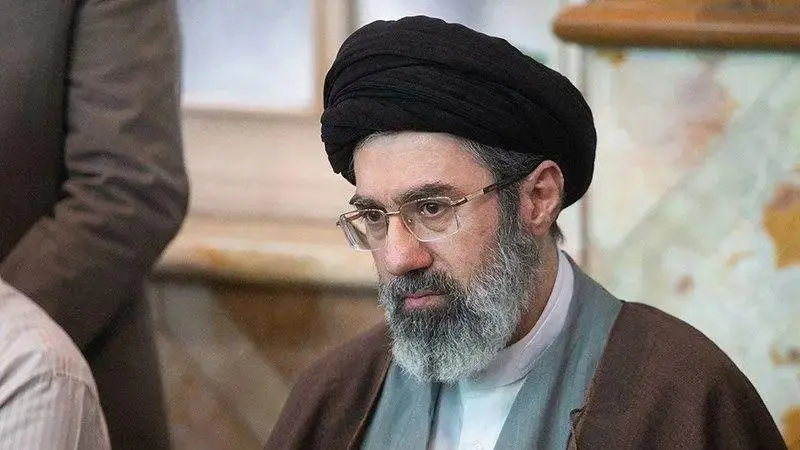
The message was delivered under the leadership of Iran’s newly appointed Supreme Leader, Mojtaba Khamenei, who assumed power during one of the most volatile moments in the country’s modern history. His rise followed the death of his father, Ayatollah Ali Khamenei, during a series of military strikes linked to the ongoing conflict involving Iran, Israel, and the United States.
For many observers, Iran’s statement was more than rhetoric. It was a declaration that the country intends to confront what it views as foreign aggression with decisive force. In a region already teetering on the edge of broader confrontation, such warnings have intensified global concern.
The Leadership Transition That Changed Iran’s Political Landscape
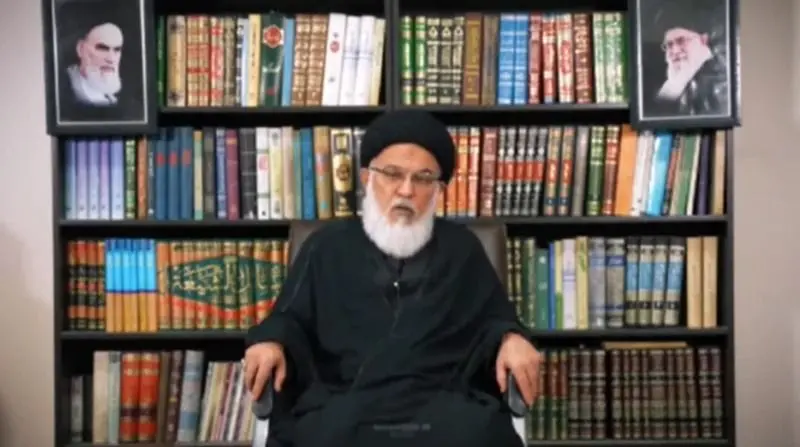
The death of Ayatollah Ali Khamenei marked one of the most dramatic turning points in Iran’s political system since the Islamic Republic was established in 1979. As the country’s Supreme Leader for decades, he held ultimate authority over Iran’s military, judiciary, and political direction.
Following his assassination in a military strike, Iran entered a brief period of uncertainty as a temporary leadership council assumed control while a successor was chosen.
The Assembly of Experts ultimately selected Mojtaba Khamenei as the new Supreme Leader. His appointment made history because it represented the first time power in the Islamic Republic passed directly from father to son.
Although Mojtaba had long been rumored to hold significant influence behind the scenes, he had never held major elected office. Nevertheless, his close ties to powerful political and military institutions inside Iran positioned him as a natural successor during the crisis.
His leadership now unfolds in the middle of escalating regional conflict.
A Message Directed Squarely at Washington
Iran’s warning that the United States would regret any aggression was framed as a response to growing military pressure in the region. Iranian officials insisted that their country does not seek war but will respond forcefully if attacked.
Statements from Iranian leadership emphasized that their military is fully prepared to defend the nation against foreign intervention. Iranian officials have repeatedly described any potential attack as a violation of sovereignty that would require a strong response.
Such rhetoric is not new in the long and complex relationship between Iran and the United States. For decades, both countries have exchanged warnings, sanctions, and diplomatic confrontations. However, the current situation carries far greater urgency due to the active military conflict already unfolding in the region.
Iranian leaders have suggested that any new strike by the United States could ignite a broader regional war.
Why the Conflict Has Reached a Dangerous Point
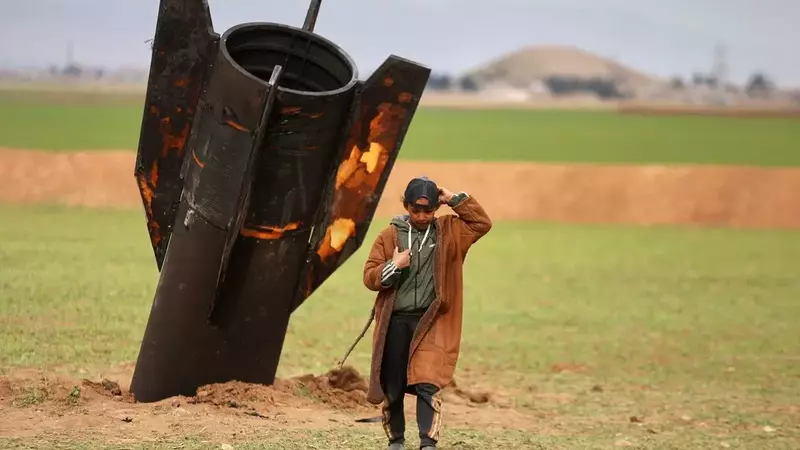
The latest crisis did not appear overnight. Instead, it developed through a series of escalating events involving regional rivalries, proxy conflicts, and international alliances.
Tensions rose dramatically after joint military strikes targeted Iranian leadership and strategic sites. These operations were seen by Tehran as a direct act of war. The strikes triggered retaliatory actions across the region, including missile and drone attacks.
As both sides exchanged threats and military moves, analysts began warning that the situation could quickly escalate beyond its original scope.
The Middle East has historically served as a geopolitical flashpoint where local disputes intersect with global power competition. With multiple nations holding strategic interests in the region, even limited conflicts can expand rapidly.
Iran’s warning to the United States reflects the belief that the next stage of escalation could involve direct confrontation between major powers.
Iran’s Military Strategy and Deterrence
Iran has long relied on a strategy that blends conventional military power with asymmetric tactics. The country possesses a significant missile arsenal, drone capabilities, and regional alliances with armed groups across the Middle East.
These capabilities allow Iran to project influence far beyond its borders.
Military analysts often describe Iran’s approach as one focused on deterrence. By demonstrating the ability to strike regional targets, Iranian leadership hopes to discourage adversaries from launching direct attacks.
Iranian officials argue that their defensive posture is necessary given the military presence of the United States in the region and the country’s long history of sanctions and diplomatic isolation.
This strategy helps explain why Tehran often responds to threats with strong warnings.
The United States Perspective
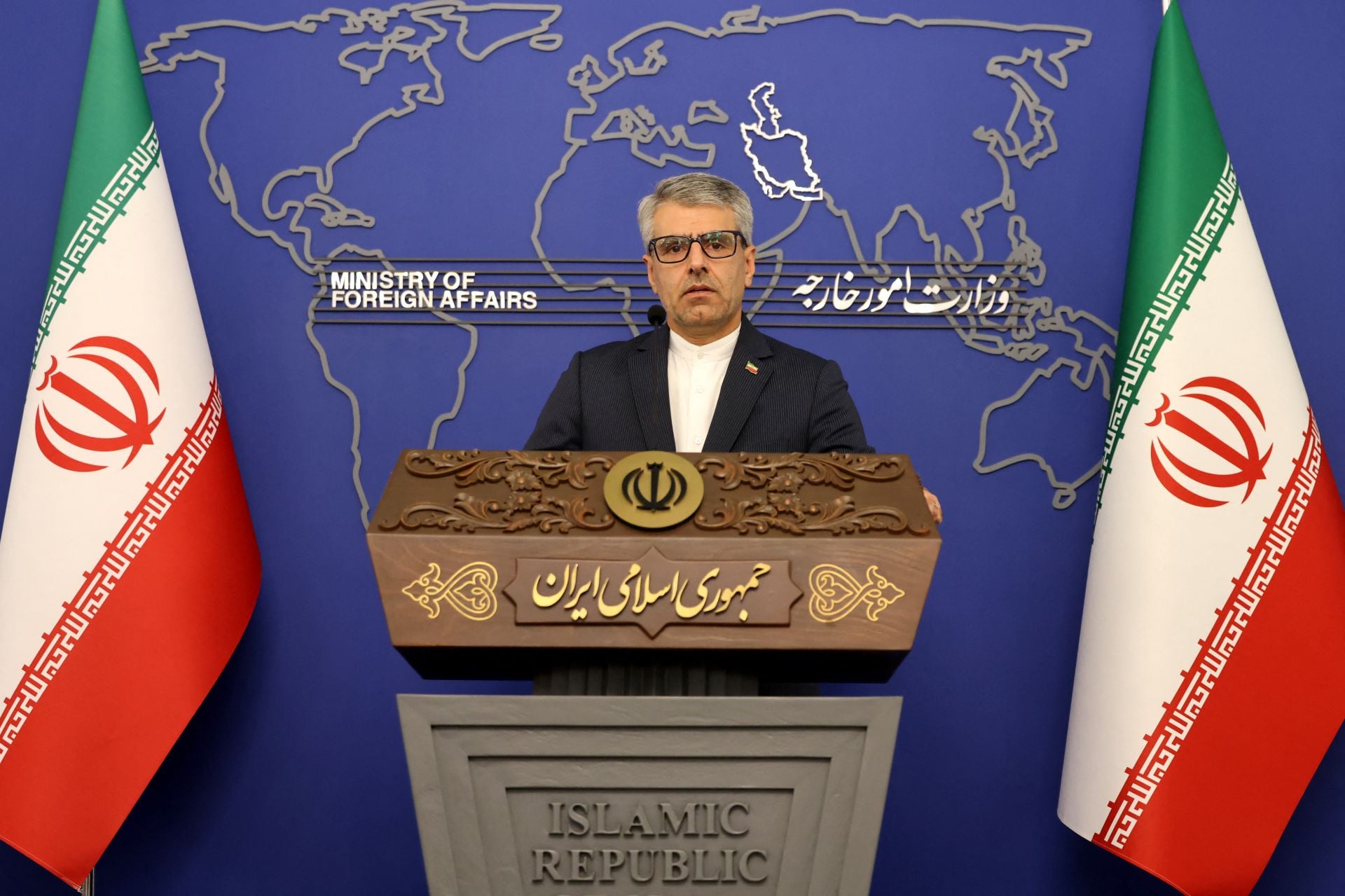
From Washington’s perspective, Iran remains a major security challenge. American leaders have long expressed concerns about Iran’s missile programs, regional alliances, and influence across the Middle East.
The United States has maintained military bases throughout the region for decades and continues to cooperate closely with allies such as Israel and Gulf states.
American officials argue that these military partnerships are essential for maintaining stability and protecting international trade routes.
At the same time, diplomatic tensions between Washington and Tehran have repeatedly undermined efforts to reach lasting agreements on nuclear policy, regional security, and sanctions.
The recent escalation has deepened these divisions.
Global Reaction to Iran’s Warning
Iran’s statement has drawn reactions from governments and analysts around the world. Some observers see the warning as a calculated attempt to deter further military action.
Others interpret it as evidence that the conflict is entering a more dangerous phase.
Global leaders have expressed concern that continued escalation could destabilize not only the Middle East but also international markets and diplomatic relations.
The region plays a central role in global energy supplies. Any disruption to shipping routes or oil infrastructure could have immediate consequences for economies worldwide.
Because of this, governments across Europe and Asia have called for restraint and renewed diplomatic dialogue.
The Human and Economic Stakes
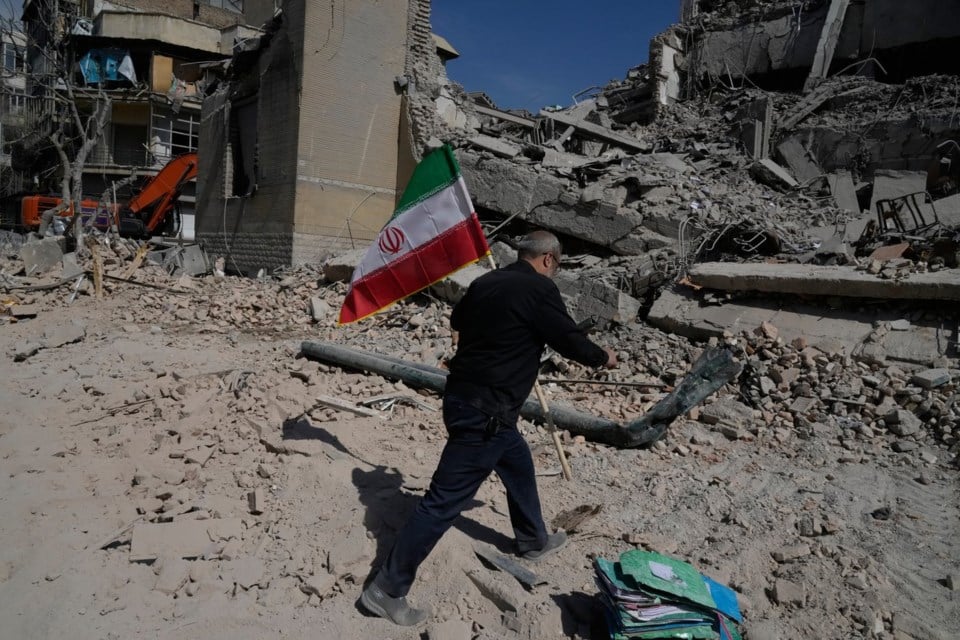
Behind the geopolitical calculations lies a reality that conflicts of this scale carry enormous human costs.
Wars in the Middle East have repeatedly produced humanitarian crises, displacement, and long term economic damage. Civilians often bear the heaviest burden as infrastructure collapses and essential services become disrupted.
The economic consequences can also ripple far beyond the battlefield.
Oil prices tend to surge during regional conflicts, affecting transportation costs, energy markets, and global inflation.
These pressures create additional incentives for international leaders to prevent further escalation.
What Happens Next
The future of the conflict remains uncertain. Much will depend on whether diplomatic channels can prevent further military escalation.
Iran’s warning that the United States would regret any aggression serves as both a deterrent and a signal of readiness for confrontation.
For policymakers around the world, the challenge lies in managing tensions without triggering a chain reaction that could pull additional countries into the conflict.
History has shown that regional wars can expand unexpectedly when alliances and strategic interests collide.
A Region Watching the Brink
As the world watches developments unfold, Iran’s warning underscores the fragile balance of power currently shaping the Middle East.
Under the leadership of Mojtaba Khamenei, Iran appears determined to project strength and resist foreign pressure. At the same time, the United States and its allies continue to view Iranian military capabilities as a major threat to regional stability.
The resulting standoff has created one of the most tense geopolitical environments in recent years.
Whether the crisis leads to further confrontation or renewed diplomacy remains unclear. What is certain is that the stakes are extraordinarily high, not only for the countries directly involved but for global security as a whole.