
Table of Contents
- Israel Iran Ceasefire Reveals China’s Limited Influence in War
- The Escalation That Shook the Region
- China’s Growing Presence in the Middle East
- Diplomacy Meets Geopolitical Reality
- The Challenge of Mediating Between Rivals
- The Role of the United States
- Economic Power Versus Strategic Power
- A Region of Competing Interests
- What the Ceasefire Really Revealed
- The Future of China’s Middle East Strategy
- A Changing Global Order
- What This Means for the Future
Israel Iran Ceasefire Reveals China’s Limited Influence in War
When news spread that Israel and Iran had reached a ceasefire after days of dangerous escalation, many governments around the world reacted with relief. The pause in hostilities appeared to offer a moment of calm in a region that had been edging closer to a much wider conflict. Yet beneath that relief lay a deeper geopolitical question. The crisis did not only reveal how fragile peace remains in the Middle East. It also exposed the limits of China’s ability to influence events in one of the most strategically important regions in the world.
For years, Beijing has worked to expand its diplomatic presence across the Middle East. Through economic partnerships, infrastructure projects, and political engagement, China has sought to position itself as a rising global mediator capable of shaping major international conflicts. However, the recent Israel Iran confrontation suggested that translating economic influence into real diplomatic power remains far more complicated than many expected.
The ceasefire may have prevented further escalation, but the events surrounding it highlighted a growing gap between China’s ambitions as a global power and its actual capacity to shape outcomes during fast moving crises.
The Escalation That Shook the Region

The latest confrontation between Israel and Iran did not emerge suddenly. Tensions between the two countries have simmered for decades, fueled by ideological rivalry, security concerns, and competing regional alliances. In recent years those tensions have intensified as both sides have expanded their military capabilities and strategic reach.
Israel has long viewed Iran’s regional influence and missile capabilities as a direct threat to its national security. Iranian leaders, on the other hand, frequently frame Israel as an adversary aligned with Western powers seeking to limit Iran’s influence across the Middle East.
The recent escalation involved a series of strikes, retaliatory threats, and rising military alerts across the region. As fears of a wider war grew, international pressure mounted on both sides to step back from the brink.
Diplomatic efforts eventually led to a ceasefire agreement that paused the immediate fighting. While the ceasefire brought temporary relief, it also raised questions about which global powers were able to shape the outcome and which were not.
China’s Growing Presence in the Middle East
Over the past two decades China has dramatically expanded its economic and political footprint across the Middle East. The region plays a critical role in China’s long term strategic planning, particularly when it comes to energy security and international trade.
China imports a large share of its oil from Middle Eastern countries. Maintaining stable relations with the region therefore represents a core national interest for Beijing. Beyond energy, China has also invested heavily in infrastructure projects through its global development initiatives.
Ports, railways, industrial zones, and telecommunications projects have connected Chinese companies with economies throughout the region. These partnerships have strengthened China’s image as a powerful economic partner capable of driving development.
Because of these expanding ties, many observers expected China to eventually play a stronger diplomatic role in regional conflicts. Some analysts believed Beijing might emerge as an alternative mediator capable of balancing the influence of Western powers.
The recent Israel Iran crisis, however, demonstrated that economic partnerships do not automatically translate into political leverage.
Diplomacy Meets Geopolitical Reality
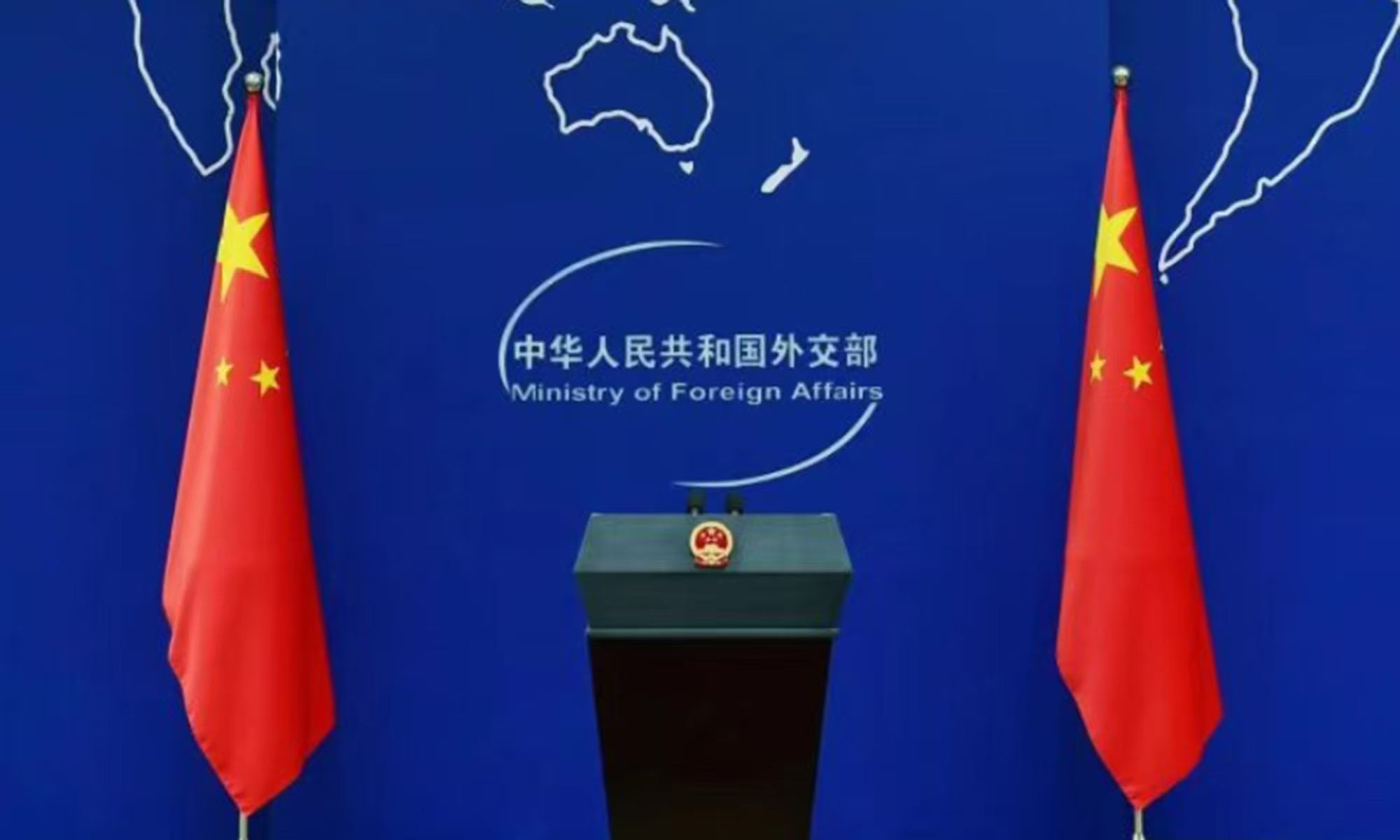
Diplomacy in the Middle East operates within a complex web of alliances, rivalries, and historical tensions. Even powerful countries often struggle to influence events once military escalation begins.
China’s approach to international diplomacy typically emphasizes dialogue, economic cooperation, and non interference in domestic affairs. While this strategy has helped Beijing build partnerships across many regions, it can also limit the country’s ability to intervene decisively in security crises.
During the Israel Iran escalation, China called for restraint and dialogue. Chinese officials urged all parties to avoid further military action and return to diplomatic negotiation.
These statements reflected Beijing’s broader foreign policy philosophy, which often prioritizes stability and conflict avoidance.
However, statements alone rarely determine the outcome of conflicts involving deeply entrenched security concerns.
The Challenge of Mediating Between Rivals
One of the central challenges facing any mediator in the Middle East is the difficulty of maintaining trust with all sides simultaneously. Israel and Iran remain deeply suspicious of each other, and both countries are cautious about outside influence.
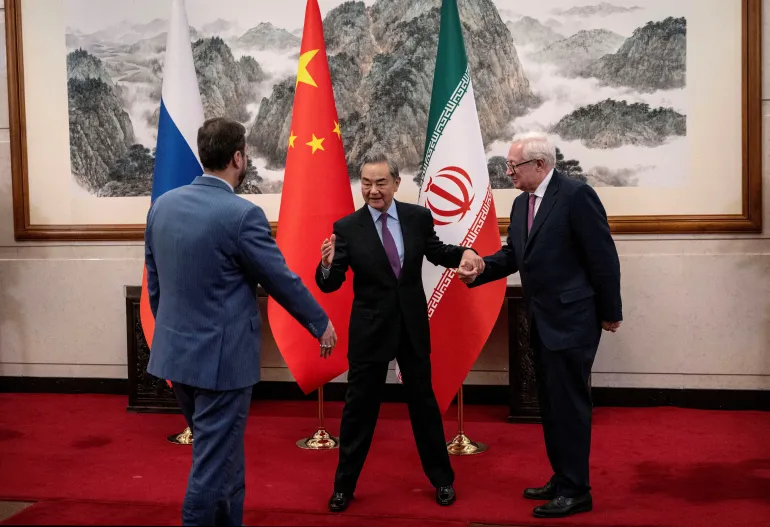
China maintains diplomatic relations with both Israel and Iran, which theoretically positions it as a potential mediator. Yet this balance also creates limitations. Any strong move perceived as favoring one side risks damaging relations with the other.
Additionally, the security dynamics of the region involve numerous actors beyond Israel and Iran. Regional powers, international alliances, and military partnerships all influence how conflicts evolve.
These overlapping interests make mediation extremely difficult, even for countries with significant global influence.
The Role of the United States
While China has increased its presence in the Middle East, the United States remains the most influential external power in the region’s security architecture.
For decades Washington has maintained military bases, defense partnerships, and security agreements with several countries across the region. These relationships provide the United States with significant leverage during times of crisis.
When conflicts escalate, American diplomatic and military engagement often plays a decisive role in shaping outcomes.
This dynamic helps explain why China’s influence during the Israel Iran crisis appeared limited. Despite Beijing’s economic presence, the security structure of the region still revolves largely around American alliances and military capabilities.
As long as this structure remains in place, China’s ability to directly influence regional conflicts may remain constrained.
Economic Power Versus Strategic Power
The Israel Iran ceasefire highlighted an important distinction in global politics. Economic power does not automatically translate into strategic or military influence.
China’s economic partnerships across the Middle East are extensive and continue to grow. However, security crises often revolve around military deterrence, intelligence networks, and defense alliances.
Countries that possess strong military partnerships and defense commitments tend to hold greater influence during conflicts.
China has historically avoided forming formal military alliances in the region. This approach aligns with its preference for non intervention, but it also reduces Beijing’s leverage when crises escalate.
As a result, China often finds itself in a position where it can advocate for peace but lacks the mechanisms needed to enforce or shape security outcomes.
A Region of Competing Interests

The Middle East remains one of the most complex geopolitical environments in the world. Multiple powers pursue their interests there simultaneously.
Regional states seek security, influence, and economic development. External powers pursue energy access, strategic positioning, and political partnerships.
These overlapping objectives create a landscape where conflicts can quickly become internationalized.
China’s challenge lies in navigating this environment while maintaining balanced relations with competing actors.
On one hand, Beijing wants to deepen economic cooperation across the region. On the other hand, it must avoid becoming entangled in the political rivalries that often accompany security conflicts.
The Israel Iran confrontation demonstrated how difficult that balancing act can be.
What the Ceasefire Really Revealed
At first glance the ceasefire between Israel and Iran appeared to mark a diplomatic success. The immediate fighting stopped, and the risk of rapid escalation decreased.
Yet the broader geopolitical implications extend far beyond the ceasefire itself.
The crisis served as a real world test of China’s growing role in global diplomacy. While Beijing voiced support for peace and stability, it played only a limited role in shaping the final outcome.
This does not mean China lacks influence entirely. Its economic relationships and political ties remain significant.
However, the events highlighted that Beijing’s influence is still evolving and may not yet match its ambitions as a global diplomatic power.
The Future of China’s Middle East Strategy
China’s leaders are likely to draw lessons from the recent crisis. If Beijing hopes to expand its diplomatic role in the Middle East, it may need to reconsider how it engages with regional security issues.
Some analysts believe China could increase its diplomatic investment in conflict mediation and regional dialogue initiatives.
Others argue that Beijing will continue prioritizing economic partnerships while avoiding deeper involvement in military disputes.
Either path will shape how China’s influence develops in the coming decades.
The balance between economic engagement and strategic responsibility remains one of the defining questions for China’s foreign policy.
A Changing Global Order
The Israel Iran ceasefire also reflects broader shifts in the global political landscape. As new powers rise and traditional alliances evolve, the structure of international diplomacy continues to change.
China’s growing presence on the world stage represents one of the most significant developments of the past generation. Yet global leadership involves more than economic strength alone.
Security crises test whether rising powers can translate influence into effective diplomacy.
The events surrounding the Israel Iran conflict suggest that the transition toward a more multipolar world remains incomplete.
What This Means for the Future
The ceasefire between Israel and Iran offered a brief moment of relief for a region accustomed to cycles of tension and conflict. However, the episode also highlighted deeper questions about how global powers will shape the future of international security.
China’s expanding economic influence ensures that it will remain an important actor in Middle Eastern affairs. Yet the recent crisis demonstrated that turning that influence into diplomatic leverage is far from straightforward.
As geopolitical competition continues to evolve, countries around the world will be watching closely to see how China adapts its approach.
The outcome will not only shape the future of Middle Eastern diplomacy but may also influence how global power is exercised in an increasingly interconnected world.