
Table of Contents
- John Bolton Warns Iran May Be Seeking Nuclear Weapons
- The Long History of Iran’s Nuclear Program
- Why Nuclear Weapons Concerns Continue
- John Bolton’s Perspective on the Issue
- Diplomatic Efforts to Address the Nuclear Program
- The Regional Security Implications
- The Role of International Monitoring
- Economic and Political Pressures
- The Global Stakes of Nuclear Proliferation
- What Happens Next
- A Debate That Continues to Shape Global Security
John Bolton Warns Iran May Be Seeking Nuclear Weapons
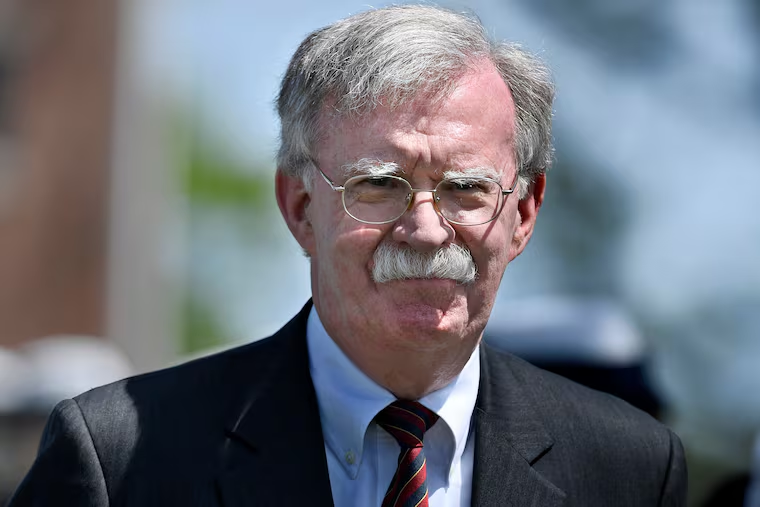
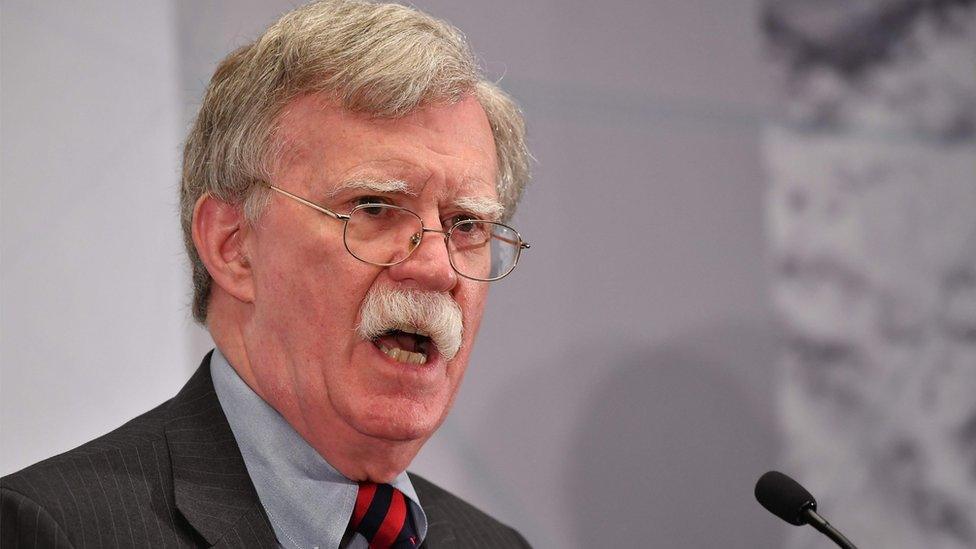
When reports surfaced that former United States national security adviser John Bolton believed Iran could be moving closer to acquiring nuclear weapons, the statement quickly reignited one of the most sensitive debates in global security. Concerns about Iran’s nuclear ambitions have shaped international politics for decades, influencing diplomatic negotiations, economic sanctions, and regional military strategies.
Bolton’s warning arrived during a period when tensions in the Middle East were already running high. Ongoing conflicts, regional rivalries, and stalled diplomatic talks have created an environment where any development related to nuclear technology immediately attracts worldwide attention. For policymakers and analysts alike, the possibility that Iran could be pursuing nuclear weapons raises profound questions about the balance of power in the region and the stability of global security systems.
The warning also revived long standing debates over how the international community should respond to Iran’s nuclear program. Should governments rely on diplomacy and negotiation, or should they prepare for stronger deterrence measures if nuclear ambitions appear to advance further?
Understanding why Bolton’s remarks generated such attention requires looking closely at the history of Iran’s nuclear program, the political tensions surrounding it, and the broader implications for international security.
The Long History of Iran’s Nuclear Program
Iran’s nuclear program did not begin in secrecy. In fact, its origins date back to the 1950s during a period when Iran was closely aligned with the United States. At the time, the Iranian government pursued nuclear research as part of a global initiative to promote peaceful atomic energy.
The early stages of the program were focused primarily on scientific development and civilian energy production. Nuclear power was seen as a potential solution to future energy needs as Iran’s population and economy expanded.
However, the political landscape changed dramatically following the Iranian Revolution of 1979. Relations between Iran and Western countries deteriorated rapidly, and the nuclear program became increasingly controversial. International observers began raising questions about whether the program might eventually move beyond civilian energy production.
Over time, these concerns led to a series of investigations, negotiations, and international agreements aimed at limiting Iran’s nuclear activities.
Why Nuclear Weapons Concerns Continue
The central concern surrounding Iran’s nuclear program lies in the potential transition from civilian nuclear technology to military nuclear capability. Nuclear energy programs involve processes such as uranium enrichment, which can serve both peaceful and military purposes.
Uranium enrichment allows scientists to increase the concentration of a specific isotope used as fuel in nuclear reactors. However, if enriched to higher levels, uranium can also be used to build nuclear weapons.
Because of this dual use nature, the international community has closely monitored Iran’s nuclear facilities for many years.
Supporters of strict monitoring argue that transparency is essential to ensure nuclear technology remains dedicated to peaceful energy development. Critics of Iran’s program, including Bolton, have often warned that enrichment activities could potentially provide the technical foundation needed to develop nuclear weapons in the future.
Iranian officials have repeatedly denied any intention to build nuclear weapons, insisting that their program focuses solely on civilian energy and scientific research.
John Bolton’s Perspective on the Issue
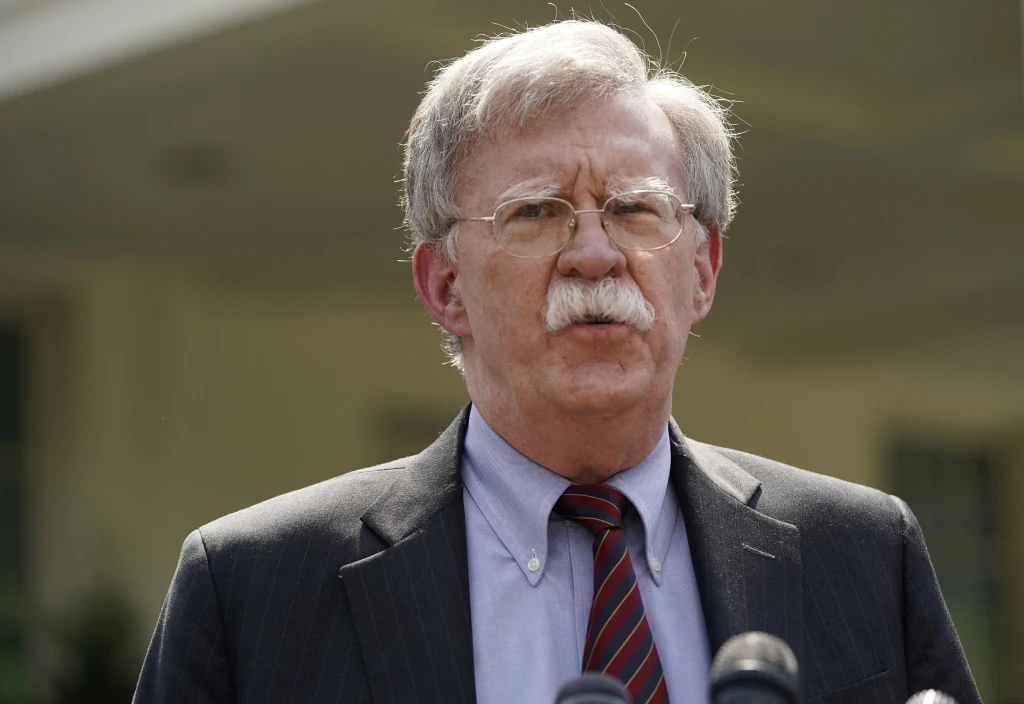
John Bolton has long been known for his strong views on national security and foreign policy. During his time in government service he frequently expressed concerns about Iran’s nuclear ambitions and advocated a firm approach toward preventing nuclear proliferation.
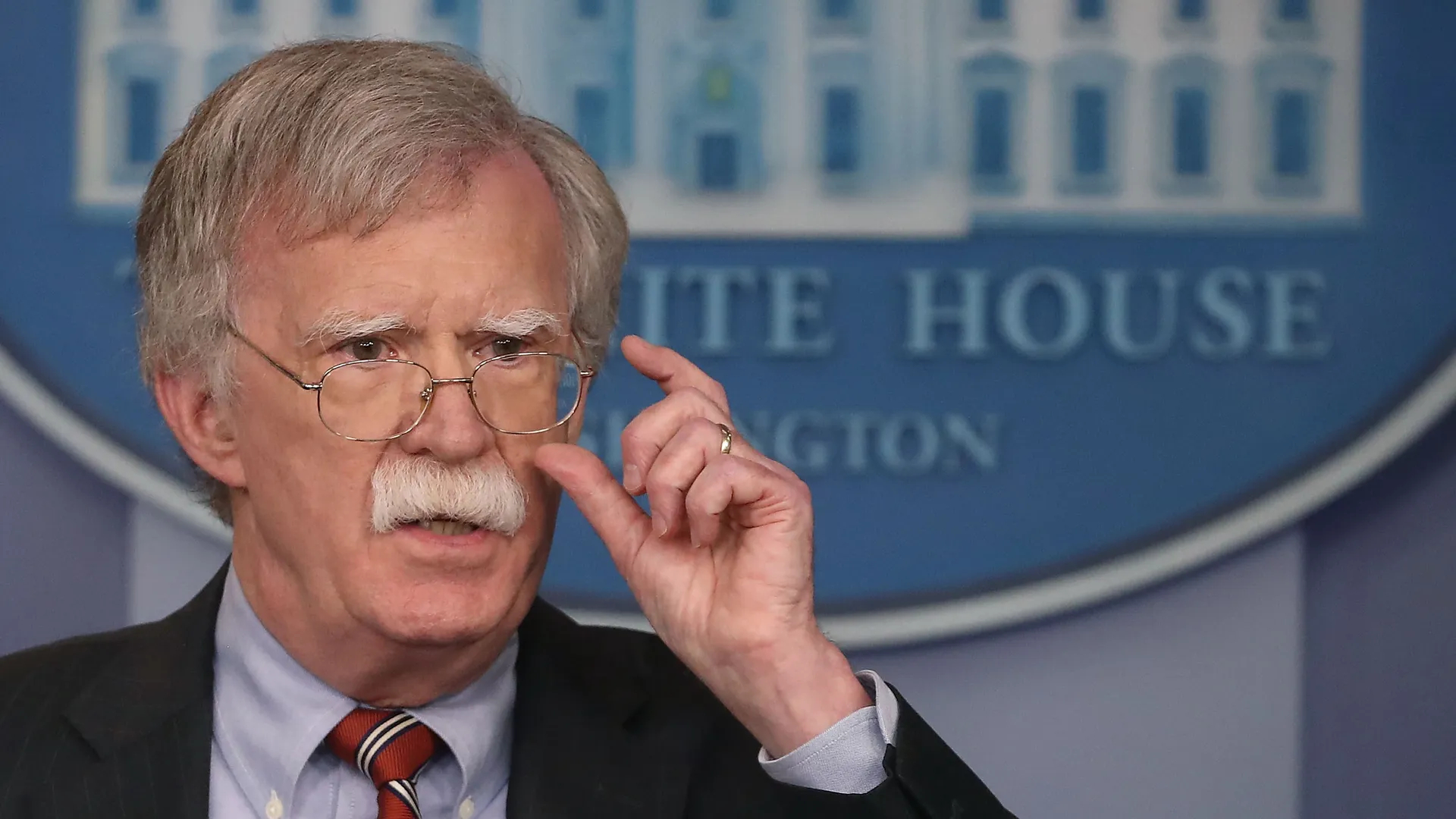
Bolton’s comments suggesting that Iran may be seeking nuclear weapons reflect his broader belief that international pressure is necessary to prevent potential threats from emerging.
Supporters of Bolton’s position argue that vigilance is essential when dealing with nuclear technology. They believe that early warnings allow governments to prepare diplomatic or security responses before situations escalate further.
Critics, however, often argue that such warnings can intensify tensions and make diplomatic solutions more difficult to achieve.
Regardless of where observers stand on this debate, Bolton’s remarks once again brought global attention to the question of how close Iran might be to developing nuclear weapons capabilities.
Diplomatic Efforts to Address the Nuclear Program
Over the past two decades numerous diplomatic initiatives have attempted to resolve concerns surrounding Iran’s nuclear activities. One of the most significant agreements came in the form of a multinational deal designed to limit Iran’s nuclear program in exchange for sanctions relief.
The agreement placed restrictions on uranium enrichment levels and allowed international inspectors to monitor nuclear facilities.
Supporters of the deal argued that it created a framework for preventing nuclear weapon development while also reducing regional tensions. Critics, however, believed the restrictions were not strong enough and warned that Iran could eventually resume more advanced nuclear activities.
Changes in international politics and disagreements among participating countries eventually weakened the agreement. As diplomatic arrangements faltered, uncertainty about Iran’s nuclear intentions resurfaced.
Bolton’s warning emerged within this atmosphere of renewed debate.
The Regional Security Implications
If Iran were to develop nuclear weapons, the consequences would extend far beyond its own borders. The Middle East already contains multiple long standing rivalries and security concerns.
The introduction of additional nuclear weapons capabilities could significantly alter the strategic balance of the region.
Some analysts warn that such a development might encourage other countries to pursue their own nuclear programs in response. This possibility raises fears of a broader nuclear arms race in an already volatile region.
Countries across the Middle East have carefully monitored developments related to Iran’s nuclear activities. Their reactions play an important role in shaping regional stability.
Security experts often emphasize that preventing nuclear proliferation remains a critical objective for maintaining global peace.
The Role of International Monitoring
International organizations have played a major role in monitoring Iran’s nuclear facilities. Inspectors and verification programs aim to ensure that nuclear activities remain within agreed upon limits.
These monitoring systems are designed to detect changes in uranium enrichment levels, facility operations, and other technical indicators that could signal a shift toward weapons development.
Supporters of international monitoring argue that transparency provides reassurance and reduces the risk of misunderstanding or miscalculation.
However, inspections and verification programs often depend on cooperation from the countries involved. Political tensions can complicate these efforts, making oversight more difficult.
The effectiveness of monitoring therefore depends not only on technical expertise but also on diplomatic relationships between governments.
Economic and Political Pressures

Iran’s nuclear program has also been closely linked to economic sanctions imposed by various countries. These sanctions were intended to pressure Iran into limiting nuclear activities and cooperating with international agreements.
Sanctions have affected sectors such as energy exports, banking, and international trade. Supporters argue that economic pressure can encourage governments to return to negotiations.
Critics, however, contend that sanctions can sometimes strengthen hardline political positions rather than promote compromise.
The relationship between sanctions, diplomacy, and nuclear policy remains one of the most debated aspects of international relations involving Iran.
The Global Stakes of Nuclear Proliferation
The possibility that additional countries could develop nuclear weapons remains a major concern for international security organizations. Since the end of the Second World War, efforts to limit the spread of nuclear weapons have been central to global diplomacy.
Agreements designed to prevent nuclear proliferation aim to reduce the number of countries possessing nuclear arsenals while promoting peaceful nuclear technology for energy and research.
The challenge lies in balancing these goals while maintaining trust among nations with very different political systems and security concerns.
Iran’s nuclear program sits at the center of this global effort, making developments in the country closely watched by governments around the world.
What Happens Next
Predicting the future of Iran’s nuclear program remains difficult. Diplomatic negotiations could potentially resume, leading to renewed agreements or updated monitoring frameworks.
At the same time, geopolitical tensions may continue to complicate efforts to reach consensus.
Bolton’s warning serves as a reminder that concerns about nuclear proliferation remain unresolved. While some experts believe diplomacy still offers a path forward, others argue that stronger measures may be necessary to prevent potential escalation.
The outcome will likely depend on the willingness of multiple governments to engage in sustained negotiation and compromise.
A Debate That Continues to Shape Global Security
The debate surrounding Iran’s nuclear ambitions has lasted for decades and shows no sign of disappearing soon. Statements such as Bolton’s highlight how sensitive the issue remains and how quickly it can return to the forefront of international discussion.
For many observers the central question is not only whether Iran seeks nuclear weapons but also how the world should respond if nuclear capabilities continue to expand.
The answers will influence diplomatic strategies, military planning, and global security policies for years to come.