
Table of Contents
- Oil Prices Surge As Iran Conflict Sparks Global Energy Shock
- Why Oil Prices React Quickly To Conflict
- The Strategic Importance of the Strait of Hormuz
- Iran’s Role In Global Oil Markets
- How Markets Responded To The Latest Crisis
- Political Tensions And Economic Consequences
- The Role Of United States Policy
- Why Energy Security Remains A Global Concern
- The Broader Impact On Global Economies
- Energy Transition And Market Volatility
- What Happens If Tensions Continue
- A Reminder Of Global Energy Interdependence
- The Road Ahead For Energy Markets
Oil Prices Surge As Iran Conflict Sparks Global Energy Shock
When reports began spreading that oil prices were climbing rapidly amid rising tensions involving Iran, energy markets around the world reacted almost instantly. Traders, governments, and economists recognized that the situation unfolding in the Middle East could have immediate consequences for global fuel supplies. Oil markets are highly sensitive to geopolitical instability, and even the possibility of conflict near major production regions can trigger dramatic price swings.
The recent surge in oil prices reflects more than a simple shift in market supply and demand. It represents a deeper concern about whether escalating tensions could disrupt one of the most important energy producing regions on the planet. Iran plays a central role in global oil dynamics, and any threat to production or transportation routes has the potential to reshape global energy markets.
As political rhetoric intensified and military developments unfolded, investors began pricing in the risk that oil supplies could become constrained. The result was a sudden rise in crude prices that sent shockwaves through financial markets and sparked renewed debate about the stability of the global energy system.
Why Oil Prices React Quickly To Conflict
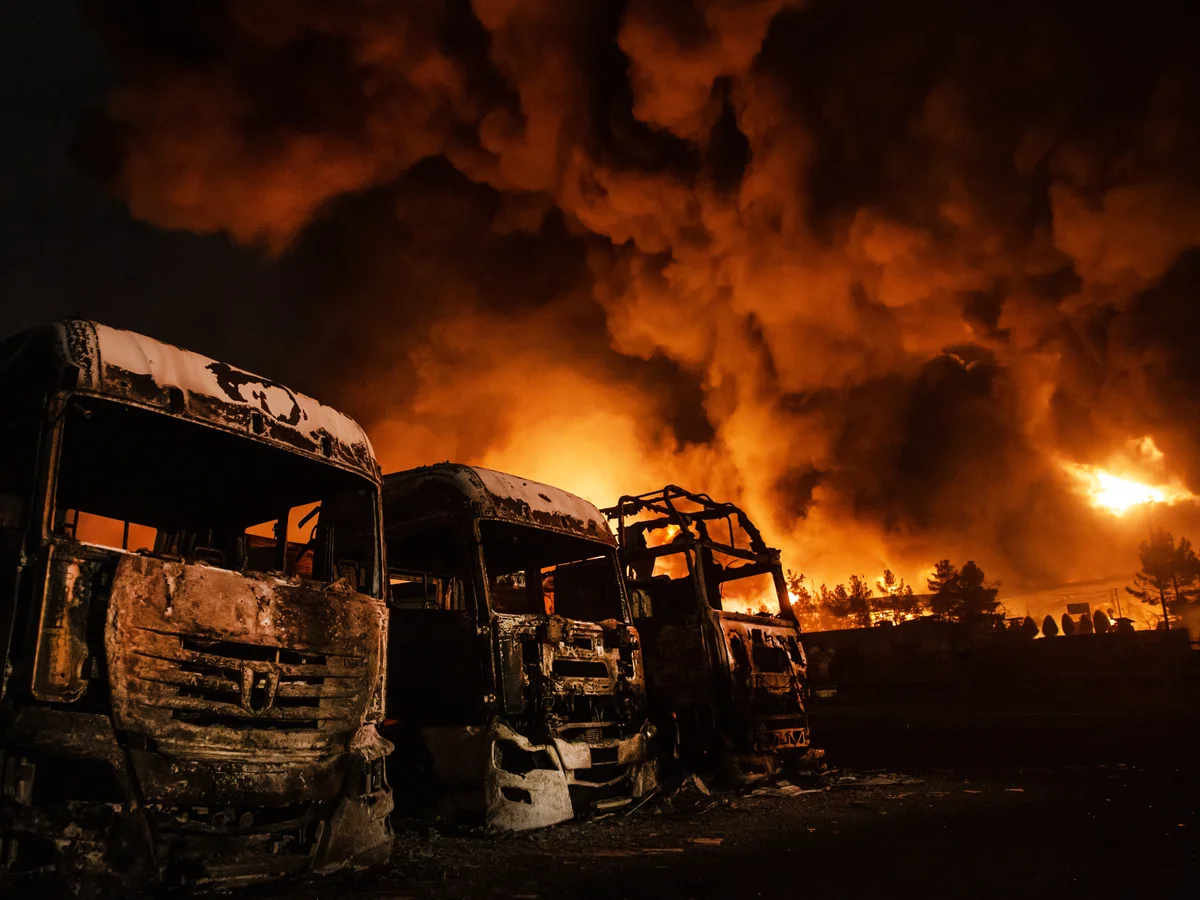
Energy markets are built on expectations as much as on actual supply. Oil traders constantly monitor political developments, weather conditions, and economic indicators to predict how supply might change in the future.
When geopolitical tensions rise in major oil producing regions, markets often respond before any physical disruption occurs. The reason is simple. If traders believe that production facilities or shipping routes could be threatened, they begin adjusting prices immediately.
The Middle East accounts for a large portion of global oil production and exports. Because of this, even limited conflict in the region can trigger fears of broader supply disruptions.
In the case of Iran, the stakes are particularly high. The country sits near the Strait of Hormuz, one of the most strategically important shipping passages in the world. A large percentage of the world’s oil shipments travel through this narrow waterway every day.
Any escalation that threatens shipping through this route could quickly tighten global supply.
The Strategic Importance of the Strait of Hormuz
The Strait of Hormuz connects the Persian Gulf to the open ocean, making it a critical channel for oil exports from several major producing countries. Tankers carrying crude oil from countries such as Saudi Arabia, the United Arab Emirates, Kuwait, and Iraq pass through this route before reaching international markets.
Because of the enormous volume of oil that moves through this passage, any disruption could have immediate consequences for global energy prices.
Security experts have long warned that tensions involving Iran could threaten shipping traffic in this area. Iran’s geographic position gives it significant influence over the strait, which has made it a focal point during periods of political confrontation.
When military tensions rise, markets often assume that the risk of disruption increases.
Even without an actual blockade or attack, the possibility alone can drive prices upward as traders anticipate future shortages.
Iran’s Role In Global Oil Markets
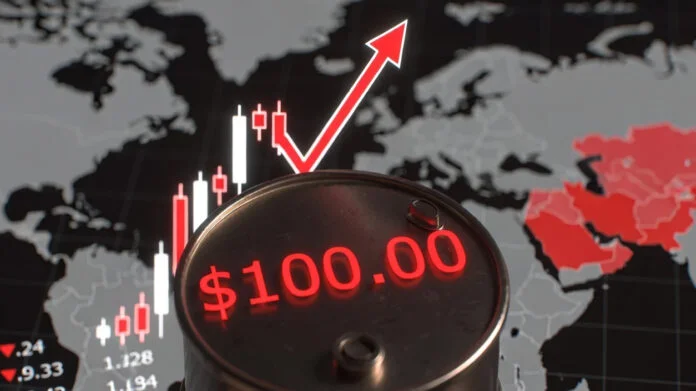
Iran possesses some of the largest oil reserves in the world. Despite years of sanctions and political tensions, the country remains an important energy producer with the capacity to influence regional supply.
Iranian oil production levels have fluctuated over the years depending on economic sanctions and diplomatic agreements. When restrictions ease, production tends to increase. When sanctions intensify, exports can decline sharply.
Because of this volatility, markets pay close attention to developments involving Iran’s energy sector.
If conflict were to damage infrastructure or reduce exports, the effects could ripple through global markets quickly. Oil prices are particularly sensitive to sudden changes in supply because demand remains consistently high across industrialized economies.
Even relatively small disruptions can produce significant price increases.
How Markets Responded To The Latest Crisis
As tensions escalated, traders began purchasing oil contracts in anticipation of potential supply risks. This activity pushed crude prices higher within a short period of time.
Energy analysts described the surge as a classic example of geopolitical risk affecting market psychology. Investors prefer to secure supplies early when uncertainty rises, which increases demand in the short term.
Financial markets also reacted as investors considered how higher oil prices might influence inflation, transportation costs, and economic growth.
Airlines, shipping companies, and manufacturing industries are particularly sensitive to rising fuel costs. When oil prices climb quickly, these sectors often face increased operating expenses that can eventually reach consumers.
The ripple effects extend far beyond the energy sector.
Political Tensions And Economic Consequences
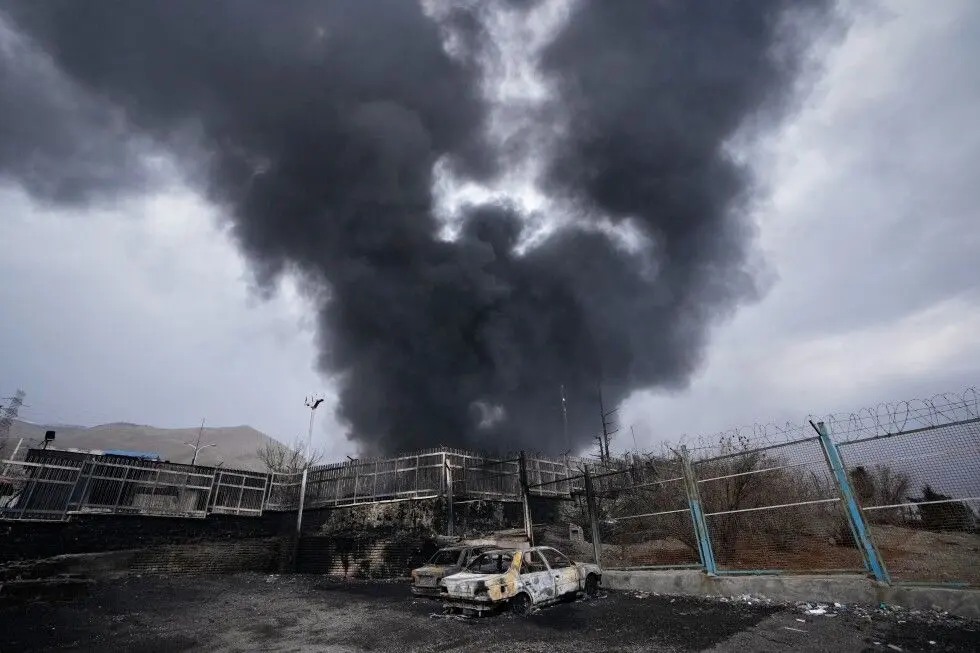
Political conflicts involving major energy producers frequently create complex economic consequences. Governments must balance security concerns with the need to maintain stable energy supplies for their populations.
When oil prices rise rapidly, policymakers often face pressure to respond.
Some countries release oil from strategic reserves to stabilize markets. Others negotiate with producers to increase supply in order to offset potential shortages.
The recent surge in prices has revived conversations about energy security and the vulnerability of global markets to geopolitical shocks.
Many economists warn that prolonged instability in the Middle East could push prices even higher if production or transportation routes become disrupted.
The Role Of United States Policy
The United States has played a major role in shaping global energy markets for decades. As one of the world’s largest consumers and producers of oil, American policy decisions can influence both supply and market expectations.
Statements from political leaders often affect market sentiment, especially during periods of international tension.
During the recent crisis, remarks from US officials regarding Iran and regional security contributed to heightened uncertainty. Markets tend to react strongly when diplomatic tensions involve countries that influence major energy supplies.
While the United States has significantly expanded domestic energy production in recent years, global oil markets remain interconnected.
Price movements in international markets ultimately affect consumers and businesses worldwide.
Why Energy Security Remains A Global Concern
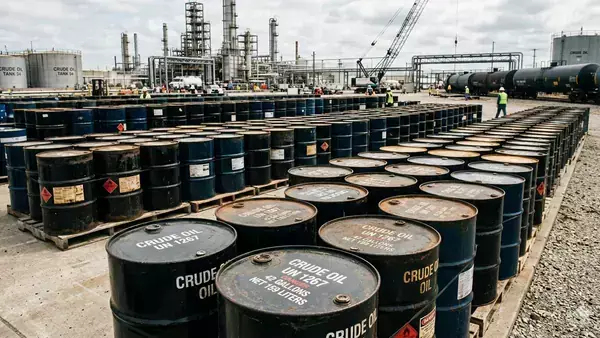
Energy security refers to the ability of countries to maintain stable and reliable access to energy resources. For modern economies that depend heavily on transportation and industrial production, stable energy supplies are essential.
When geopolitical tensions threaten production regions or shipping routes, energy security becomes a major policy priority.
Countries often develop strategic reserves of oil that can be released during emergencies. These reserves help cushion the immediate impact of supply disruptions.
However, reserves are not a permanent solution. Long term stability depends on maintaining consistent production and reliable transportation networks.
This is why conflicts involving major energy producing regions receive such intense international attention.
The Broader Impact On Global Economies
Rising oil prices can influence nearly every aspect of economic activity. Fuel costs affect transportation, manufacturing, agriculture, and electricity generation.
When oil becomes more expensive, companies often face higher operating costs. Some of these costs are absorbed internally, while others are passed on to consumers through higher prices.
As a result, energy price shocks can contribute to inflation and slower economic growth.
Developing countries are particularly vulnerable because energy imports represent a large portion of their national expenses.
Economists often warn that sustained increases in oil prices can weaken global economic momentum if they persist long enough.
Energy Transition And Market Volatility
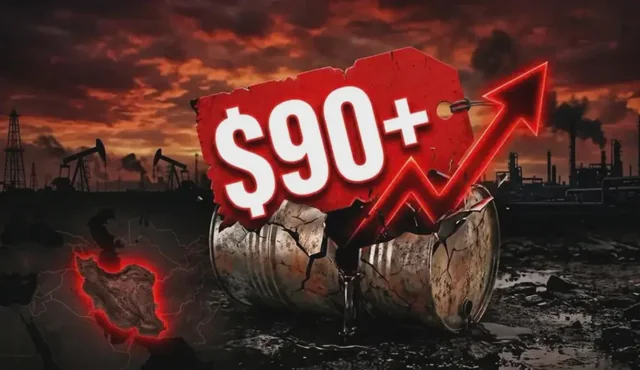
The recent surge in oil prices also highlights ongoing debates about the global transition toward renewable energy. Many governments have pledged to reduce reliance on fossil fuels in order to address climate change.
However, the world still depends heavily on oil for transportation and industrial production.
This dependence means that geopolitical events affecting oil supply continue to influence global markets.
Some analysts argue that accelerating investment in renewable energy could reduce vulnerability to oil supply disruptions in the future.
Others caution that the transition will take decades and that oil will remain a central part of the energy system for the foreseeable future.
What Happens If Tensions Continue
The future direction of oil prices will depend largely on how geopolitical tensions evolve in the coming weeks and months.
If diplomatic negotiations succeed in reducing conflict risks, markets may stabilize and prices could gradually decline.
However, if tensions escalate or military confrontation expands, markets may react with further price increases.
Energy traders often describe this situation as a risk premium being added to oil prices. In other words, the price reflects not only current supply but also the perceived likelihood of future disruptions.
This uncertainty makes energy markets particularly volatile during periods of geopolitical instability.
A Reminder Of Global Energy Interdependence
The surge in oil prices during the Iran related tensions serves as a powerful reminder of how interconnected the global economy has become.
Energy resources extracted in one region influence transportation, manufacturing, and consumer prices around the world.
Political events thousands of miles away can quickly affect the cost of gasoline, airline tickets, and everyday goods.
This interconnectedness means that conflicts involving energy producing regions rarely remain local issues.
Instead, they become global economic events.
The Road Ahead For Energy Markets
As governments and markets monitor developments in the Middle East, one reality remains clear. Oil prices will continue to respond rapidly to geopolitical developments as long as the global economy depends heavily on fossil fuels.
While technological innovation and renewable energy expansion may gradually reshape the energy landscape, oil remains a critical component of modern infrastructure.
The recent price surge illustrates how fragile the balance of supply, demand, and geopolitical stability can be.
For policymakers, investors, and consumers alike, the lesson is unmistakable. Energy markets are deeply connected to global politics, and shifts in one arena often ripple quickly into the other.
The situation surrounding Iran and global oil supplies is still evolving. Whether tensions ease or escalate will determine how energy markets behave in the months ahead.