
Table of Contents
- When Cheap Fashion Raises Expensive Questions
- The Report That Sparked Alarm
- What Chemicals Were Found
- The Role of EU Chemical Regulations
- Fast Fashion and the Speed Problem
- Environmental Impact Beyond Chemicals
- The Hidden Cost of Low Prices
- Industry Response and Accountability
- The Growing Demand for Sustainable Fashion
- What This Means for Consumers
- A Turning Point for Fast Fashion?
When Cheap Fashion Raises Expensive Questions
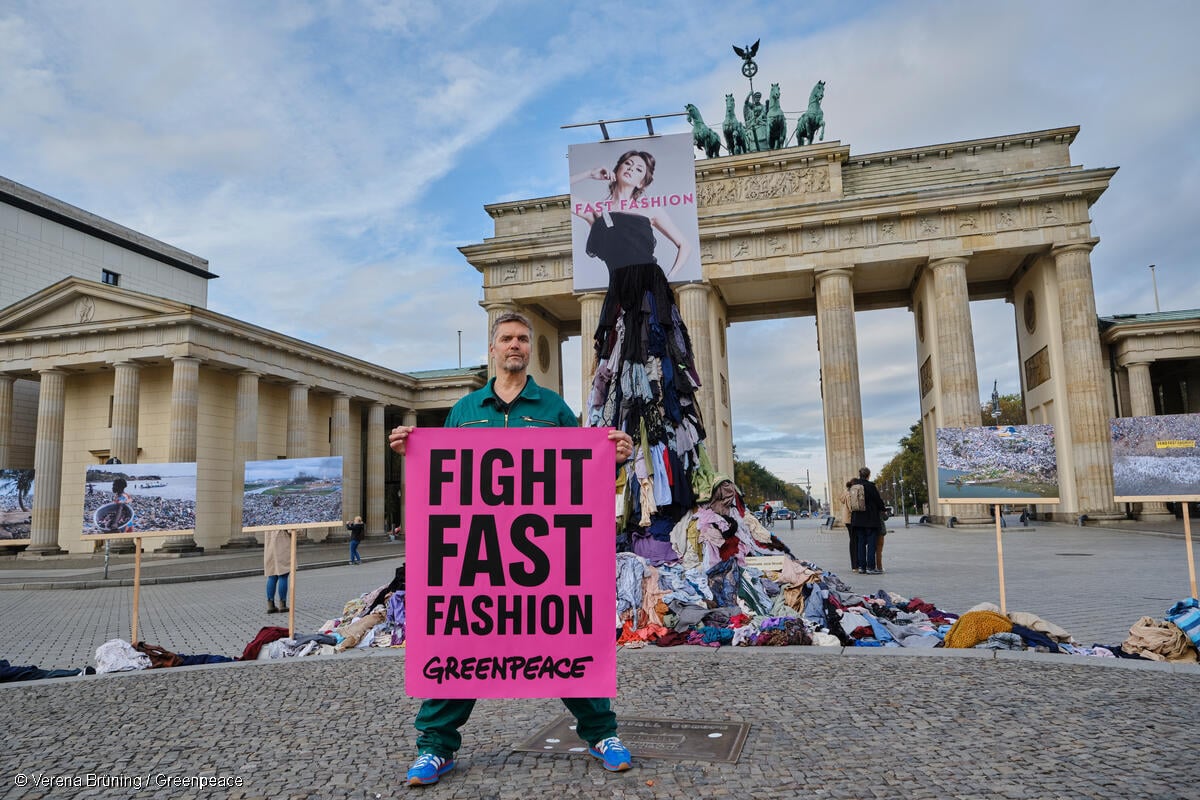
When news broke that fast fashion giant SHEIN was accused of selling clothing containing hazardous chemicals that may breach European Union regulations, it sparked concern far beyond the fashion industry. What began as a report from environmental group Greenpeace quickly evolved into a broader conversation about consumer safety, environmental damage, and the true cost of ultra-cheap clothing. The findings suggested that some of the most affordable garments on the market could carry hidden risks, not only for those who wear them but also for ecosystems affected by their production. What follows is a closer look at what the report revealed, why it matters, and how it reflects deeper issues within the global fashion system.
The Report That Sparked Alarm
The controversy centers on an investigation conducted by Greenpeace Germany, which analyzed dozens of SHEIN products across categories including clothing for men, women, and children. The results raised immediate concerns. According to the report, a portion of the tested items contained chemical levels that were considered hazardous or exceeded limits set by European regulations.
Specifically, the analysis found that around 15 percent of the products tested contained potentially dangerous chemicals. In some cases, the levels were high enough to violate the European Union’s strict safety standards. These findings led campaigners to warn that consumers could be unknowingly exposed to substances that pose risks to both health and the environment.
The report did not claim that all SHEIN products are unsafe. However, it highlighted enough cases to suggest that there may be systemic issues in how materials are sourced, processed, or regulated within the fast fashion supply chain.
What Chemicals Were Found

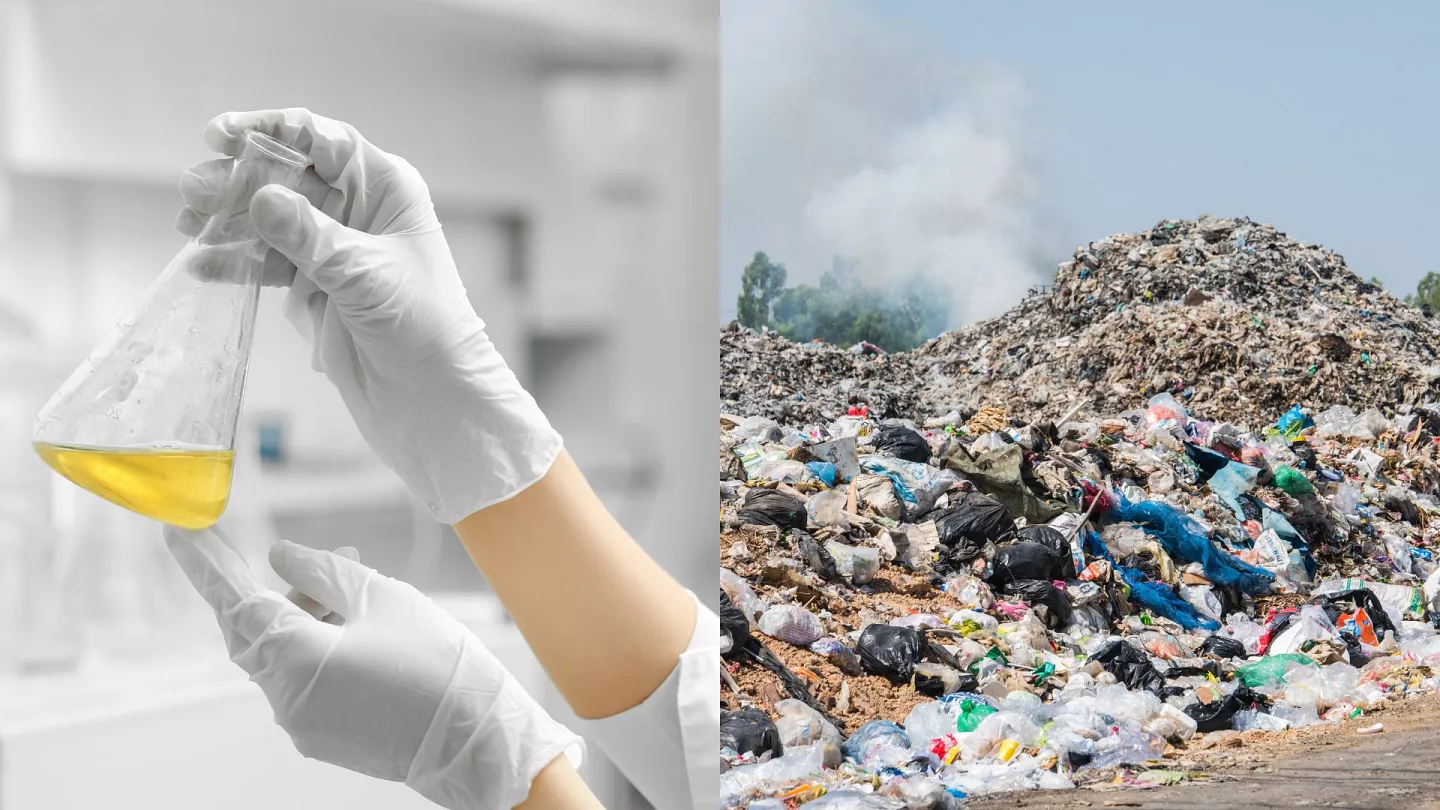
Among the substances identified in the report were phthalates and formaldehyde, two chemicals that are commonly used in manufacturing but are tightly regulated due to their potential health effects.
Phthalates are often used to make materials more flexible, particularly in synthetic fabrics and footwear. However, exposure to certain phthalates has been linked to hormonal disruption and other health concerns. Formaldehyde, on the other hand, is sometimes used in textiles to improve durability and wrinkle resistance, but it can cause skin irritation and has been associated with more serious risks in high concentrations.
In the Greenpeace analysis, some products contained levels of these chemicals that exceeded the limits allowed under EU regulations. In a few cases, the levels were reported to be significantly higher than what is considered safe.
The Role of EU Chemical Regulations

The European Union has one of the most comprehensive systems for regulating chemicals in consumer products. Known as REACH, this framework sets strict limits on the presence of hazardous substances in items sold within the EU market.
The goal of these regulations is to protect both consumers and the environment by ensuring that potentially harmful chemicals are either restricted or carefully controlled. Companies that sell products in the EU are required to comply with these standards, regardless of where the products are manufactured.
The Greenpeace report argues that the issue is not only about the presence of hazardous chemicals but also about enforcement. Campaigners suggest that even when regulations exist, they are not always effectively applied or monitored, allowing problematic products to reach consumers.
Fast Fashion and the Speed Problem
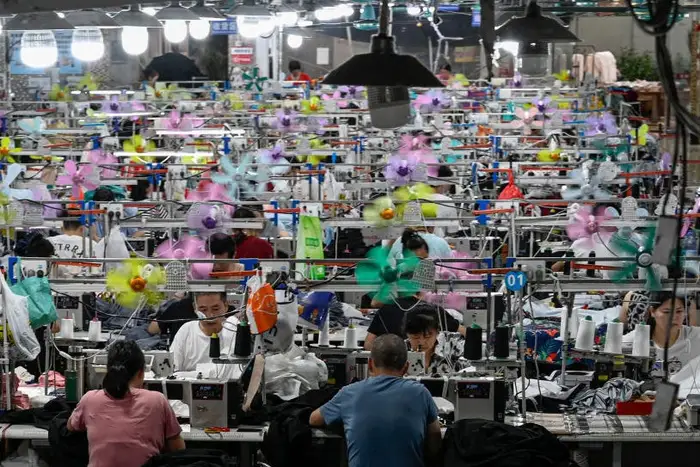
To understand why such issues can arise, it is important to look at how fast fashion operates. Companies like SHEIN have built their success on speed, producing and releasing new designs at an extraordinary rate. Estimates suggest that tens of thousands of new items can appear on the platform every day.
This rapid production cycle allows brands to respond quickly to trends and keep prices low. However, it also creates pressure on supply chains. Manufacturers must produce large volumes of clothing in short timeframes, often across multiple factories and regions.
In such an environment, maintaining consistent quality and safety standards becomes more challenging. The faster the production cycle, the harder it is to thoroughly test every product and ensure compliance with complex regulations.
Environmental Impact Beyond Chemicals

The concerns raised by the report extend beyond individual garments. The fashion industry as a whole has a significant environmental footprint. It is responsible for a substantial share of global carbon emissions and consumes vast amounts of natural resources.
The production of synthetic materials, particularly polyester, requires large quantities of fossil fuels. Additionally, the dyeing and finishing processes used in textile manufacturing can release chemicals into water systems, affecting ecosystems and communities.
Fast fashion amplifies these issues by encouraging frequent consumption. When clothing is produced quickly and sold cheaply, it is often treated as disposable. Many items are worn only a few times before being discarded, contributing to a growing global waste problem.
The Hidden Cost of Low Prices
For consumers, the appeal of fast fashion is clear. Affordable prices make it easy to experiment with style and keep up with trends. However, the Greenpeace report suggests that these low prices may come with hidden costs.
These costs are not always visible at the point of purchase. They can include environmental damage, potential health risks, and the long-term impact of waste. In some cases, they may also reflect labor conditions and supply chain practices that are not immediately apparent to consumers.
The challenge lies in balancing affordability with responsibility. As awareness grows, more consumers are beginning to question how their clothing is made and what it contains.
Industry Response and Accountability
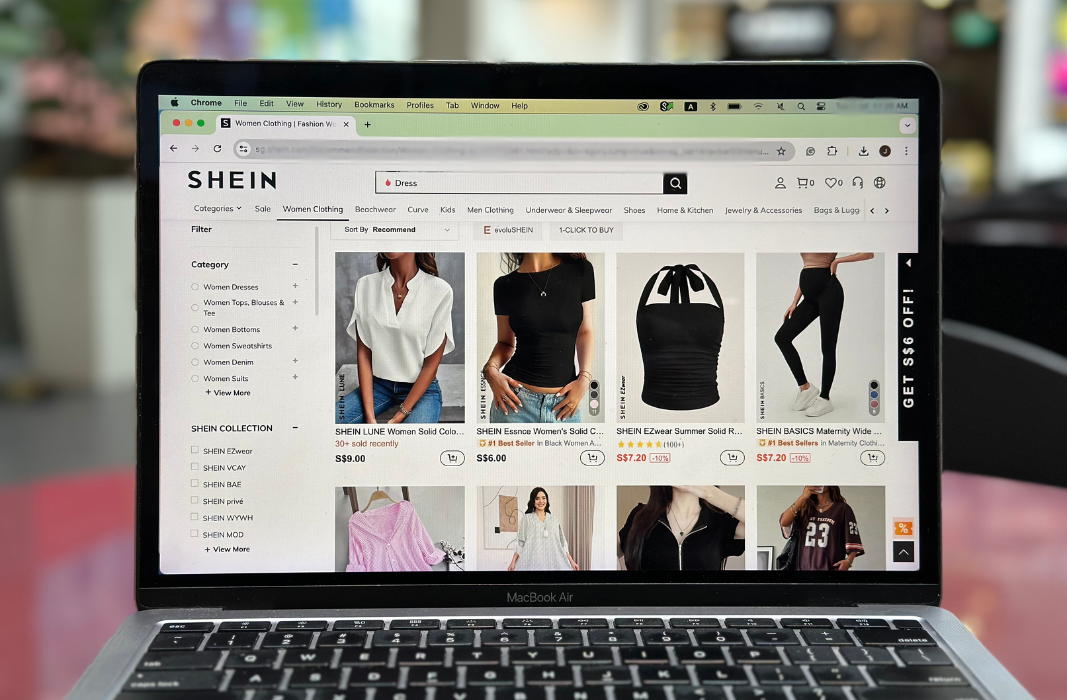
At the time of the report, SHEIN had been approached for comment, and companies in similar situations often respond by reviewing their processes, conducting additional testing, or issuing statements about compliance.
In the broader industry, there is increasing pressure for transparency. Consumers, regulators, and advocacy groups are demanding more information about materials, production methods, and safety standards. This has led some brands to adopt stricter controls and invest in more sustainable practices.
However, change across the entire fast fashion sector remains uneven. While some companies are making progress, others continue to operate within systems that prioritize speed and cost over long-term impact.
The Growing Demand for Sustainable Fashion
The issues highlighted in the report have contributed to a growing movement toward more sustainable fashion. This includes efforts to reduce waste, use safer materials, and create clothing that lasts longer.
Consumers are increasingly exploring alternatives such as second-hand shopping, slow fashion brands, and products made from recycled or organic materials. Governments are also considering new regulations aimed at reducing the environmental impact of the industry.
Despite these efforts, demand for fast fashion remains strong. The convenience and affordability of online platforms continue to attract millions of customers worldwide. This creates a complex situation where progress and consumption exist side by side.
What This Means for Consumers
For individuals, the findings serve as a reminder to be mindful of what they buy and wear. While not every product carries the same risks, understanding the potential presence of chemicals and the broader impact of production can help inform better choices.
Simple steps such as washing new clothes before wearing them, checking product information, and supporting brands with transparent practices can make a difference. At the same time, systemic change requires action from companies and regulators, not just consumers.
A Turning Point for Fast Fashion?
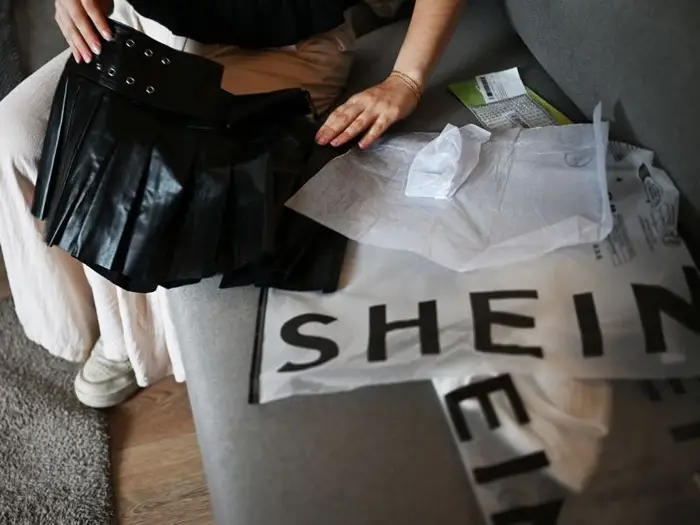
The accusations against SHEIN highlight a critical moment for the fashion industry. As awareness of environmental and health issues grows, companies may face increasing pressure to adapt their models.
Whether this leads to meaningful change will depend on multiple factors, including regulation, consumer behavior, and industry innovation. What is clear is that the conversation is shifting. Cheap clothing is no longer seen as purely beneficial. It is being examined through a broader lens that includes sustainability, safety, and long-term impact.
In the end, the story is not just about one brand or one report. It is about the future of fashion itself. As the industry continues to evolve, the choices made today will shape how clothing is produced, consumed, and valued in the years to come.