
Table of Contents
- When a Crisis Statement Becomes a National Debate
- The Night the Event Was Disrupted
- Trump’s Response That Changed the Narrative
- The Historical Comparison That Drew Criticism
- Social Media Reaction and Public Response
- The Broader Context of Political Violence
- The Role of Leadership in Crisis Moments
- Security Response and Immediate Aftermath
- The Media’s Role in Amplifying the Story
- What This Moment Reveals About Public Discourse
- A Defining Moment in a Larger Story
When a Crisis Statement Becomes a National Debate
When news broke that Donald Trump described feeling “honored” after being targeted in a shooting incident, the reaction across the internet was immediate and intense. What might have been a moment focused purely on security and safety quickly transformed into a wider cultural and political debate. The incident itself took place at the high-profile White House Correspondents’ Dinner, a gathering known for bringing together journalists, political leaders, and members of the administration. But it was not only the attempted attack that captured public attention. It was the president’s response that sparked a wave of commentary, criticism, and reflection about leadership in moments of crisis.
The Night the Event Was Disrupted
The White House Correspondents’ Dinner is traditionally a night of speeches, humor, and reflection on the relationship between the press and the presidency. The 2026 event drew more than 2,000 attendees, including government officials, journalists, and public figures.
However, the evening took a dramatic turn when a gunman opened fire near the entrance of the venue. Authorities later identified the suspect as Cole Tomas Allen, a 31-year-old reportedly present at the location. According to law enforcement, the individual was armed with multiple weapons, including a shotgun and a handgun, and engaged in a confrontation with security personnel.
The swift response from security forces prevented the situation from escalating further. The suspect was subdued, and the event, while shaken, avoided mass casualties. Still, the incident immediately raised questions about security, vulnerability, and the risks associated with high-profile political gatherings.
Trump’s Response That Changed the Narrative
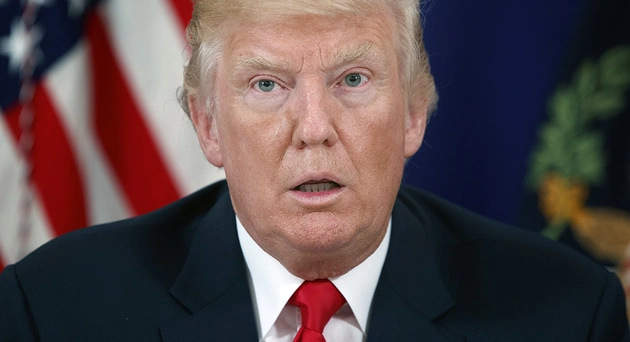
The following day, President Trump addressed the media, reflecting on the incident in a way that surprised many observers. Instead of focusing solely on the danger or the need for increased security, he framed the experience in a more symbolic light.
Trump stated that individuals who are targeted in assassination attempts are often those who have made a significant impact. He referenced historical figures such as Abraham Lincoln, suggesting that influential leaders tend to attract extreme opposition.
“I hate to say I’m honored by that,” Trump said, adding that he believed his influence and achievements placed him in a similar category of impactful figures. While some supporters interpreted the statement as confidence, others saw it as inappropriate given the seriousness of the situation.
The Historical Comparison That Drew Criticism
Trump’s comparison to historical figures became one of the most discussed aspects of his remarks. Abraham Lincoln, who led the United States through the Civil War and was assassinated in 1865, represents one of the most significant figures in American history.
By invoking Lincoln, Trump appeared to draw a parallel between his own presidency and leaders who faced deadly opposition. For critics, this comparison was seen as exaggerated and insensitive. They argued that equating a recent incident with historical assassinations risked trivializing past tragedies.
The reaction was particularly strong on social media, where users questioned both the tone and the context of the statement. Some viewed it as an attempt to elevate the incident into a narrative of personal significance rather than focusing on public safety.
Social Media Reaction and Public Response
Online platforms quickly became a battleground of opinions. Within hours, Trump’s comments were widely shared, debated, and criticized. Many users expressed disbelief that a statement about feeling “honored” would follow such an event.
Critics argued that the response lacked empathy and seriousness. Some described it as self-centered, suggesting that the focus should have been on the broader implications of the attack rather than personal interpretation. Others used humor and sarcasm to respond, turning the moment into a viral topic of discussion.
Supporters, however, offered a different perspective. They argued that Trump was emphasizing resilience and strength, framing the incident as a sign of his importance on the global stage. For them, the statement reflected confidence rather than insensitivity.
The Broader Context of Political Violence
The incident is part of a larger pattern of concerns about political violence in the United States. High-profile figures have long faced threats, and security measures around public events have become increasingly sophisticated as a result.
Trump himself has previously been the target of violent incidents. In 2024, he was injured during a rally when a shooter opened fire, an event that heightened awareness of the risks faced by political leaders.
These repeated incidents contribute to a climate of tension and uncertainty. They raise questions about how political discourse, media coverage, and public sentiment intersect with acts of violence. The challenge for leaders is not only to ensure safety but also to communicate in ways that calm rather than inflame public reactions.
The Role of Leadership in Crisis Moments
Moments of crisis often reveal how leaders choose to communicate under pressure. Public statements can shape perception, influence public mood, and determine how events are remembered.
In this case, Trump’s comments shifted the conversation from the incident itself to his interpretation of it. Instead of focusing on the attacker, the victims, or the response from law enforcement, much of the public discussion centered on his words.
This highlights the power of language in political leadership. A single phrase can redefine a narrative, redirect attention, and create lasting impressions. For better or worse, Trump’s statement became the defining feature of the story.
Security Response and Immediate Aftermath
Despite the controversy surrounding the president’s remarks, officials emphasized the effectiveness of the security response. Law enforcement and Secret Service agents acted quickly to contain the situation, preventing what could have been a far more serious outcome.
The suspect was apprehended, and investigations began immediately to determine motive and background. Early reports suggested that the individual acted alone, though authorities continue to examine all possible connections.
The incident also prompted a review of security protocols for high-profile events. Even with advanced measures in place, the ability of an armed individual to approach the venue raised concerns about potential vulnerabilities.
The Media’s Role in Amplifying the Story
The media played a significant role in shaping how the story unfolded. Coverage focused not only on the facts of the incident but also on the president’s response and the reactions it generated.
This dual focus reflects the nature of modern news cycles, where events and commentary often become intertwined. The original incident was serious and alarming, but the narrative quickly expanded to include political interpretation, public reaction, and cultural analysis.
For audiences, this creates a layered understanding of events. They are not only informed about what happened but also exposed to how different groups interpret and respond to it.
What This Moment Reveals About Public Discourse
The reaction to Trump’s statement reveals deeper divisions in public discourse. It shows how the same words can be interpreted in vastly different ways depending on political perspective, personal values, and emotional context.
For some, the statement was a sign of confidence and resilience. For others, it was a misstep that undermined the gravity of the situation. These contrasting views highlight the challenges of communication in a highly polarized environment.
The incident also underscores the role of social media in shaping narratives. Platforms amplify reactions, accelerate debates, and create spaces where opinions can spread rapidly. This can intensify both support and criticism, making it difficult to find a balanced perspective.
A Defining Moment in a Larger Story
In the end, the shooting incident and Trump’s response form part of a larger story about leadership, perception, and the nature of modern politics. The event itself was a reminder of the risks faced by public figures, while the reaction to it highlighted the complexities of communication in a digital age.
As investigations continue and more details emerge, the focus may shift back to the facts of the incident. But the impact of Trump’s statement is likely to linger, shaping how the moment is remembered.
This episode serves as a reminder that in today’s world, what leaders say can be just as important as what happens. Words have the power to define events, influence public opinion, and leave a lasting mark on history.