
Table of Contents
- When a Music Legend’s Story Reopened an Old Debate
- A Biopic Built Around a Global Icon
- Dan Reed’s Sharp Criticism
- The Allegations at the Center of the Debate
- Why the Lawsuits Matter
- Antoine Fuqua’s Response
- The Power of the Jackson Estate
- Family Involvement and Public Perception
- The Fans Who Still Defend Michael Jackson
- The Challenge of Telling a Full Story
- Why This Debate Still Matters
- A Legacy Still Dividing the World
When a Music Legend’s Story Reopened an Old Debate
When news broke that the new Michael Jackson biopic was facing fierce criticism from Leaving Neverland director Dan Reed, the conversation around the King of Pop reignited with force. The film, titled Michael, was designed to explore the life, talent, fame, and complexity of one of the most influential entertainers in history. But for Reed, the question was not whether Jackson’s music changed the world. The question was whether any film could honestly tell Jackson’s story while avoiding the serious abuse allegations that have surrounded his legacy for decades.
The controversy quickly became more than a debate about one movie. It became a larger argument about celebrity, memory, money, fandom, and whether the public is willing to separate art from accusations. As Jackson’s family celebrated the film’s premiere, critics questioned whether the biopic offered a complete portrait or a carefully controlled version of a complicated life.
A Biopic Built Around a Global Icon
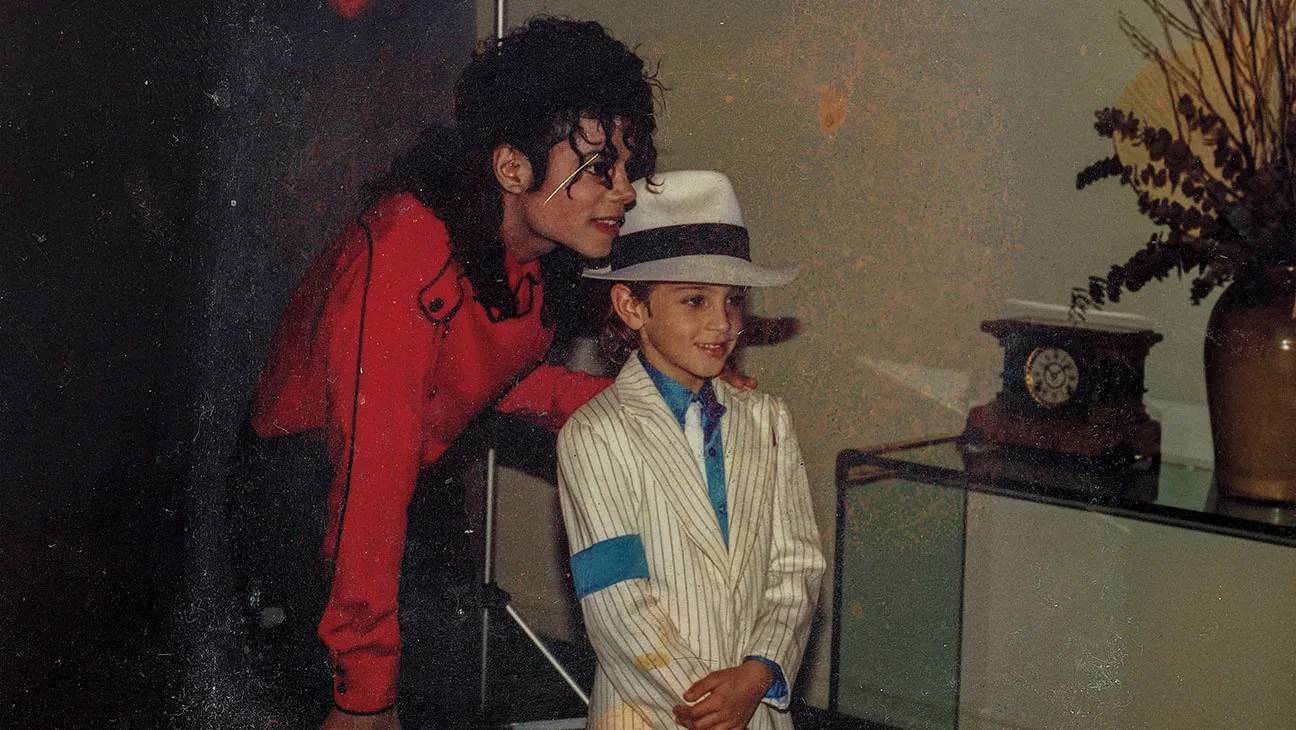
The new film Michael, directed by Antoine Fuqua, presents an in-depth look at the man who became known worldwide as the King of Pop. Jackson’s life provides unusually dramatic material for cinema. He was a child star, a musical innovator, a record-breaking performer, and one of the most recognizable people on Earth.
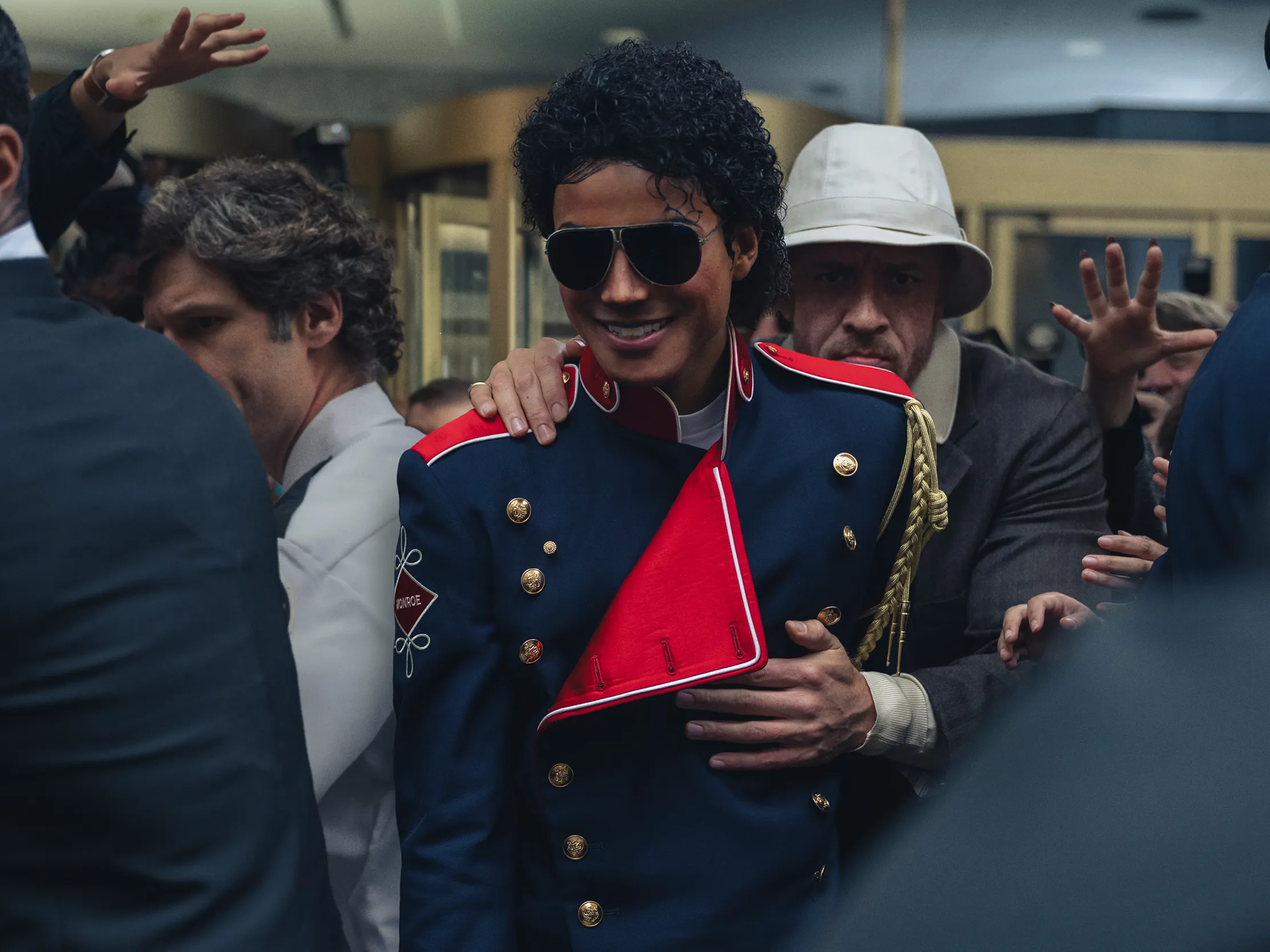
The role of Michael Jackson is played by his nephew, Jaafar Jackson, the son of Jermaine Jackson. That casting choice immediately gave the film a personal connection to the Jackson family, adding emotional weight for fans who wanted to see Michael portrayed by someone from within his own bloodline.
At the Los Angeles premiere, several members of the Jackson family attended, including La Toya, Marlon, Jermaine, Jackie, and Prince Jackson. La Toya praised Jaafar’s performance, saying the resemblance was so powerful that viewers could forget they were watching an actor.
Dan Reed’s Sharp Criticism
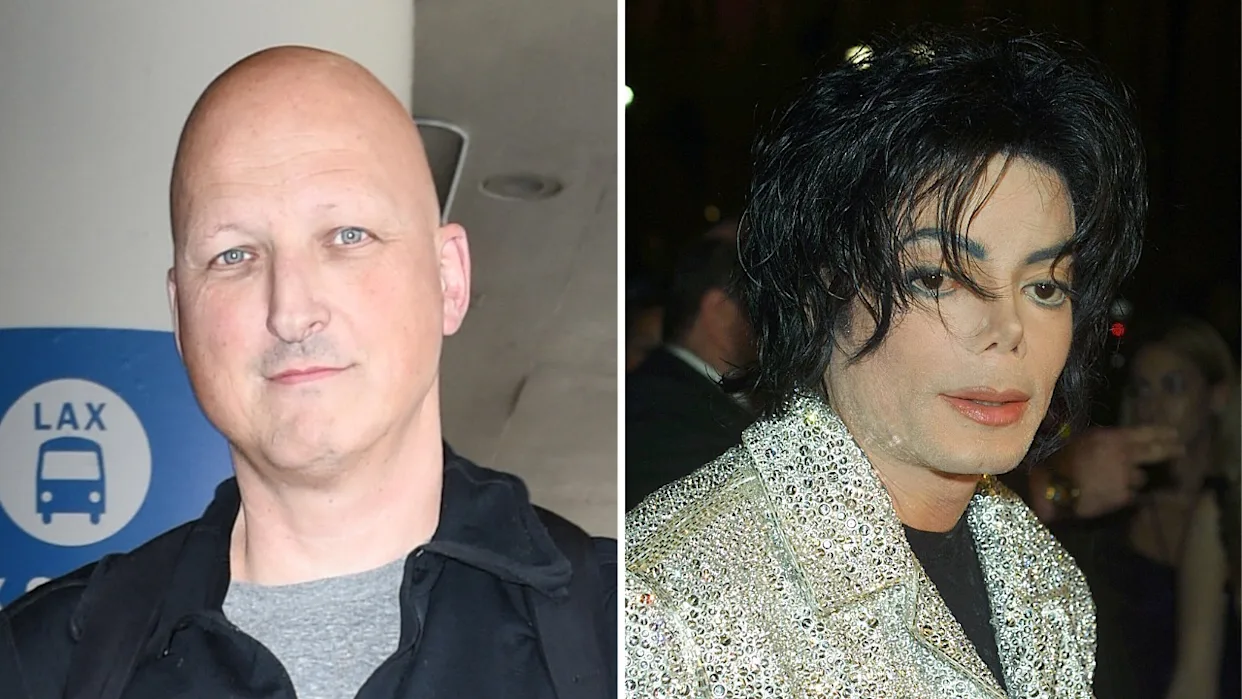
Dan Reed, who directed the 2019 documentary Leaving Neverland, strongly criticized the biopic for what he sees as a major omission. His documentary focused on Wade Robson and James Safechuck, two men who alleged that Jackson sexually abused them when they were children.
Reed argued that any serious retelling of Jackson’s life must address those allegations. In his view, leaving them out creates an incomplete and misleading portrait. He questioned how a film could claim to be authentic while avoiding one of the most controversial and consequential parts of Jackson’s public legacy.
His criticism became even more explosive when he compared Jackson to Jeffrey Epstein, claiming Jackson was worse. The comment immediately drew attention because of its severity and because Jackson’s estate and supporters have long denied the allegations against him.
The Allegations at the Center of the Debate
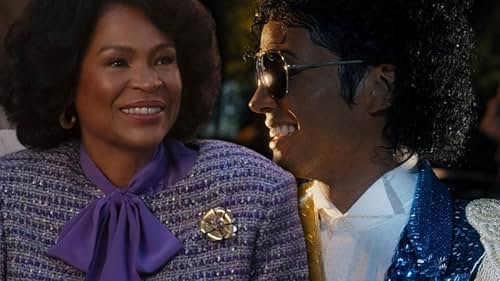
The allegations featured in Leaving Neverland came from Wade Robson and James Safechuck. Robson said he met Jackson when he was five years old and later appeared in Jackson’s music videos and recorded music connected to his label. Safechuck said he met Jackson while filming a Pepsi commercial when he was nine.
Both men later filed lawsuits against Jackson’s companies, MJJ Productions Inc. and MJJ Ventures Inc. They argued that the companies and their employees had a duty to protect them from Jackson.
The Jackson estate has consistently denied the allegations. The estate has also pointed out that Robson testified during Jackson’s 2005 criminal trial that Jackson had not abused him, and Safechuck previously told authorities he had not been abused. Jackson was acquitted in the 2005 criminal trial.
Why the Lawsuits Matter
The legal history around the allegations is complicated and remains central to the public debate. In 2021, a Superior Court judge dismissed the lawsuits from Robson and Safechuck, ruling that Jackson’s companies and their employees did not have a legal duty to protect them from Jackson.
However, in 2023, a California appeals court reversed that decision and sent the cases back toward trial. That legal development kept the allegations alive in the court system and ensured that the debate over Jackson’s legacy would continue.
For Reed, the existence of those lawsuits makes it even more important for a biopic to acknowledge the allegations. For Jackson’s defenders, the allegations remain disputed and unproven in the way critics present them. This tension is exactly why the film has become such a flashpoint.
Antoine Fuqua’s Response
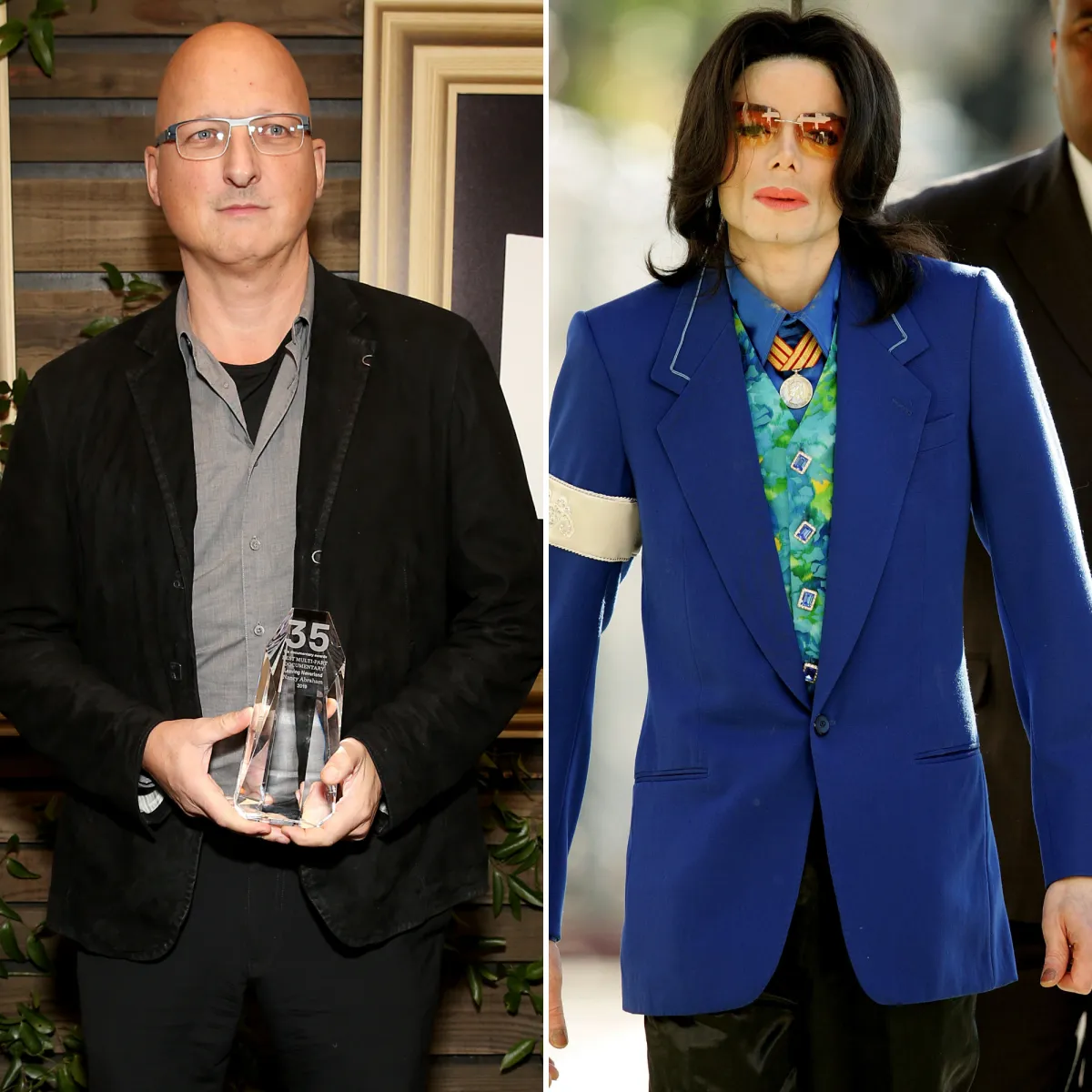
Director Antoine Fuqua has defended his approach to the film. When asked about accusations against Jackson, Fuqua suggested that some people do harmful things for money. That comment angered Reed, who argued that it unfairly dismissed the accusers.
Reed pushed back by saying Robson and Safechuck had not profited from their allegations. He argued that filing a lawsuit does not mean someone receives money, because compensation only comes if a case is won.
The exchange reflects a larger divide in how people view the accusers. Supporters of Jackson often believe the allegations were financially motivated. Critics argue that such claims are used to silence or discredit alleged victims.
The Power of the Jackson Estate
Another major part of Reed’s criticism focused on the financial power behind the Jackson brand. He argued that there is enormous money tied to Jackson’s music, image, and intellectual property. From albums and streaming revenue to stage shows, merchandise, documentaries, and films, the Michael Jackson name remains commercially powerful.
Reed suggested that many people involved in the biopic have financial reasons to support a positive version of Jackson’s story. He claimed that the entertainment industry and media are often reluctant to challenge the Jackson machine because the brand remains profitable and culturally influential.
This argument touches on a broader issue in Hollywood: who controls a famous person’s legacy after death? When family members and estates are involved in a biopic, critics often question whether the final product becomes biography or brand management.
Family Involvement and Public Perception
The Jackson family’s involvement in the film has been seen by fans as a sign of authenticity. For many supporters, the family’s presence suggests the movie honors the man they knew and loved.
But critics see it differently. They argue that family involvement may limit how honestly a film explores painful or controversial subjects. If a biopic depends on estate cooperation, access to music rights, and family approval, it may be less likely to include material that damages the subject’s image.
This is why the absence of Paris Jackson and Janet Jackson from the premiere drew attention. Paris has previously said she read an early draft of the script and gave notes about parts she felt were dishonest or uncomfortable. She said those concerns were not addressed, so she moved on from the project.
The Fans Who Still Defend Michael Jackson
Michael Jackson’s fan base remains one of the most loyal in entertainment history. For many fans, Jackson was not just a performer. He was a symbol of creativity, pain, genius, and survival. His music shaped childhoods, dance floors, award shows, and global pop culture.
That emotional connection makes criticism of Jackson feel deeply personal to his supporters. Many fans reject the allegations and point to the 2005 acquittal as proof that he was unfairly targeted. Others argue that his art should be remembered separately from accusations.
Reed, however, believes that many fans simply refuse to confront uncomfortable evidence. His frustration reflects a broader cultural conflict over how society handles beloved artists accused of serious wrongdoing.
The Challenge of Telling a Full Story
Biopics are often difficult because real lives are messy. A film has limited time, and every choice shapes what the audience sees. In Jackson’s case, the challenge is even greater because his life included extraordinary success, intense public scrutiny, legal battles, family trauma, and unresolved moral questions.
A film focused only on the music risks feeling incomplete. A film focused only on allegations risks ignoring the artistic impact that made Jackson famous in the first place. The difficulty lies in creating a portrait that does not erase either side of the story.
That is why Michael has become controversial before audiences even fully judge it. People are not only asking whether it is entertaining. They are asking whether it is honest.
Why This Debate Still Matters
Michael Jackson died in 2009, but the debate around him has never disappeared. His music remains everywhere, yet the allegations continue to shape how new generations understand him. Each new documentary, lawsuit, anniversary, or film brings the same difficult questions back into public view.
The release of Michael shows how powerful legacy can be. A celebrity’s image does not end with death. It is rebuilt, defended, challenged, and marketed again and again. In Jackson’s case, that process is especially intense because his cultural impact was enormous and the accusations against him are deeply serious.
The public is left facing a difficult question: can a society celebrate artistic brilliance while fully acknowledging the pain and allegations attached to that artist’s name?
A Legacy Still Dividing the World
The controversy surrounding Michael is not just about one director’s criticism or one biopic’s creative choices. It is about how culture remembers powerful figures when their legacies are fractured.
For Jackson’s family and fans, the film may feel like a long-awaited tribute to an artist they believe was misunderstood and unfairly judged. For Reed and others who support the accusers, the film may feel like another attempt to polish a legacy while avoiding the people who say they were harmed.
In the end, Michael may become more than a movie. It may become another battleground in the ongoing fight over Michael Jackson’s memory. His music still moves millions, but the allegations still haunt the conversation. That tension is unlikely to disappear, because the world is still deciding what to do with a legacy that remains both brilliant and deeply contested.