
Table of Contents
- When a Hunt Turns Into a Fatal Encounter
- A Veteran Hunter With Years of Experience
- The Safari Trip in Gabon
- The Moment Everything Changed
- Why Elephant Encounters Are So Dangerous
- A Life Connected to Hunting Culture
- The Impact on Family and Community
- The Role of Safari Operators and Safety Measures
- The Broader Context of Wildlife Conservation
- A Reminder of Nature’s Unpredictability
- What This Means Moving Forward
When a Hunt Turns Into a Fatal Encounter
When news broke that a seasoned big game hunter had been killed by a herd of elephants during a safari in Central Africa, the story quickly drew global attention. The incident was not just another tragic accident in the wild. It became a powerful reminder of how unpredictable nature can be, even for those who have spent decades navigating it. The death of Ernie Dosio, a 75-year-old American with a long history in big game hunting, highlights the thin line between control and chaos in the natural world. What follows is an exploration of what happened, why it happened, and what it reveals about the risks of wildlife encounters in remote environments.
A Veteran Hunter With Years of Experience
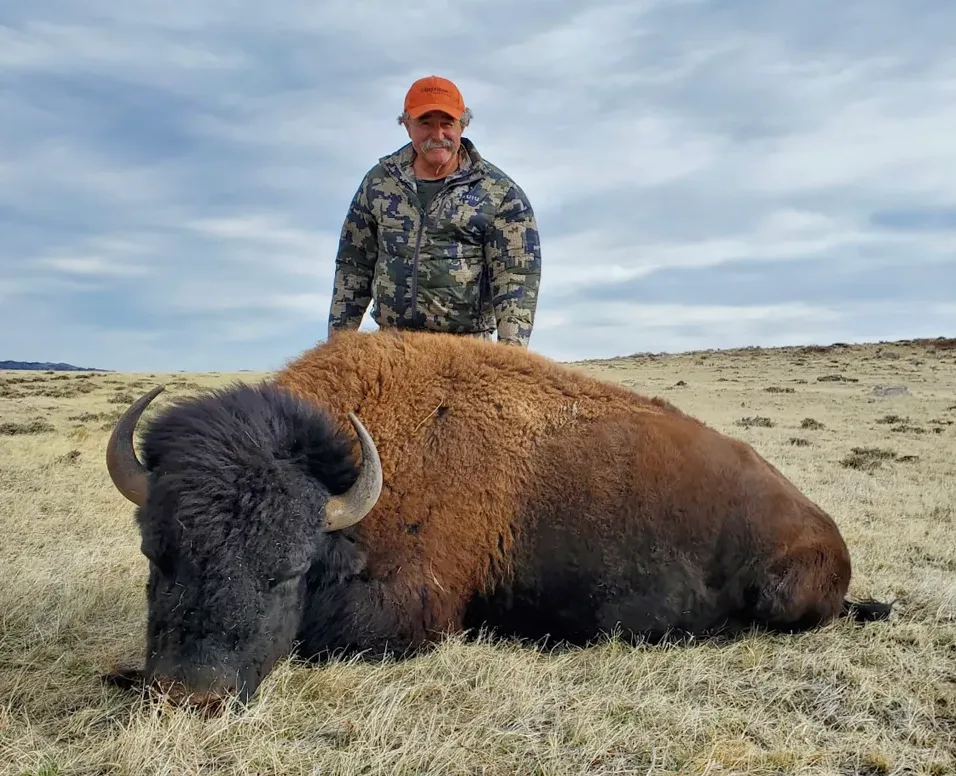
Ernie Dosio was not new to hunting. He had spent years traveling across Africa and the United States, building a reputation within hunting communities as an experienced and committed participant in big game expeditions. His record included a wide range of animals, from antelope to large predators, and he was known among safari circles for his enthusiasm and persistence.
Dosio was also a successful businessman. As the owner of Pacific AgriLands Inc, he managed thousands of acres of vineyard land in California, combining agricultural expertise with financial success. His lifestyle reflected both his professional achievements and his passion for outdoor pursuits.
Within hunting organizations, he was regarded as a familiar and respected figure. He participated in events, supported community activities, and maintained close ties with others who shared his interests. For many who knew him, his death was not only shocking but deeply personal.
The Safari Trip in Gabon
The fatal incident occurred in the forests of Gabon, a region known for its dense vegetation and rich biodiversity. Dosio had traveled there as part of a licensed hunting trip organized by a safari company. His target was not elephants but smaller game, specifically a species known as the yellow-backed duiker.
The hunt took place in the Lope-Okanda rainforest, an area that is both beautiful and challenging. Visibility can be limited, terrain can be difficult, and wildlife encounters can happen suddenly. These conditions make hunting in such environments both exciting and dangerous.
According to reports, Dosio was accompanied by a professional hunter guide, a standard practice in organized safari expeditions. Guides are responsible for ensuring safety, navigating the terrain, and helping clients manage unexpected situations.
The Moment Everything Changed
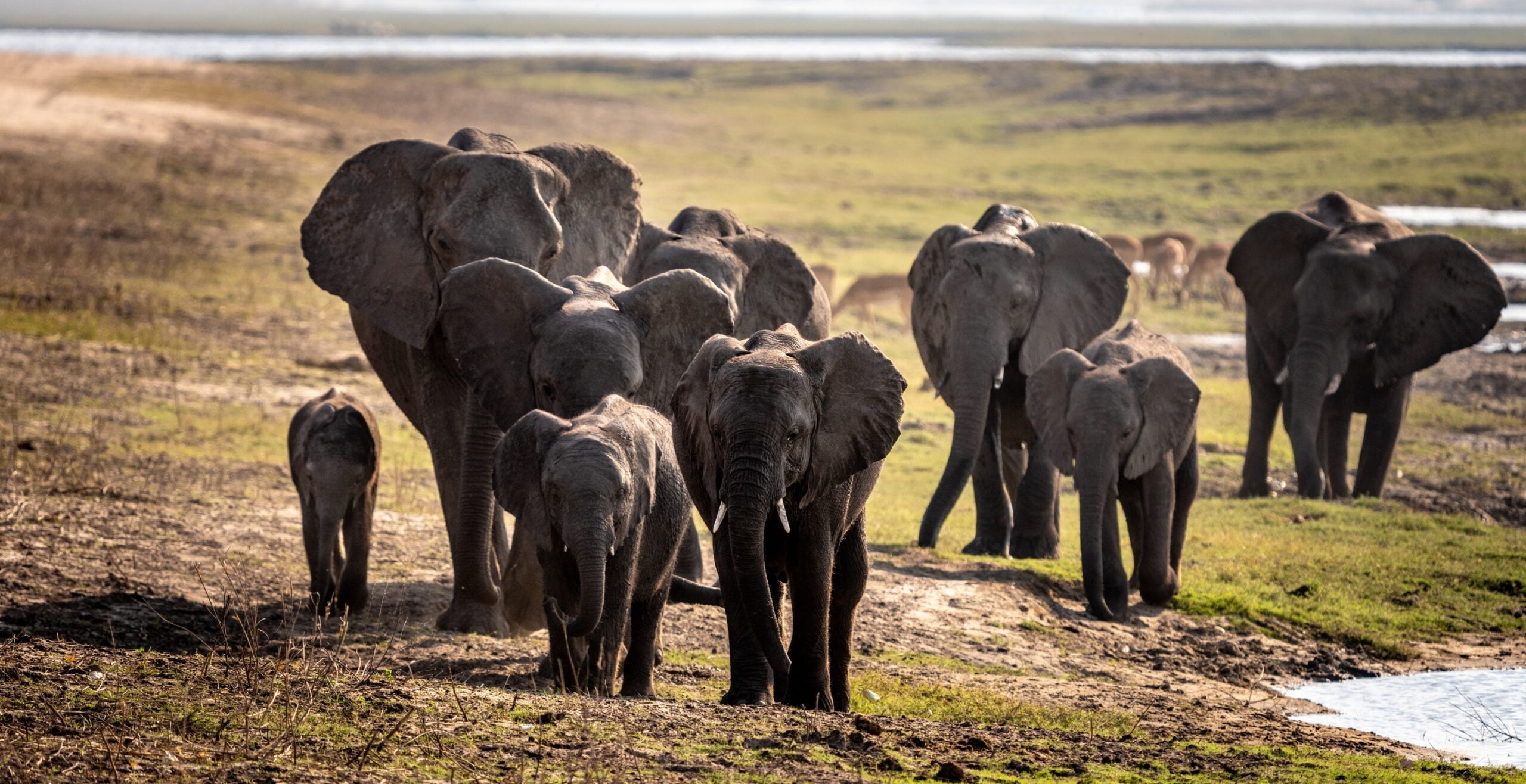
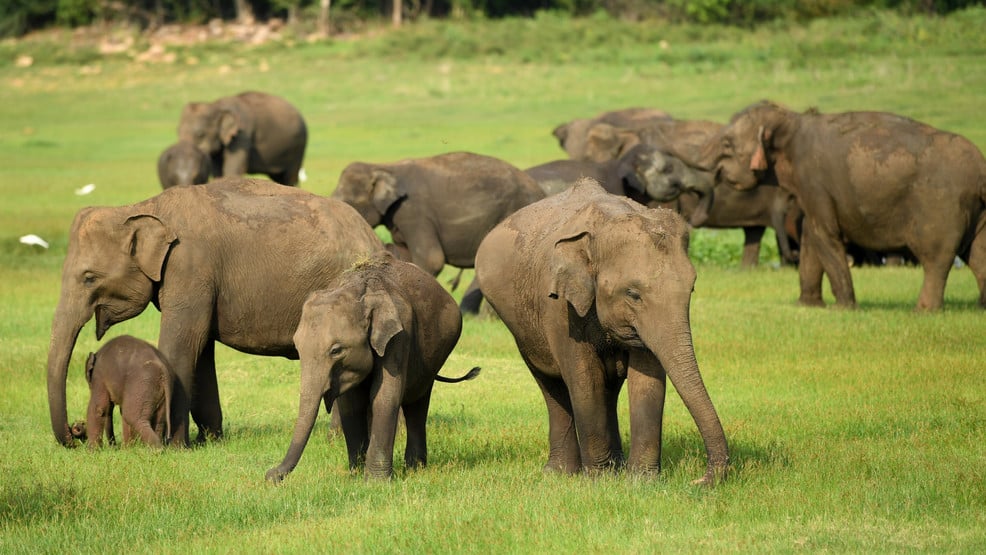
The situation escalated when Dosio and his guide unexpectedly encountered a group of elephants. The herd consisted of several females and a calf, a combination that significantly increases the likelihood of defensive behavior.
Elephants are known for their strong protective instincts, especially when young calves are present. When they perceive a threat, they can react quickly and aggressively. In this case, the encounter appears to have been sudden, leaving little time for the hunters to retreat or de-escalate the situation.
The elephants charged, and the outcome was devastating. Dosio was trampled, and his guide was seriously injured in the attack. While details of the exact sequence of events remain limited, the result underscores how quickly a routine expedition can turn into a life-threatening emergency.
Why Elephant Encounters Are So Dangerous
Elephants are among the largest and most powerful land animals on Earth. Their size alone makes them formidable, but their intelligence and social structure add another layer of complexity to their behavior.
In the wild, elephants rely on communication, memory, and group coordination to survive. When they feel threatened, particularly when protecting their young, they can respond with overwhelming force. A charging elephant can reach high speeds and has the strength to overturn vehicles, crush obstacles, and inflict fatal injuries.
In forest environments like Gabon, these dangers are amplified. Limited visibility means that encounters can happen at close range, reducing the time available to react. For hunters, even those with significant experience, this creates a level of risk that cannot always be controlled.
A Life Connected to Hunting Culture
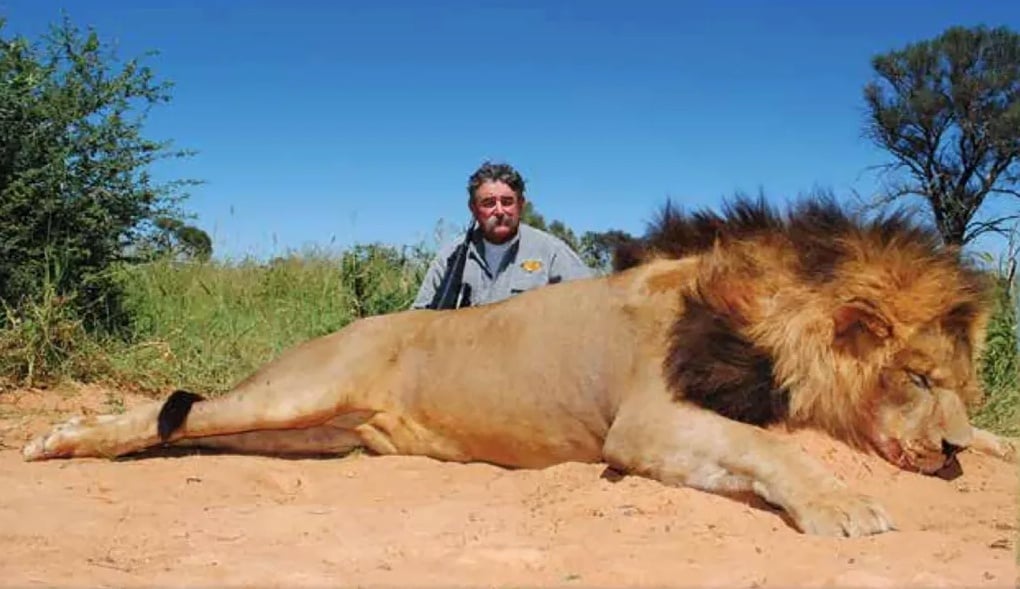
Dosio’s involvement in hunting extended beyond individual trips. He was part of a broader community that views hunting as both a sport and a conservation tool. Supporters often argue that regulated hunting can contribute to wildlife management and fund conservation efforts.
Within this context, Dosio participated in organized hunts that were described as licensed and compliant with local regulations. Some of his peers emphasized that his activities were conducted within legal frameworks and were part of controlled programs aimed at managing animal populations.
However, big game hunting remains a controversial topic. Critics question its ethical implications, while supporters defend it as a legitimate and sometimes necessary practice. The circumstances of Dosio’s death have reignited these debates, drawing attention to the complex relationship between humans and wildlife.
The Impact on Family and Community
The loss of Dosio has been felt deeply by those who knew him. Friends, family members, and fellow hunters have expressed grief and shock at the sudden nature of the tragedy. For many, the fact that he died while pursuing a lifelong passion adds a bittersweet dimension to the story.
Dosio was a father and a community member with strong ties to local organizations. His involvement in events and charitable activities made him a recognizable figure in his community. The news of his death has prompted tributes and reflections on his life and legacy.
For his family, the loss is both personal and public. As details of the incident circulate globally, they are left to process the tragedy while also navigating the attention that comes with it.
The Role of Safari Operators and Safety Measures
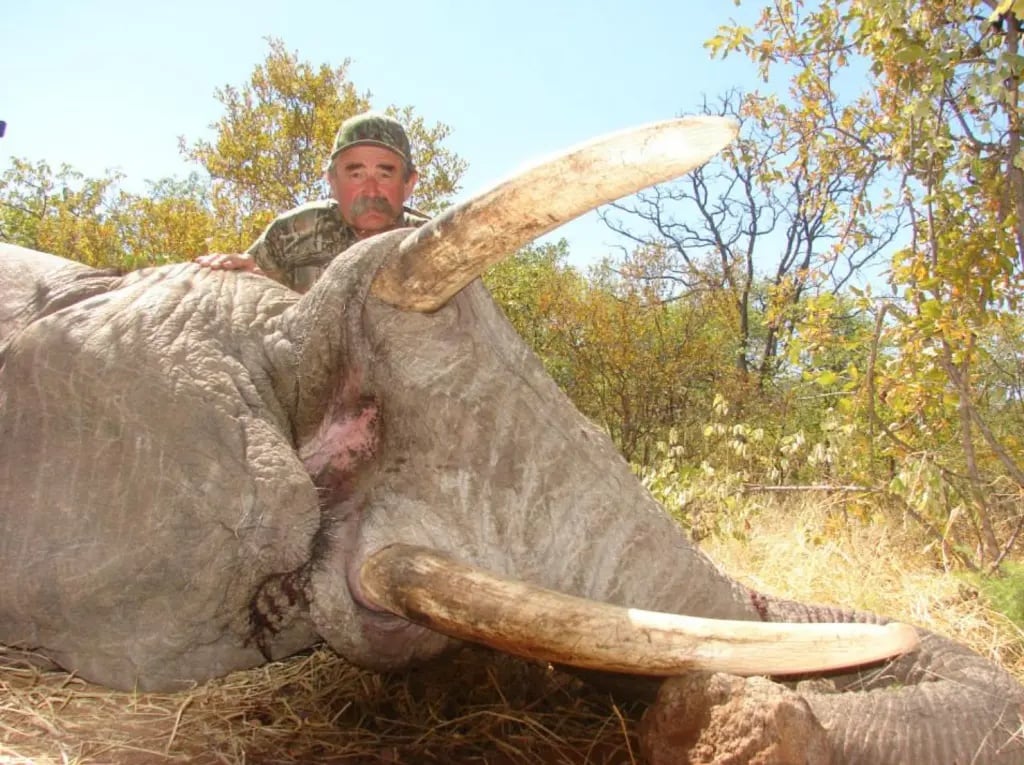
Safari companies play a critical role in managing risk during hunting expeditions. They provide equipment, guides, and logistical support designed to minimize danger. However, even with these precautions, the unpredictability of wildlife cannot be eliminated.
In this case, the safari operator confirmed the incident and acknowledged the severity of the attack. The injured guide’s condition highlights the shared risks faced by both clients and professionals in these environments.
Safety protocols typically include maintaining distance from large animals, avoiding sudden movements, and following the guidance of experienced professionals. Yet when encounters happen unexpectedly, even the best preparation may not be enough.
The Broader Context of Wildlife Conservation
The region where the incident occurred is home to a significant population of forest elephants, a species that is considered highly endangered. According to conservation groups, these elephants represent a large portion of the remaining global population.
This adds another layer to the story. The same animals that are vulnerable to extinction are also capable of defending themselves with immense القوة. The balance between conservation and human interaction becomes particularly delicate in such contexts.
Efforts to protect elephant populations often involve reducing poaching, preserving habitats, and managing human-wildlife conflict. Incidents like this highlight the challenges involved in maintaining that balance.
A Reminder of Nature’s Unpredictability
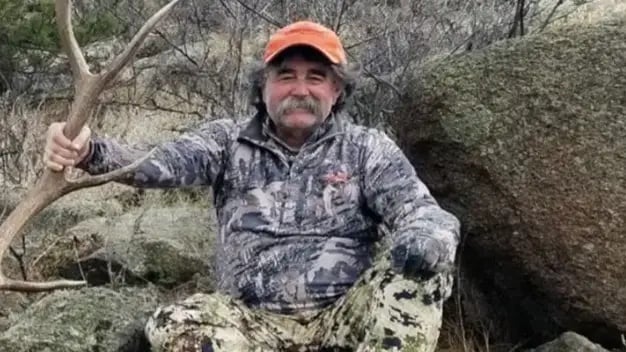
At its core, this story is about unpredictability. Even individuals with years of experience, professional guidance, and careful planning can find themselves in situations beyond their control. Nature does not follow human expectations, and wildlife does not respond to human intentions.
For those who venture into remote environments, this reality is always present. It is part of what makes such experiences both compelling and dangerous. The same elements that attract people to the wild can also pose significant risks.
The death of Ernie Dosio serves as a stark reminder of this truth. It underscores the importance of respect, caution, and awareness when interacting with powerful animals in their natural habitats.
What This Means Moving Forward
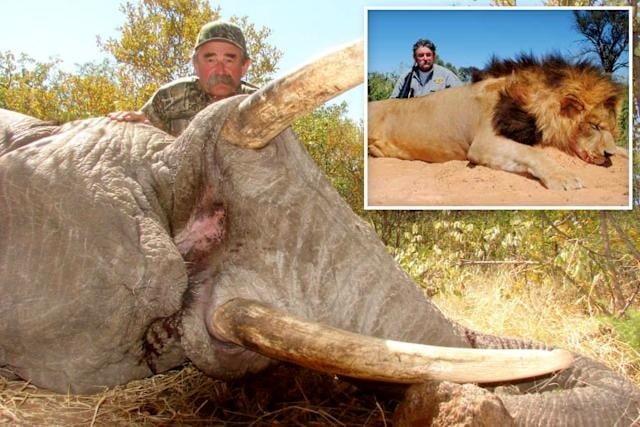
As the story continues to circulate, it raises questions about how such incidents can be prevented and what responsibilities fall on individuals, operators, and governments. It also prompts reflection on the broader relationship between humans and wildlife.
For some, the tragedy will reinforce calls for stricter regulations or changes in hunting practices. For others, it will be seen as an inherent risk of engaging with the natural world. Either way, it highlights the need for ongoing dialogue about safety, ethics, and conservation.
In the end, the legacy of this incident may lie in what it teaches. It is a reminder that the natural world operates on its own terms, and that even the most experienced individuals must approach it with humility and respect.