
Table of Contents
- When Germany Signals a Historic Military Shift
- A Strategy Decades in the Making
- Why Germany Sees a Growing Threat
- Moving Beyond Traditional Military Planning
- A Massive Expansion of Military Personnel
- The Return of Conscription as a Possibility
- Elevating the Role of Reserve Forces
- Cutting Bureaucracy and Embracing Technology
- The Challenge of Global Supply Chains
- A Shift in Germany’s Global Role
- What This Means for Europe and Beyond
- A Defining Moment for European Security
When Germany Signals a Historic Military Shift
When news broke that Germany had unveiled a sweeping long-term strategy to transform its armed forces into Europe’s strongest military power by 2039, it marked a turning point not only for the country but for the entire continent. This was not a minor policy adjustment or a routine defense update. It was a bold declaration that Europe’s largest economy intends to redefine its military role in an increasingly unstable world. The announcement signals a shift in mindset, moving away from decades of cautious defense policy toward a more assertive and prepared posture. What follows is an exploration of how Germany plans to rebuild its military strength, why it believes this is necessary, and what it could mean for the future of global security.
A Strategy Decades in the Making
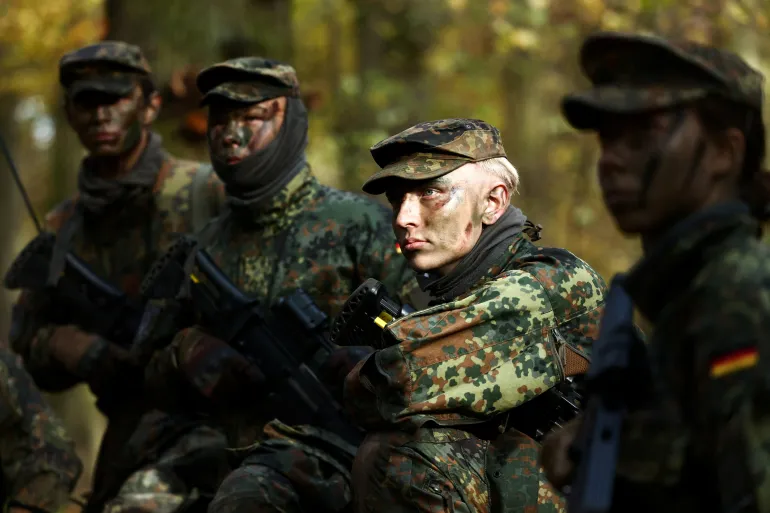
The plan, introduced under the leadership of Boris Pistorius, represents the most comprehensive overhaul of the Bundeswehr in decades. For the first time, Germany has produced a standalone military strategy document that outlines its long-term vision, capabilities, and priorities.
This strategy is not a static plan. Officials describe it as a “living document,” meaning it will evolve over time as global conditions change. Still, its core objective is clear: to prepare Germany for a future where military readiness is no longer optional, but essential.
The timing of this shift is critical. Europe is facing heightened security concerns, particularly following tensions with Russia and ongoing conflicts that have reshaped the geopolitical landscape. Germany’s leadership believes that the current moment requires a level of military preparedness not seen since the Cold War era.
Why Germany Sees a Growing Threat
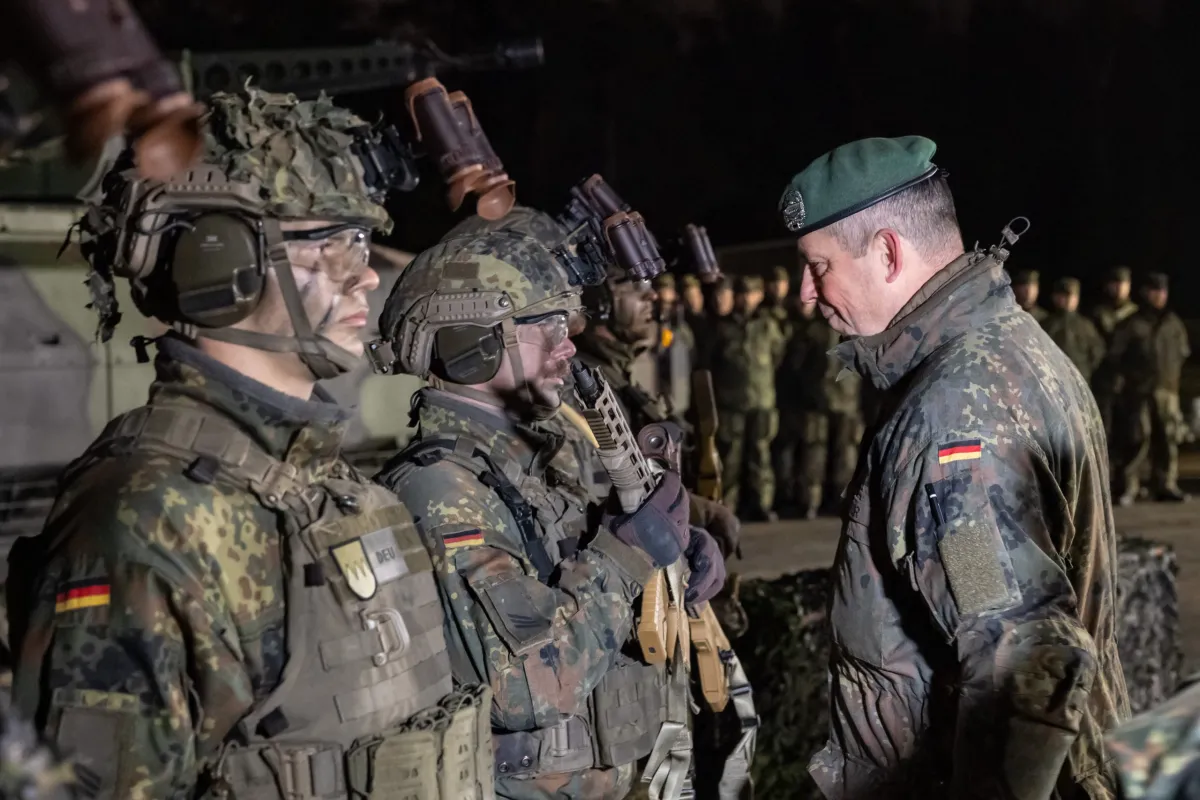
At the center of the strategy is a recognition of changing global threats. German defense officials have identified Russia as a primary concern, particularly in the context of potential challenges to NATO territory. While specific threat scenarios remain classified, the message is clear: Germany is preparing for the possibility of large-scale conflict in Europe.
This perspective reflects a broader shift within NATO. The alliance is increasingly focused on deterrence and rapid response, ensuring that member states can defend themselves and support each other in times of crisis. Germany’s new strategy aligns closely with this goal, positioning the country as a central player in European defense.
Beyond Europe, the strategy also acknowledges the interconnected nature of global security. Conflicts in the Middle East, tensions in the Indo-Pacific, and technological competition all play a role in shaping Germany’s defense priorities. This “one theater approach” treats these regions as part of a single, complex security environment rather than separate issues.
Moving Beyond Traditional Military Planning
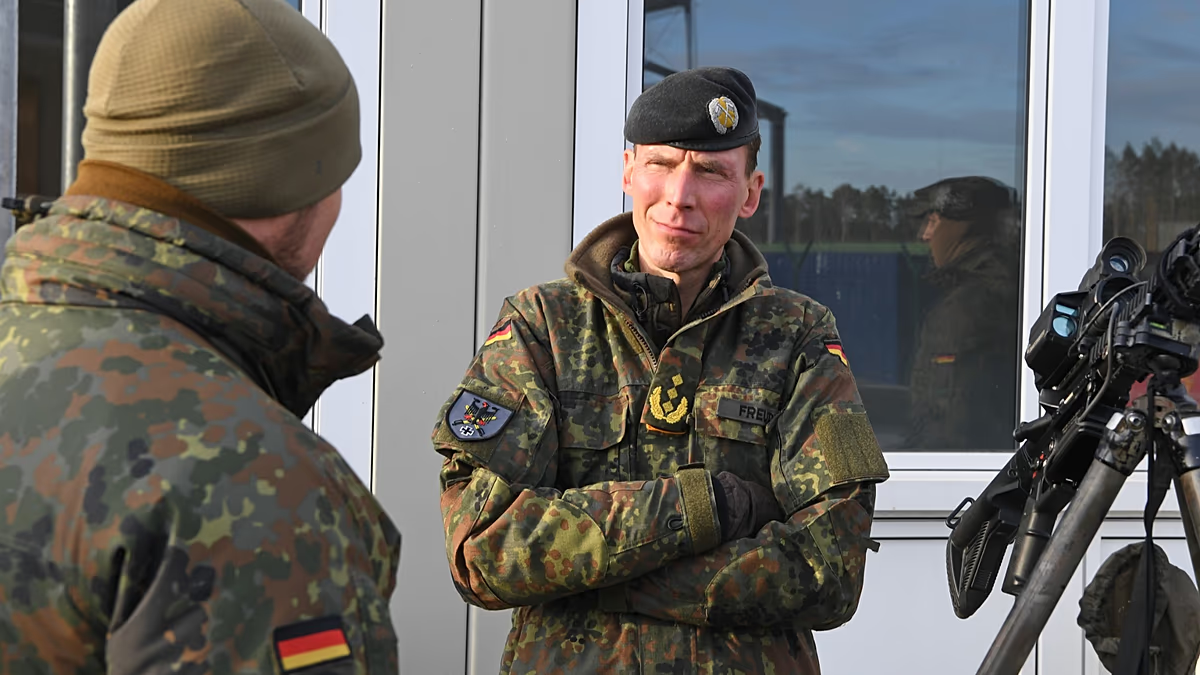
One of the most significant changes in Germany’s approach is how it plans its military capabilities. Instead of focusing on fixed numbers of tanks, aircraft, or ships, the new strategy emphasizes outcomes. The key question is no longer how many units the military has, but what it can achieve in a real-world scenario.
This shift toward an “effects-based” model reflects modern warfare realities. Technology, speed, and adaptability are becoming more important than sheer numbers. Germany is prioritizing capabilities such as long-range precision strikes, advanced air defense systems, and drone technology.
These areas are seen as essential for responding to modern threats, including hypersonic missiles and cyber warfare. At the same time, officials acknowledge that Germany is starting from a relatively low baseline in some of these areas, particularly long-range strike capabilities.
A Massive Expansion of Military Personnel
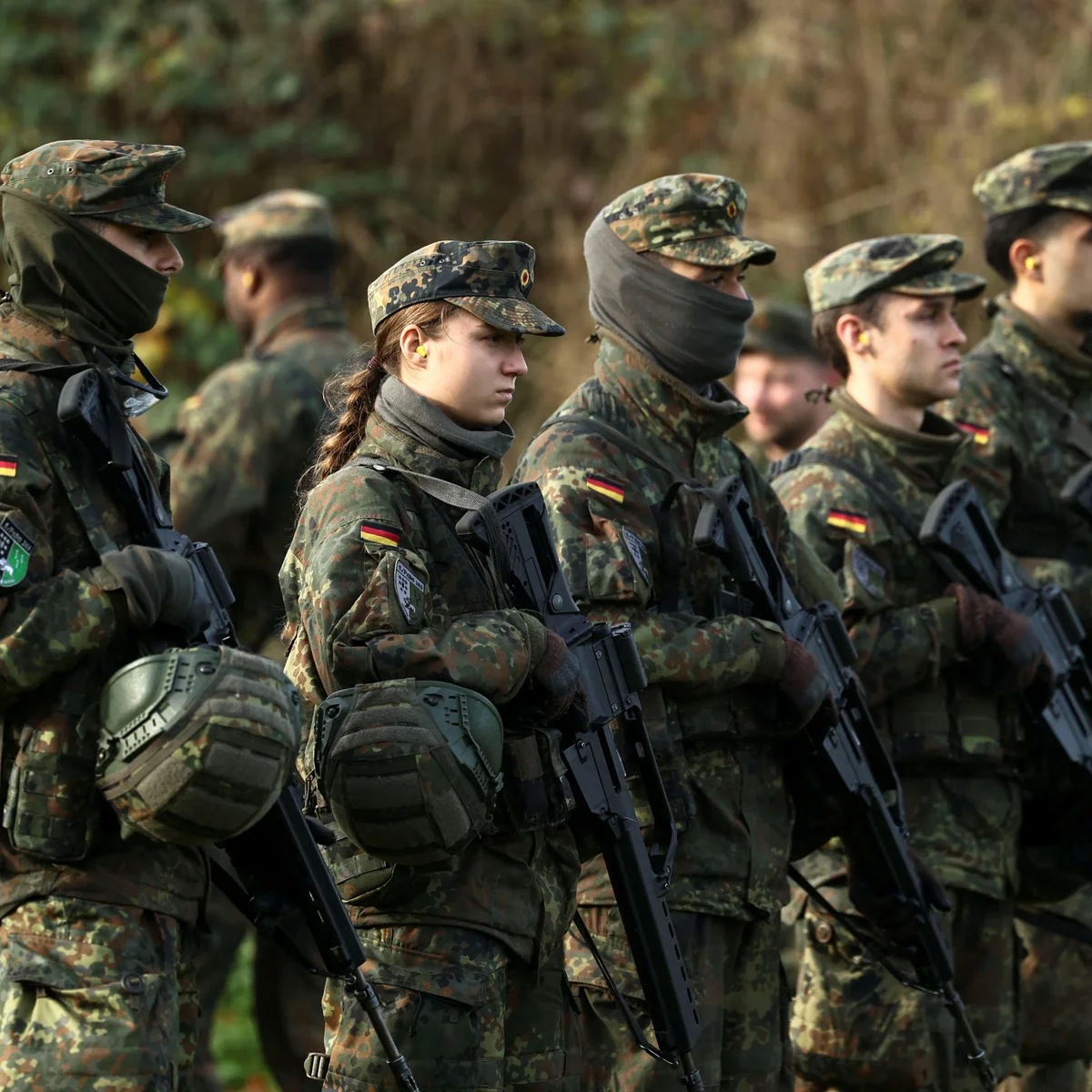
A central part of the plan involves significantly increasing the size of Germany’s military. The current force of around 185,000 active-duty soldiers is expected to grow to approximately 260,000 by the mid-2030s. This expansion will be supported by a major increase in reserve forces, which are projected to rise from about 60,000 to at least 200,000.
Together, these numbers would bring Germany’s total combat-ready force to around 460,000 personnel. This is a dramatic increase that reflects the scale of the country’s ambitions.
The growth will take place in phases. The first phase focuses on rapid expansion through 2029, followed by a period of capability development until 2035. The final phase extends to 2039 and beyond, emphasizing technological advancement and long-term sustainability.
The Return of Conscription as a Possibility
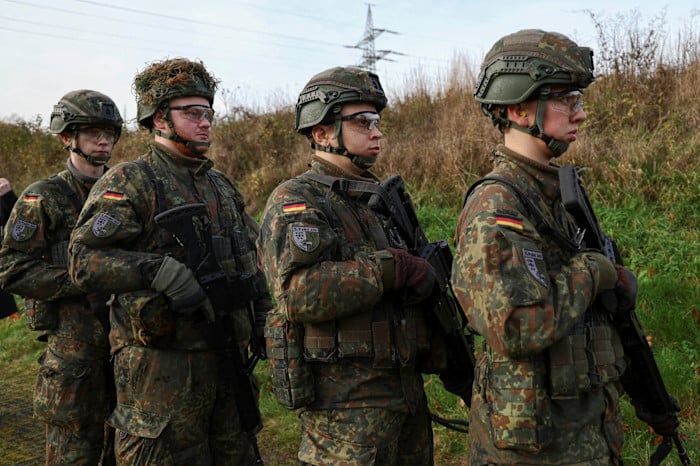
One of the more controversial aspects of the strategy is the potential return of conscription. While Germany does not currently have mandatory military service, the new plan includes provisions that could reintroduce it if recruitment targets are not met.
This reflects a broader challenge faced by many modern militaries. Recruiting enough personnel in a competitive job market is increasingly difficult, especially as younger generations have more career options and different priorities.
By including conscription as a fallback option, Germany is signaling that it is willing to take significant steps to achieve its defense goals. However, this move could spark public debate, as compulsory service raises questions about individual freedom and national responsibility.
Elevating the Role of Reserve Forces
Another key element of the strategy is the transformation of Germany’s reserve forces. Traditionally seen as a backup to be activated in emergencies, the reserves will now play a much more active role.
Under the new plan, reservists will be integrated more closely with active forces and assigned critical responsibilities. These include homeland defense and supporting Germany’s role as a logistics hub for NATO operations.
Officials describe the reserves as a bridge between the military and civilian society. This concept reflects an effort to create a more resilient national defense system, where civilian and military roles are more closely connected.
Cutting Bureaucracy and Embracing Technology
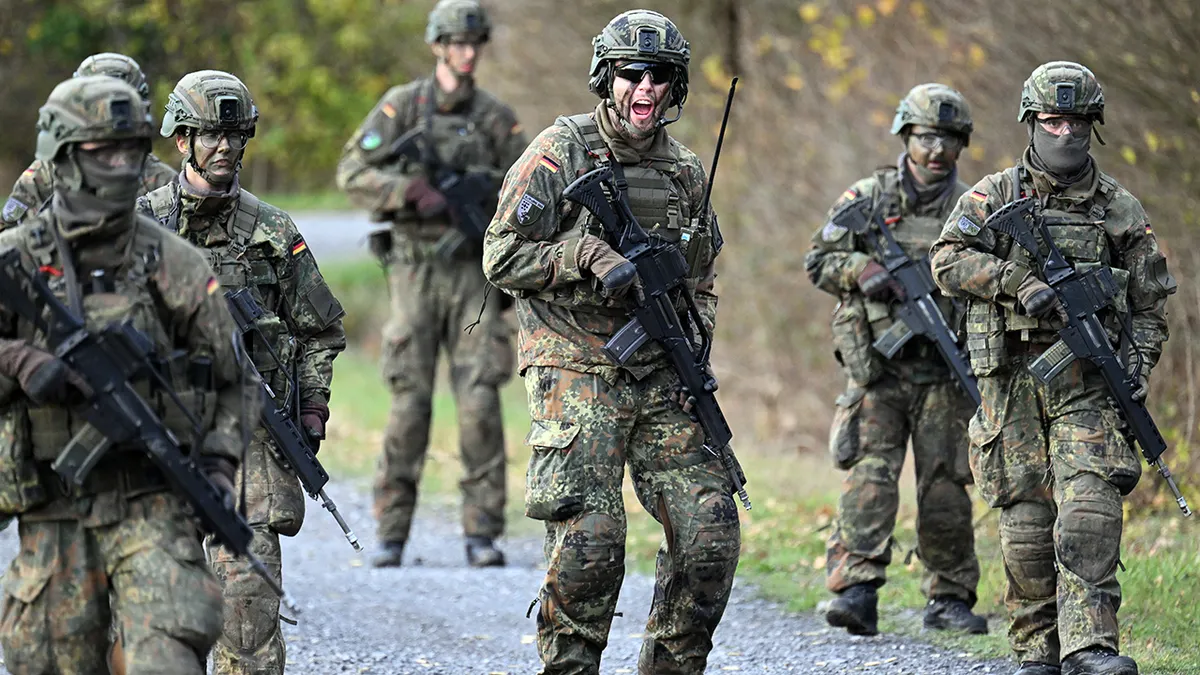
In addition to expanding personnel and capabilities, Germany is also focusing on modernizing how its military operates. A major initiative known as EMA26 aims to reduce bureaucracy, streamline processes, and introduce digital tools across the defense system.
This includes the use of artificial intelligence to handle routine administrative tasks, allowing military personnel to focus on operational readiness. The plan also introduces automatic expiration dates for internal regulations, ensuring that outdated rules do not slow down progress.
These changes are designed to make the Bundeswehr more agile and efficient, addressing long-standing criticisms about slow decision-making and complex administrative structures.
The Challenge of Global Supply Chains
Despite its ambitious goals, Germany faces significant challenges in implementing its strategy. One of the biggest is the global defense supply chain. Demand for military equipment, particularly air defense systems, has surged due to ongoing conflicts and rising tensions.
This increased demand has put pressure on production capacity, making it harder for countries to acquire the equipment they need. Even with sufficient funding, Germany may face delays in obtaining critical systems.
Defense officials have acknowledged this reality, noting that not all factors are within their control. This highlights the complexity of modern military planning, where global market conditions can impact national security strategies.
A Shift in Germany’s Global Role
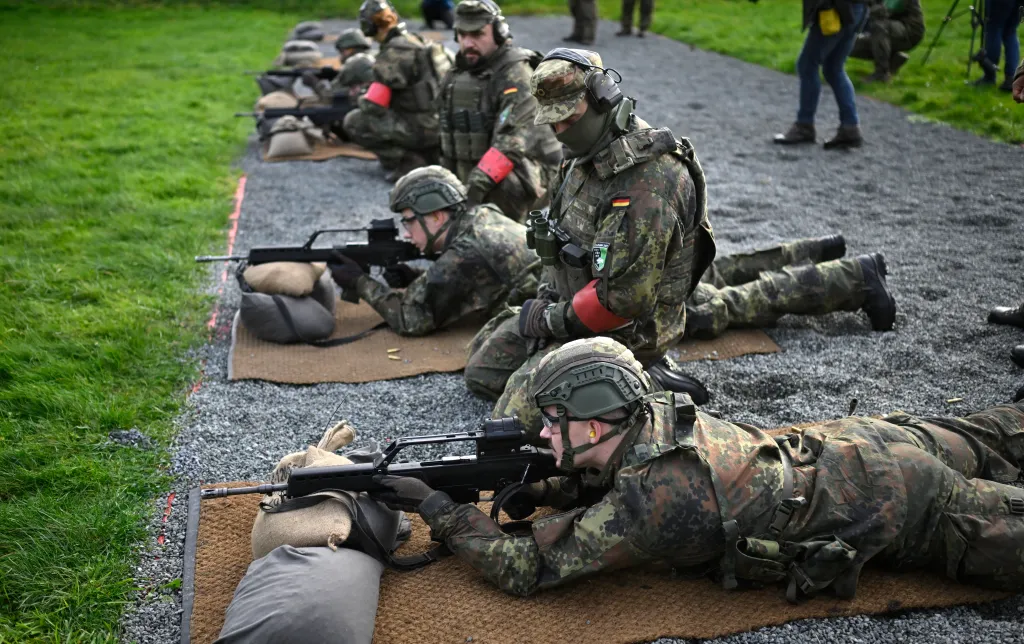
Germany’s decision to pursue military strength represents a broader shift in its global role. For decades, the country has been cautious about military power, focusing instead on economic strength and diplomatic influence.
This new strategy suggests a willingness to take on greater responsibility in international security. It reflects a recognition that economic power alone may not be enough in a world where military capability remains a key factor.
At the same time, Germany is positioning itself as a leader within Europe. By aiming to become the strongest conventional military force on the continent, it is setting a benchmark that could influence other countries’ defense policies.
What This Means for Europe and Beyond
The implications of Germany’s strategy extend far beyond its borders. A stronger German military could reshape the balance of power within Europe, strengthen NATO’s capabilities, and influence global security dynamics.
For allies, this development may be seen as a positive step toward greater collective defense. For rivals, it could be viewed as a sign of increasing competition and preparedness.
Ultimately, the success of the strategy will depend on execution. Building a stronger military requires not only resources but also political will, public support, and effective leadership.
A Defining Moment for European Security
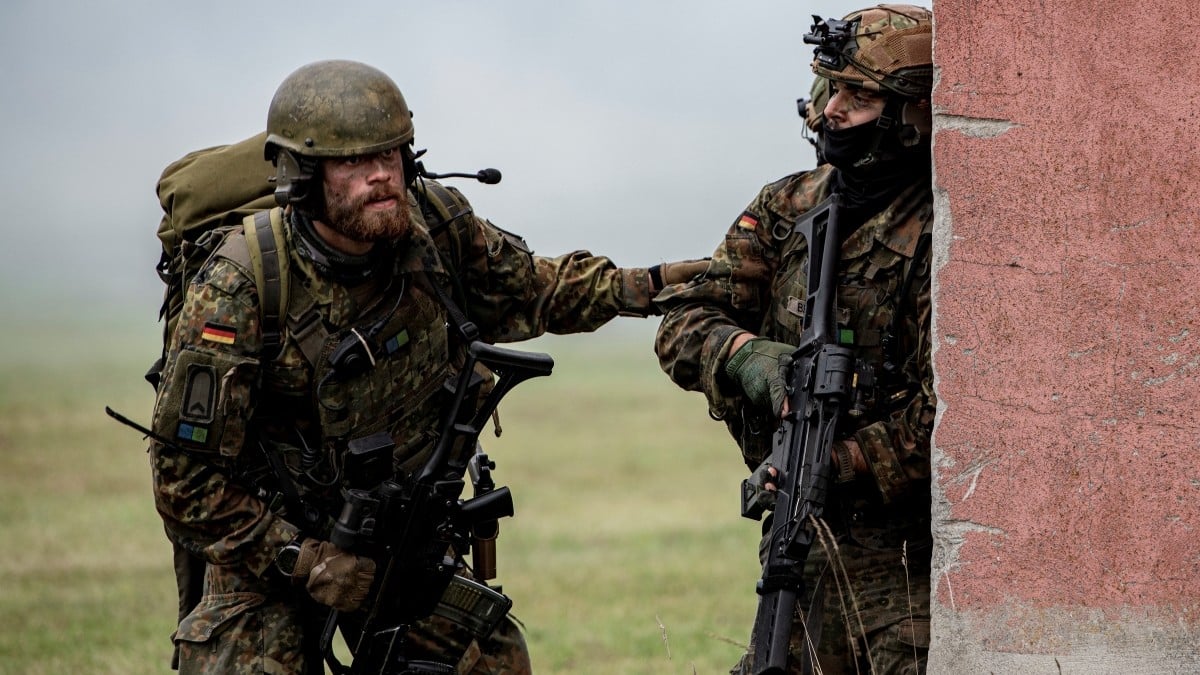
Germany’s plan to become Europe’s strongest military by 2039 marks a defining moment in the continent’s history. It reflects a changing world where security challenges are becoming more complex and interconnected.
The strategy is ambitious, comprehensive, and not without risks. It raises questions about cost, public acceptance, and the potential for escalation in global tensions. Yet it also represents a proactive effort to adapt to a new reality.
As the years unfold, the world will be watching closely. Germany’s choices will not only shape its own future but also influence the direction of European and global security. Whether this strategy leads to greater stability or increased tension remains to be seen, but one thing is certain: the era of cautious defense policy in Germany is coming to an end, replaced by a new vision of strength, readiness, and responsibility.