
Table of Contents
- When Tesla’s Biggest Promise Hit a Wall
- The Promise That Sold a Dream
- What Elon Musk Said About Hardware 3
- Why Customers Feel Misled
- The Retrofit Problem
- Why This Matters for Robotaxi Plans
- The Difference Between Driver Assistance and Autonomy
- A Costly Trust Issue
- Legal Pressure Continues to Build
- The Financial Challenge for Tesla
- What Owners Are Waiting For
- A Defining Moment for Tesla’s Future
When Tesla’s Biggest Promise Hit a Wall
When Elon Musk again acknowledged that millions of Tesla vehicles equipped with older hardware cannot achieve unsupervised self-driving, the moment landed like a shockwave among longtime Tesla owners. For years, customers were told that the company’s Full Self-Driving technology would eventually unlock a future where their cars could drive themselves. Many paid thousands of dollars for that promise, believing the necessary hardware was already installed in their vehicles.
Now, Tesla’s own leadership is admitting that Hardware 3, the computer system installed in millions of cars, simply does not have the capability to deliver unsupervised Full Self-Driving. For frustrated owners, this was not just a technical update. It felt like confirmation of a fear they had carried for years: that the future they paid for may never arrive without major changes.
The Promise That Sold a Dream
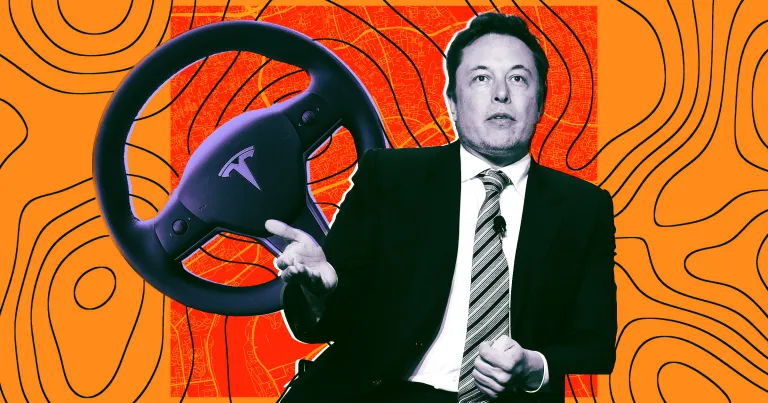
Tesla’s self-driving vision has always been one of its most powerful selling points. Musk repeatedly suggested that autonomy was close, and that Tesla vehicles would become more valuable over time as software improved. The idea was bold, futuristic, and extremely attractive to customers who wanted to buy into the next era of transportation.
Beginning in 2019, Tesla began installing Hardware 3 in its vehicles. At the time, this system was presented as powerful enough to support the company’s self-driving ambitions. Customers who purchased Full Self-Driving believed they were buying not only today’s driver assistance features, but also access to a future upgrade path toward true autonomy.
That promise helped shape Tesla’s image as more than a car company. It became a technology movement, a bet on artificial intelligence, and a symbol of where transportation was supposedly headed.
What Elon Musk Said About Hardware 3
During Tesla’s latest earnings call, Musk stated that Hardware 3 does not have the capability to achieve unsupervised Full Self-Driving. He pointed to memory bandwidth as a major limitation, describing it as the technical bottleneck that prevents the older system from reaching the level required for true autonomy.
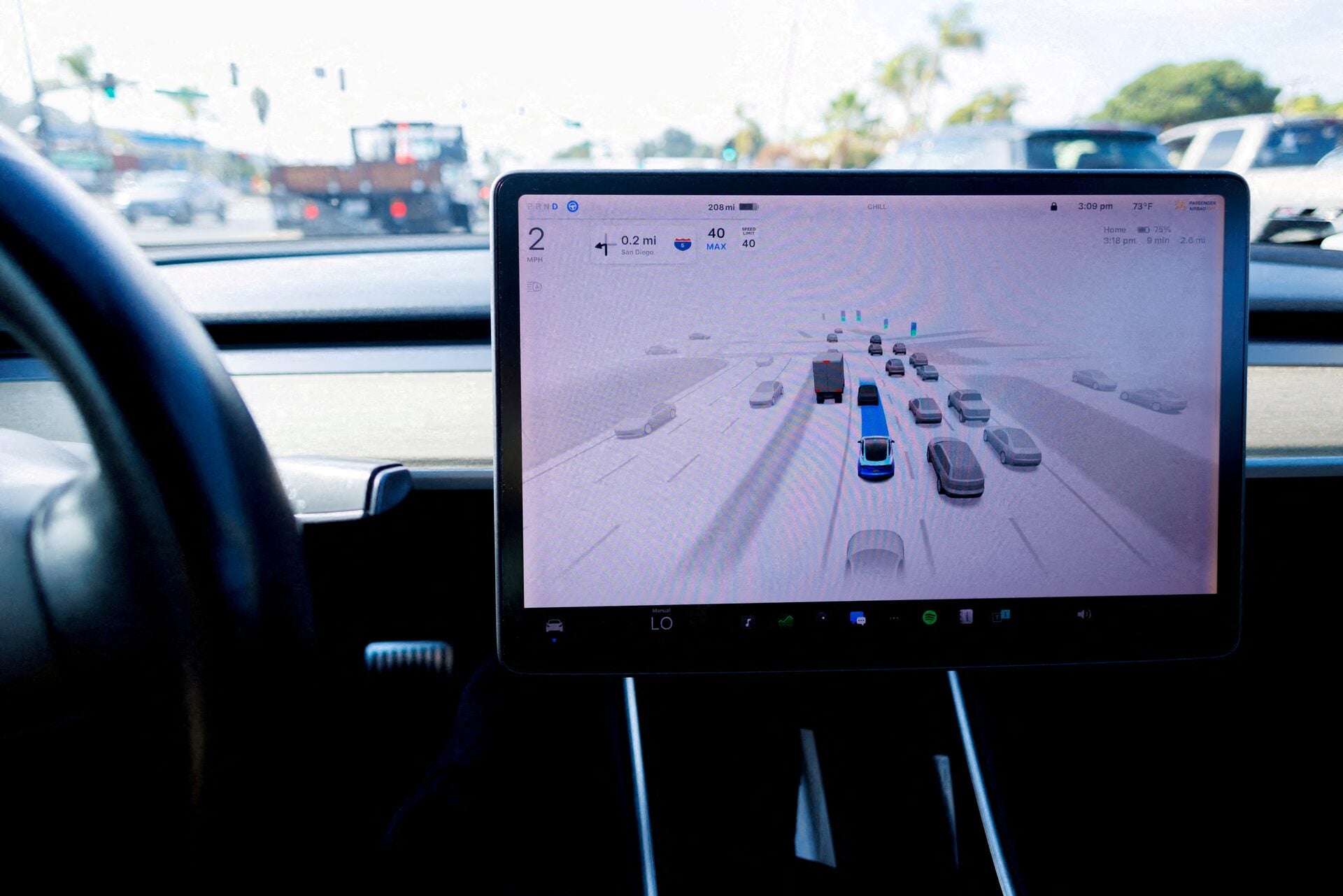
That admission matters because Tesla has sold Full Self-Driving for years, even though the feature still requires human supervision. The current software, often called FSD Supervised, can assist with driving tasks, but drivers must remain alert and ready to take control at any time.
For many Tesla owners, the distinction between supervised and unsupervised driving is the entire issue. They did not simply want a more advanced driver assistance package. They believed they were buying into a future where the car would one day drive itself without human monitoring.
Why Customers Feel Misled
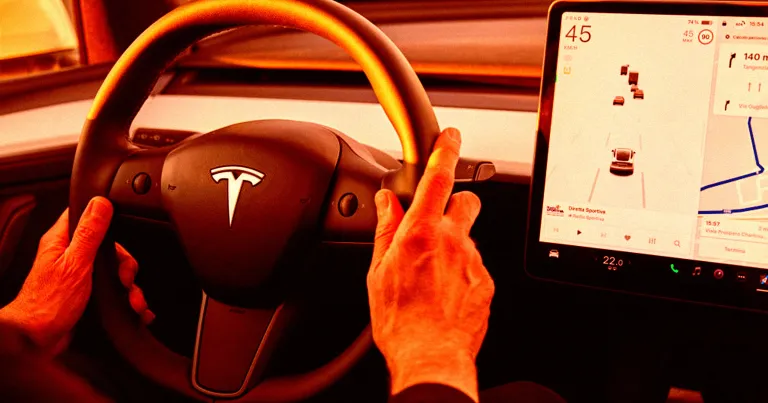
The backlash comes from years of expectations. Some customers paid large sums for Full Self-Driving based on statements that suggested their vehicles were already equipped with the hardware needed for future autonomy. When Musk now says Hardware 3 is not enough, many owners feel that the goalposts have moved.
This frustration has fueled lawsuits and complaints from customers who argue that Tesla overstated what the hardware could eventually do. The issue is not only whether Tesla can someday deliver autonomy. It is whether buyers were given accurate information when they made their purchase decisions.
For customers, the emotional weight is simple. They bought a feature with future value. Now they are being told that the physical system inside their cars may not be capable of delivering that future.
The Retrofit Problem
Tesla has suggested that Hardware 3 vehicles may need upgrades to newer systems, often described as Hardware 4 or beyond. But retrofitting millions of cars is not a small task. It would require parts, labor, logistics, service capacity, and clear communication with owners.
Musk has floated the idea of creating microfactories in major cities to help convert older cars. The concept sounds ambitious, but it also raises questions. How long would it take? Who would qualify? Would customers pay? Would Tesla absorb the cost? Would every older vehicle be eligible?
These questions matter because the scale is enormous. Tesla has millions of vehicles on the road, and upgrading them would not be as simple as downloading new software. A hardware retrofit means physical changes, service appointments, and possible redesign challenges depending on the vehicle model.
Why This Matters for Robotaxi Plans
Tesla’s self-driving ambitions are closely tied to its robotaxi vision. Musk has long suggested that Tesla vehicles could eventually operate as autonomous taxis, generating income for owners and transforming the economics of car ownership.
But if millions of Hardware 3 vehicles cannot support unsupervised autonomy, then they cannot easily become part of that robotaxi future without major upgrades. That creates a significant gap between the original vision and the current technical reality.
For Tesla, robotaxis are not just a side project. They are central to the company’s long-term narrative. Investors have often valued Tesla not only as an electric vehicle company, but as a future autonomy and AI powerhouse. Any limitation on that dream can affect public trust, customer confidence, and investor expectations.
The Difference Between Driver Assistance and Autonomy
Part of the controversy comes from the language around Full Self-Driving. To many ordinary consumers, the phrase sounds like the car can drive itself. In reality, Tesla’s current system still requires human supervision.
This difference is critical. Driver assistance can help steer, change lanes, navigate roads, and respond to traffic conditions, but it is not the same as a fully autonomous vehicle. True unsupervised autonomy means the car can operate without a human ready to intervene.
Tesla has improved its software over time, and many users say the system has become more capable. Still, the requirement for supervision remains. That gap between the product name and the actual responsibility of the driver has been a major source of criticism.
A Costly Trust Issue
The bigger problem for Tesla may not be the technical limitation itself. Technology changes. Hardware becomes outdated. Companies often discover that older systems cannot support newer ambitions. The deeper issue is trust.
Tesla customers are some of the most loyal in the automotive world. Many have supported the company through delays, production challenges, price swings, and public controversy. But self-driving has always been different because it was sold as a future-defining promise.
When a promise lasts for years without arriving, patience begins to fade. When customers are then told that their cars may not have the necessary hardware, disappointment can turn into anger.
Legal Pressure Continues to Build
Tesla has already faced legal scrutiny over its self-driving claims. Customers involved in lawsuits have argued that they paid for technology based on promises that were not fulfilled. Regulators and safety advocates have also questioned whether Tesla’s branding creates confusion about what the system can safely do.
The latest comments from Musk could become important in those disputes. If Hardware 3 cannot achieve unsupervised Full Self-Driving, lawyers may focus on what Tesla knew, when it knew it, and how the company described the hardware to buyers.
That does not automatically mean Tesla will lose legal battles. But it does add pressure at a time when the company is already dealing with tighter margins, growing competition, and intense scrutiny over its future plans.
The Financial Challenge for Tesla
Retrofitting older vehicles would likely be expensive. Tesla would need to manage the cost while maintaining profitability, which has already been under pressure in recent quarters. The company has faced declining margins, price cuts, and rising competition from global electric vehicle makers.
If Tesla chooses to upgrade vehicles at little or no cost to customers, it could become a major financial burden. If it charges customers for upgrades, it could trigger even more backlash from owners who believe they already paid for the capability.
This creates a difficult business problem. Tesla needs to protect its autonomy narrative, satisfy customers, and control costs at the same time. None of those goals are easy to balance.
What Owners Are Waiting For
For many Tesla owners, the next question is simple: what happens now? They want clarity. They want to know whether their cars will receive upgrades, whether those upgrades will be free, and when the process might begin.
Vague promises may no longer be enough. After years of waiting, many customers want concrete timelines and specific policies. They want to know whether Full Self-Driving will become what they believed they purchased or whether they will be left with a supervised system that never reaches full autonomy.
This uncertainty is what makes the story so powerful. It is not only about technology. It is about expectation, money, and belief.
A Defining Moment for Tesla’s Future

Tesla’s self-driving promise helped build one of the most influential brands in modern business. It turned cars into software platforms and made autonomy feel close enough to touch. But the latest admission about Hardware 3 shows how difficult that promise has been to fulfill.
The road to true autonomy is far more complicated than bold predictions made years ago. It requires massive computing power, reliable sensors, advanced software, regulatory approval, and public trust. If one of those pieces falls short, the entire vision becomes harder to deliver.
For Tesla, this moment may become a turning point. The company can still pursue its self-driving future, but it now faces a harder question: how does it rebuild confidence among customers who feel they paid for a future that keeps moving further away?
In the end, the controversy is not only about one computer chip or one earnings call. It is about whether Tesla can turn one of the biggest promises in automotive history into reality, or whether millions of drivers will remember Full Self-Driving as the dream that arrived later than promised, and not in the car they already bought.