
Table of Contents
- When Humans Become Family for Orphaned Elephants
- Why So Many Elephants Are Left Alone
- The Unusual Role of Elephant Keepers
- Nights That Feel Like Caring for Newborns
- Building Trust Through Constant Presence
- The Small Moments That Define the Job
- The Emotional Bond Between Humans and Elephants
- When Care Is Not Enough
- A Mission That Extends Beyond Rescue
- What This Story Means for the Future
- A Quiet Act of Love That Changes Lives
When Humans Become Family for Orphaned Elephants
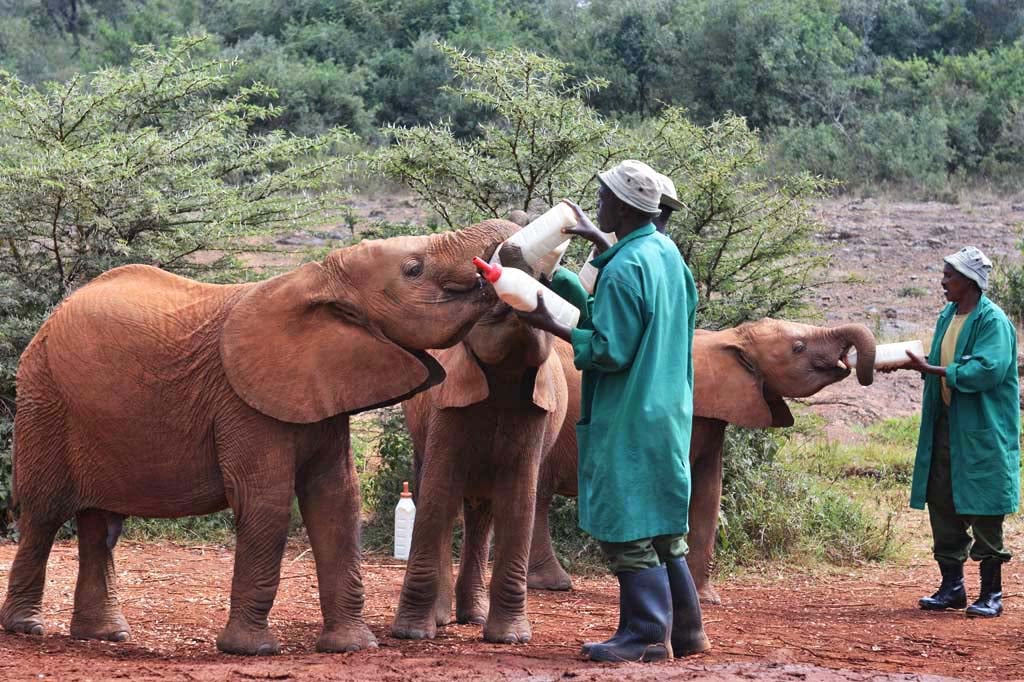
When news spreads about orphaned baby elephants being raised like human children, it captures something deeply emotional that resonates across the world. In the heart of Kenya, a small group of dedicated caregivers has taken on a role few people could ever imagine. At the David Sheldrick Wildlife Trust, these men do far more than protect animals. They become mothers, guardians, and companions to some of the most vulnerable creatures on Earth. What they are doing is not just about survival. It is about restoring trust, rebuilding emotional bonds, and giving orphaned elephants a chance to grow up in a world that once took everything from them.
Why So Many Elephants Are Left Alone
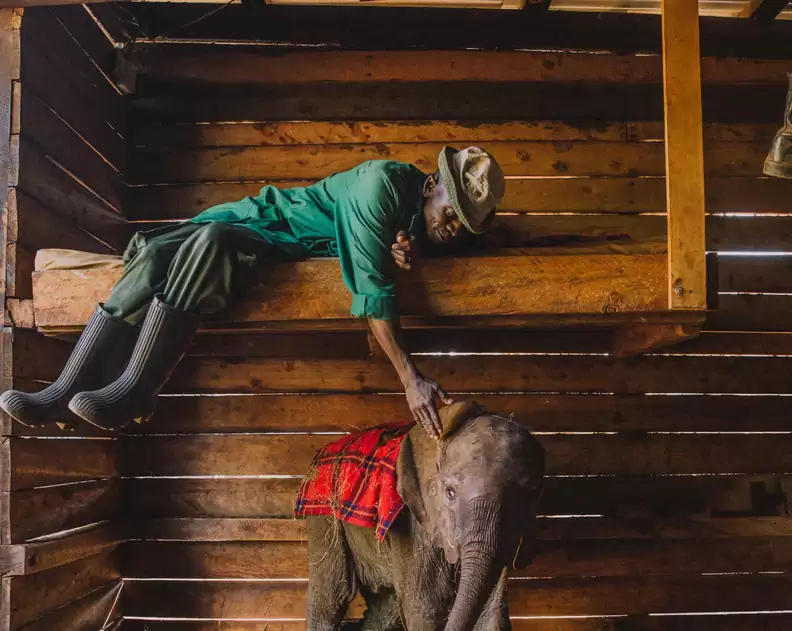
Elephants are among the most intelligent and socially complex animals in the wild. They live in tight family groups led by matriarchs, forming bonds that last a lifetime. But across parts of Africa, these family structures are being shattered at an alarming rate.
Habitat loss and illegal poaching remain two of the biggest threats. Adult elephants are often targeted for their ivory, leaving behind calves that are too young to survive on their own. Without their mothers, these babies face overwhelming odds. They cannot feed themselves properly, they cannot protect themselves, and most importantly, they cannot cope emotionally with the loss.
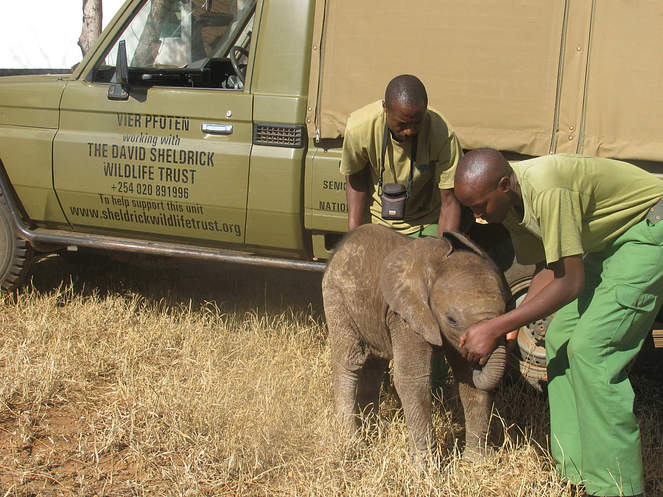
This is where rescue organizations step in. But rescuing a baby elephant is only the beginning. Keeping them alive requires something much more demanding: constant care, emotional connection, and an understanding of their unique needs.
The Unusual Role of Elephant Keepers
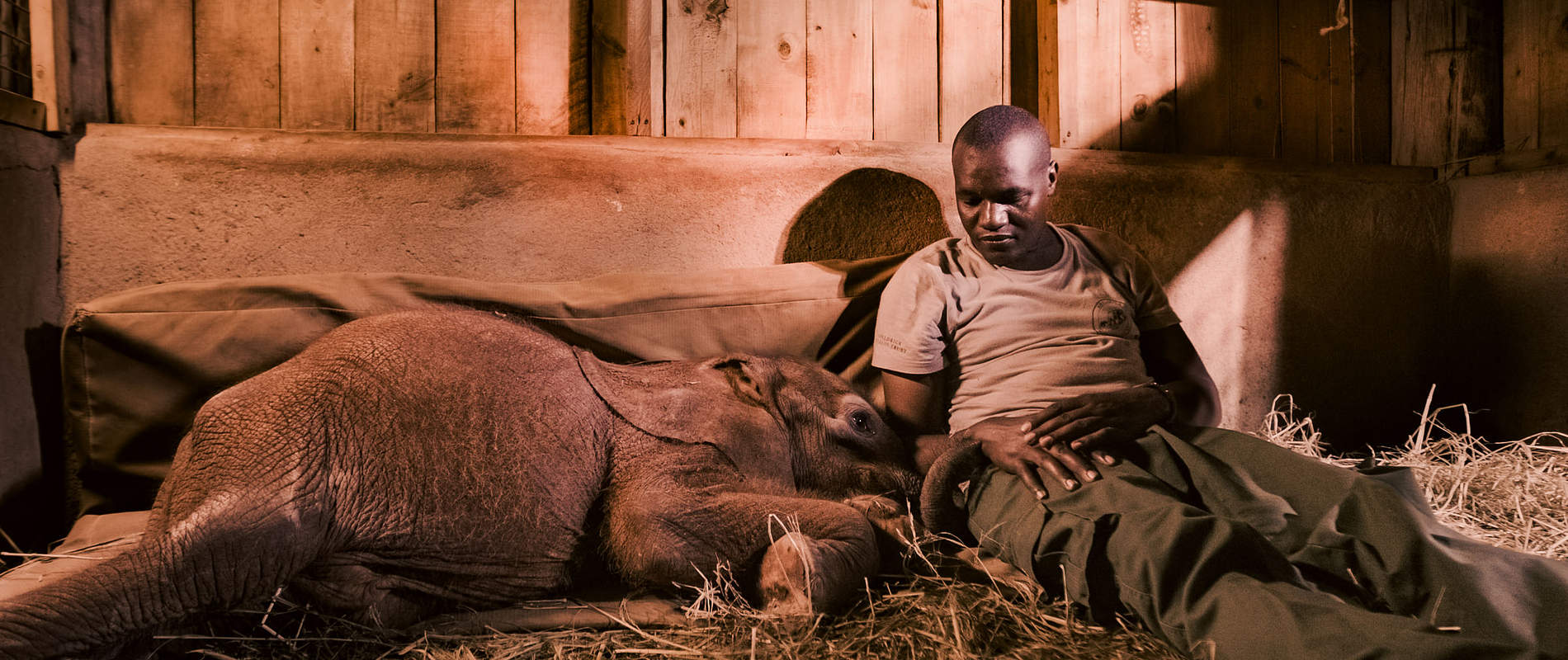
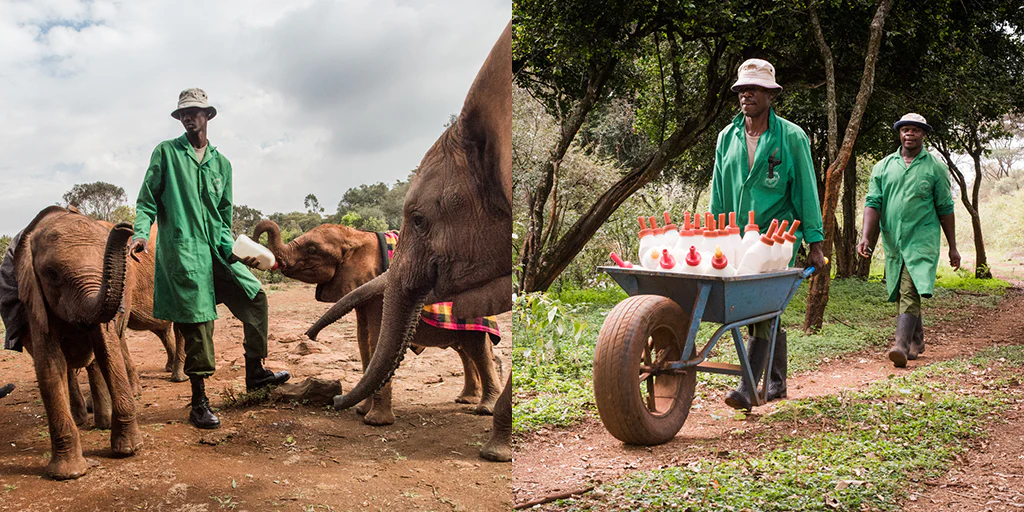
At the orphanage in Kenya, elephant keepers take on responsibilities that closely resemble parenting. They do not simply feed the animals and walk away. Instead, they stay with them day and night, forming bonds that are essential for the elephants’ recovery.
Many of these keepers are fathers themselves. They often describe the experience as strikingly similar to raising their own children. The routines, the sleepless nights, and the emotional attachment all mirror human parenting in ways that are both unexpected and profound.
The elephants rely on their keepers not just for food, but for comfort and reassurance. In the wild, a baby elephant would never be more than a few steps away from its mother. At the orphanage, the keepers step into that role, ensuring that the babies never feel alone.
Nights That Feel Like Caring for Newborns
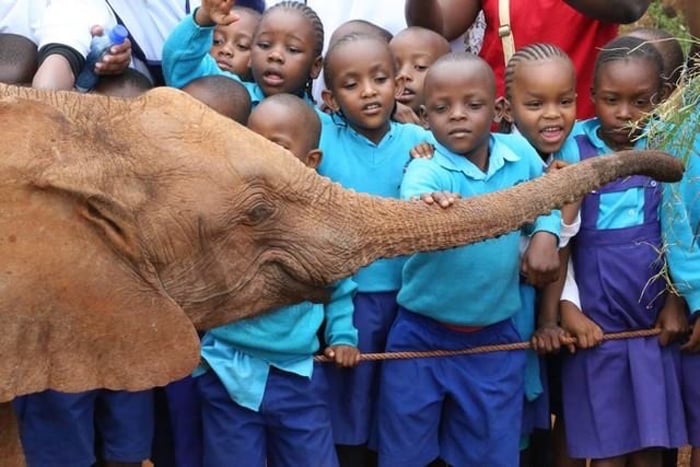
One of the most demanding aspects of this work happens after sunset. While most people sleep, the keepers remain on alert, ready to respond to the needs of the elephants at any moment.
The babies wake frequently, often every few hours, crying out for milk or comfort. Keepers must be ready to feed them, calm them, and help them settle back to sleep. The schedule is relentless, with feeding times repeating throughout the night.
Some keepers describe the experience in almost humorous terms. They talk about being woken up by a trunk reaching out and pulling away their blankets, a clear signal that it is time for another feeding. Others recall moments when an elephant gently touched their face with its trunk to wake them.
Despite the exhaustion, the keepers adapt. Over time, their bodies seem to learn the rhythm of the elephants’ needs, waking automatically even before the babies call out. It becomes second nature, much like a parent instinctively responding to a newborn’s cry.
Building Trust Through Constant Presence
The importance of staying close to the elephants cannot be overstated. For a baby that has lost its family, fear and stress can be overwhelming. Without reassurance, their health can deteriorate quickly.
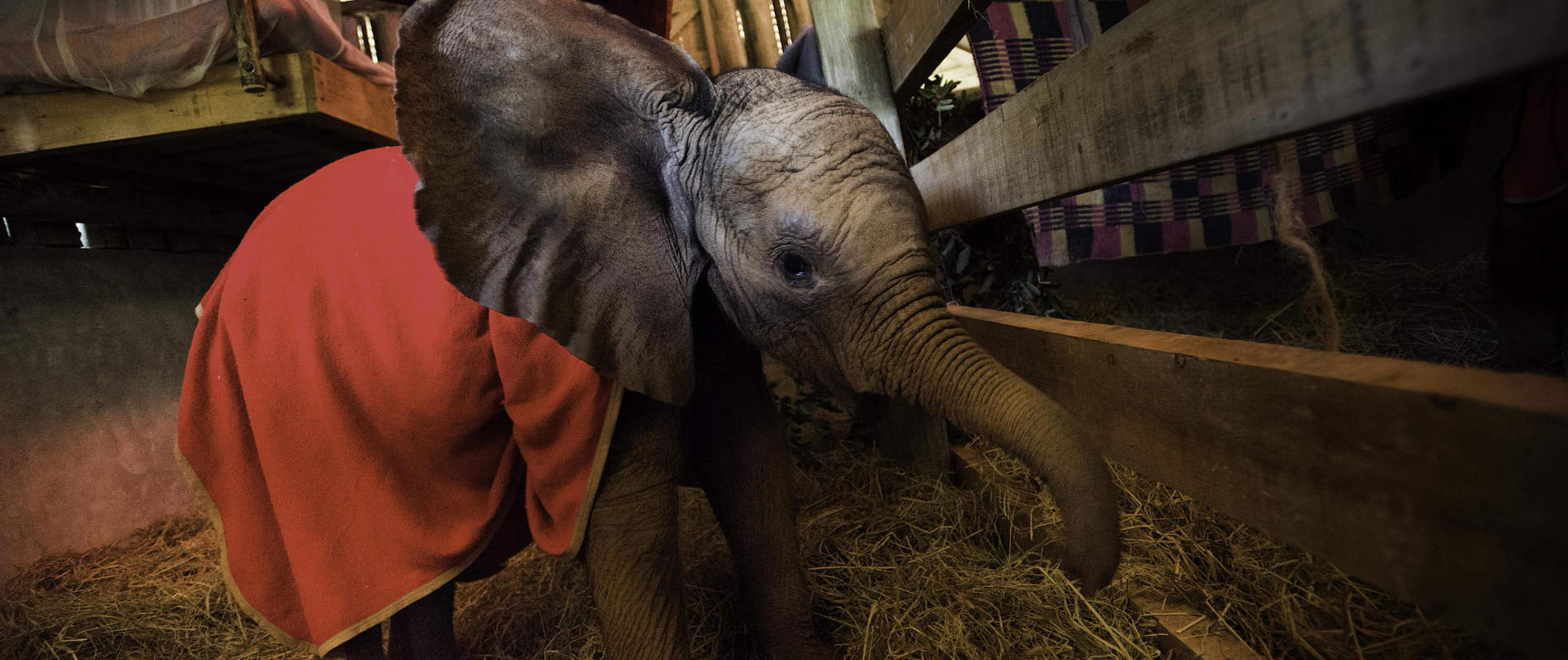
By sleeping near the elephants, the keepers provide a sense of security that mimics the presence of a mother. This closeness allows the animals to relax, sleep more deeply, and ultimately grow stronger. Emotional stability plays a crucial role in their physical development.
The keepers also observe the elephants closely during the night. They watch how they sleep, how they move, and even how they dream. Some elephants snore softly, while others move their legs or make small sounds as they sleep. These moments offer rare insights into the inner lives of these animals, revealing just how similar they can be to humans.
The Small Moments That Define the Job
Caring for orphaned elephants is not always graceful or poetic. There are messy, unpredictable moments that come with the territory. The sleeping quarters can become uncomfortable, and the animals themselves can be playful, clumsy, or even a bit mischievous.
Keepers have shared stories of nearly being covered in dung while sleeping or waking up to unexpected surprises in the middle of the night. These moments, while challenging, are often remembered with humor. They are part of the daily reality of living so closely with animals.
Yet these small inconveniences never outweigh the sense of purpose that drives the work. For the keepers, every challenge is a reminder of why they are there. Each feeding, each restless night, and each messy moment contributes to giving these elephants a chance to survive.
The Emotional Bond Between Humans and Elephants
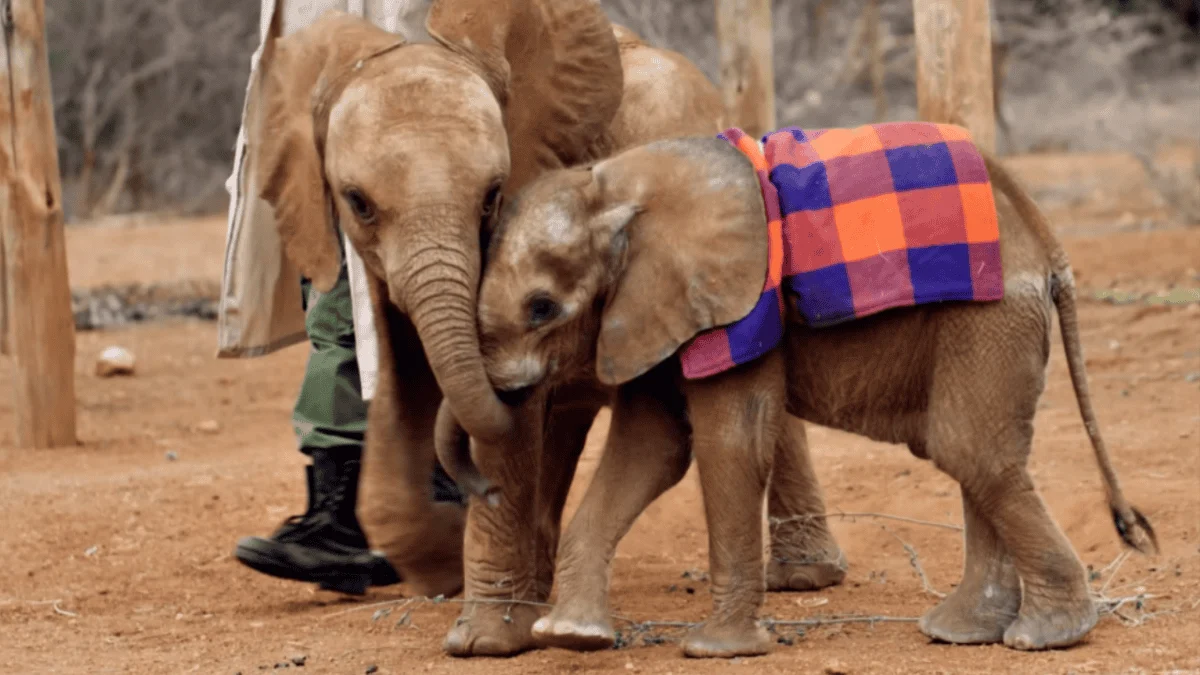
One of the most powerful aspects of this story is the emotional connection that develops between the keepers and the elephants. These bonds are not one-sided. The elephants recognize their caregivers, respond to their presence, and seek comfort from them.
This relationship is built over time through trust and consistency. The keepers become familiar figures in the elephants’ lives, providing stability in an otherwise uncertain world. For animals that have experienced trauma, this connection can be transformative.
The bond also has a profound impact on the keepers. Many describe the work as deeply fulfilling, despite its challenges. They are not just caring for animals. They are witnessing resilience, growth, and recovery in real time.
When Care Is Not Enough
Despite the dedication and effort of the keepers, not every story has a happy ending. Some elephants arrive at the orphanage in critical condition, weakened by illness, injury, or prolonged stress. In these cases, even the best care may not be enough.
Losing an elephant is a heartbreaking experience for the keepers. These are animals they have fed, comforted, and bonded with. Their loss is felt deeply, especially when it happens during the quiet hours of the night.
These moments highlight the fragility of life and the limits of human intervention. They also reinforce the importance of conservation efforts aimed at preventing elephants from becoming orphaned in the first place.
A Mission That Extends Beyond Rescue
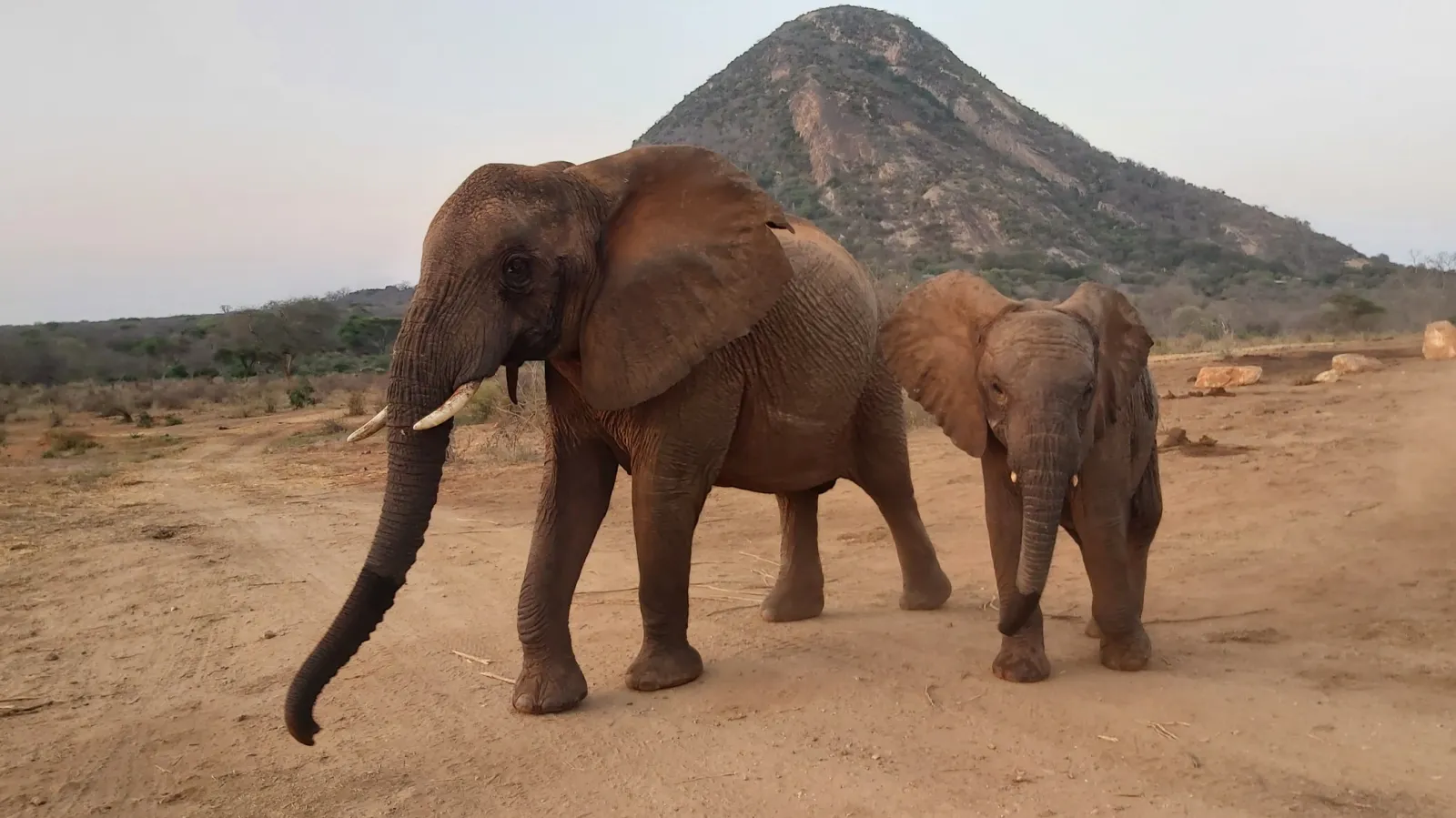
The work being done at the orphanage is not just about saving individual animals. It is part of a larger effort to protect elephant populations and preserve their role in the ecosystem.
Elephants are known as keystone species, meaning their presence has a significant impact on their environment. They shape landscapes, create water sources, and support other wildlife. Protecting them is essential for maintaining ecological balance.
Organizations like the David Sheldrick Wildlife Trust play a crucial role in this mission. By rescuing and rehabilitating orphaned elephants, they contribute to the long-term survival of the species. Many of the elephants raised in these programs are eventually reintroduced into the wild, where they can rebuild natural populations.
What This Story Means for the Future
The story of these elephant keepers is more than a tale of compassion. It is a reminder of the impact individuals can have when they commit to protecting life in all its forms. In a world where environmental challenges often feel overwhelming, their work offers a sense of hope.
It also raises important questions about how humans interact with wildlife. The need for such intensive care highlights the consequences of human activity, from habitat destruction to illegal poaching. Addressing these issues requires not only rescue efforts but also broader changes in policy, behavior, and awareness.
At the same time, the bond between the keepers and the elephants serves as a powerful example of empathy across species. It shows that care, patience, and dedication can bridge even the widest gaps.
A Quiet Act of Love That Changes Lives
In the end, what stands out most is the quiet, consistent effort of the keepers. There are no headlines in the middle of the night when they wake to feed a hungry calf. There are no cameras when they sit beside a frightened elephant, offering comfort in the dark.
Yet these moments are where the real work happens. They are where trust is built, where healing begins, and where lives are saved.
As the world continues to face challenges that threaten wildlife, stories like this remind us of what is possible when people choose to care. The future of these elephants may depend on many factors, but for now, it rests in the hands of those who are willing to stay awake through the night, answering every call, and giving these orphaned animals something they lost too soon: a family.