
Table of Contents
- When AI Innovation Becomes a Global Battleground
- The White House Memo That Sparked Concern
- What “Industrial Scale” AI Theft Really Means
- Understanding AI Distillation and Why It Matters
- China’s Response to the Allegations
- The Role of Companies Like NVIDIA
- A New Phase in the U.S.-China Tech War
- The Challenges of Protecting AI Systems
- Economic and Strategic Implications
- What Happens Next
- A Defining Moment for Global Technology
When AI Innovation Becomes a Global Battleground
When news broke that the White House had accused China of carrying out industrial-scale theft of artificial intelligence technology, the world took notice. This was not just another diplomatic complaint or routine policy disagreement. It signaled a deeper, more complex conflict at the heart of the global technology race. Artificial intelligence is no longer just a tool for innovation. It is now a strategic asset that shapes economic power, national security, and global influence. The accusation suggests that the competition between the United States and China has entered a new phase, where the battle is not only about building advanced systems but also about protecting them from being replicated or extracted.
The White House Memo That Sparked Concern
The controversy began with a memo issued by White House Office of Science and Technology Policy, outlining concerns about foreign entities targeting American AI companies. The document claimed that groups primarily based in China were conducting coordinated efforts to extract knowledge and capabilities from advanced AI systems developed in the United States.
According to the memo, these operations are not isolated incidents. They are described as deliberate campaigns conducted at scale, involving large numbers of accounts and sophisticated techniques designed to bypass safeguards. The language used in the document reflects a high level of urgency, suggesting that officials view the situation as a significant threat to American technological leadership.
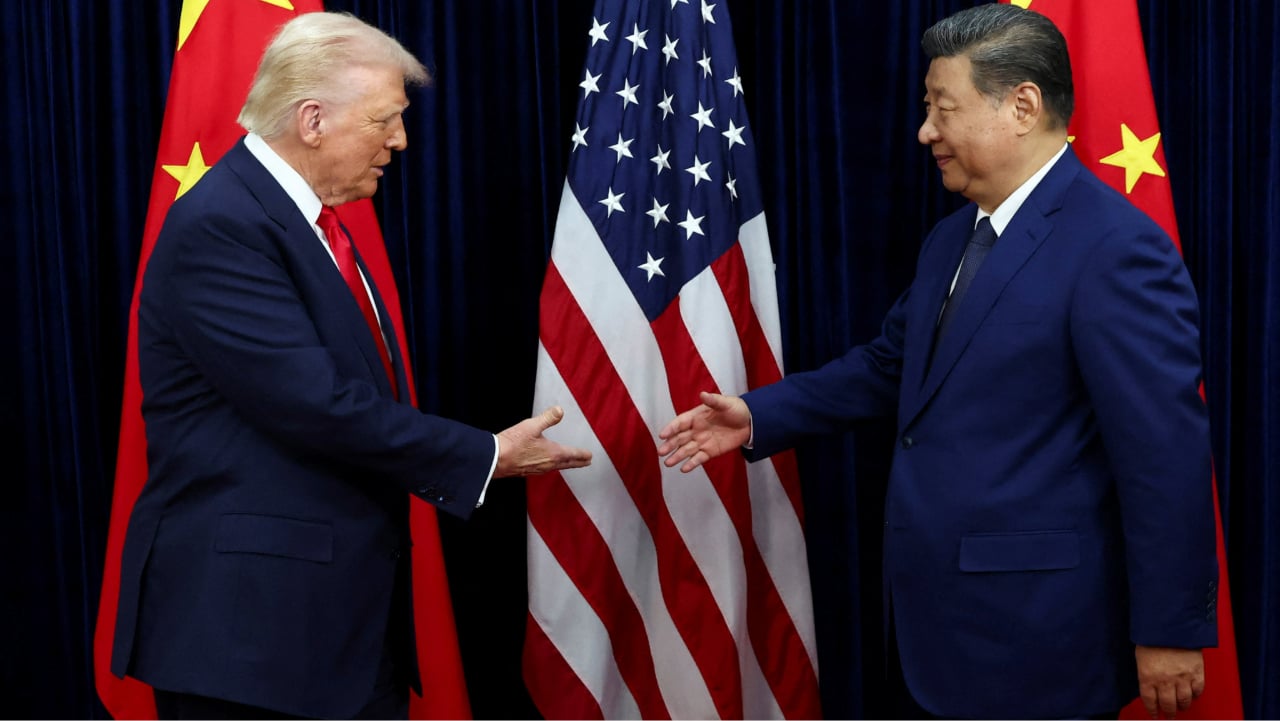
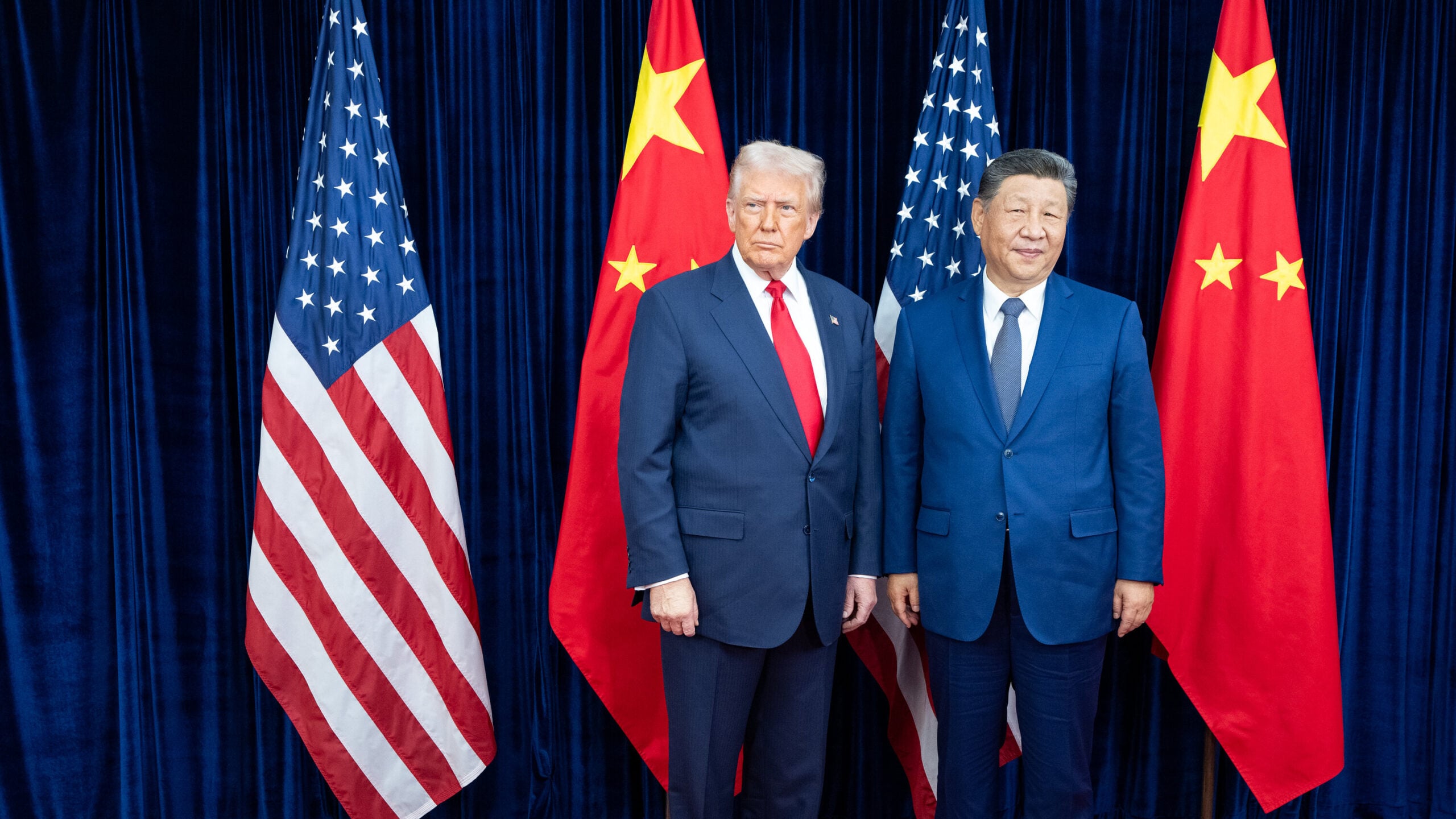
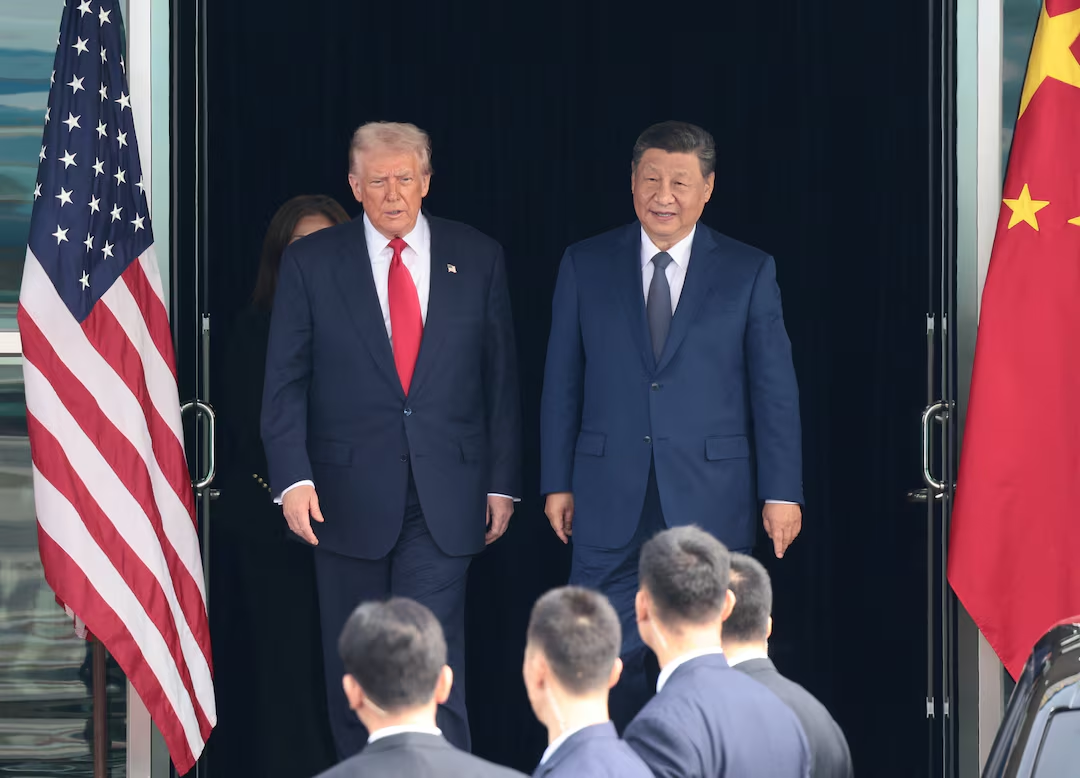
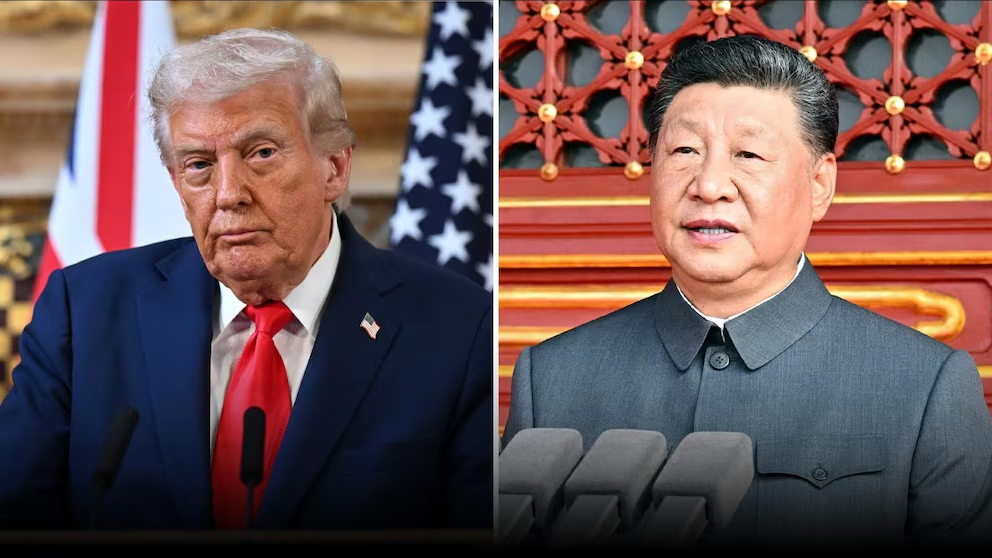
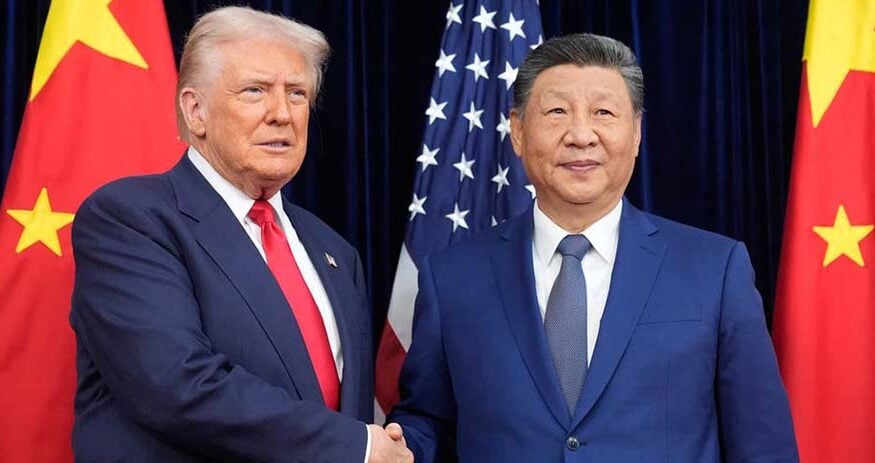
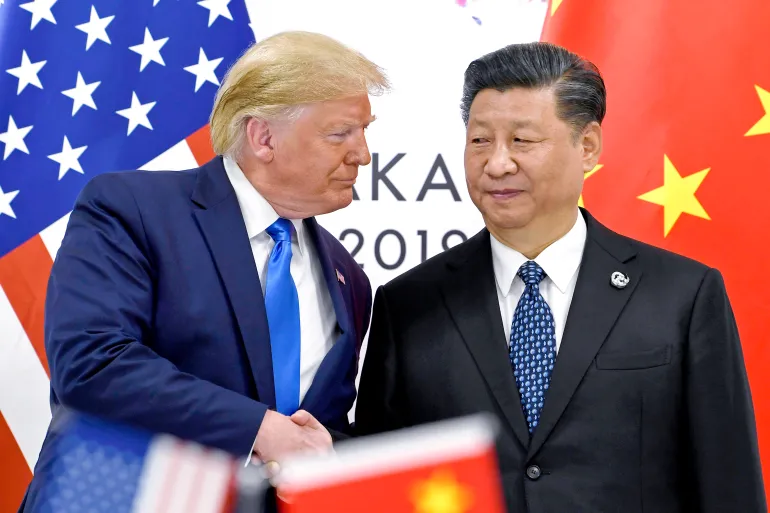
This development comes at a sensitive moment, just weeks before a planned meeting between Donald Trump and Xi Jinping. The timing adds a layer of geopolitical tension, as both nations attempt to manage a fragile relationship while competing for dominance in emerging technologies.
What “Industrial Scale” AI Theft Really Means
The phrase “industrial scale” is not used lightly. It implies a level of organization and volume that goes beyond individual hackers or isolated attempts. Instead, it suggests systematic efforts to extract valuable information from AI systems in a way that can be replicated and scaled.
The memo described how these operations allegedly use thousands of proxy accounts to interact with AI models. By doing so, they attempt to bypass detection systems that are designed to limit abuse. These accounts can submit large numbers of queries, analyze responses, and gradually piece together how the models function.
Another key method mentioned is “jailbreaking,” a technique used to override the built-in restrictions of AI systems. By carefully crafting inputs, attackers can push models to reveal information that is not intended to be publicly accessible. Over time, this process can expose insights about the underlying architecture, training data, and capabilities of the system.
Understanding AI Distillation and Why It Matters
At the center of the concern is a concept known as distillation. In simple terms, distillation involves training a smaller AI model using the outputs of a larger, more advanced system. Instead of building a powerful model from scratch, developers can use an existing system’s responses to teach a new model how to behave.
This technique has legitimate uses. It can make AI systems more efficient, reduce costs, and allow for wider deployment. However, when applied without authorization, it can also become a tool for copying proprietary technology.
If a company invests billions of dollars into developing a cutting-edge AI model, and another entity can replicate its capabilities by analyzing its outputs, the economic and strategic implications are enormous. It effectively allows competitors to leapfrog years of research and development, gaining access to advanced capabilities at a fraction of the cost.
China’s Response to the Allegations
The Chinese government has strongly denied the accusations. Officials from the Chinese embassy in Washington described the claims as baseless and emphasized their commitment to protecting intellectual property rights. They argued that China values innovation and has no interest in undermining global trust in technological development.
Spokespersons from China’s foreign ministry also urged the United States to move away from what they described as biased assumptions. Instead, they called for greater cooperation and exchange between the two countries in the fields of science and technology.
This response reflects a broader pattern in U.S.-China relations, where both sides accuse each other of unfair practices while also recognizing the importance of collaboration. The challenge lies in balancing competition with cooperation, especially in areas as critical as artificial intelligence.
The Role of Companies Like NVIDIA
The dispute also raises questions about the role of major technology companies, particularly those involved in AI hardware. Companies like NVIDIA produce advanced chips that are essential for training and running AI models. These chips are a key part of the global supply chain and have become a focal point in the tech rivalry.
The United States has already placed restrictions on the export of certain advanced chips to China, aiming to limit access to the most powerful computing resources. However, the memo suggests that even without direct access to hardware, foreign entities may still find ways to replicate AI capabilities through alternative methods like distillation.
This creates a complex situation where controlling physical technology is not enough. Governments must also consider how software, data, and model outputs can be used to recreate advanced systems.
A New Phase in the U.S.-China Tech War
The allegations highlight a broader shift in the ongoing competition between the United States and China. What began as a trade dispute has evolved into a multifaceted conflict involving technology, security, and global influence.
Artificial intelligence is at the center of this conflict because of its potential to transform industries, military capabilities, and economic systems. Both countries are investing heavily in AI research and development, viewing it as a critical factor in future leadership.
The accusation of industrial-scale theft adds a new dimension to this rivalry. It suggests that the competition is not only about innovation but also about protecting intellectual property and preventing unauthorized replication. This raises difficult questions about how to secure AI systems in an interconnected world.
The Challenges of Protecting AI Systems
Protecting AI technology is fundamentally different from protecting traditional intellectual property. Unlike physical inventions, AI models can be accessed remotely through APIs and online platforms. This makes it easier for users to interact with them, but also creates opportunities for misuse.
Developers must balance accessibility with security. They want their models to be useful and widely adopted, but they also need to prevent exploitation. Techniques such as rate limiting, monitoring, and content filtering can help, but they are not foolproof.
The memo suggests that current protections may not be sufficient to stop large-scale extraction efforts. This raises the possibility that new approaches will be needed, including stronger regulations, improved detection systems, and closer collaboration between government and industry.
Economic and Strategic Implications
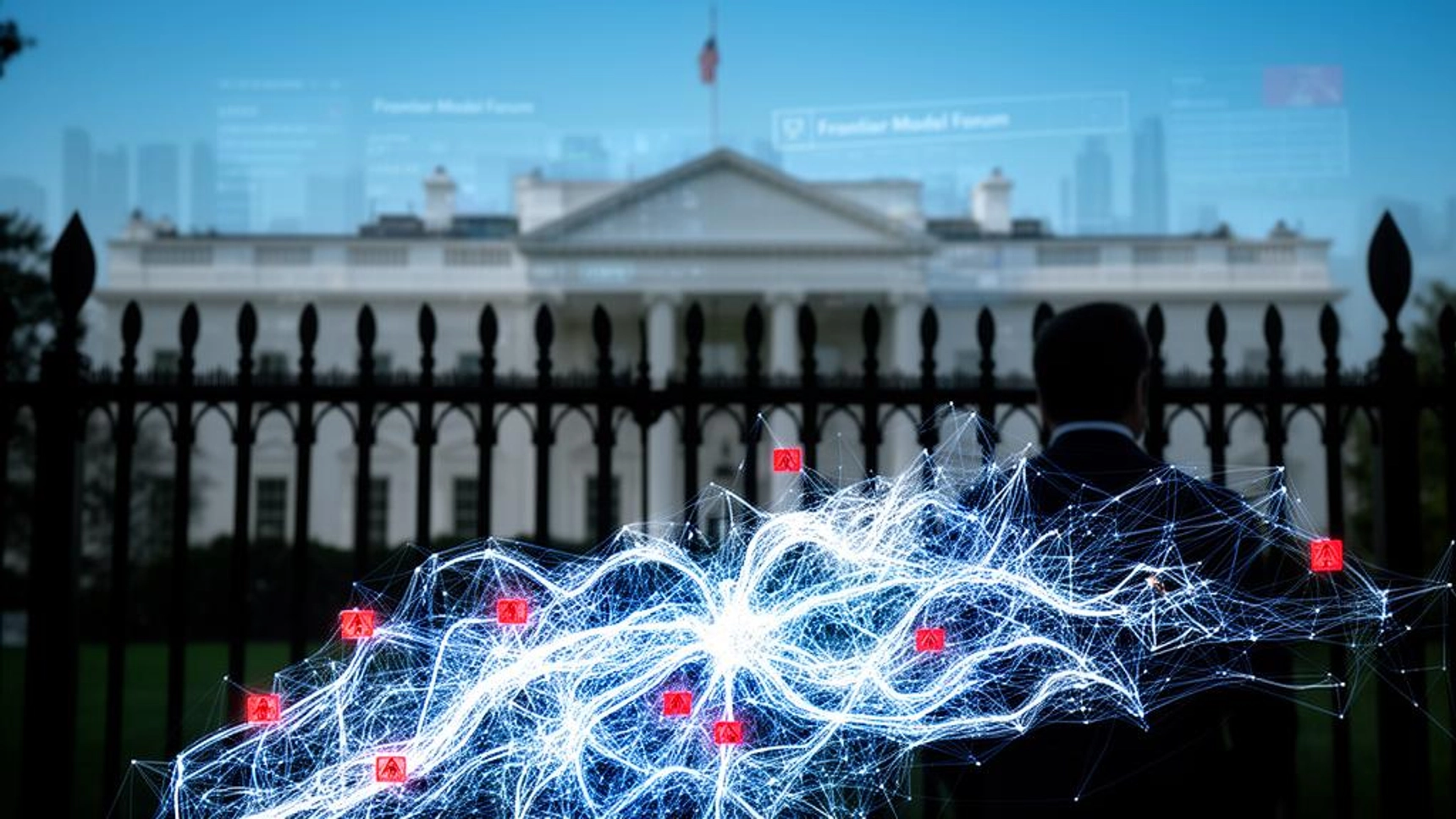
The potential impact of AI technology theft extends far beyond individual companies. It has implications for national economies, global competition, and technological leadership.
If one country can replicate another’s AI capabilities without investing the same resources, it can gain a significant advantage. This could reshape industries, influence global markets, and alter the balance of power between nations.
For the United States, protecting AI innovation is seen as essential to maintaining its leadership in technology. For China, advancing its own capabilities is a key part of its long-term strategy. The tension between these goals is likely to shape the future of the global tech landscape.
What Happens Next
The White House memo indicates that the U.S. government is considering a range of responses. These may include sharing intelligence with American companies, strengthening security measures, and exploring ways to hold foreign actors accountable.
At the same time, the upcoming meeting between President Trump and President Xi Jinping will provide an opportunity to address these issues directly. Whether the discussions lead to cooperation or further conflict remains to be seen.
The situation also raises broader questions about the future of international technology governance. As AI becomes more powerful and more widely used, countries will need to find ways to manage competition while avoiding escalation.
A Defining Moment for Global Technology
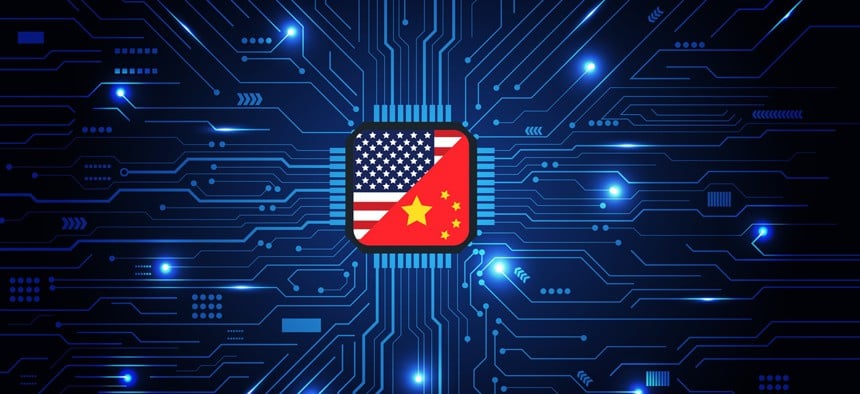
The accusation of industrial-scale AI theft marks a defining moment in the evolution of the digital world. It highlights the growing importance of artificial intelligence and the challenges of protecting it in a globalized environment.
This is not just a story about two countries. It is a story about how technology is reshaping the world and how societies respond to the opportunities and risks it creates. The outcome of this conflict will influence not only the future of AI but also the broader dynamics of global power.
As the situation continues to unfold, one thing is clear. The race for artificial intelligence is no longer just about who can build the best systems. It is also about who can protect them, control them, and ultimately define how they are used in the world.