

Table of Contents
- When Online Wealth Promises Turn Into Financial Ruin
- The Rise of a Social Media Finfluencer
- The Birth of the Boss Lifestyle Investment Scheme
- How the Ponzi Scheme Actually Worked
- A Lifestyle Funded by Investor Money
- False Documents and Tax Fraud
- Victims Speak Out in Court
- The Court’s Judgment and Sentencing
- The Growing Influence of Finfluencers
- Lessons for Investors in the Digital Age
- A Warning for the Future of Online Finance
When Online Wealth Promises Turn Into Financial Ruin
When news broke that a well-known real estate “finfluencer” had been sentenced to prison for orchestrating a multimillion dollar Ponzi scheme, it sent shockwaves through both the financial world and social media communities. What made this case particularly alarming was not just the scale of the fraud, but how it was built on trust, influence, and the modern illusion of financial success. The story of Tyler Bossetti reveals how digital influence can blur the line between inspiration and deception, leaving devastating consequences for those who believe too easily. What follows is a deeper look into how a lifestyle brand turned into a financial nightmare, and what it means for millions of people consuming financial advice online.
The Rise of a Social Media Finfluencer
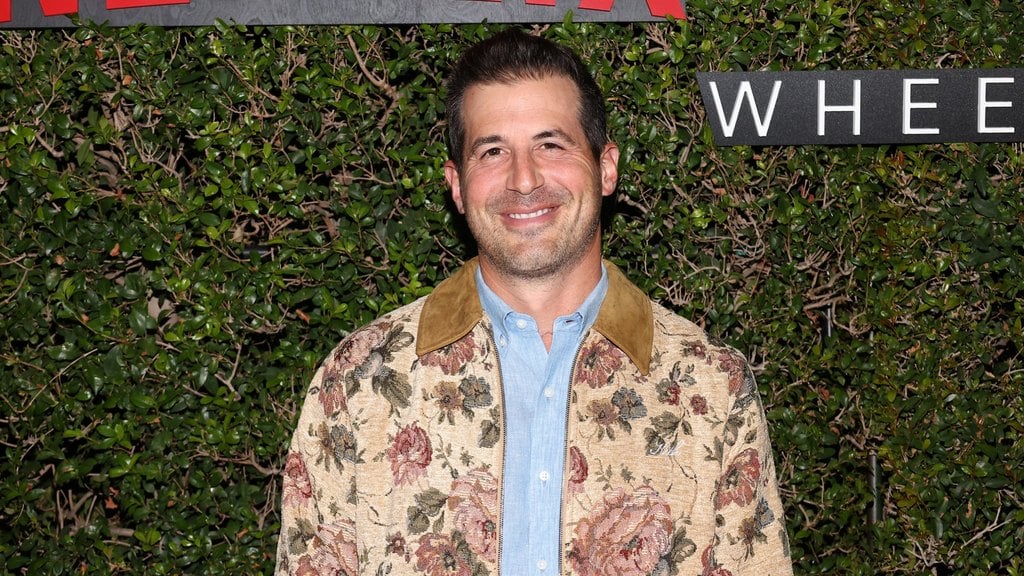
Before his downfall, Tyler Bossetti had built a strong presence across multiple platforms. He positioned himself as a self-made real estate entrepreneur who could help others achieve financial freedom. Through Instagram, YouTube, and podcasts, he crafted a persona that resonated with young investors seeking fast success in a competitive economy.
His messaging was simple but powerful. He promised high returns, passive income, and a “victim-proof mindset” that would allow followers to escape traditional financial struggles. With hundreds of thousands of followers, his influence grew rapidly, and so did the trust placed in him.
Bossetti’s content was polished and aspirational. He spoke confidently about real estate strategies, investment cycles, and wealth-building tactics. For many followers, especially those new to investing, he appeared to be both knowledgeable and relatable. That combination made his eventual crimes even more damaging, as victims were not just investing money but also placing their trust in someone they believed understood their financial dreams.
The Birth of the Boss Lifestyle Investment Scheme

Between 2019 and 2023, Bossetti promoted an investment program known as Boss Lifestyle LLC. According to court documents, he described it as a real estate investment opportunity focused on buying, renovating, refinancing, and selling or renting residential properties.
The pitch was enticing. Investors were promised returns often exceeding 30 percent within short timeframes. These returns were framed as achievable through smart property deals and efficient management. Bossetti presented the program as both secure and profitable, often emphasizing that investments were backed by real estate assets.
To formalize the deals, investors were given promissory notes. These documents claimed that their investments were protected and tied to actual properties. For many, this provided a sense of legitimacy. Real estate has long been considered a stable investment, and the idea that their money was secured by physical assets made the opportunity feel safer than other high-risk ventures.
How the Ponzi Scheme Actually Worked
Despite the professional image and convincing documentation, the operation was fundamentally flawed from the start. Prosecutors later revealed that Bossetti did not use investor funds as promised. Instead of generating profits through real estate deals, he relied on incoming investments from new participants to pay returns to earlier investors.
This structure is the defining characteristic of a Ponzi scheme. It creates the illusion of success in the early stages, as initial investors receive payouts that appear legitimate. These payouts often encourage them to reinvest and attract others, allowing the scheme to grow rapidly.
However, the system is inherently unsustainable. Once new investments slow down or too many participants attempt to withdraw funds, the entire structure collapses. In Bossetti’s case, that collapse left dozens of investors facing devastating financial losses.
Authorities reported that more than 23 million dollars had been raised through the scheme, with losses exceeding 11 million dollars. Many victims lost significant portions of their savings, and some lost everything they had invested.
A Lifestyle Funded by Investor Money

As the scheme expanded, Bossetti’s personal lifestyle also grew more extravagant. Court records indicate that he used investor funds to support a high-end lifestyle, including luxury housing, frequent travel, and expensive vehicles.
One notable purchase included a luxury SUV valued at around 150 thousand dollars. While such displays of wealth reinforced his image as a successful investor, they were ultimately funded by money entrusted to him by others.
In addition to personal expenses, Bossetti also diverted funds into unauthorized cryptocurrency investments. Many of these ventures resulted in significant losses, further deepening the financial damage suffered by his investors.
This combination of personal spending and risky investments highlights a common pattern in financial fraud cases. Once access to large amounts of capital is established, the temptation to misuse funds often grows, especially when there is little oversight or accountability.
False Documents and Tax Fraud
Beyond the investment scheme itself, Bossetti also engaged in tax-related fraud. Prosecutors revealed that he created and filed fraudulent tax forms to support the illusion that investors were earning legitimate returns.
Specifically, he issued false 1099-INT forms, which are typically used to report interest income. These forms suggested that investors had received earnings that did not actually exist. This added another layer of deception, making the scheme appear more credible while also misleading tax authorities.
The use of false documentation is a critical element in many fraud cases. It allows perpetrators to maintain the illusion of legitimacy while covering up the absence of real business activity. In Bossetti’s case, it also contributed to additional criminal charges, including aiding in false tax filings.
Victims Speak Out in Court

At the sentencing hearing, the human cost of the scheme became painfully clear. Victims shared emotional testimonies about how their lives had been affected by the losses.
One victim described the constant fear of financial instability, explaining that bankruptcy was now a daily concern. Another spoke about losing retirement savings that had taken decades to build. For some families, the financial damage extended beyond money, affecting relationships, health, and overall well-being.
These testimonies revealed the true impact of financial fraud. While the numbers in court documents are staggering, the personal stories behind those numbers are even more powerful. They show how trust can be exploited and how quickly financial security can disappear.
The Court’s Judgment and Sentencing
The case was heard at Joseph P. Kinneary Federal Courthouse, where the judge delivered a firm message about accountability. Bossetti was sentenced to six years in federal prison and ordered to pay more than 12.5 million dollars in restitution.
During the hearing, the judge emphasized that the scheme was not accidental. He stated that Bossetti understood what he was doing and anticipated the financial harm that would result. The only thing he did not anticipate, according to the court, was getting caught.
Bossetti expressed remorse for his actions, acknowledging the damage caused to investors. His legal team stated that he had accepted responsibility and was committed to making restitution. However, for many victims, the financial and emotional damage cannot be easily repaired.
The Growing Influence of Finfluencers

The rise of finfluencers like Bossetti reflects a broader shift in how people access financial information. Social media platforms have become major sources of advice, particularly for younger generations.
Studies have shown that a significant percentage of Gen Z relies on platforms like YouTube and TikTok for financial guidance. While this democratizes access to information, it also creates risks. Unlike traditional financial advisors, social media influencers are not always subject to strict regulations or professional standards.
This means that anyone can present themselves as an expert, regardless of their qualifications or intentions. As a result, fraudulent schemes can spread quickly, often disguised as legitimate opportunities.
Financial experts warn that this trend requires greater awareness and caution. The line between education and promotion can be thin, and the consequences of poor advice can be severe.
Lessons for Investors in the Digital Age

The case of Tyler Bossetti offers several important lessons for anyone considering an investment. First, high returns with low risk are often a warning sign. Legitimate investments typically involve a balance between risk and reward, and promises of guaranteed profits should be approached with skepticism.
Second, it is essential to verify the credibility of anyone offering financial advice. This includes checking professional credentials, reviewing independent sources, and consulting licensed financial advisors when possible.
Third, investors should take time to understand where their money is going. Relying solely on trust or online reputation can lead to costly mistakes. Transparency, documentation, and independent verification are key components of safe investing.
A Warning for the Future of Online Finance
As financial content continues to grow on social media, cases like this highlight the need for greater oversight and education. While platforms provide valuable opportunities for learning and connection, they also create environments where misinformation and fraud can thrive.
The story of Tyler Bossetti is not just about one individual’s actions. It is a reflection of a larger shift in how financial influence is built and how trust is established in the digital age. As more people turn to online sources for guidance, the responsibility to question, verify, and think critically becomes even more important.
In the end, the promise of quick wealth and easy success can be powerful, but it often comes with hidden risks. The challenge for modern investors is not just finding opportunities, but knowing which voices to trust and which promises to question before it is too late.