
Table of Contents
- A Bold New Solution: Solar Panels on Canals
- The Science Behind the Solar-Covered Canal Project
- California’s Pilot Project: Testing Solar Canals in the Central Valley
- Water Conservation and Environmental Benefits of Solar-Covered Canals
- A Win for Land Use and Agriculture
- Energy Generation and Grid Benefits
- Cost-Efficiency and Scalability of the Solar Canal Model
- Challenges and Considerations for Widespread Adoption
- A Model for the Future: Integrating Water and Energy Systems
- The Future of Water and Energy Conservation in California
A Bold New Solution: Solar Panels on Canals
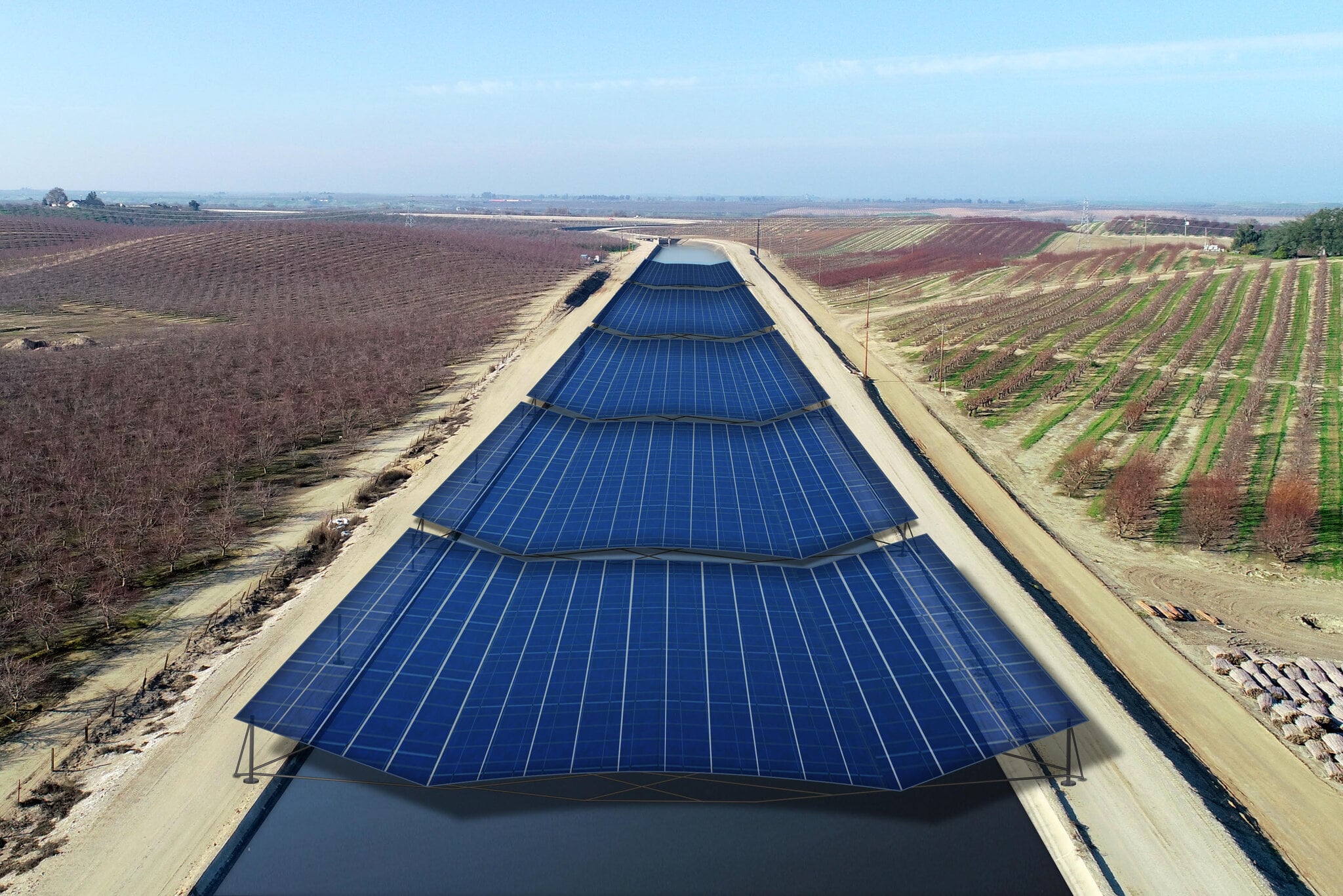
The concept of covering canals with solar panels may sound unconventional, but it’s a practical and highly effective solution to two critical problems: water scarcity and clean energy production. California’s first pilot of this project is underway in the Turlock Irrigation District in the Central Valley, where solar panels are being installed above the district’s canals. The initiative is part of Project Nexus, which seeks to combine renewable energy generation with water conservation.
By shading canals, solar panels slow down the evaporation process, which is a significant issue for the state’s water infrastructure. In a state where every drop counts, reducing water loss is essential. Additionally, these solar panels generate clean electricity, contributing to California’s renewable energy goals. The project is also expected to reduce the growth of aquatic weeds, which often thrive in exposed waterways and require costly maintenance.
The Science Behind the Solar-Covered Canal Project
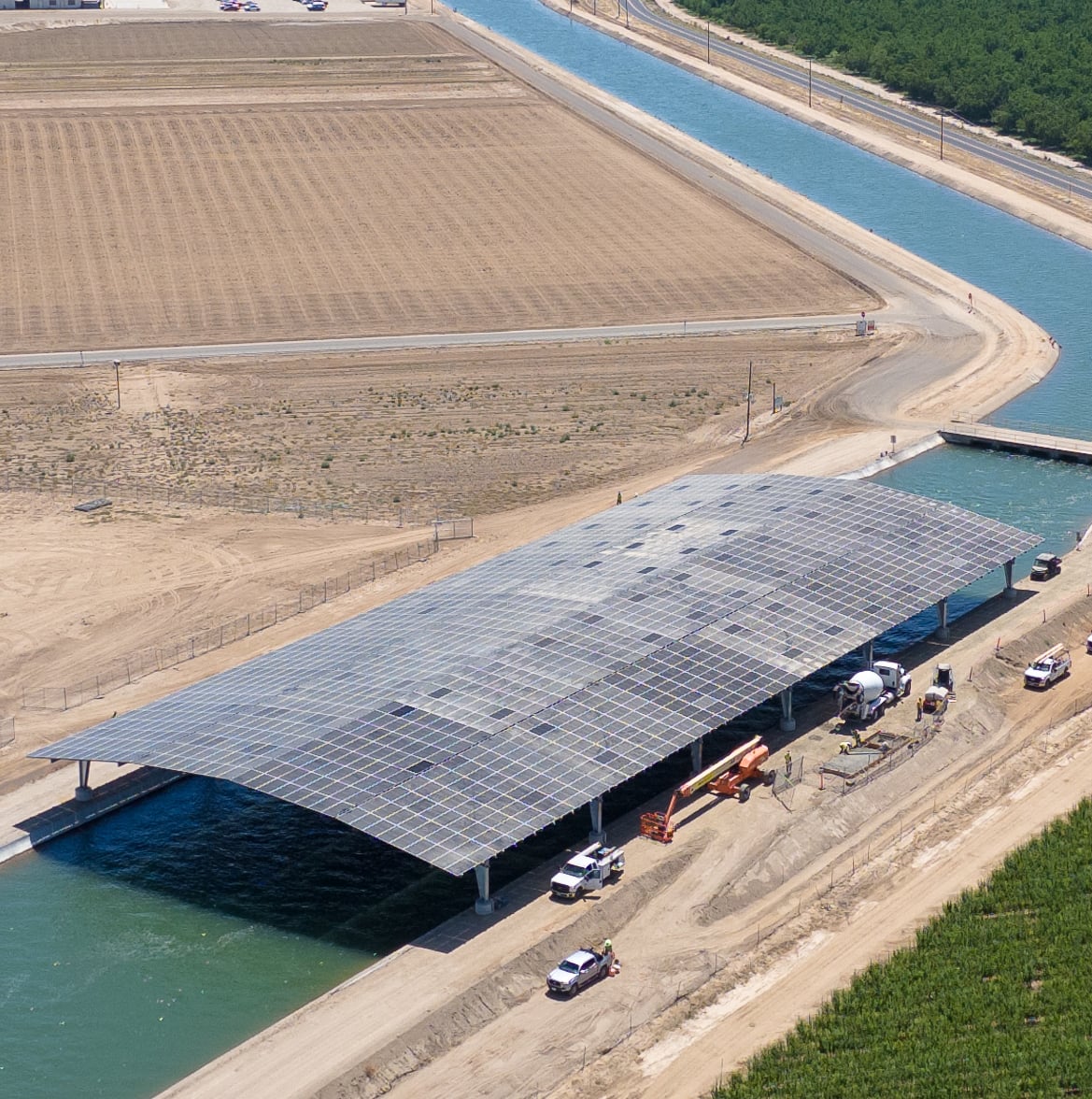
The success of Project Nexus relies on understanding how solar panels can provide more than just clean energy. Research conducted by UC Merced’s Brandi McKuin in 2021 laid the foundation for the project by demonstrating that covering canals with solar panels has multiple benefits. Not only does it reduce evaporation, but it also prevents excessive weed growth by blocking sunlight and improving overall water quality.
The dual-protein benefit of solar panels and the ability to generate energy while conserving water is a key factor that makes this project stand out. The initiative utilizes existing infrastructure, which is a significant advantage. Solar farms typically require large tracts of land that could otherwise be used for agriculture. However, by using canals, which already exist and serve a vital function, the project bypasses this land-use conflict.
California’s Pilot Project: Testing Solar Canals in the Central Valley
The Turlock Irrigation District’s pilot project, which spans approximately 1,400 feet of canal, is providing crucial insights into the viability of solar-covered canals. The solar panels are positioned to face both southern and western directions, enabling engineers to study which orientation produces the most energy.
This pilot project is a collaboration between the Turlock Irrigation District, UC Merced, the California Department of Water Resources, and private companies like Solar AquaGrid. The project’s success will be determined not only by the amount of energy produced but also by the amount of water saved. Early projections suggest the Turlock site could generate around 1.3 gigawatt hours of electricity per year—enough to power hundreds of homes.
Water Conservation and Environmental Benefits of Solar-Covered Canals
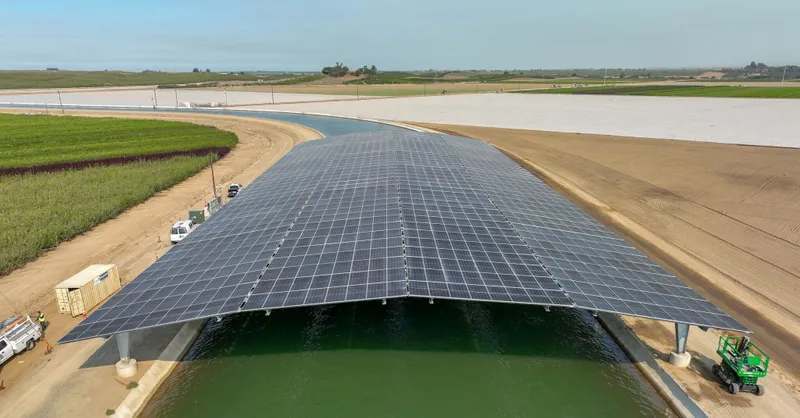
Water scarcity is one of the most pressing issues facing California. The state’s canals are essential for transporting water to farms and cities, but their open design makes them vulnerable to significant water loss due to evaporation. The addition of solar panels provides a solution by reducing evaporation rates and helping to preserve the state’s precious water resources.
In addition to conserving water, solar-covered canals offer environmental benefits by controlling aquatic weed growth. Excessive vegetation in canals can disrupt water flow and require expensive maintenance. By shading the canals, the solar panels significantly reduce weed growth, resulting in cleaner waterways and lower maintenance costs. This combination of water conservation and environmental efficiency makes solar-covered canals a compelling solution to the state’s challenges.
A Win for Land Use and Agriculture
Traditional solar farms often require large amounts of land, which can take away valuable space from agriculture. Given that California is one of the nation’s top agricultural producers, finding a solution that balances renewable energy generation and farmland preservation is critical. Solar panels placed above canals don’t take up any new land, which means they can generate renewable energy without displacing farmland.
This innovative approach ensures that farmland remains available for crops while simultaneously contributing to the state’s renewable energy goals. It is a win-win scenario that aligns the state’s environmental, agricultural, and energy priorities.
Energy Generation and Grid Benefits
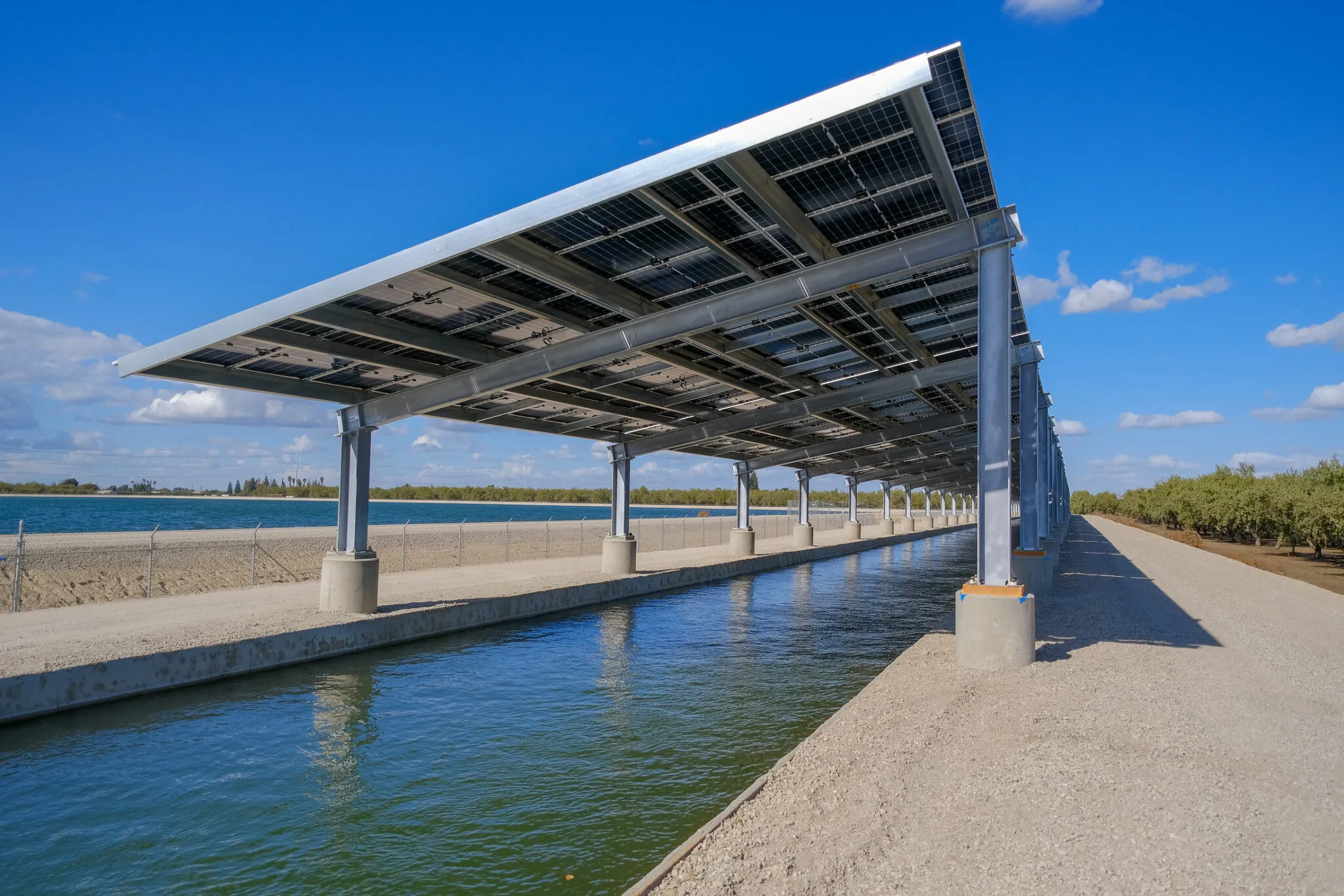
The energy potential of solar-covered canals is substantial. While the Turlock pilot site is small, it demonstrates the power of this concept on a larger scale. If the technology were applied to all of California’s 4,000 miles of canals, it could generate enough electricity to power over 2 million homes annually.
In addition to energy production, the decentralization of solar power generation provides significant grid benefits. Solar energy produced near where it is consumed reduces strain on long-distance transmission lines, cutting down on energy losses. This is especially important in California, where the demand for electricity spikes during summer heatwaves. Solar-covered canals could also provide energy during peak demand periods, increasing the grid’s reliability.
Cost-Efficiency and Scalability of the Solar Canal Model
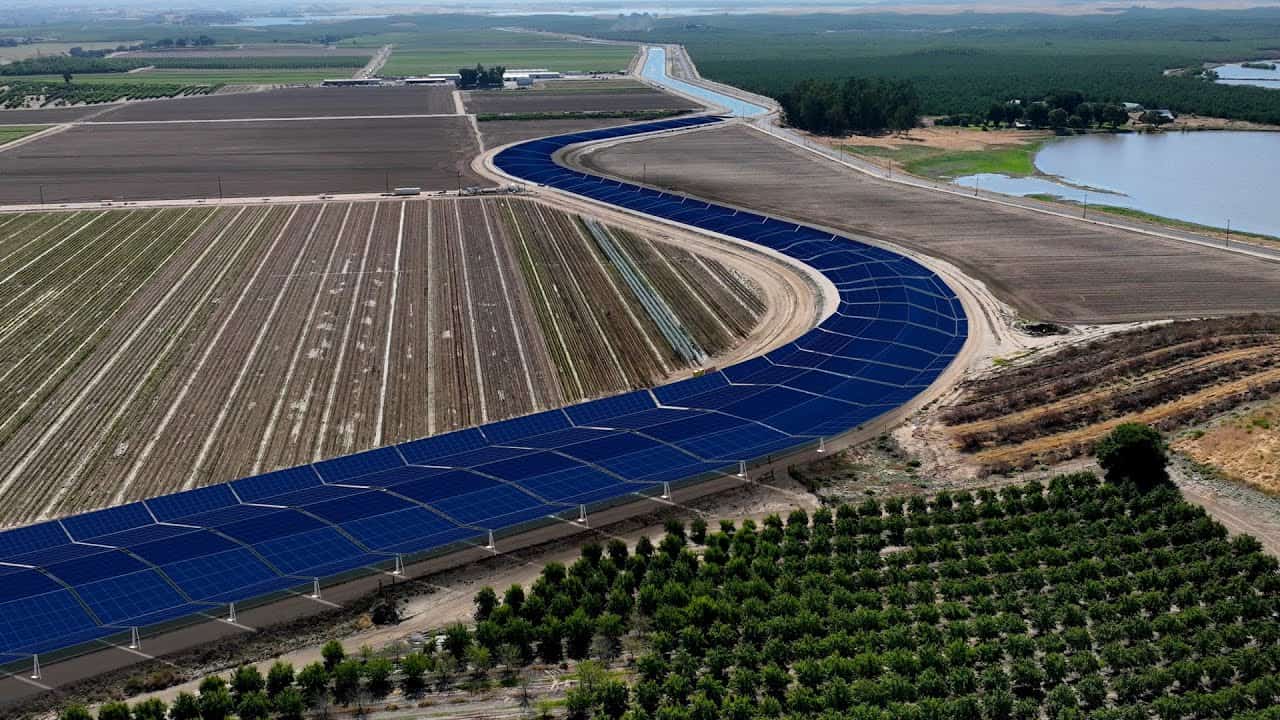
While the initial costs of the Turlock project have been covered by state and partnership resources, scaling this idea across California’s canal network presents challenges. Significant investment will be needed to expand this pilot into a statewide solution, including the costs of infrastructure upgrades and installation. However, the use of existing canal infrastructure, which already includes access roads and transmission lines, makes this approach potentially more cost-effective than building new solar farms.
The scalability of the solar canal model will depend on the pilot’s success, including data on electricity generation, water savings, and long-term maintenance costs. If the pilot proves to be financially viable, the concept could be expanded to other areas, both within California and in other regions facing similar water and energy challenges.
Challenges and Considerations for Widespread Adoption
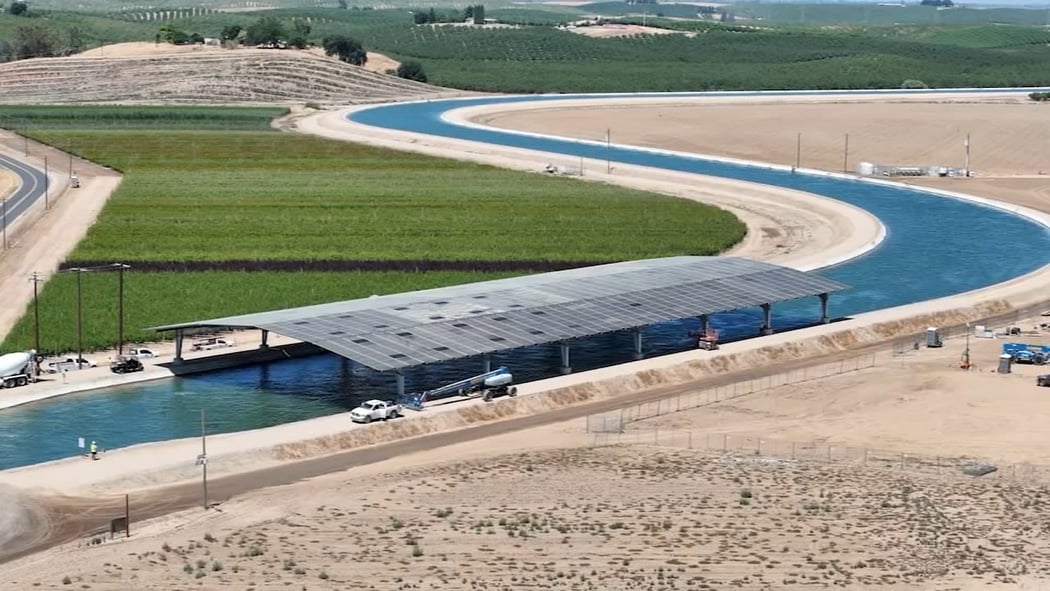
Despite its promising potential, there are several hurdles to scaling solar-covered canals. Not every canal is suitable for solar panel installation, particularly those in remote or rugged areas where construction would be difficult. Additionally, maintenance of both the canals and the solar panels will require careful planning, as canals often require routine cleaning and inspection.
The costs of maintaining the solar arrays and ensuring their long-term durability are also considerations that will need to be addressed. The success of the Turlock pilot will provide valuable insights into the feasibility of expanding this technology across California’s extensive canal system.
A Model for the Future: Integrating Water and Energy Systems
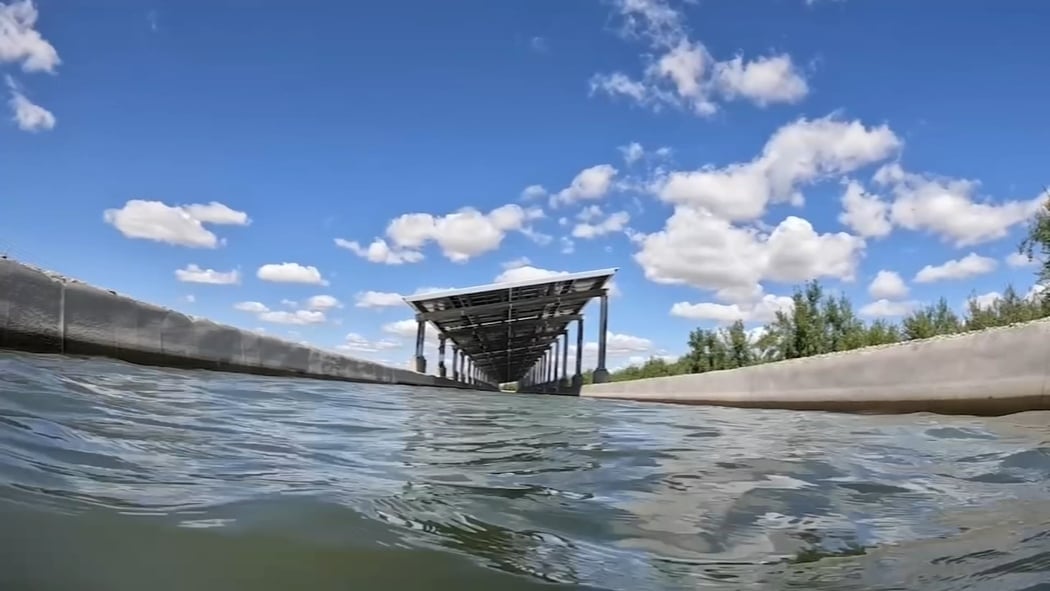
Project Nexus represents a bold new approach to integrating water and energy systems. Traditionally, these systems have been managed separately, but the success of solar-covered canals in California could demonstrate the benefits of integrating infrastructure to address multiple challenges at once. By covering canals with solar panels, the project provides a model for how different systems—energy, water, and agriculture—can reinforce one another, creating a more resilient and sustainable future.
This approach has the potential to serve as a blueprint for other regions globally that face similar challenges related to water scarcity and energy demand. From India to the Middle East, areas with large canal systems and a need for renewable energy could adapt this concept to their own needs.
The Future of Water and Energy Conservation in California
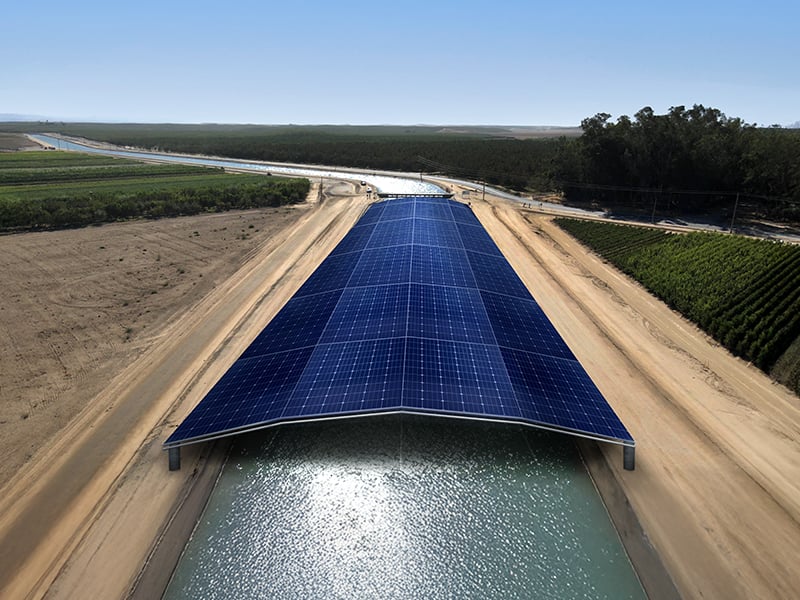
California’s solar-covered canals represent an innovative and sustainable solution to some of the state’s most pressing environmental challenges. By combining renewable energy generation with water conservation, the project offers a way to address water scarcity while meeting the state’s ambitious clean energy goals. As Project Nexus continues to unfold, it could pave the way for a new era of multifunctional infrastructure that serves both the environment and local communities.
The success of this project will depend on continued research, investment, and collaboration across public and private sectors. However, the potential rewards are significant, not only for California but for the world as a whole. By reimagining what infrastructure can do, the state is setting the stage for a more sustainable and resilient future.