

Type 1 diabetes (T1D) has long been considered a chronic condition with no definitive cure. For those with T1D, their bodies no longer produce insulin, the hormone responsible for regulating blood sugar levels. Every day, these individuals must carefully monitor their blood sugar, administer insulin, and adjust their lifestyle to ensure they stay healthy. But what if there was a treatment that could reverse this condition entirely?
In a groundbreaking case study, scientists have achieved a remarkable feat: stem cell therapy that reverses Type 1 diabetes. This breakthrough could signal a revolution in how we treat this lifelong condition—and possibly even pave the way for curing it altogether.
Table of Contents
- The Science Behind Stem Cell Therapy for Type 1 Diabetes
- The Breakthrough Case Study: A New Hope for Type 1 Diabetes Patients
- Stem Cell Therapy: The Road Ahead
- Could Stem Cell Therapy Become a Common Treatment for Type 1 Diabetes?
- What Can You Do While Waiting for the Cure?
- How Stem Cell Therapy Could Transform Diabetes Treatment and Beyond
The Science Behind Stem Cell Therapy for Type 1 Diabetes
Before diving into the heart of this case study, it’s essential to understand the science behind the therapy. Type 1 diabetes occurs when the immune system mistakenly attacks the insulin-producing cells in the pancreas. This results in a lack of insulin, causing blood sugar levels to rise uncontrollably.
In theory, stem cells can offer a solution by creating new, healthy insulin-producing cells. Stem cells have the ability to transform into different types of cells, depending on the need. In this case, researchers are using stem cells to create insulin-producing beta cells that can replace the damaged ones in the pancreas.
The Breakthrough Case Study: A New Hope for Type 1 Diabetes Patients

In an unprecedented experiment, doctors administered stem cell therapy to a patient with Type 1 diabetes. Over a period of several months, the patient’s insulin production gradually improved, and the need for external insulin injections decreased. Remarkably, after the therapy, the patient was able to maintain normal blood sugar levels without relying on insulin therapy.
Imagine waking up one day, checking your blood sugar, and realizing you don’t need insulin injections anymore. That’s what this patient experienced—a sense of freedom that Type 1 diabetes sufferers haven’t felt in decades.
The study was conducted under rigorous medical supervision, and while the results are incredibly promising, experts are cautious about declaring it a complete cure for Type 1 diabetes just yet. However, this case study is a game-changer in the fight against the condition, showing that stem cells can help regenerate pancreatic cells that are destroyed by autoimmune attacks.
What Does This Mean for the Future of Diabetes Treatment?
This breakthrough opens the door to a future where Type 1 diabetes is not just managed but reversed. Stem cell therapy, if proven safe and effective for widespread use, could eliminate the need for insulin therapy entirely.
But could it become widely available? What would it mean for the 1.6 million people in the U.S. living with Type 1 diabetes? The potential impact is monumental, but there are still significant hurdles to overcome, including cost, accessibility, and the need for further research.
Stem Cell Therapy: The Road Ahead
While this case study is a significant first step, much more research is needed to determine the long-term safety and efficacy of stem cell therapy for Type 1 diabetes. Will it work for everyone, or just a select few? Can the therapy be standardized for widespread use? These are questions that researchers will be working to answer in the coming years.
Could Stem Cell Therapy Become a Common Treatment for Type 1 Diabetes?

For many, the thought of a cure for Type 1 diabetes is nothing short of revolutionary. Currently, the only treatment options available focus on managing the condition—keeping blood sugar levels within a safe range, and preventing complications like nerve damage, heart disease, and kidney failure.
However, stem cell therapy could change the entire approach to treating Type 1 diabetes. If it can reliably regenerate insulin-producing cells, this could mean that people with diabetes no longer have to live with the constant fear of fluctuating blood sugar levels and the threat of complications. But for this to become a reality, the therapy needs to be refined, tested, and made accessible to patients worldwide.
The Global Impact: How Stem Cell Therapy Could Reshape Health Care
Stem cell therapy holds incredible promise not just for Type 1 diabetes, but for a wide range of medical conditions, from heart disease to neurological disorders. The advances in stem cell technology could have far-reaching consequences for health care, leading to more targeted treatments and potential cures for conditions that have plagued humanity for centuries.
Imagine a world where chronic conditions like Type 1 diabetes, Parkinson’s disease, and even spinal cord injuries can be treated with the body’s own cells. This is not science fiction—this is the future that stem cell research is building toward.
The Roadblocks: Challenges Ahead for Stem Cell Therapy
Despite its promise, stem cell therapy comes with challenges. For starters, the therapy is expensive. A single round of stem cell treatment can cost tens of thousands of dollars, putting it out of reach for many patients. Furthermore, the therapy requires specialized equipment and medical expertise, which limits its availability in certain regions.
Additionally, there are concerns about the long-term safety of stem cell treatments. While the case study presented promising results, further research is needed to ensure that stem cell therapy does not come with unintended side effects or risks.
What Can You Do While Waiting for the Cure?

While stem cell therapy holds great promise, it may still be years before it becomes widely available. So, what can individuals with Type 1 diabetes do in the meantime to stay healthy?
The key to managing diabetes is adopting a holistic approach to health. Here are a few steps that can help:
- Maintain a Healthy Diet: Eating a balanced diet rich in fiber, lean protein, and healthy fats can help stabilize blood sugar levels.
- Exercise Regularly: Physical activity helps the body use insulin more effectively and can improve blood sugar control.
- Monitor Blood Sugar Levels: Regular blood sugar checks allow for better control and management of the condition.
- Consider Alternative Therapies: While stem cell therapy may not be widely available yet, other cutting-edge treatments, such as artificial pancreas systems, are helping people with Type 1 diabetes live healthier lives.
How Stem Cell Therapy Could Transform Diabetes Treatment and Beyond
The implications of stem cell therapy extend far beyond just diabetes. Imagine a world where diseases like Alzheimer’s, Parkinson’s, and even certain cancers could be treated by regenerating healthy cells in the body. Stem cells could change the way we approach chronic conditions, offering hope for a future where many ailments are no longer a death sentence.
But until that happens, the case study that reversed Type 1 diabetes is a beacon of hope for millions. It shows that there is potential to stop—or even reverse—the progression of diseases that have traditionally been incurable.
Could Stem Cells Hold the Key to Eradicating Type 1 Diabetes?
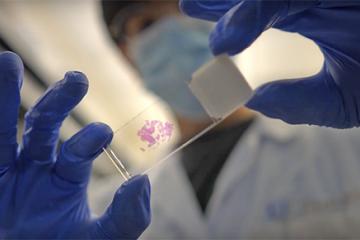
The short answer is: we don’t know yet. The long answer is that we’re getting closer every day. With more research and clinical trials, stem cell therapy could become the standard treatment for Type 1 diabetes, completely transforming the way we think about this chronic disease.
Imagine a future where Type 1 diabetes is a thing of the past, where people no longer have to worry about insulin pumps, constant blood sugar checks, or complications that come from living with diabetes. It’s a possibility that’s closer than ever—and it all starts with this groundbreaking case study.
What Will the Next Breakthrough Be?
As we look to the future, one thing is certain: stem cell therapy is just the beginning. The scientific community continues to make remarkable advancements, and each new discovery brings us one step closer to a world where we no longer have to live with certain diseases. Stay tuned, because the next medical breakthrough could be just around the corner.