

Table of Contents
- Why Iran Is Mining the Strait of Hormuz
- The Strait of Hormuz: Why It Matters
- U.S. and Allied Military Response
- Maritime Risk and Trade Uncertainty
- Global Economic Impacts and Oil Price Volatility
- Political Reactions Across the Globe
- Challenges to Reopening the Strait
- Broader Geopolitical Implications
- What Comes Next
- Final Reflection
Why Iran Is Mining the Strait of Hormuz
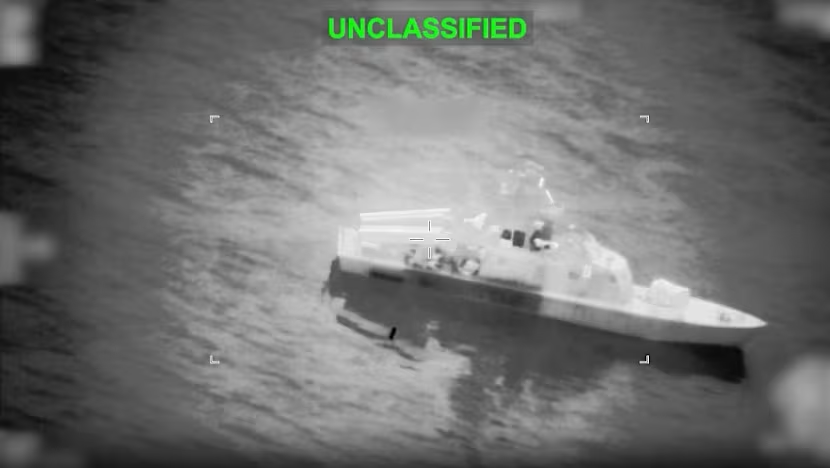
Iran’s decision to place naval mines in the Strait of Hormuz appears tied to its escalating conflict with the United States and Israel. According to U.S. intelligence sources, the Islamic Revolutionary Guard Corps (IRGC) and Iran’s naval forces have begun deploying mines — explosive devices anchored to await contact with unsuspecting ships — into waters that have become increasingly militarized.
These mines are typically laid using small boats, mine layers, or even fast attack craft capable of delivering explosive payloads covertly. Though early reports suggest only a few dozen mines have been placed so far, Iran still holds approximately 80 to 90 percent of its mine‑laying vessels and related craft, meaning the volume could rise rapidly if Tehran decides to intensify its campaign.
By laying mines, Iran gains tactical leverage: even the threat of additional mines can deter commercial and military vessels from transiting the strait, amplifying its strategic position without necessarily needing to enforce a full blockade. This tactic ties directly into Iran’s broader strategy of leveraging asymmetric naval capabilities in an escalating conflict.
The Strait of Hormuz: Why It Matters
The Strait of Hormuz connects the Persian Gulf with the Gulf of Oman and the Arabian Sea, and it is a linchpin of global energy flows. Nearly one‑fifth of all crude oil and liquefied natural gas (LNG) shipped by sea passes through this narrow passage, which is only about 20 miles wide at its narrowest point.
Because of this, even the threat of disruption has outsized economic impacts. When the price of oil futures reacts to instability in the strait, gasoline and energy costs at the consumer level almost always follow, squeezing household budgets and straining economies — especially in energy‑importing regions.
The historical context of Iran’s mining capabilities also runs deep: U.S. military assessments in past years estimated Tehran possessed thousands of naval mines. If deployed in quantity and combined with other defensive measures such as shore‑based missiles, drones, or small attack boats, the hazard to navigation can be acute and enduring.
U.S. and Allied Military Response
Within hours of intelligence reports surfacing, U.S. forces destroyed multiple Iranian naval vessels, including at least 16 mine‑laying ships, in attempts to blunt Iran’s mining operations and prevent a larger disruption to international shipping lanes.
President Donald Trump publicly warned that Iran would face “military consequences at a level never seen before” if it failed to remove any mines it had placed, underscoring how seriously Washington views threats to the strait’s security.
U.S. Central Command has described its actions as necessary to prevent terrorists or hostile forces from holding the Strait of Hormuz “hostage,” and Defense officials say they are exploring options for naval escorts to protect commercial traffic once it becomes safe enough to resume transit.
Maritime Risk and Trade Uncertainty
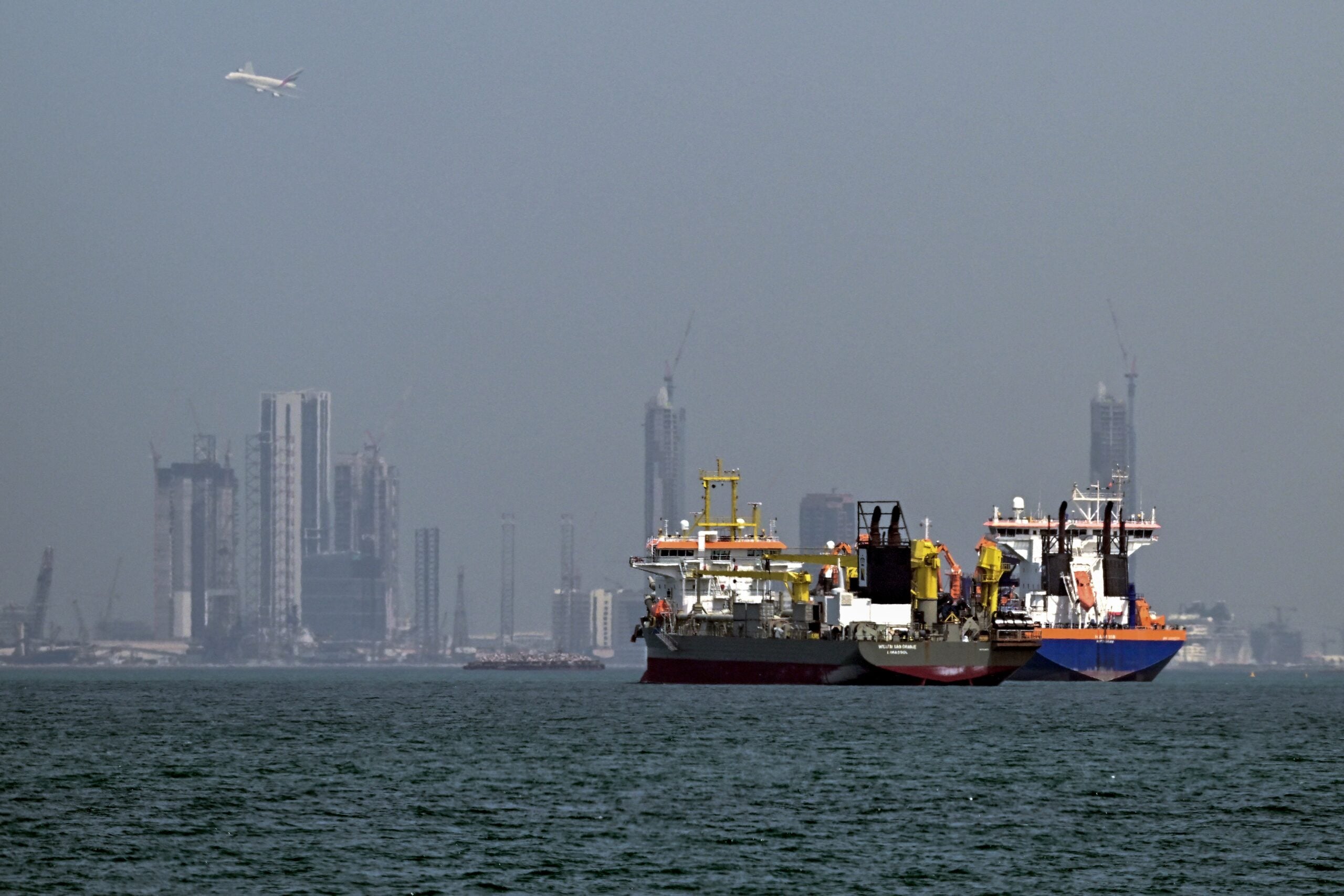
Despite these efforts, the strait remains hazardous. With mines and the broader war environment — including missile and drone threats — it has effectively become a “death valley” for shipping, with no guaranteed safe route for tankers or cargo ships.
The presence of mines increases insurance costs exponentially. Shipping firms face steep premiums for transiting high‑risk zones, or they choose alternative, longer routes, both of which drive up global shipping costs and slow the flow of energy and goods worldwide.
This situation isn’t purely theoretical: tankers are already anchoring outside the strait rather than risk passage, and incidents involving merchant vessels — including attacks and near misses — have been reported in recent days, amplifying commercial fears about maritime travel in the region.
Global Economic Impacts and Oil Price Volatility
The mining of the Strait of Hormuz has immediate implications for energy markets. Brent crude oil prices — the global benchmark — have already fluctuated sharply amid fears of supply interruptions, with daily swings between roughly $80 and $100 per barrel as traders react to uncertainty.
Economists warn that if the strait’s closures or partial disruptions persist, global inflation could rise further, driven by surging energy costs that feed into everything from manufacturing to agriculture. Prolonged closures could force nations to tap into strategic reserves, negotiate alternative routes, or incentivize increased production elsewhere — but none of these are quick fixes.
Some nations, including G7 countries, have hinted at coordinated releases from strategic petroleum reserves to ease price pressures in the short term, but such measures tend to have limited impact if underlying supply disruptions remain unresolved.
Political Reactions Across the Globe

Leaders and lawmakers in the United States and allied countries have voiced alarm at Iran’s mining actions. In Washington, bipartisan concern is growing about the strategic ramifications of prolonged strait instability and the broader cost of maintaining a free flow of energy resources.
International partners, particularly in Europe and Asia that rely heavily on Gulf oil exports, are closely monitoring developments and urging diplomatic solutions to end the crisis. French and other European officials have initiated dialogue on ways to reopen the strait safely, balancing military protections with de‑escalation efforts.
However, Iran’s leadership has reiterated its intent to push back against what it describes as aggressive Western actions, complicating the diplomatic landscape. This stalemate underscores how energy concerns are now deeply entwined with national security, regional influence, and global economic stability.
Challenges to Reopening the Strait
Clearing mines from a waterway like the Strait of Hormuz is a slow, painstaking process even in times of peace. Naval experts say it could take weeks or even months to secure the strait sufficiently for safe commercial passage, especially if large mine inventories and complex defense arrays are involved.
Mine‑removal operations require specialized ships, sonar equipment, and meticulous coordination to avoid detonating devices prematurely. Combined with ongoing military threats such as missiles and drones, the technical and tactical hurdles are severe.
In such an environment, even well‑armed naval escorts may not be enough for insurance underwriters and ship operators to warrant passage. Reopening the strait safely will likely demand a ceasefire or negotiated settlement that reduces the risk of further militarized mining or attacks.
Broader Geopolitical Implications
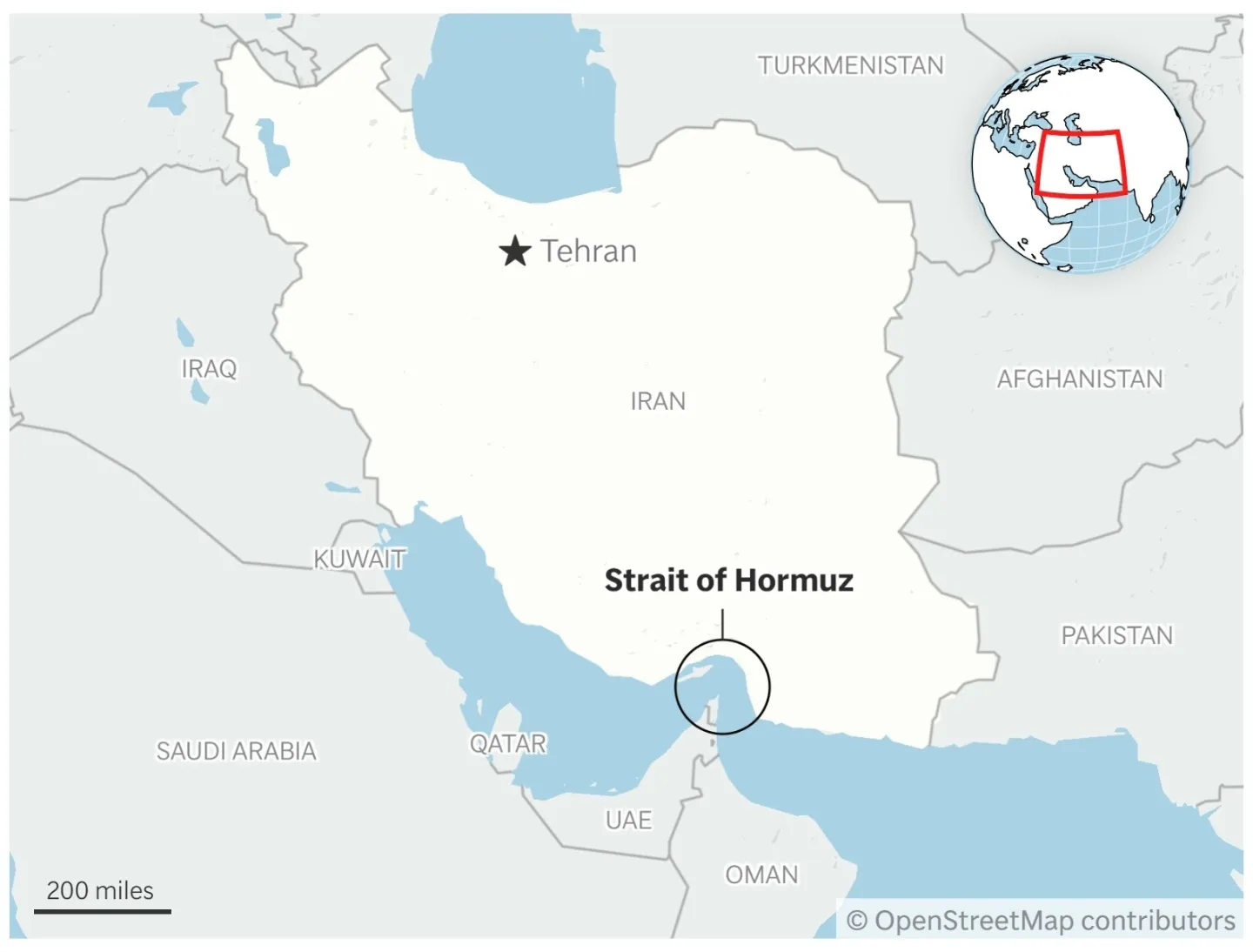
The mining and effective closure of the Strait of Hormuz underscore Iran’s continued leverage over Western interests due to its geographical position astride a critical global trade route. This moment reflects how energy, geography, and military strategy intersect to create disproportionate influence for regional actors in global affairs.
Should the crisis drag on, analysts warn of potential long‑term shifts in global energy strategy, including accelerated investment in alternative pipelines, expanded renewable energy initiatives, and reshaped geopolitical alliances centered on energy security rather than traditional diplomatic ties.
What Comes Next
The immediate trajectory will depend on three major factors: whether Iran expands its mining campaign, how the U.S. and allies respond militarily and diplomatically, and how quickly the strait can be made safe for commercial traffic.
If tensions ease and mines are removed, markets may stabilize and economic impacts could recede. But if the strait remains hazardous, the disruption to global energy will continue to influence prices, inflation, and economic policies worldwide for months or years to come.
Final Reflection
The appearance of naval mines in the Strait of Hormuz isn’t just a military maneuver — it’s a reminder of how fragile global supply chains can become when geopolitical tensions flare in strategic locations. The strait isn’t merely a shipping lane; it’s a barometer of global economic health, and when it falters, the effects are felt from stock markets in New York to petrol stations in Asia.
As policymakers, markets, and ordinary citizens grapple with the consequences, one truth remains clear: in an interconnected world, the line between geopolitical conflict and economic stability is perilously thin.