

Table of Contents
- How a Child’s Play Became a Phenomenon
- Skyrocketing Views and Global Reach
- From YouTube Revenue to Merchandise Empire
- The Business Behind the Brand
- Diversification: Beyond Toy Reviews
- Cultural Influence and the New Creator Economy
- Economic and Ethical Questions
- Balancing Childhood with Enterprise
- A Look Ahead: Longevity and Legacy
- Final Reflection: A New Kind of Child Star
How a Child’s Play Became a Phenomenon
Ryan’s channel began in March 2015 when he was about three years old. Filmed by his parents, his early videos simply showed him playing with and reviewing toys — a format that resonated with young audiences around the world. Viewers were drawn to his genuine enthusiasm, colorful settings, and everyday relatability as he interacted with toys on camera.
By the time he reached age eight, Ryan’s World had become one of the most watched and highest‑earning channels on YouTube. The channel uploaded videos daily, and its content ranged from unboxing toys to educational play and science‑themed activities all designed to engage preschool and primary‑age kids. At its peak popularity, Ryan reportedly earned as much as $80 000 a day from ads, sponsorships, and other revenue streams tied directly to his video views and audience engagement.
The unboxing genre — where creators reveal and explore toys, gadgets or products — exploded in popularity alongside platforms like YouTube Kids. For many children, watching someone their age play with new toys became a form of interactive entertainment, often preferred to traditional TV shows or cartoons.
Skyrocketing Views and Global Reach
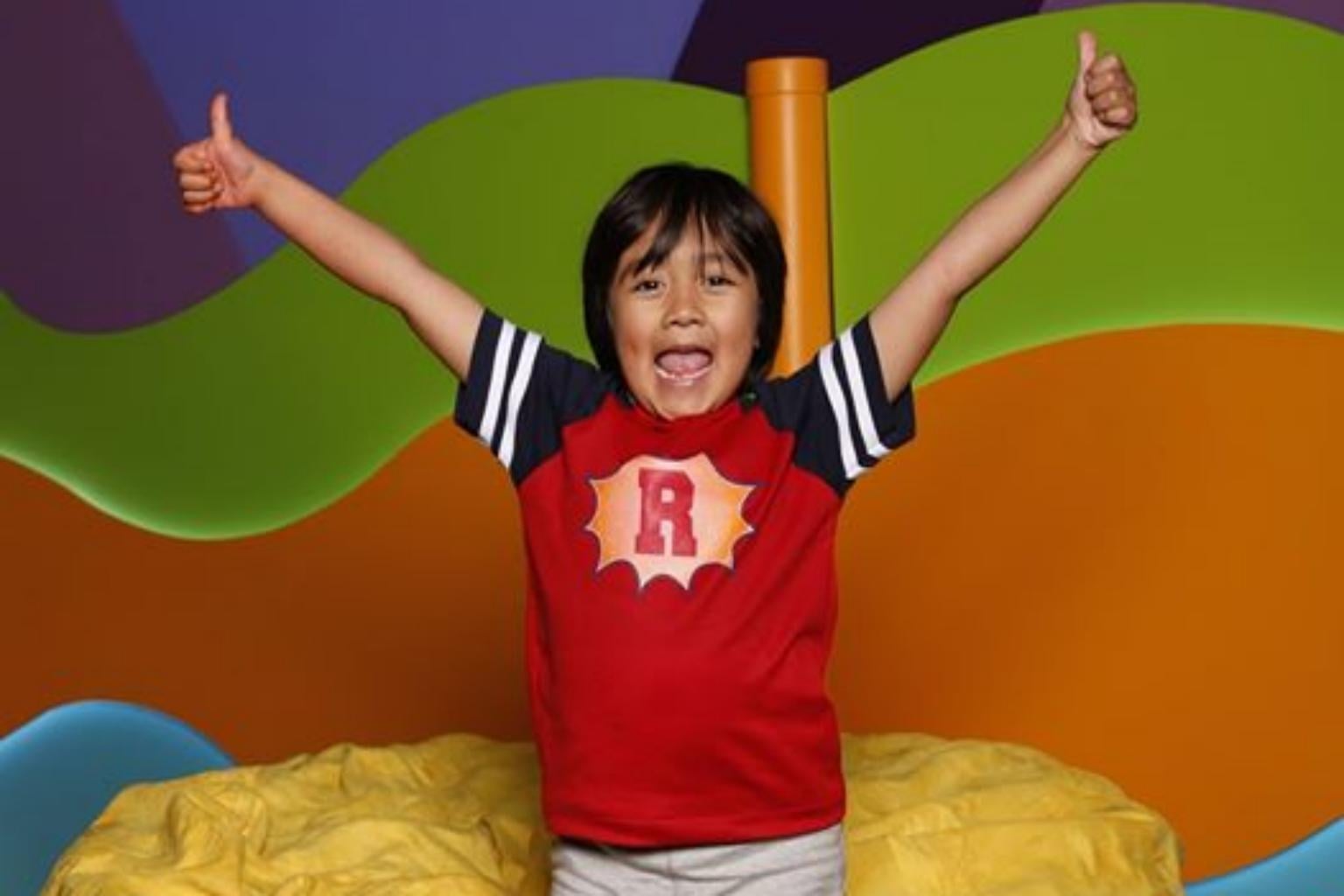
Ryan’s World’s meteoric rise was not just a local phenomenon. As of March 2026, the channel had more than 40 million subscribers and over 63 billion total views, making it one of the most viewed channels ever on YouTube.
A standout video such as Huge Eggs Surprise Toys Challenge alone has accumulated over two billion views, demonstrating the unprecedented reach of the channel. These view counts translate directly into revenue from advertisements, and millions of daily views occurred when Ryan was still in elementary school, documenting his wonder and curiosity with each new toy reveal.
From YouTube Revenue to Merchandise Empire
While YouTube ad revenue laid the foundation, it was the expansion into merchandise and licensing that transformed Ryan’s brand into a multimillion‑dollar empire. Through partnerships with companies like PocketWatch and major retailers such as Walmart and Target, Ryan’s World branded toys, clothing, backpacks, and accessories became staples in toy aisles around the world.
By the early 2020s, products bearing the Ryan’s World label had generated well over $250 million in sales, with the family and their partners earning substantial portions of that from licensing, merchandising and collaborative deals.
This expansive retail presence — turning an online personality into a physical shopping experience — set Ryan’s World apart from many other creators. No longer just videos on a screen, the brand became something children could touch, wear, and play with in real‑world contexts.
The Business Behind the Brand

Ryan’s success was not solely due to his on‑camera charm; it also reflected a sophisticated business strategy managed by his family. His parents, Loann and Shion Kaji, left their traditional careers — she was a high school chemistry teacher and he an engineer — to focus on growing the channel and related ventures. From brand partnerships and content planning to retail strategy, they managed a thriving business that straddled both entertainment and commerce.
The family’s decision to bring on a professional media partner, PocketWatch Inc., provided expertise in licensing, merchandising, and global marketing. This move helped scale Ryan’s World from a YouTube channel into an integrated brand with presence in toys, games, clothing lines, apps, and even television content.
Diversification: Beyond Toy Reviews
As the brand matured, Ryan’s World expanded far beyond simple toy reviews. The channel’s success led to new opportunities across media formats:
- Television Series: Collaborations produced shows such as Ryan’s Mystery Playdate on Nickelodeon, bringing his personality to traditional TV audiences.
- Video Games and Digital Content: Licensed games on platforms like Roblox and apps extended engagement beyond passive watching.
- Film Projects: The franchise even spawned a full‑length movie, Ryan’s World the Movie: Titan Universe Adventure, blending live action with animation and expanding the brand’s narrative reach.
Each of these extensions reinforced the brand’s visibility and diversified its revenue streams, reducing dependence on YouTube ad dollars alone.
Cultural Influence and the New Creator Economy

Ryan’s World exemplifies the explosion of the creator economy, where individuals can build audiences and businesses outside traditional entertainment frameworks. Ryan was part of a wave of child influencers who showed that authentic, relatable content could attract massive global viewership and become commercially viable.
His success also reflects a broader shift in media consumption: younger generations increasingly watch content on digital platforms rather than broadcast television, and advertisers follow audiences where they are most engaged. For toy manufacturers and consumer brands, partnering with influencers like Ryan became a powerful way to reach children and their families.
Economic and Ethical Questions
The economic success of child influencers like Ryan has also sparked debate. Critics have questioned the ethics of monetizing children’s content and the blurred line between entertainment and advertising, especially to audiences that may be too young to distinguish between the two. In response, platforms like YouTube updated policies on ads in children’s content after scrutiny of practices that once targeted kids with personalized advertising.
Nevertheless, the commercial potential of such channels has reshaped marketing strategies across industries, with companies increasingly investing in influencer partnerships to reach niche demographics.
Balancing Childhood with Enterprise

Ryan’s story is not just about revenue and media strategy; it’s also about the intersection of childhood and professional life. While his videos capture genuine moments of play and curiosity, they are part of a structured business model with real financial stakes. The Kaji family has emphasized that Ryan’s enjoyment and well‑being come first, even as they manage a complex brand that spans continents.
This balance reflects a new reality where children can be central figures in global media franchises, prompting discussions about parental guidance, industry responsibility, and the evolving nature of digital careers.
A Look Ahead: Longevity and Legacy
As Ryan moves beyond his early years into adolescence and beyond, the future of his brand will depend on adaptability and continued innovation. The digital landscape evolves rapidly, and staying relevant requires diversifying content, exploring new platforms, and maintaining authentic engagement with audiences.
However, the trajectory of Ryan’s World suggests that with the right blend of personality, business strategy, and global reach, even a child’s playful beginnings can become a durable enterprise that extends well into the future.
Final Reflection: A New Kind of Child Star
The story of a young boy earning $80 000 a day by opening toys on YouTube and parlaying that into a $300 million‑plus brand is more than a quirky headline — it is a testament to the dramatic transformation of media, commerce, and cultural influence in the digital age. What began with simple videos of joy and curiosity has matured into a multimedia empire that reshapes how brands interact with audiences, how families participate in the creator economy, and how childhood experiences can intersect with business success.