
Table of Contents
- Who Made the Statement and Why It Matters
- What Iranian Officials Actually Said
- The War Context: Why Ceasefire Talks Have Unravelled
- Global Reactions to Tehran’s Position
- Humanitarian and Civilian Concerns
- Iran’s Strategic Calculus
- Economic and Market Impacts
- Prospects for the Future
- Reflecting on a Conflict Without Ceasefire
Who Made the Statement and Why It Matters
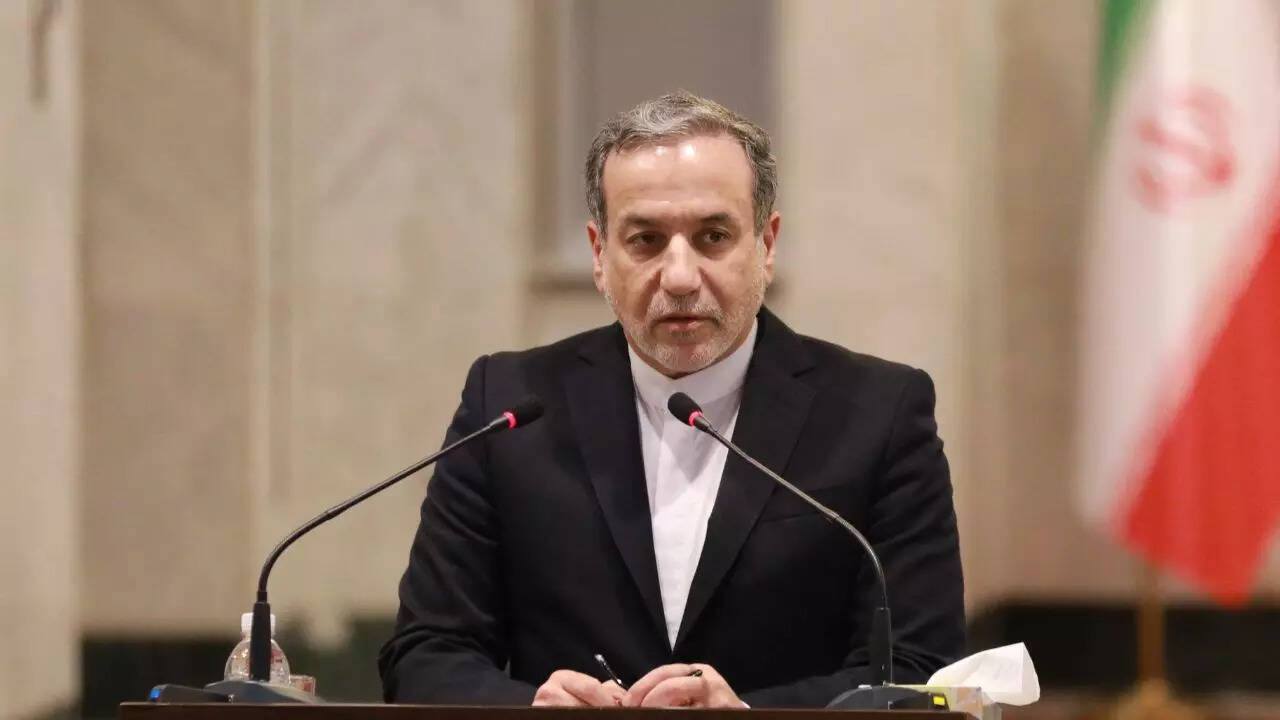
Several Iranian officials — including a foreign ministry spokesperson and the speaker of the Iranian parliament — stated recently that Tehran is not seeking a ceasefire at this juncture. These comments reflect a broader hardening of Iran’s war posture following weeks of U.S. and Israeli military operations targeting Iranian military infrastructure and leadership.
In the context of a conflict that began with simultaneous and coordinated airstrikes by U.S. and Israeli forces in late February, Iranian leadership appears intent on sustaining its defence and retaliatory operations rather than pausing for diplomatic negotiations. This new stance marks a significant departure from earlier periods of indirect talks and partial dialogues, and signals that Iran wants any cessation of hostilities tied to broader conditions rather than temporary pauses.
What Iranian Officials Actually Said

In recent days, various Iranian representatives reiterated that there is “no room” for ceasefire talks while military attacks continue, underscoring Tehran’s view that the conflict must play out strategically rather than be frozen by temporary agreements. At a press briefing, Foreign Ministry spokesperson Esmaeil Baghaei emphasized that Iran did not start the war and therefore sees no reason to discuss ceasefire terms while the United States and Israel continue attacks.
Similarly, powerful political figures such as Mohammad Bagher Ghalibaf, speaker of Iran’s parliament, publicly stated that Tehran is “definitely not looking for a ceasefire,” arguing that aggressors should be “punished” and deterred from future attacks.
These statements paint a picture of a leadership determined to sustain military operations as long as they deem necessary, rather than pursuing pauses or pauses in fighting. The repeated refusal to enter ceasefire negotiations — even as humanitarian concerns rise — highlights how deeply entrenched positions have become in this phase of the conflict.
The War Context: Why Ceasefire Talks Have Unravelled
The rejection of ceasefire discussions is rooted in several developments that have complicated the prospects for peace:
- Intensified Military Attacks: U.S. and Israeli forces have conducted heavy bombardments on Iranian military infrastructure, prompting robust Iranian counterattacks, including missile and drone strikes throughout the Gulf region.
- Diplomatic Breakdown: Though indirect talks between Iranian and U.S. diplomats took place shortly before the outbreak of war, Tehran now says that subsequent attacks undermined trust and made further negotiations untenable.
- Domestic Political Messaging: Iranian officials are framing their stance as self‑defence and deterrence, insisting that any pause without addressing perceived aggression would leave the country vulnerable.
In this context, Iran’s emphasis on not pursuing a ceasefire reflects a broader narrative that the conflict must be resolved on its terms, not through externally imposed temporary agreements.
Global Reactions to Tehran’s Position

Tehran’s rejection of ceasefire talks has drawn reactions from multiple international actors:
- United States — While Washington has expressed willingness to pursue diplomatic channels under certain conditions, Iranian refusal to discuss ceasefires complicates U.S. efforts to reduce hostilities and protect civilians.
- Israel — Israeli officials have stated their primary war aim is to dismantle Iran’s capabilities and undermine its strategic influence, not simply reach a temporary truce.
- European Allies — European diplomatic efforts, including those led by France and others, have emphasized de‑escalation and mediation, but Tehran’s refusal to engage on ceasefires has stalled much of this progress.
- United Nations — U.N. envoys continue to call for restraint and civilian protection, but the rejection of ceasefire talks limits the institution’s ability to facilitate practical agreements.
The global push for a diplomatic pause has been met with an equal and opposite hardline stance from Tehran, making an immediate cessation of fighting less likely in the near term.
Humanitarian and Civilian Concerns
The refusal to pursue ceasefire negotiations has implications far beyond geopolitics. Humanitarian organizations have expressed deep concern over the continued fighting, which has already resulted in significant civilian casualties and displacement.
Intensified strikes on both sides have hit cities, hospitals, schools, and vital infrastructure, raising alarm among global aid agencies about the mounting death toll and the potential for widespread humanitarian crises.
With Iran insisting that it will not pursue ceasefires while attacks continue, many civilians find themselves caught in an expanding theatre of war, with limited prospects for immediate relief or safety.
Iran’s Strategic Calculus
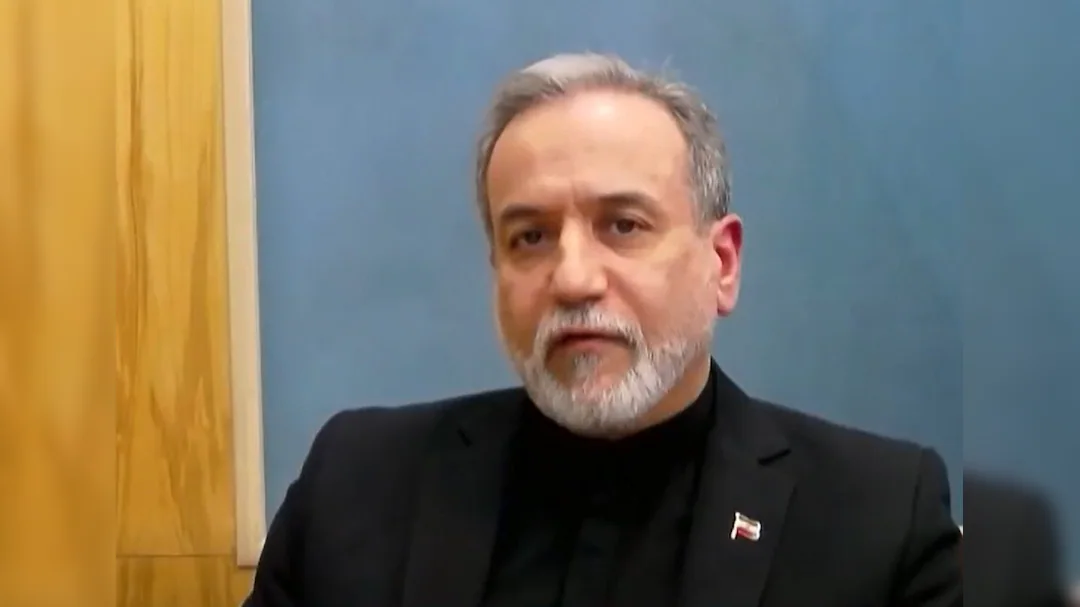
For Tehran, rejecting ceasefires is part of a broader strategic calculus designed to achieve what it views as a just and durable outcome rather than a fragile and temporary pause. Iranian leadership is positioning its military response as essential for national security, deterrence, and regional influence, asserting that only a meaningful settlement — not stopgap measures — will bring lasting peace.
This view is rooted in years of geopolitical rivalry with the United States and Israel, and a deep scepticism of negotiations that might leave Iran vulnerable or compromise its sovereignty. It also reflects a belief that resolving core security grievances is more important than securing a temporary halt to hostilities that could leave underlying tensions unresolved.
Economic and Market Impacts
Iran’s rejection of ceasefire discussions has immediate and far‑reaching economic consequences. Markets around the world have reacted to the spectre of prolonged conflict:
- Oil Price Volatility: With Iran and regional shipping routes disrupted by military activity, crude oil prices have exhibited sharp instability, affecting global fuel costs and investor sentiment.
- Insurance Costs & Trade: Many shipping firms have increased insurance premiums for vessels in and near the Gulf, complicating international trade and raising costs for global supply chains.
- Energy Security Concerns: Countries reliant on Middle Eastern energy exports are increasingly concerned about long‑term supply disruptions should fighting persist without diplomatic resolution.
These economic pressures amplify the stakes of diplomatic deadlock and increase urgency among global policymakers to find any pathway toward reducing hostilities.
Prospects for the Future
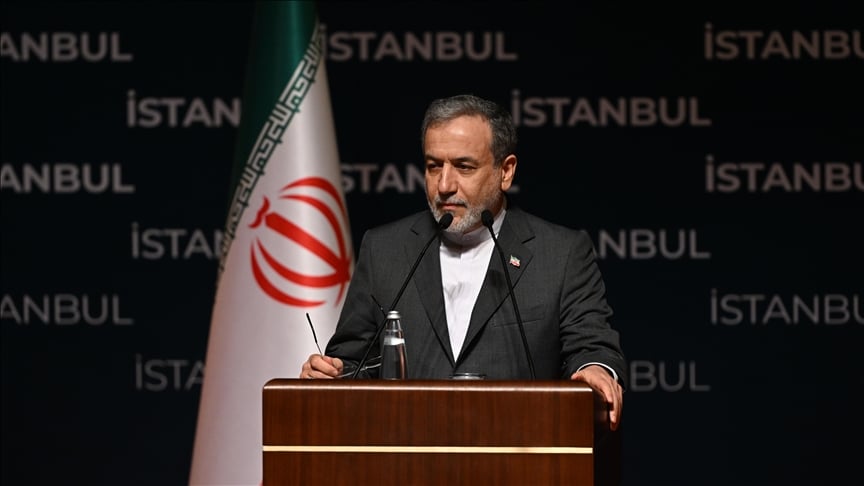
While Iran’s current rejection of ceasefire discussions paints a grim near‑term picture, several possible future scenarios could alter the course of the conflict:
- Shift in Leadership Strategy: Internal pressure or battlefield conditions could compel Tehran to reconsider its stance if costs become unsustainable.
- External Mediation: Third‑party states with influence in the region, possibly including China, Oman, or Switzerland, might offer fresh diplomatic paths that both sides could accept.
- Negotiated Settlement After De‑Escalation: Both sides might agree to a phased de‑escalation if external threats to infrastructure or oil supply become too severe.
However, as of now, Tehran’s clear position that it is “not seeking a ceasefire anymore” means that diplomatic breakthroughs remain elusive, and the war could continue with significant global repercussions.
Reflecting on a Conflict Without Ceasefire
Iran’s public declaration that it is no longer pursuing ceasefire talks marks a pivotal moment in the 2026 Middle East conflict. This shift — grounded in a combination of strategic calculation, domestic politics, and deep mistrust of past negotiations — has reshaped both regional dynamics and global diplomatic efforts.
As long as hostilities continue and ceasefires remain off the table, the conflict’s trajectory will be defined by military developments, economic shocks, and evolving international pressure. In a world where wars once punctuated by negotiated pauses might now drag on without diplomatic respite, Tehran’s stance serves as a stark reminder of the challenges facing peacemakers and the high human costs of prolonged conflict.