
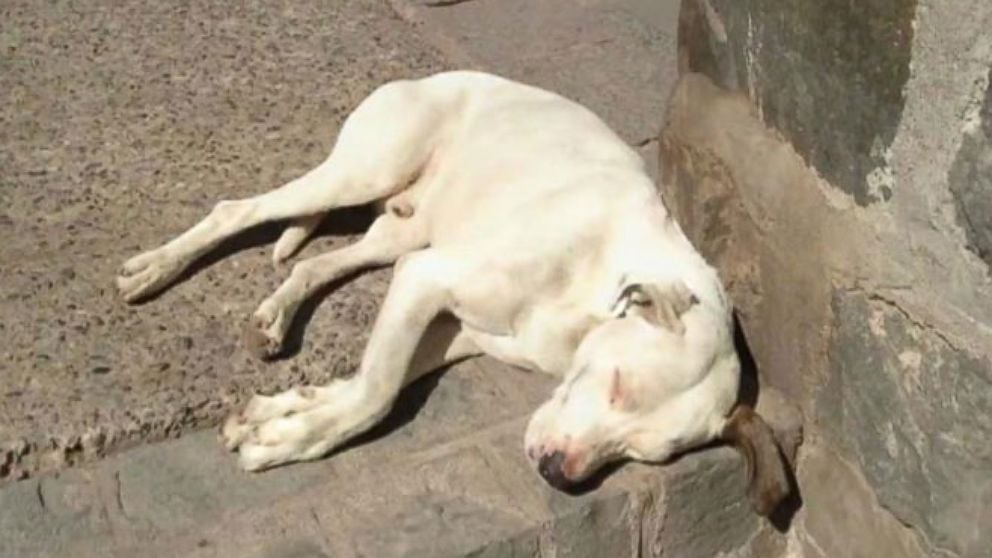
The world tuned in to watch athletes chase Olympic gold.
But no one expected the biggest emotional story of the Sochi Games to come from the streets —
from the shadows —
from the forgotten.
Stray dogs wandering the roads.
Sleeping under stadium lights.
Desperately searching for food, shade, and safety.
Some called them a nuisance.
Some called them a problem.
But others saw something different:
Souls.
Deserving of love.
Deserving of life.
And what happened next would turn a local crisis into a global rescue movement —
one that would change the fate of hundreds of dogs… and challenge the world to rethink how we treat the animals who live beside us.
Table of Contents
- The Moment the World Looked Closer
- Athletes Began Adopting Dogs — And It Sparked a Movement
- The Shelters Who Said “We’ll Take Them”
- A Puppy Named “Mochi” Became the Face of Hope
- The Economics Behind the Crisis — And the Unexpected High-Intent Link to Finance
- The Home Improvement Effect: Why Rescue Dogs Change Homes Too
- Travel and Tourism: How the Sochi Dogs Changed the Way We Explore New Places
- Mental Health: The Emotional Ripple Effect of Rescue
- A Moral Question That Still Echoes Today
- So What Happened After the Olympics Ended?
- Final Reflection: If You Saw a Stray Dog Tomorrow, What Would You Do?
The Moment the World Looked Closer
As Sochi prepared for the Olympics, construction exploded.
New arenas.
Hotels.
Roads.
Villages.
But as the city grew upward and outward, something else happened:
Dogs lost their homes.
Stray populations rose.
Litters appeared under scaffolding.
Puppies squeezed into drainage pipes to escape the heat.
Adult dogs scavenged around construction sites for scraps.
When international journalists arrived, they didn’t just report on medals and ceremonies.
They reported on the dogs.
Millions of viewers saw the images:
- dogs sleeping in unfinished buildings
- puppies wagging at strangers
- gentle strays following athletes
- dogs seeking shade under stadium steps
And suddenly the world cared.
Would you look away — or would you stop, kneel down, and reach out a hand?
Athletes Began Adopting Dogs — And It Sparked a Movement
Some of the most memorable moments from the Sochi Olympics didn’t happen on the podium.
They happened in hallways.
And cafeterias.
And outside athlete housing.
That’s where Olympians found dogs wandering alone —
thin, hungry, affectionate, hopeful.
And many athletes couldn’t ignore them.
They fed them.
They sheltered them.
Some slept with puppies curled against their legs.
Some took videos.
Some cried.
And a few did something even more powerful:
They adopted them.
When photos of athletes boarding planes with rescued dogs hit the internet, the world reacted instantly.
It wasn’t just a story.
It was a symbol —
a reminder of what compassion can look like when the cameras are rolling… and even when they’re not.
But this raised a deeper question:
If athletes could save a handful of dogs,
could a city save thousands?
The Shelters Who Said “We’ll Take Them”
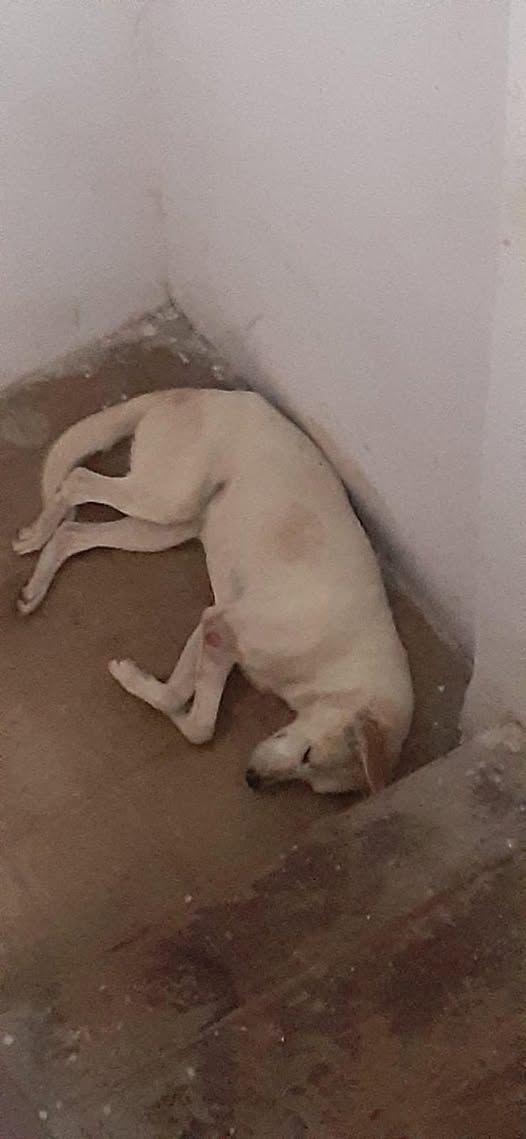
Behind the scenes — far from stadium crowds — local rescuers were already battling the crisis.
Shelters were full.
Food was scarce.
Resources limited.
Temperatures rising.
But something happened after the Olympics coverage began.
Phone calls.
Emails.
Donations.
Volunteers.
People from all over Russia — and the world — reached out:
“I want to help.”
“How can I adopt?”
“Can I sponsor a dog?”
“Can you send one to the U.S.?”
“I’ll take two.”
Rescue groups that were once struggling suddenly had enough funding to:
- buy crates
- hire vets
- provide vaccinations
- build shaded kennels
- transport dogs to safer regions
- run real adoption programs
The stray problem didn’t disappear overnight…
But for the first time, help outnumbered hopelessness.
A Puppy Named “Mochi” Became the Face of Hope
Among the hundreds of dogs rescued, one stood out —
a tiny, wide-eyed puppy found wandering near Olympic Park.
She was dehydrated.
Terrified.
Covered in dust.
But she was gentle.
So gentle that workers nicknamed her “Mochi” — soft, sweet, fragile.
An Olympic volunteer picked her up, heartbroken at her condition.
And that volunteer made a decision —
a decision that would change Mochi’s life forever:
She wasn’t leaving Sochi without this puppy.
Mochi boarded a plane weeks later —
healthy, vaccinated, clean, safe, loved.
The photo of her sleeping on her new owner’s lap went viral.
It wasn’t just a picture.
It was a message:
“If one dog can be saved… why not one more?”
And soon… hundreds more followed.
The Economics Behind the Crisis — And the Unexpected High-Intent Link to Finance
Behind every rescue story is a practical truth:
Saving animals costs money.
Feeding a stray costs money.
Vaccinations cost money.
Transport, vetting, crate purchases, boarding — all money.
But something surprising happened in Sochi:
People were willing to spend.
High-intent searches soared globally:
- “How much does it cost to adopt a dog from Sochi?”
- “Sponsoring a stray dog Russia”
- “International pet travel insurance”
- “Financial planning for pet adoption”
Even companies stepped in:
- pet insurance providers
- travel companies
- veterinary groups
- nonprofits
- airline support programs
What started as a humanitarian moment became a lesson in public finance:
When people care, money follows.
And Sochi proved that compassion can be economically scalable — when the world is watching.
The Home Improvement Effect: Why Rescue Dogs Change Homes Too
When adopting a street dog, something unexpected happens:
Your home changes.
People who adopted Sochi dogs often made improvements to create safer, more nurturing environments:
- baby gates instead of crates
- cooling mats for dogs from hot climates
- secure fences for dogs who have never lived indoors
- washable rugs
- slip-proof floors
- cozy corners
- soft play zones
- elevated beds for older or injured dogs
Google searches shot upward after the Sochi rescue boom:
- “pet-friendly home improvement ideas”
- “how to dog-proof an apartment”
- “best flooring for rescue dogs”
The Sochi dogs didn’t just find homes…
They reshaped the homes they entered.
Because a rescue dog doesn’t just fill a space.
It transforms it.
Travel and Tourism: How the Sochi Dogs Changed the Way We Explore New Places
Here’s something fascinating:
Travel blogs and tourism companies observed a permanent shift after the Sochi coverage:
More travelers wanted ethical experiences.
More tourists checked if cities had humane stray programs.
More families supported animal shelters on vacations.
More people avoided attractions that mistreated animals.
Sochi taught the world that tourism doesn’t stop at beaches and museums.
It includes the lives of animals who share the streets, sidewalks, and landscapes of the places we visit.
Tourism agencies now highlight:
- animal rescue partnerships
- ethical volunteering opportunities
- dog adoption tourism
- humane trap-neuter-release programs
The stray dogs of Sochi didn’t just survive the Olympics.
They inspired a global conversation about what responsible tourism looks like.
Mental Health: The Emotional Ripple Effect of Rescue
Studies show that interacting with animals can:
- lower stress levels
- reduce anxiety
- improve emotional stability
- increase serotonin
- decrease loneliness
- strengthen family bonds
And the Sochi dogs brought those benefits to thousands of new homes.
Adopters reported:
- sleeping better
- feeling more motivated
- getting outside more
- feeling a stronger sense of purpose
- having more routine and structure
Some adopters said:
“I thought I was saving a dog.
But the dog saved me.”
The emotional ripple effect of rescue doesn’t stop with the animal —
it radiates to every member of the family.
A Moral Question That Still Echoes Today
The Sochi dogs forced the world to ask:
What do we owe the animals who live by our side?
Not as decorations.
Not as background scenery.
Not as city fixtures.
But as living beings.
Feeling beings.
Beings capable of love, fear, loyalty, and pain.
When cities grow, who remembers the animals pushed aside?
When construction expands, who protects those who lose their habitat?
When tourism spikes, who speaks for the creatures seen as “inconvenient”?
The Sochi crisis wasn’t just about dogs.
It was a mirror.
And the reflection wasn’t always flattering.
So What Happened After the Olympics Ended?
Some feared the story would fade.
That once cameras left, compassion would leave too.
But something remarkable happened:
The rescue didn’t stop.
Long after athletes returned home, donations continued.
Volunteers stayed.
Shelters expanded.
New adoption networks formed.
International partnerships solidified.
Even today — years later — Sochi’s shelter system is stronger, more humane, and better funded because of what the world witnessed.
A crisis became a catalyst.
A tragedy became a turning point.
And a city of stray dogs became a symbol of compassion.
Final Reflection: If You Saw a Stray Dog Tomorrow, What Would You Do?
Imagine walking down a quiet street.
You see a dog — thin, wandering, lost.
No collar.
No home.
No one looking for him.
Would you walk past?
Would you take a photo?
Would you hesitate?
Or would you kneel down
and do what thousands did in Sochi…
listen, reach, and answer the silent plea in his eyes?
Because sometimes the difference between a forgotten life
and a new beginning
is one person willing to care.
One person willing to stop.
One person willing to say:
“Not today.
Not this one.
Not while I’m here.”