
Table of Contents
- When a Narrow Vote Triggers a Global Conversation
- A Vote That Barely Passed but Spoke Loudly
- The Political Force Behind the Proposal
- A Law With Broader Scope but Narrow Focus
- The Reality Behind the Numbers
- Voices From the Muslim Community
- Feminism, Freedom, and Contradictions
- A Pattern of Similar Votes in Switzerland
- Europe’s Ongoing Debate Over Face Coverings
- Security, Identity, and Symbolism
- A Decision That Reflects a Divided Society
- Legal Challenges and Future Implications
- A Defining Moment in Europe’s Cultural Conversation
- What This Means for the Future
- A Nation Reflecting on Its Identity
When a Narrow Vote Triggers a Global Conversation
When Swiss voters approved a nationwide ban on face coverings in public spaces, the result was not a sweeping mandate but a razor thin decision that immediately ignited debate across Europe and beyond. With just over half of voters supporting the measure, the referendum outcome revealed a nation deeply divided on issues of identity, security, and personal freedom. While the proposal was framed broadly as a ban on face coverings, it quickly became known worldwide as a ban on Islamic veils such as the burka and niqab. What followed was not only a legal shift within Switzerland, but a powerful moment that exposed the complex tensions between democracy, religion, and modern European values.
A Vote That Barely Passed but Spoke Loudly
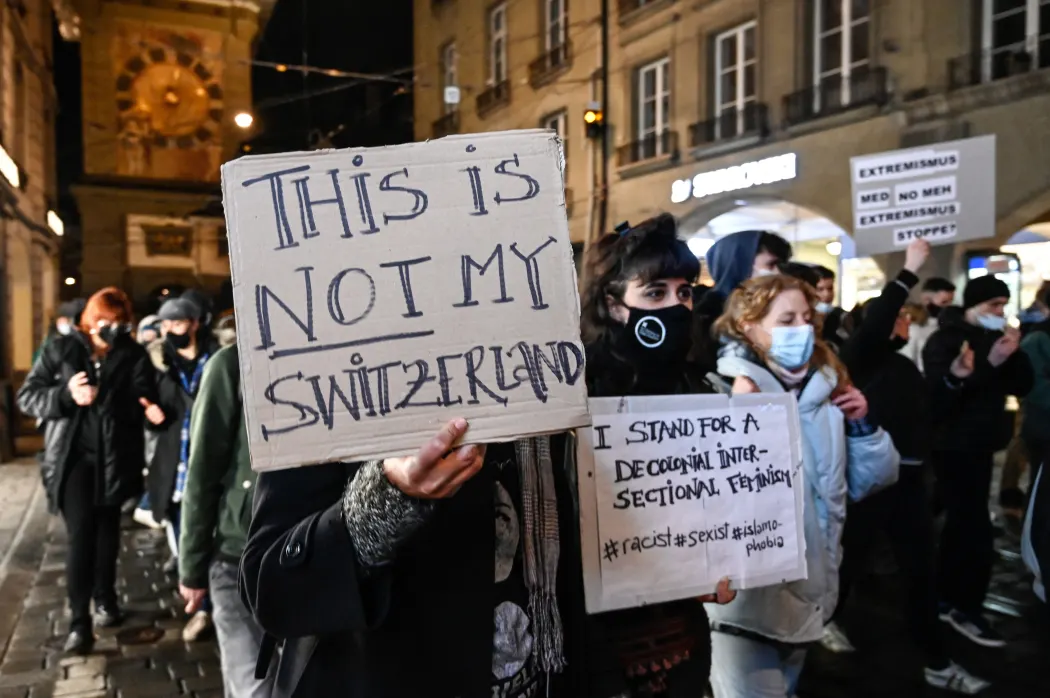
The final results showed 51.2 percent of voters in favor and 48.8 percent against, making it one of the closest national referendums in recent Swiss history. This narrow margin is significant because it highlights how divided public opinion was on the issue.
In Switzerland’s system of direct democracy, citizens are given the power to decide on national policies through referendums. This process gives the outcome a strong sense of legitimacy, yet it also reflects the complexity of public sentiment. The vote was not a clear endorsement or rejection but rather a reflection of competing concerns that resonated differently with voters.
For some, the decision represents a victory for national values and security. For others, it signals a troubling shift toward exclusion and restriction.
The Political Force Behind the Proposal
The initiative was driven by the Swiss People’s Party, a right wing political group known for its strong stance on immigration and national identity. The campaign surrounding the referendum used messaging that focused on themes of extremism and cultural preservation.
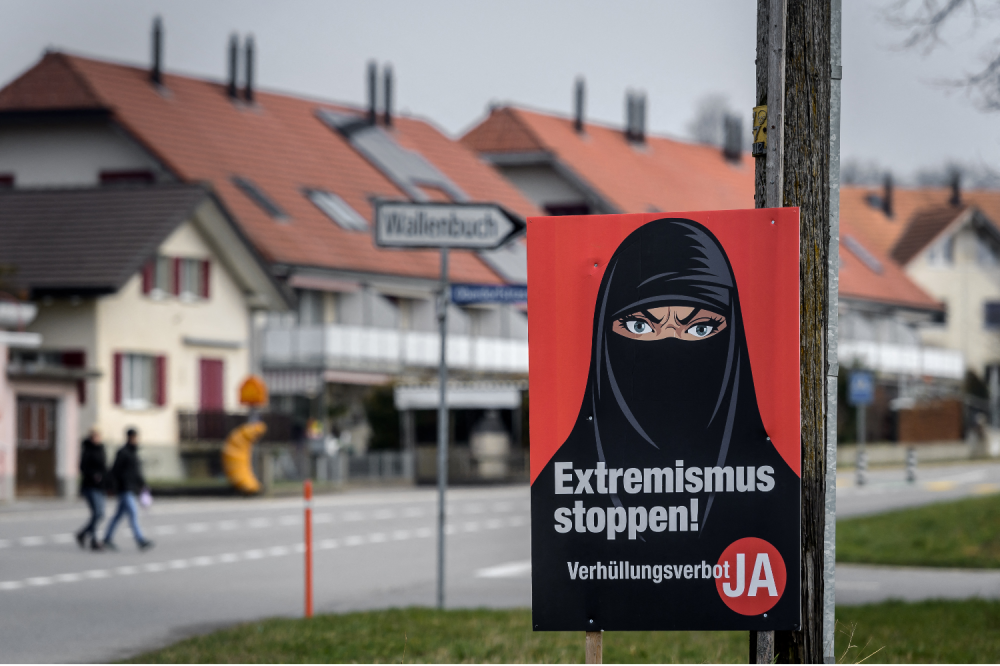
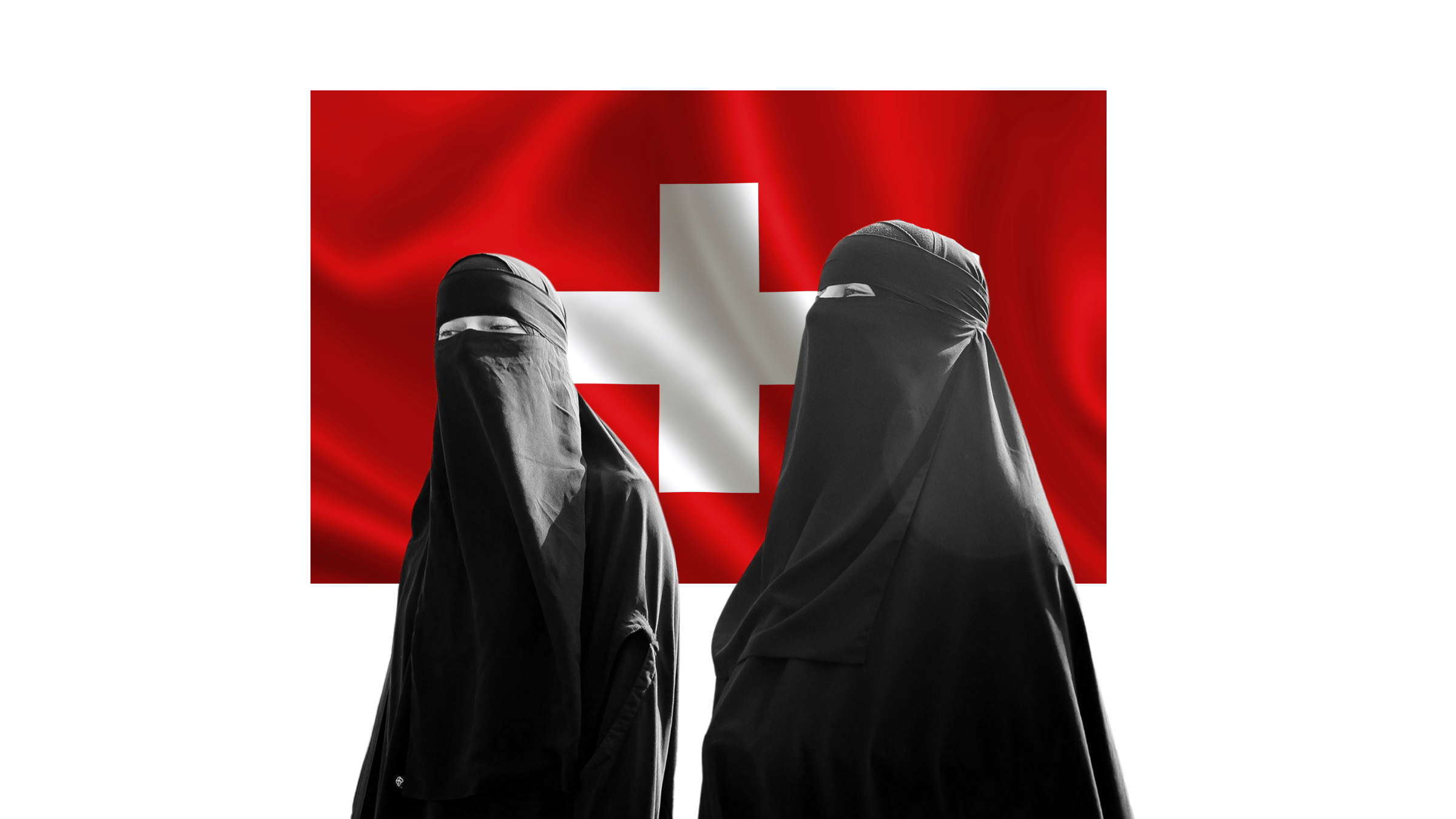
Posters and campaign materials often depicted women in full face veils, reinforcing the association between the ban and Islamic dress. Although the proposal itself did not explicitly mention Islam, the public discourse surrounding it made the connection clear.
Supporters argued that face coverings represent a challenge to social norms and public safety. Critics, however, viewed the campaign as targeting a specific minority and amplifying fears rather than addressing actual concerns.
A Law With Broader Scope but Narrow Focus
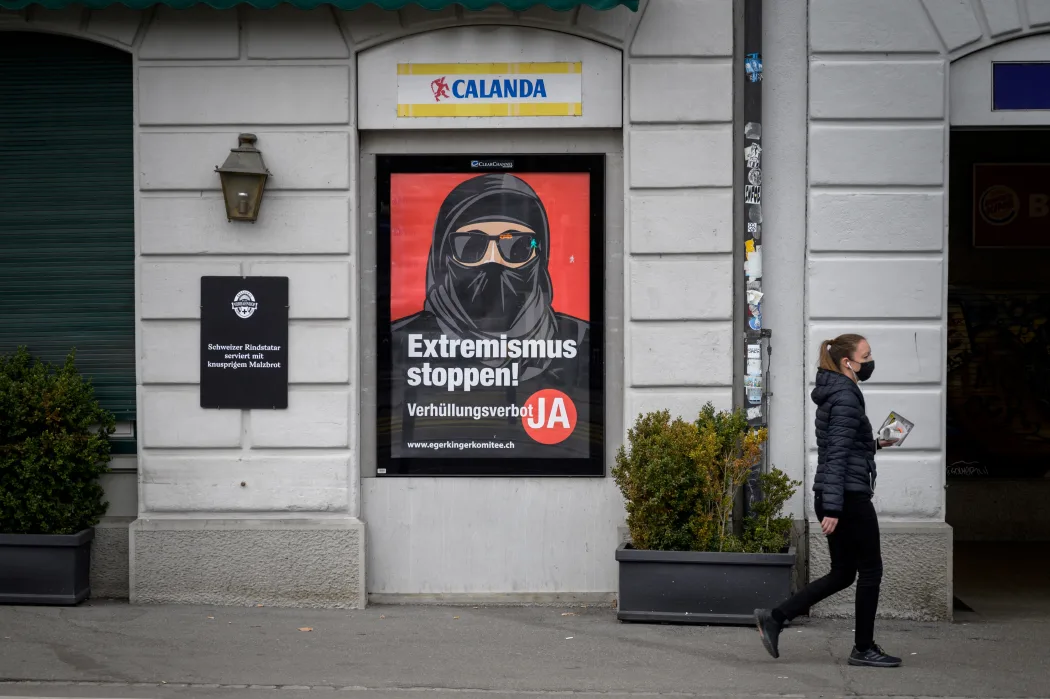
Technically, the ban applies to all forms of face coverings in public spaces. This includes masks worn by protesters or individuals attempting to conceal their identity during demonstrations. However, the overwhelming focus of the debate centered on religious garments worn by Muslim women.
This dual framing created confusion and controversy. Supporters emphasized the broader application of the law, while opponents pointed to the campaign imagery and messaging as evidence of its true intent.
The distinction between legal wording and public perception played a crucial role in shaping the outcome of the vote and the reactions that followed.
The Reality Behind the Numbers
One of the most striking aspects of the debate is how few people are directly affected by the ban. Research indicates that only a small number of women in Switzerland wear the niqab, and even fewer wear the burka.
Muslims make up approximately five percent of Switzerland’s population, and the number of individuals who wear full face coverings is estimated to be extremely low. This raises questions about why the issue gained such prominence in national discourse.
For some observers, the focus on face coverings reflects broader anxieties about cultural change and identity rather than a response to a widespread social issue.
Voices From the Muslim Community
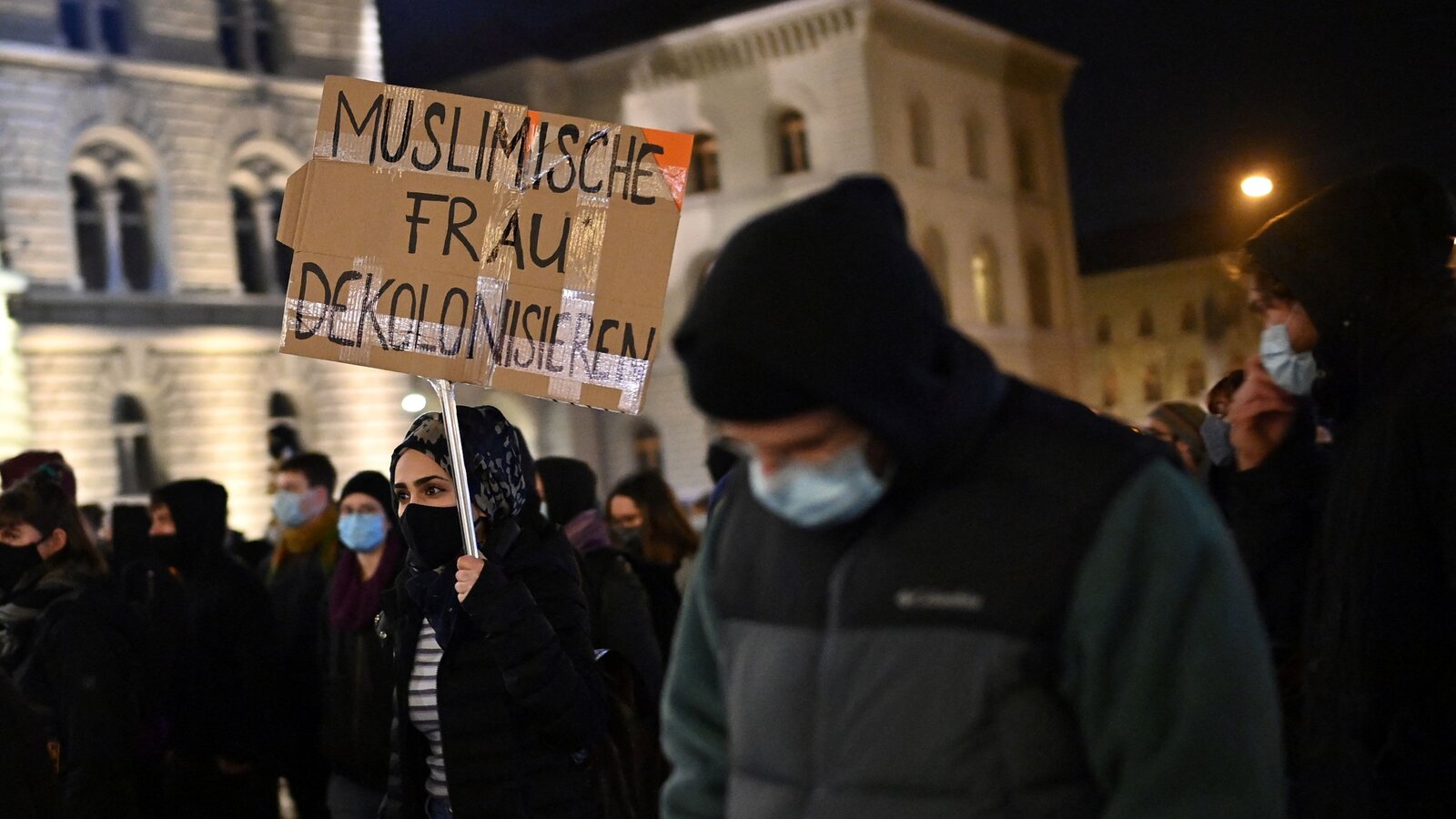
The reaction from Muslim groups in Switzerland was immediate and emotional. Many described the decision as a painful reminder of exclusion and inequality. Community leaders expressed concern that the ban sends a message that Muslims are not fully accepted within Swiss society.
At the same time, perspectives within the Muslim community were not uniform. Some individuals supported the ban, arguing that it could help promote integration and challenge practices they view as restrictive.
These differing viewpoints highlight the complexity of the issue and the difficulty of representing diverse experiences within a single narrative.
Feminism, Freedom, and Contradictions
The debate also revealed divisions within feminist perspectives. Some feminists view face coverings as symbols of oppression and support measures that discourage their use. Others argue that banning such garments infringes on women’s autonomy and right to choose.
This tension underscores a broader challenge in balancing different interpretations of freedom. Is it more important to protect individuals from practices seen as oppressive, or to defend their right to make personal choices, even if those choices are controversial?
The referendum forced voters to grapple with these questions, often leading to conflicted responses that defied simple categorization.
A Pattern of Similar Votes in Switzerland
This is not the first time that issues related to Islam have been decided through Swiss referendums. In 2009, voters approved a ban on the construction of minarets, marking another moment when cultural and religious concerns intersected with national policy.
These decisions suggest a pattern in which certain topics become focal points for broader debates about identity and integration. Each vote adds another layer to the evolving relationship between Switzerland’s majority population and its minority communities.
The repetition of such referendums also raises questions about how direct democracy shapes minority rights and whether majority decisions always align with principles of equality.
Europe’s Ongoing Debate Over Face Coverings
Switzerland is not alone in addressing the issue of face coverings. Several European countries have implemented similar bans, each with its own rationale and context. France, for example, introduced a nationwide ban on full face veils in public spaces more than a decade ago.
Other countries have adopted partial restrictions, reflecting a range of approaches to balancing security, cultural norms, and individual freedoms. The Swiss decision adds to this broader European trend, reinforcing the idea that the debate is far from settled.
The differences between countries also highlight how national histories and values influence policy decisions, even when the issues appear similar.
Security, Identity, and Symbolism
Supporters of the ban often emphasize security concerns, arguing that face coverings can make it difficult to identify individuals in public spaces. However, the symbolic dimension of the issue is equally significant.
For many voters, the ban represents a statement about national identity and the importance of visible social interaction. The idea that showing one’s face is a fundamental aspect of communication and trust resonates strongly in certain cultural contexts.
At the same time, critics argue that focusing on symbolism can lead to policies that disproportionately affect specific groups without addressing underlying challenges.
A Decision That Reflects a Divided Society
The narrow margin of the vote suggests that Switzerland is deeply divided on the issue. This division is not simply political but also cultural and philosophical, reflecting differing views on how society should balance competing values.
The referendum outcome can be seen as a snapshot of a broader moment in European history, where questions of identity, migration, and integration are at the forefront of public discourse.
Rather than providing a clear resolution, the vote has opened the door to ongoing debate and reflection.
Legal Challenges and Future Implications
In the aftermath of the vote, legal challenges are expected as opponents seek to contest the ban in court. These challenges may focus on issues related to discrimination, freedom of religion, and human rights.
The outcome of such cases could have implications beyond Switzerland, influencing how similar laws are interpreted and applied in other countries.
The legal process will add another layer to the debate, shifting the focus from public opinion to judicial interpretation.
A Defining Moment in Europe’s Cultural Conversation
The decision to ban face coverings in Switzerland is more than a national policy change. It is a defining moment in an ongoing conversation about what it means to live in a diverse and interconnected world.
The referendum has highlighted the challenges of balancing majority rule with minority rights, as well as the complexities of addressing cultural differences in a democratic framework.
As Europe continues to grapple with these issues, the Swiss vote will likely be remembered as a pivotal point in the broader narrative.
What This Means for the Future
Looking ahead, the impact of the ban will depend on how it is implemented and how society responds to its consequences. Will it lead to greater cohesion or deeper division. Will it address the concerns that motivated voters or create new challenges.
These questions remain unanswered, but they underscore the significance of the moment. The decision has not only shaped policy but also sparked a conversation that extends far beyond Switzerland’s borders.
A Nation Reflecting on Its Identity
In the end, the referendum reflects a nation engaged in a process of self examination. It reveals both the strengths and limitations of direct democracy, as well as the complexities of navigating a rapidly changing world.
The debate over face coverings is not just about clothing or religion. It is about identity, belonging, and the values that define a society.
As Switzerland moves forward, the conversation sparked by this vote will continue to evolve, shaping how the country understands itself and its place in a diverse and interconnected world.