
Table of Contents
The Radium Craze: A Dangerous Discovery
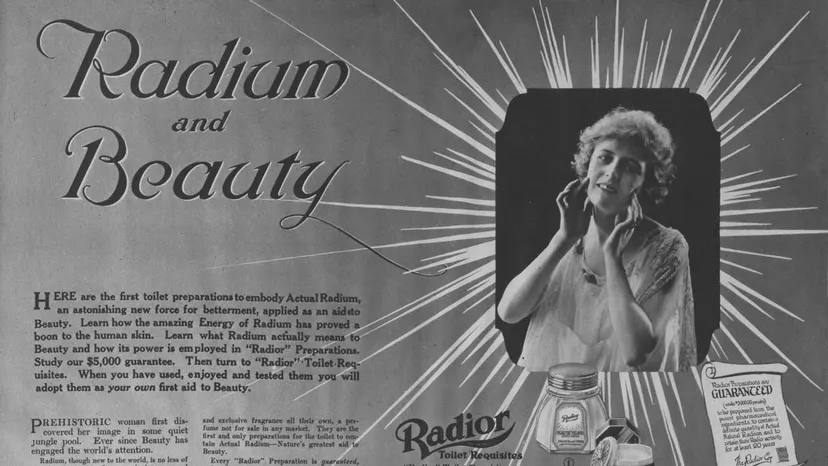
Radium, a radioactive element discovered by Marie and Pierre Curie in 1898, was initially hailed as a miracle substance. It was believed to have healing properties, and soon after its discovery, it became widely used in various products. Radium’s ability to glow in the dark made it especially appealing for products like watches, clocks, and military instruments, which became highly sought after in the early 1900s.
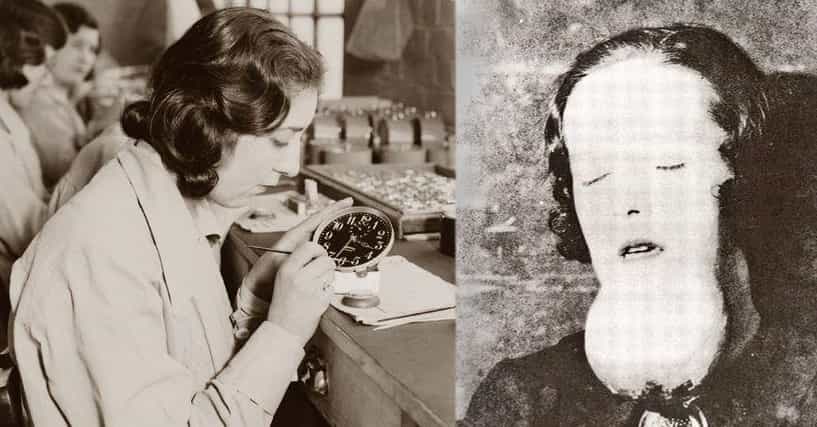
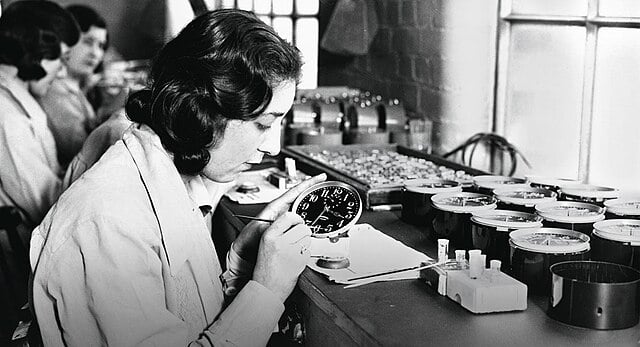
In a bid to capitalize on this fascination, companies in the United States began employing women to paint the dials of watches with radium-based paint. These women, hired primarily because of their steady hands and nimble fingers, were tasked with painting the tiny numbers on clock faces and wristwatches. The process, which required precision, led to the infamous practice of “lip-pointing”—where the workers used their lips to shape the brushes to a fine point, inadvertently ingesting radioactive particles with every stroke.
The Early Years: Glamour Meets Danger
For the women who worked in the radium factories, the job was seen as glamorous and well-paying. It was considered a step up from many other factory jobs, providing steady wages and a sense of independence. In 1916, one of the first factories to produce luminous watches opened in New Jersey, employing about 70 women. The task of applying the radium-based paint, known as Undark, was delicate and required meticulous work. The radium’s glow made the watches highly marketable, and the women who painted them were seen as artists, even listed as such in town directories.
However, these women, dubbed the “Radium Girls,” unknowingly put their health at grave risk. At the time, the dangers of radium were not understood, and the idea that exposure to radiation could cause long-term harm was not even considered. The women were told the paint was safe, as it was promoted as a “miracle product,” and were not given any protective gear, such as masks or gloves, while working with the radium.
The Deteriorating Health of the Radium Girls
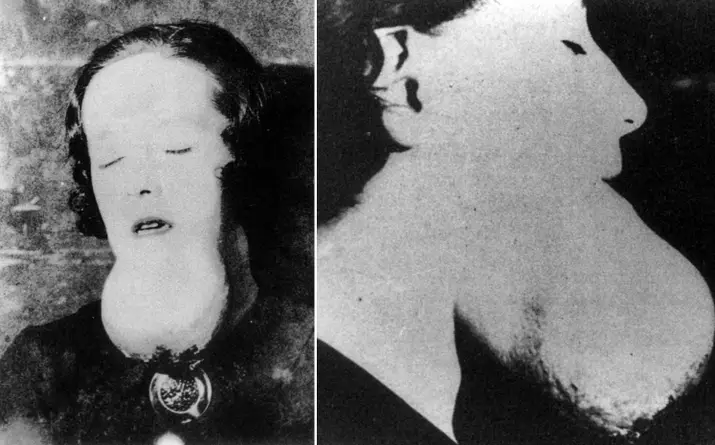
The first signs of trouble appeared in the early 1920s. The women began to suffer from unexplained symptoms like fatigue, toothaches, and general weakness. For some, these symptoms quickly escalated into more serious health issues. One of the most alarming conditions that began to appear was “radium jaw,” a painful and debilitating disease caused by the radioactive substance decaying inside the bone structure.
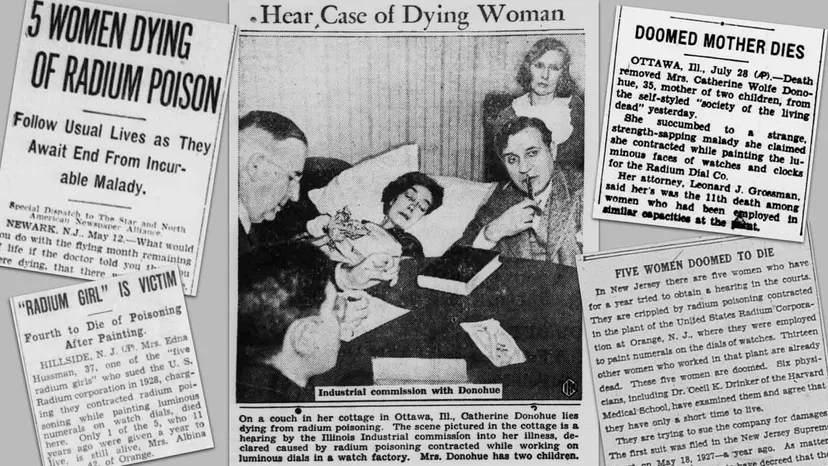
The first known death from radium poisoning occurred in 1922, when Mollie Maggia, a worker from the United States Radium Corporation, died after suffering from years of excruciating pain caused by her jawbone being slowly destroyed. Initially, her death was misattributed to syphilis, but it was later discovered that she had been suffering from the effects of radium exposure.
As the women continued to work, many more began to develop severe health problems. Their bones began to break down, their teeth fell out, and their bodies became riddled with cancerous growths. The disease was slow and agonizing, but it wasn’t until years later that anyone realized the true cause of their suffering.
Denial and Silence from the Employers
Despite the growing number of illnesses and deaths among the workers, the United States Radium Corporation did little to address the problem. Company executives continued to deny that radium was dangerous, even as their employees became gravely ill. In fact, the workers were actively encouraged to continue using the “lip-pointing” technique, which caused them to ingest even more of the radioactive substance.
The company’s resistance to acknowledging the harm caused by radium was not unusual for the time. The practice of silencing workers and denying the connection between illness and the work environment was widespread in early industrial America. But the courage of a few women who sought justice would eventually force the issue into the public eye.
The Lawsuit: A Fight for Justice
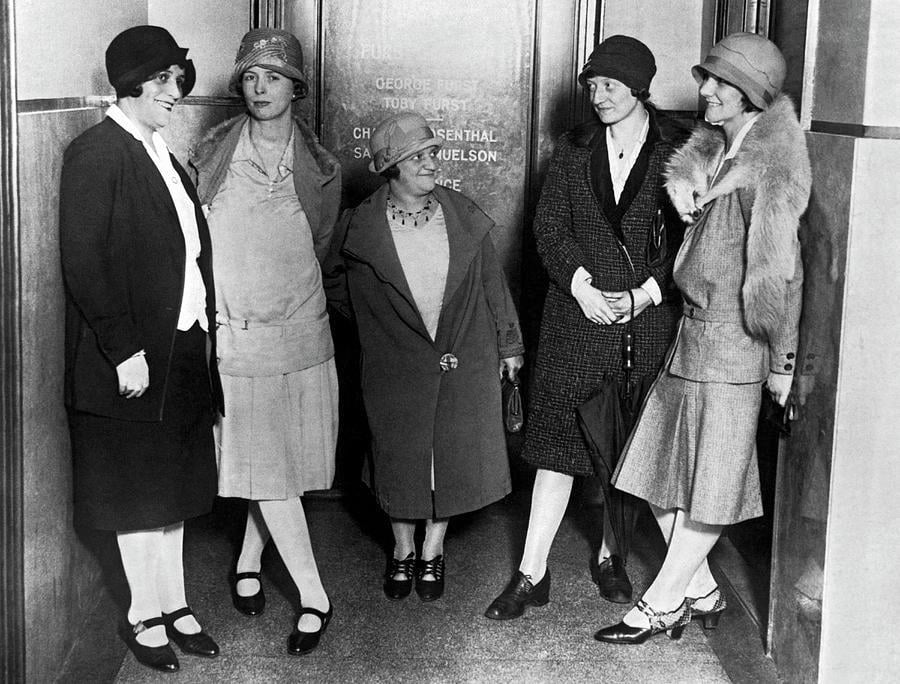
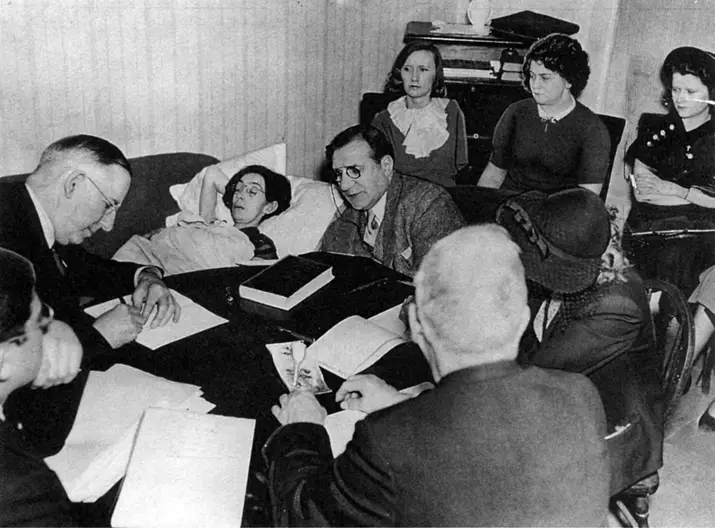
In 1925, Grace Fryer, a Radium Girl who had developed radium jaw, decided to take legal action against the company. Fryer, along with several other former workers, began to seek compensation for the injuries they had suffered. However, finding a lawyer willing to represent them was difficult, as most feared the backlash from the powerful radium industry.
It took two years for Fryer and her fellow workers to find a lawyer who would take their case. Once they did, the case became a legal and public sensation. The women filed a lawsuit in 1927, with the help of their lawyer, Raymond Berry, who was determined to expose the dangers of radium exposure.
After years of legal battles and public scrutiny, the women won their case in 1928. The company was ordered to pay compensation to the surviving Radium Girls, and the case became a landmark moment in the history of occupational health and safety law. The settlement was a significant victory, but for many of the women, it came too late to save their lives.
The Legacy of the Radium Girls
The case of the Radium Girls had far-reaching effects. It brought national attention to the dangers of radiation exposure and sparked changes in workplace safety regulations. It also led to greater awareness of the need for protective measures for workers in hazardous industries.
In the years following the lawsuit, the use of radium in consumer products, including luminous watches and clocks, was gradually phased out. The government began to regulate the use of radioactive materials, and workers were given more rights and protections. The story of the Radium Girls remains one of the most tragic and important lessons in the history of labor rights and public health.
The End of an Era
The Radium Girls’ story is a somber reminder of the dangers of industrial exploitation and the lengths to which companies will go to protect their bottom line at the expense of workers’ lives. Their bravery in fighting for justice led to significant changes in labor laws and worker protections that continue to benefit people today.
While radium-based luminous products have not been used in watches since 1968, the legacy of the Radium Girls lives on in the continued fight for workers’ rights and the protection of public health. Their story is a testament to the power of perseverance and the importance of standing up for what is right, even in the face of overwhelming odds.