
Table of Contents
- The Court Decision That Shocked Washington
- Why the Judges Used Such Powerful Language
- How Trump’s Executive Order Sparked the Conflict
- Pete Hegseth Takes Center Stage
- What the Ruling Means for Current Troops
- The Debate Over Military Readiness
- Constitutional Questions Continue to Grow
- Why the Supreme Court Could Become Involved
- America’s Cultural Divide Continues to Deepen
- What This Decision Means Going Forward
The Court Decision That Shocked Washington
The decision came from the United States Court of Appeals for the District of Columbia Circuit in a closely divided 2 to 1 ruling.
At the center of the case was a policy introduced after President Donald Trump signed an executive order shortly after returning to office. The executive order argued that transgender identity conflicted with military values, discipline, and readiness. It claimed that so called “radical gender ideology” had negatively influenced the armed forces and asserted that military service required standards incompatible with gender transition.
Following that order, Defense Secretary Pete Hegseth implemented policies that sharply restricted transgender military service. The administration argued that individuals diagnosed with gender dysphoria were generally unfit for military service and could undermine military effectiveness.
Civil rights organizations immediately challenged the policy in court, arguing that it violated constitutional protections and unfairly targeted transgender Americans based solely on gender identity.
After months of legal arguments, the appeals court largely sided with those concerns.
The majority opinion concluded that the administration appeared motivated by hostility toward transgender individuals rather than legitimate military necessity. That conclusion immediately transformed the case from a standard policy dispute into a major constitutional controversy.
Why the Judges Used Such Powerful Language
Legal experts quickly focused on the unusually forceful language contained within the court’s opinion.
The judges argued that the administration repeatedly described transgender individuals in deeply negative terms. According to the ruling, government officials portrayed transgender people as dishonest, lacking integrity, and incapable of meeting military standards of humility and discipline.
The court found those characterizations alarming.
Rather than viewing the policy as a neutral military judgment, the majority concluded that the administration relied heavily on broad assumptions and harmful stereotypes about transgender Americans.
One section of the ruling drew particular attention after the judges openly suggested that discriminatory animus motivated the restrictions.
That wording carries enormous legal implications.
Under constitutional law, courts are especially skeptical of government actions that target specific groups without compelling justification. If judges conclude that discrimination rather than legitimate policy concerns motivated a law or executive action, the government faces a much more difficult legal challenge defending it.
Several constitutional scholars described the ruling as one of the sharpest judicial rebukes yet against a major Trump administration social policy.
How Trump’s Executive Order Sparked the Conflict
The origins of the controversy trace back to the early days of Trump’s return to the White House.
Within his first week in office, the president signed an executive order targeting transgender military service. The order stated that military effectiveness depended on standards of honesty, discipline, and selflessness that the administration claimed were inconsistent with transgender identity.
Critics immediately condemned the language.
LGBTQ advocacy groups argued that the administration was portraying transgender Americans as inherently dishonest or morally deficient. Veterans organizations also warned that the policy ignored the real world experiences of transgender troops who had already served openly in the military for years.
The executive order became one of the administration’s most controversial actions almost immediately.
Supporters defended the move as necessary to protect military readiness and unit cohesion. Opponents viewed it as a direct attack on a vulnerable minority group.
The legal challenge quickly gained national attention because it touched on multiple sensitive issues at once, including constitutional equality, military authority, and transgender rights.
As the case moved through the courts, it became increasingly clear that the outcome could shape future legal battles far beyond the military itself.
Pete Hegseth Takes Center Stage
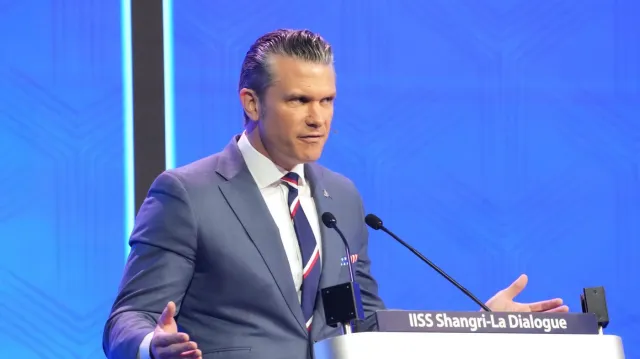
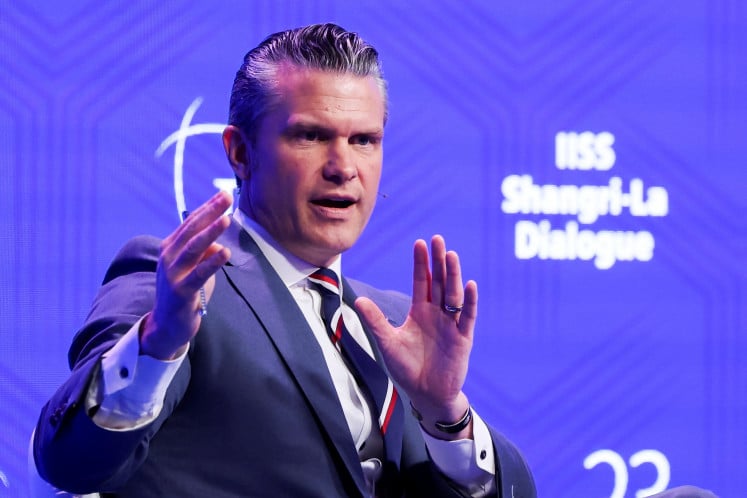
Although President Trump initiated the executive order, Defense Secretary Pete Hegseth rapidly emerged as the public face of the policy.
Before entering government, Hegseth built a reputation as a vocal conservative commentator who frequently criticized diversity initiatives within the armed forces. He argued that the military should focus exclusively on combat readiness and avoid becoming distracted by cultural or political issues.
After becoming defense secretary, Hegseth intensified those arguments.
He publicly defended restrictions on transgender service members and repeatedly claimed that military standards were being weakened by social policies introduced under previous administrations.
His comments drew strong support from conservative activists but also fierce criticism from LGBTQ organizations and veterans groups.
Critics accused Hegseth of politicizing the Pentagon and unfairly targeting transgender troops who had already demonstrated their willingness to serve.
The appeals court ruling now places Hegseth at the center of one of the administration’s most significant legal defeats.
Although the administration is expected to continue appealing the case, the decision raises difficult questions about whether the policy can survive future constitutional scrutiny.
What the Ruling Means for Current Troops
One of the most immediate consequences of the court decision involves transgender individuals already serving in the military.
The appeals court ruled that the administration cannot currently remove existing transgender service members under the challenged policy.
For thousands of military personnel, that decision brought temporary relief after months of uncertainty.
Many transgender troops feared losing careers they spent years building. Others worried about being publicly labeled unfit for service despite years of honorable military performance.
Advocacy groups described the ruling as a major victory for military personnel who volunteered to serve their country despite growing political hostility.
At the same time, the legal situation remains complicated.
The court allowed certain restrictions affecting future service members to remain in place temporarily while litigation continues. Additionally, broader legal questions surrounding the policy may eventually reach the United States Supreme Court.
As a result, uncertainty still surrounds the future of transgender military service in America.
The Debate Over Military Readiness
Supporters of the administration’s restrictions continue arguing that the issue is fundamentally about military effectiveness rather than discrimination.
Conservative commentators and some former military officials insist that the armed forces require unique standards that prioritize deployability, discipline, and operational cohesion.
They argue that courts should defer heavily to military leadership when evaluating personnel policies tied to national security.
From this perspective, the administration’s policy represents military judgment rather than prejudice.
Opponents strongly reject that argument.
Critics point to years of transgender military service without widespread evidence of operational disruption. Multiple former military leaders have stated publicly that inclusion policies did not harm military readiness or effectiveness.
The appeals court appeared more persuaded by those arguments.
According to the judges, the administration failed to provide sufficient evidence demonstrating that transgender troops created significant military problems justifying broad exclusionary policies.
That conclusion became one of the central reasons the court ruled against the administration.
Constitutional Questions Continue to Grow
Beyond the immediate political controversy, the case raises major constitutional questions that could shape future legal battles across the country.
At its core, the dispute involves whether the government can classify an entire group of people as unsuitable for military service based largely on identity related assumptions.
Courts traditionally grant presidents significant authority over military affairs. However, that authority is not unlimited.
Government actions must still comply with constitutional protections, including equal protection principles designed to prevent arbitrary discrimination.
The appeals court concluded that the administration may have crossed that constitutional line.
Legal scholars believe the case could eventually establish important precedents regarding how courts evaluate government policies involving transgender Americans.
Those precedents may influence future disputes involving healthcare, education, employment protections, and public accommodations.
That broader significance explains why the case has attracted national attention far beyond military circles.
Why the Supreme Court Could Become Involved

Because of the constitutional issues involved, many legal experts believe the dispute is ultimately heading toward the United States Supreme Court.
The administration has already signaled that it intends to continue defending the policy aggressively.
If the Supreme Court agrees to hear the case, the resulting decision could become one of the most important rulings involving transgender rights in modern American history.
The stakes are enormous.
A Supreme Court decision could define the limits of presidential authority over military policy while also shaping how constitutional protections apply to transgender Americans.
Both conservative and progressive legal organizations are already closely monitoring the case because of its potential long term consequences.
The final outcome may ultimately influence legal debates far beyond the military itself.
America’s Cultural Divide Continues to Deepen
The controversy surrounding transgender military service reflects broader political and cultural divisions unfolding across the United States.
Questions involving gender identity have increasingly become central to national debates over schools, healthcare, sports, workplace protections, and public policy.
For supporters of transgender rights, the military case represents a fundamental issue of equality and citizenship. They argue that transgender Americans willing to serve their country should not face exclusion based on identity alone.
For conservatives defending the restrictions, the issue symbolizes broader concerns about social change, military culture, and institutional standards.
The military carries deep symbolic importance in American society. Decisions involving who can serve often become larger reflections of national identity and cultural values.
That reality helps explain why the case has generated such intense public attention.
The legal battle is no longer only about military regulations. It has become part of a much larger conversation about rights, identity, constitutional power, and the future direction of American society.
What This Decision Means Going Forward
Although the appeals court ruling represents a major setback for the Trump administration, the broader legal battle remains unresolved.
The administration is expected to continue appealing the case, potentially all the way to the Supreme Court. Future rulings could either strengthen or reverse the current decision.
For now, however, the court’s opinion stands as one of the strongest judicial condemnations yet of government policies targeting transgender Americans.
The ruling also sends a broader message about constitutional accountability.
Even in areas involving military policy and national defense, courts may still intervene when government actions appear rooted in discrimination rather than evidence based decision making.
As the legal fight continues, the case will remain at the center of America’s ongoing debate over transgender rights, executive power, and constitutional equality.
Regardless of how the final outcome unfolds, the decision has already become a defining moment in one of the most emotionally charged political battles of the modern era.