
Table of Contents
- Senate Battle Over the Controversial Fund
- Political Stakes and Midterm Considerations
- Republican Frustration and Party Divisions
- Legal Challenges and Court Interventions
- Dueling Amendments and Senate “Vote-a-Rama”
- Fund Origins and Controversy
- Media Coverage and Public Reaction
- Implications for Trump and GOP Leadership
- Reflections on Governance and Oversight
- Lessons from the Senate Vote
Senate Battle Over the Controversial Fund
On Thursday, the Senate became the center of an intense debate over Trump’s payout initiative. Republicans narrowly voted down a Democratic amendment that sought to ban the fund entirely. In response, Democrats blocked a Republican amendment that would have redirected $1.7 billion to the Justice Department’s fraud division, effectively preventing its use for the payout.
The dueling amendments were attached to a reconciliation bill funding Immigration and Customs Enforcement and the Border Patrol, a high-priority initiative for Republicans. Senate Minority Leader Chuck Schumer framed his amendment as a choice for Republican senators: support Trump’s taxpayer-funded fund or protect public resources. He told the chamber, “Do you support Donald Trump’s $2-billion taxpayer-funded slush fund, or do you want to protect the American people and their paychecks?”
Political Stakes and Midterm Considerations
The debate was complicated by midterm politics. Republican senators who are not facing reelection in November were more willing to align with the president, while those up for election had to weigh constituent sentiment against party loyalty. Senators faced a balancing act: oppose Trump to signal independence or support him to maintain influence within the party.
Several senators expressed concern about the optics of voting against the fund. Republican Senator Bernie Moreno (R-Ohio) urged colleagues to reject Schumer’s amendment, warning that Democratic amendments were part of a broader strategy to derail the reconciliation bill and undermine immigration priorities. Moreno said, “We are going to fund immigration enforcement and Border Patrol, and I urge my Republican colleagues to stay united on that singular mission.”
Republican Frustration and Party Divisions
While the fund had support from many within Trump’s base, it also drew criticism from Republicans frustrated by what they saw as a misuse of taxpayer money. Some senators were vocal about their opposition to the fund, citing both ethical concerns and legal questions.
The friction intensified after Trump endorsed primary challengers against sitting Republican senators, including John Cornyn (R-Texas) and Bill Cassidy (R-La.), both of whom lost their races. Cassidy, who had also filed a court brief with Sen. Cory Booker (D-N.J.) arguing the fund circumvented Congress’ authority, became a key player in the Senate votes. He supported Tillis’ amendment that sought to restrict fund usage while opposing the Democratic ban.
Legal Challenges and Court Interventions
Legal complications surrounding the fund added urgency to the debate. A federal court had temporarily blocked any payouts, and the acting Attorney General Todd Blanche indicated the administration would halt plans to implement the fund. Yet Trump described the fund as “a beautiful thing” in interviews, leaving uncertainty about its future.
Critics argued that the fund violated constitutional principles regarding Congressional control over federal spending. Cassidy and Booker emphasized in their court filing that using executive authority to establish the fund without legislative approval was unconstitutional. They wrote, “It is an unconstitutional attempt to spend the People’s money without Congressional approval.” These legal questions framed much of the Senate debate.
Dueling Amendments and Senate “Vote-a-Rama”
The Senate votes occurred during a marathon “vote-a-rama,” in which lawmakers proposed numerous amendments to the immigration funding bill. After Schumer’s initial amendment to ban the fund stalled due to deliberations among key Republican senators, Tillis quickly proposed an alternative amendment. This measure sought to prohibit federal money from funding the payout but allowed $1.7 billion to go to the Justice Department instead.
Senator Jeff Merkley (D-Ore.) warned that the Tillis proposal would create “a new slush fund” controlled by the Attorney General, arguing that the measure failed to eliminate the underlying issue. These procedural maneuvers underscored the complexity of legislative negotiations, where political strategy and legal constraints intersect.
Fund Origins and Controversy
The $1.8-billion payout fund originated from a settlement related to Trump’s lawsuit against the Internal Revenue Service over leaked tax returns. Trump and his sons agreed to drop the suit in exchange for the creation of the fund. From the outset, critics questioned the purpose of the fund, seeing it as a potential mechanism to reward political allies, including individuals linked to the January 6, 2021, Capitol attack.
The Senate debate revealed the deep political stakes. Supporters framed the fund as a legitimate avenue to compensate citizens harmed by government actions. Opponents viewed it as a diversion of public funds for partisan benefit. The controversy has added to a series of challenges facing Trump, including a House vote restricting his war powers in Iran and a court ruling removing his name from the Kennedy Center.
Media Coverage and Public Reaction
The Senate votes drew widespread media attention. News outlets highlighted the narrow margins and the procedural complexities that allowed the fund to remain in limbo. Analysts suggested the controversy could influence voter sentiment, particularly among independents and moderate Republicans.
Public reaction has been polarized. Supporters of the fund argue it addresses grievances from those affected by federal policies, while critics decry it as a misuse of taxpayer money. Social media amplified these debates, with users expressing outrage, humor, and disbelief at the political maneuvering in the Senate.
Implications for Trump and GOP Leadership
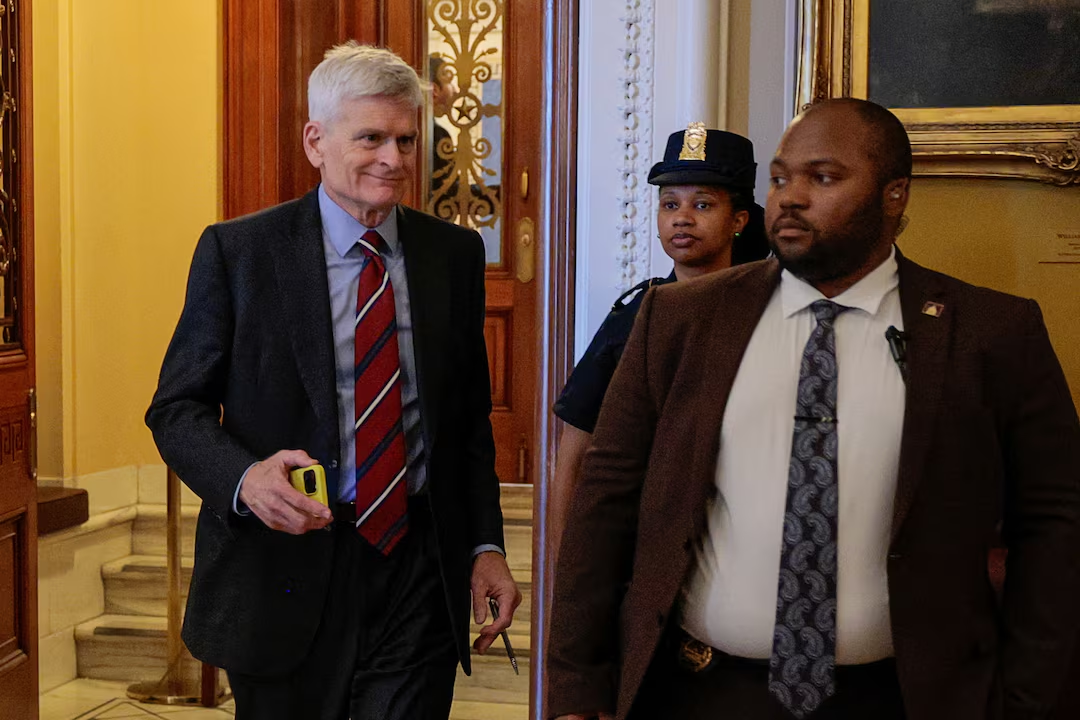
The Senate episode demonstrated both the strength and limitations of Trump’s influence within the Republican Party. While many Republicans supported measures aligned with his interests, dissenting voices highlighted internal tensions and growing scrutiny of executive overreach. Senators had to navigate constituent preferences, party loyalty, and legal accountability, illustrating the complex calculus of modern American politics.
For Trump, the fund controversy represents another chapter in a string of political challenges. Beyond legislative battles, his low approval rating and ongoing economic concerns contribute to a precarious position ahead of midterm elections. The fund, initially portrayed as a strategic payout mechanism, now symbolizes both partisan divisions and public skepticism.
Reflections on Governance and Oversight
The Senate votes raise broader questions about oversight and executive authority. Can a president establish a large-scale payout without explicit Congressional approval? How do partisan dynamics shape the use of federal funds? These issues are central to understanding the balance of power in Washington, where legal, political, and ethical considerations converge.
Observers note that the episode underscores the importance of transparency, accountability, and institutional checks. The dueling amendments, court challenges, and public debate illustrate a system attempting to navigate competing interests while maintaining constitutional principles.
Lessons from the Senate Vote
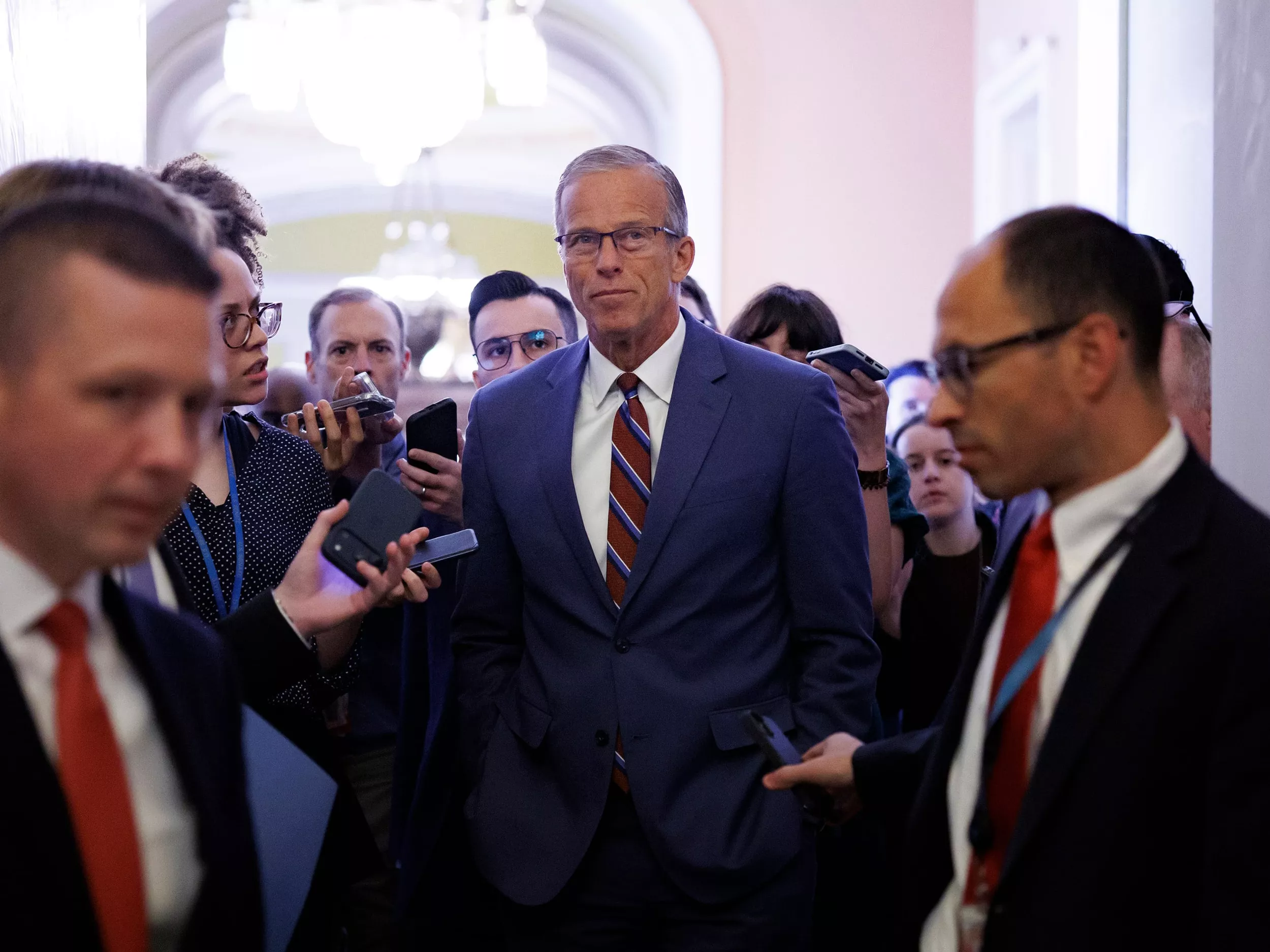
The Senate’s rejection of measures to ban or redirect Trump’s $1.8-billion fund highlights the ongoing tension between executive authority, legislative oversight, and partisan politics. The votes reveal both the resilience of Trump’s influence within the GOP and the limits of dissent within a deeply polarized environment.
Moving forward, the fate of the fund remains uncertain, shaped by legal challenges, public opinion, and ongoing negotiations in Congress. The episode offers a case study in modern governance, illustrating how political strategy, judicial review, and public scrutiny interact in shaping policy outcomes. For Trump, his party, and the nation, the Senate votes serve as a reminder of the complexities inherent in balancing authority, accountability, and public trust.
The story of the $1.8-billion fund will continue to unfold, with implications for upcoming elections, legislative priorities, and the broader discourse on executive power. As the nation watches, the controversy reinforces the dynamic and often contentious nature of American democracy.