
Table of Contents
- The Context of Presidential Visibility
- The Medical Report and Its Limitations
- Public Absence and Media Speculation
- Comparison to Past Presidents
- Political Implications and Timing
- Addressing Conspiracies and Hoaxes
- Daily Operations and Behind-the-Scenes Activity
- Health Observations in Context
- Public Perception and Scrutiny
- Implications for Leadership and Transparency
The Context of Presidential Visibility
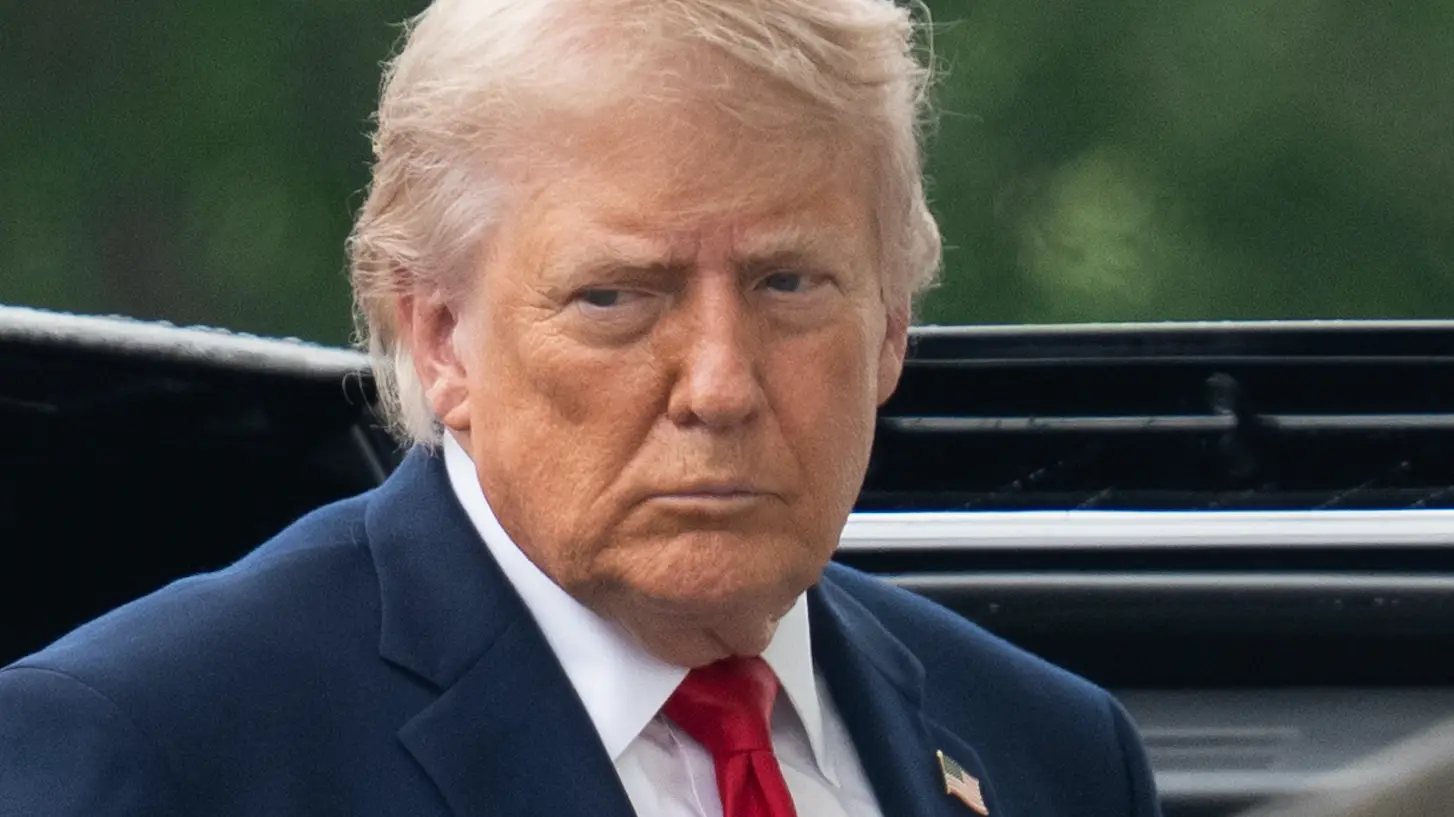
Few roles in the world demand as much public visibility as the President of the United States. Every day involves meetings, briefings, and interactions that place the president in the public eye. Journalist Aaron Rupar noted that Trump’s last public engagement had been a Cabinet meeting on May 27, the day after his medical check-up. Since then, the 79-year-old president had not participated in a live public event, prompting questions about his day-to-day activities and health.
Trump has consistently emphasized his vitality, claiming that he feels as well as he did 50 years ago. Dr. Sean Barbabella, who conducted the examination, noted that the president scored top marks on a cognitive impairment test and demonstrated “strong cardiac, pulmonary, neurological, and overall physical function” for a man his age. Despite these reassurances, some medical experts warned that the report lacked detailed data necessary to fully assess his health.
The Medical Report and Its Limitations
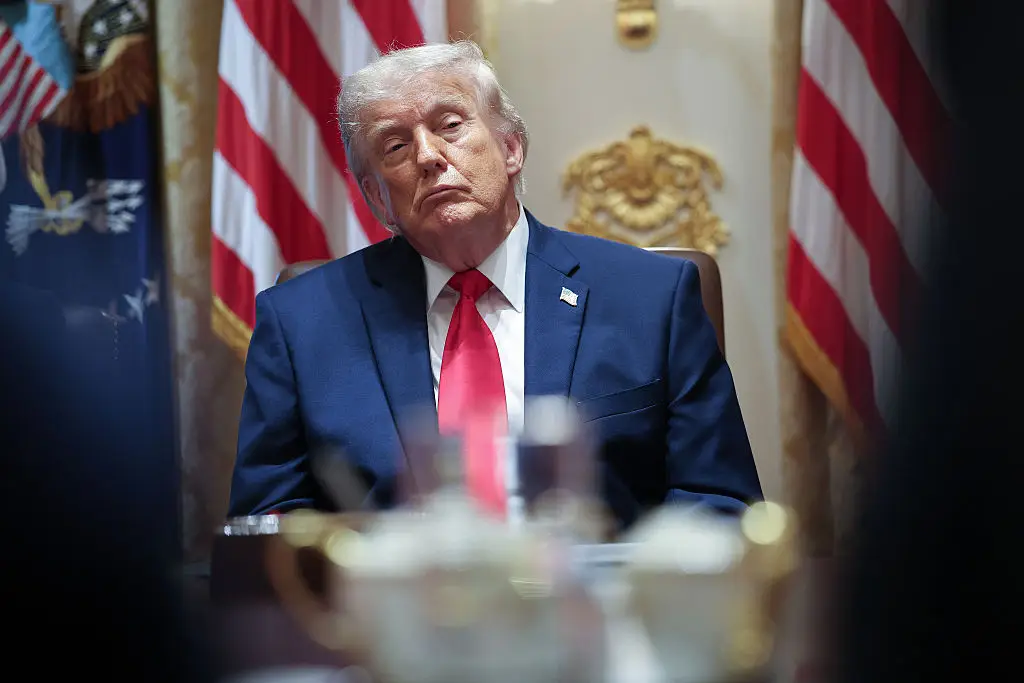
Trump’s recent medical evaluation was generally positive. However, it did include minor findings, such as soft tissue irritation on his hands, which the administration attributed to frequent handshakes. In addition, the report noted visible bruising on his hands, reportedly caused by a combination of frequent physical contact and aspirin taken for heart health.
Other physicians, including those consulted by the Wall Street Journal, expressed concerns that the summary lacked granular information. While it affirmed overall fitness, the absence of detailed test results left room for speculation. These gaps are particularly sensitive given Trump’s position as the oldest president in U.S. history to serve a second term. With his 80th birthday approaching, scrutiny on his health and capability has intensified.
Public Absence and Media Speculation
Trump’s week-long absence from public events led to a surge of speculation across social media platforms. Past incidents, where he temporarily disappeared from view, have occasionally triggered hoaxes suggesting he had died. However, these claims have consistently been debunked when the president resurfaced.
As of June 1, Trump had conducted a phone call with Israeli Prime Minister Benjamin Netanyahu, demonstrating that he remained active in diplomatic affairs. Reports indicated that during the call, the president’s remarks were notably blunt, showcasing his continued engagement in foreign policy. The interaction confirmed that, despite public absence, Trump maintained the duties of the office behind closed doors.
Comparison to Past Presidents
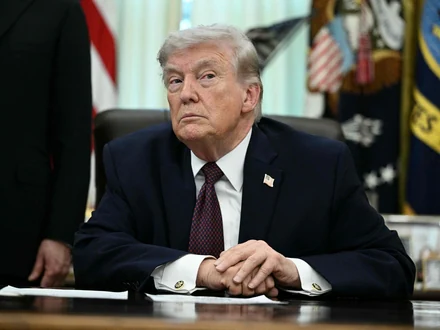
Scrutiny over Trump’s absence is partly contextualized by his frequent criticism of previous leaders, particularly regarding age and health. He often questioned Joe Biden’s mental and physical fitness during campaigns, making public visibility and medical transparency central themes in his political messaging. As such, the current focus on Trump’s schedule reflects the expectations he himself had set, reinforcing the media and public tendency to closely monitor every move.
The combination of age, prior medical history, and political visibility creates a heightened sense of concern. Trump’s chronic venous insufficiency, diagnosed last year, continues to require treatment, adding another layer to public discussion about his health maintenance.
Political Implications and Timing
Beyond health concerns, Trump’s absence has political implications. A temporary hiatus from public events can affect public perception, media narratives, and electoral dynamics. With midterms approaching and policy decisions in progress, questions about the president’s capacity to lead become increasingly consequential. Analysts note that visibility matters not just for optics but for signaling active governance to both allies and opponents.
Moreover, the timing of the absence coincides with the president’s approach to a milestone birthday, creating symbolic and practical concerns. Age and health are central elements of leadership assessment, and even minor deviations from public schedule invite scrutiny.
Addressing Conspiracies and Hoaxes
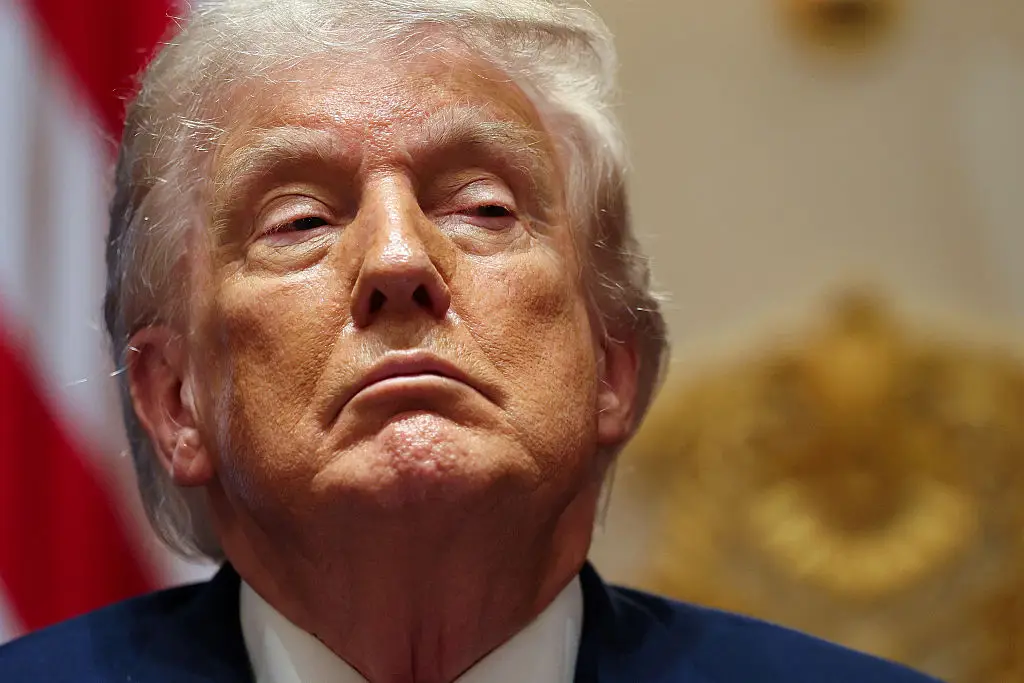
Throughout the week, social media has been rife with speculation ranging from health concerns to conspiracy theories suggesting Trump’s disappearance is sinister or unprecedented. White House officials have pushed back vigorously, emphasizing ongoing work behind the scenes, including interviews, communications, and scheduled press events.
A White House statement clarified, “President Trump just participated in a 45-minute wide-ranging interview yesterday, and he will be holding open press events tomorrow and Friday. Anyone using the President’s schedule to push left-wing conspiracies is a grade-A moron.” The administration’s tone reflects frustration with misinformation while highlighting the president’s continuing engagement.
Daily Operations and Behind-the-Scenes Activity
Despite public absence, Trump’s office confirms that routine presidential responsibilities continue. Policy discussions, executive decision-making, and diplomatic communications occur daily, often away from cameras. This hidden work underscores the distinction between visibility and activity; a president may be performing vital functions without public fanfare.
For example, interactions like the phone call with Netanyahu demonstrate active international engagement. Such activities counter claims that public absence necessarily equates to incapacity or ill health. They also illustrate how political communication strategies can influence perception, as selective disclosure shapes public narratives.
Health Observations in Context
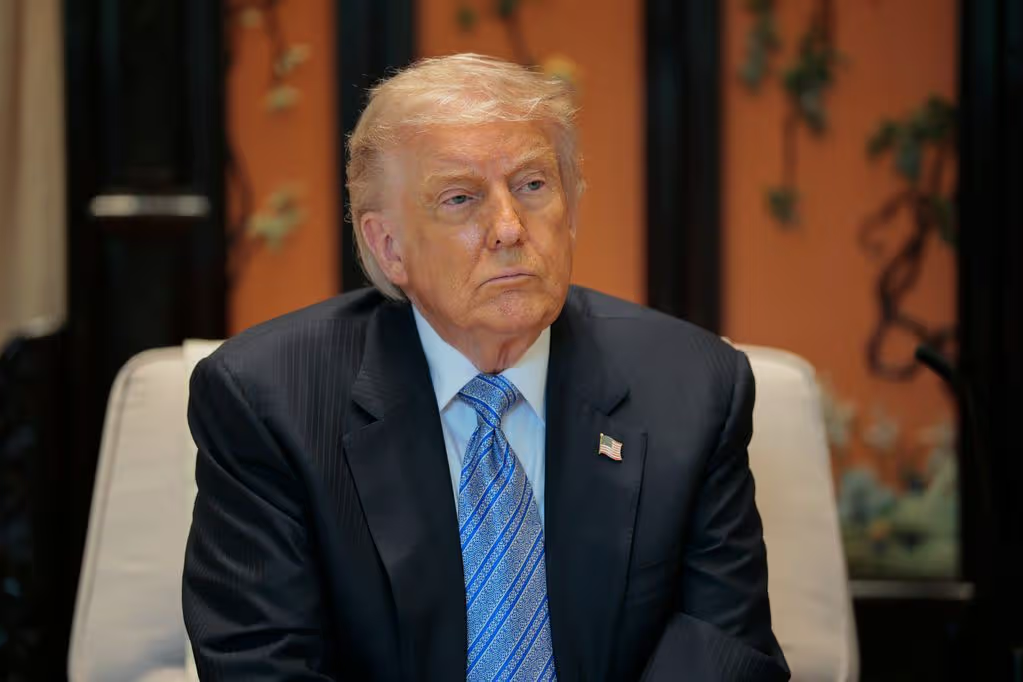
Medical considerations remain central. Bruising and soft tissue irritation, while minor, receive outsized attention due to Trump’s high-profile role and age. Experts suggest that cardiovascular medications, combined with physical activity, can contribute to visible bruising. The White House has emphasized these findings are routine and not indicative of broader health issues.
Further, cognitive assessments and cardiac evaluations reinforce that Trump’s medical team considers him fit to perform presidential duties. Nonetheless, the media and public scrutiny are unlikely to diminish, particularly with previous history of hoaxes and ongoing political polarization.
Public Perception and Scrutiny
Public reactions vary. Supporters argue that temporary absences are normal and that private work is often more consequential than staged appearances. Critics assert that lack of visibility, combined with age, raises legitimate questions about capacity to govern. Political commentators note that in a hyper-connected media environment, even brief absences generate intense scrutiny and speculation.
Social media amplifies these dynamics. Hashtags, opinion threads, and news commentary quickly shape perception, influencing public discussion and potentially impacting political narratives. In this sense, absence from public view carries symbolic weight, beyond mere operational considerations.
Implications for Leadership and Transparency
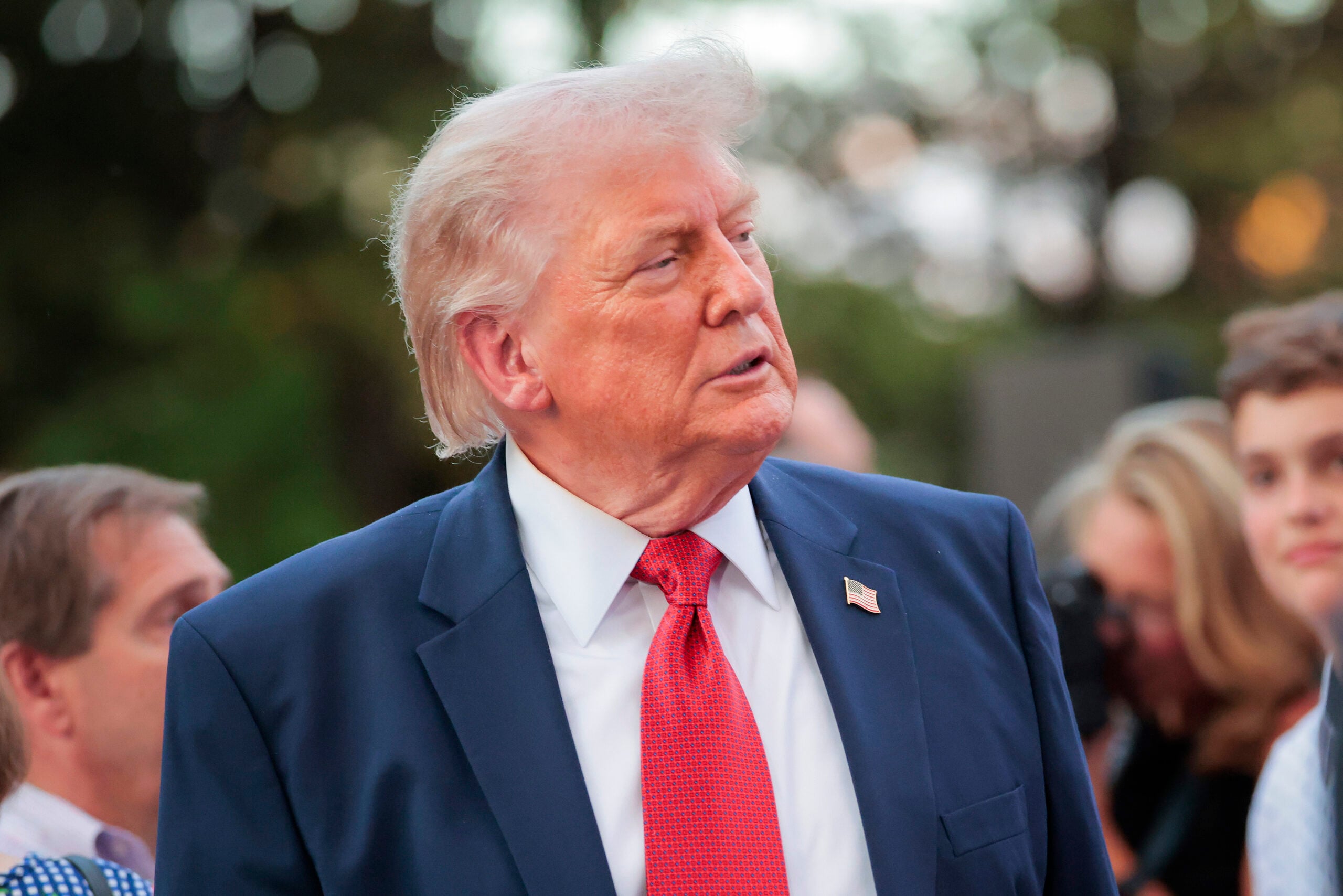
Donald Trump’s six-day absence from public engagements highlights the complex interplay between health, visibility, and leadership perception. While official medical reports affirm his overall fitness, gaps in data and minor medical observations have fueled speculation.
As he approaches his 80th birthday, Trump’s public presence—or lack thereof—will remain a focal point for journalists, political analysts, and voters alike. The episode underscores how scrutiny of executive leaders blends medical assessment, political optics, and public perception. Ultimately, the story reveals that in today’s media-driven political landscape, even short periods out of public view can become matters of national debate, influencing narratives, confidence, and discourse surrounding leadership capacity.
For now, Trump continues to perform presidential duties, demonstrating that behind-the-scenes activity can maintain continuity of governance even when public appearances are limited. Yet, the situation offers broader lessons about transparency, media management, and the role of age in public service, raising questions that are likely to persist in the weeks ahead.