
Table of Contents
- Trump’s Approval Rating Hits Record Low
- The Tension Between Trump and Leavitt
- The Press Secretary’s Maternity Leave
- Trump’s Ongoing Struggles With Public Perception
- Leavitt’s Role as Press Secretary
- The Fallout From Trump’s Remarks
- The Role of Media and Public Opinion in Politics
- The Impact of Trump’s Criticism on Leavitt and the Administration
Trump’s Approval Rating Hits Record Low
The ongoing fallout from President Trump’s handling of the Iran war has left a noticeable mark on his public image. A recent report from Silver Bulletin revealed that Trump’s approval rating has sunk to an alarming -16.7%, down from -13.9% just two weeks ago. Despite his claims of success in the ongoing Iran conflict, public opinion remains increasingly critical. Trump’s efforts to showcase the U.S. as the leader in this geopolitical struggle have failed to convince a significant portion of the electorate, and his approval rating continues to slide as critics gain momentum.
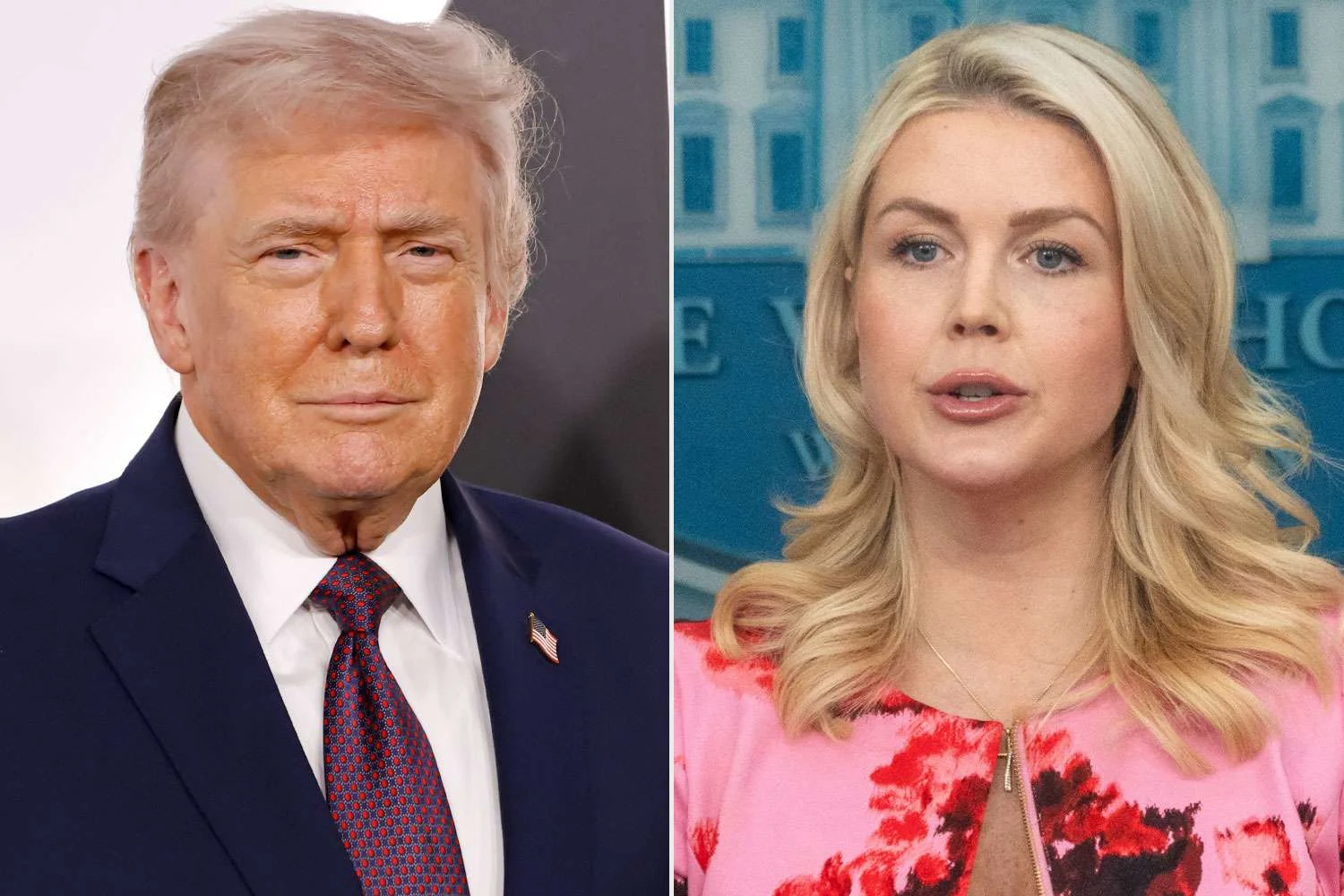
Trump’s rhetoric, which frames the war as a victory for the U.S., is met with skepticism, especially as reports about the economic and social costs of the conflict gain traction. His efforts to downplay the negative effects of the war are at odds with the opinions of many American citizens, who view the situation with concern. In an attempt to shift blame for the ongoing criticism, Trump directed his frustration toward Karoline Leavitt, his 28-year-old press secretary, an unusual move that caught the attention of both media and political insiders.
The Tension Between Trump and Leavitt
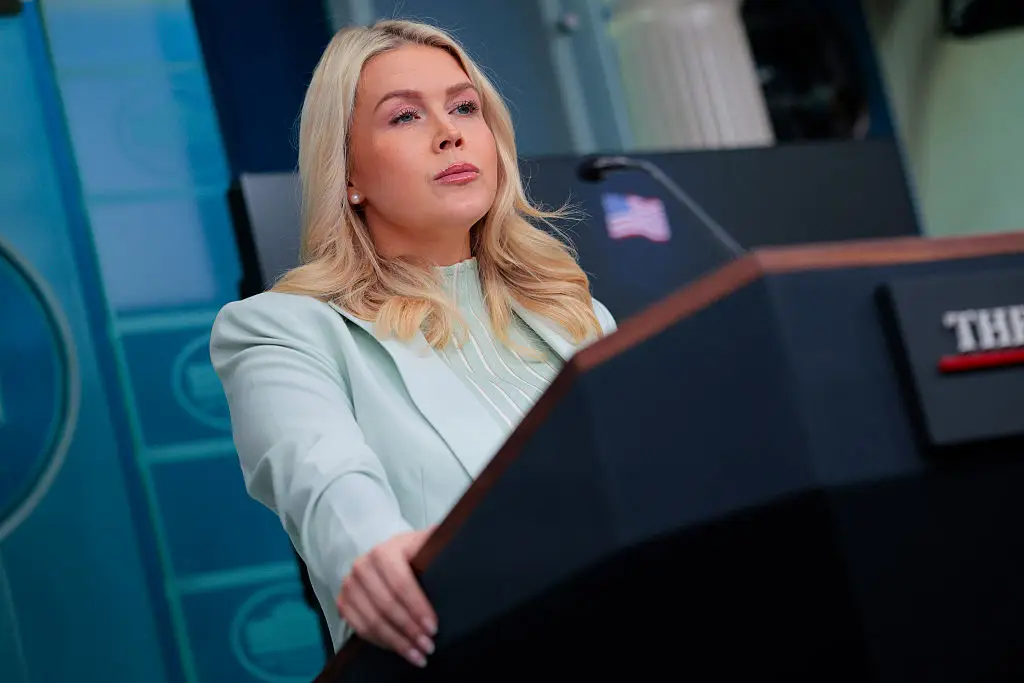
During a session with reporters at the Oval Office, Trump took a moment to comment on the state of his media coverage. In a pointed statement, he told reporters that his 2024 election publicity was “93% bad,” with some estimates even suggesting the figure might be as high as 97%. It was at this moment that he turned to Leavitt, implying that the poor publicity could be her fault. “Maybe Karoline’s doing a poor job, I don’t know,” he said, before adding, “You’re doing a terrible job.”
Despite the harsh words, it was clear that Trump was attempting to inject humor into the situation. In a more light-hearted tone, he asked, “Shall we keep her? I think we’ll keep her.” The comment was made with a grin, signaling that it wasn’t meant to be taken too seriously. Still, the underlying criticism seemed to be a pointed jab at Leavitt, a new addition to the White House press team. This was not the first time Trump had expressed dissatisfaction with his press secretary’s performance, but it marked the most public and direct critique.
The Press Secretary’s Maternity Leave
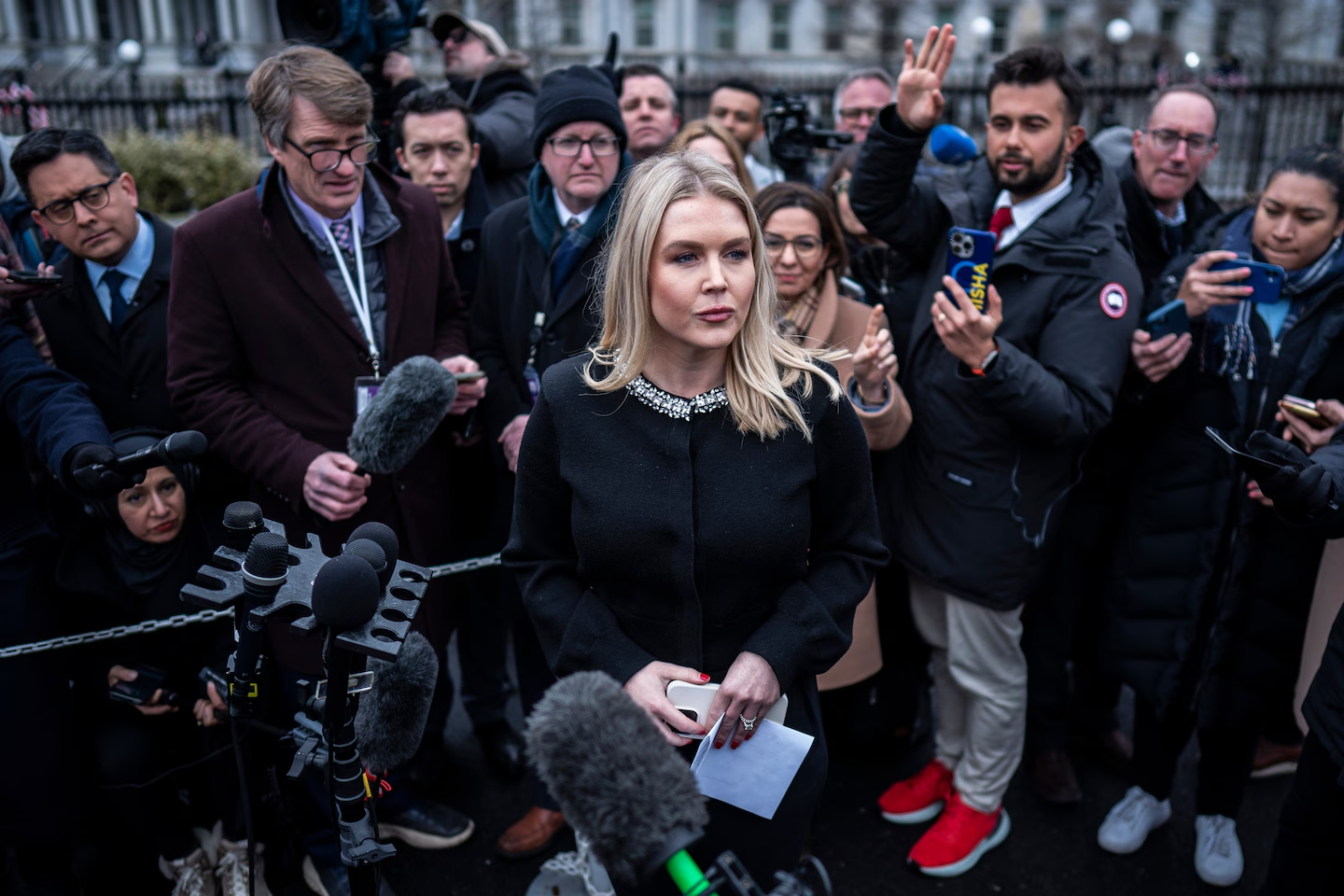
Leavitt, who is soon to go on maternity leave, was caught off guard by Trump’s remarks. She is set to welcome her second child next month, and the timing of Trump’s comments has raised eyebrows among political observers. Some speculate that Trump may have been attempting to make light of the situation, but his words have only added more pressure to an already tense environment. For Leavitt, who has been under the microscope for her handling of the press, this public moment of criticism could have lasting implications for her role in the White House.
As Leavitt prepares for her maternity leave, questions have arisen about her future with the administration. Will she return to the job after her time off, or will the criticism from Trump lead to a reshuffling of the White House communications team? Given the high-profile nature of her role, her departure—whether temporary or permanent—could have a significant impact on the administration’s ability to manage media relations during a critical election period.
Trump’s Ongoing Struggles With Public Perception
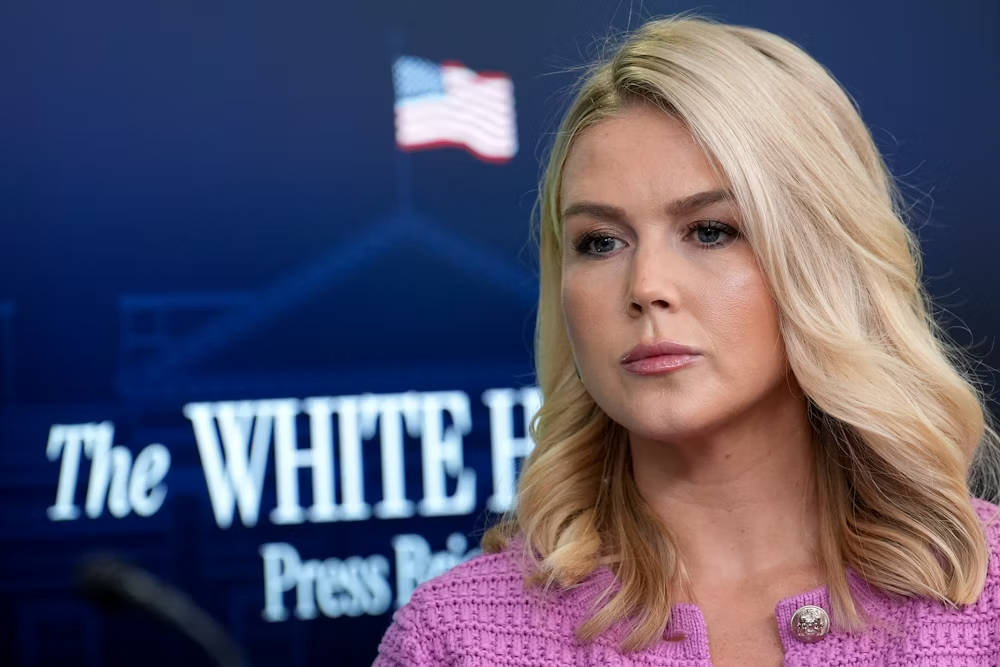
The public feud between Trump and Leavitt is symptomatic of a larger issue that has plagued the Trump administration: the struggle to manage public perception. From early on in his presidency, Trump’s media coverage has been a battleground. His combative relationship with the press has often led to negative portrayals, and despite his attempts to fight back, the president has found it difficult to control the narrative. The ongoing battles over the media’s coverage of the Iran war, combined with the negative public opinion of his handling of the situation, have only deepened his credibility issues.
Trump’s attempt to blame Leavitt for his publicity woes also highlights the growing pressure within the administration to produce more favorable media coverage. As the election cycle ramps up, Trump will need to navigate a delicate balance between defending his policies and addressing the media’s scrutiny. The challenge will be even more complicated as his approval ratings continue to slip.
Leavitt’s Role as Press Secretary
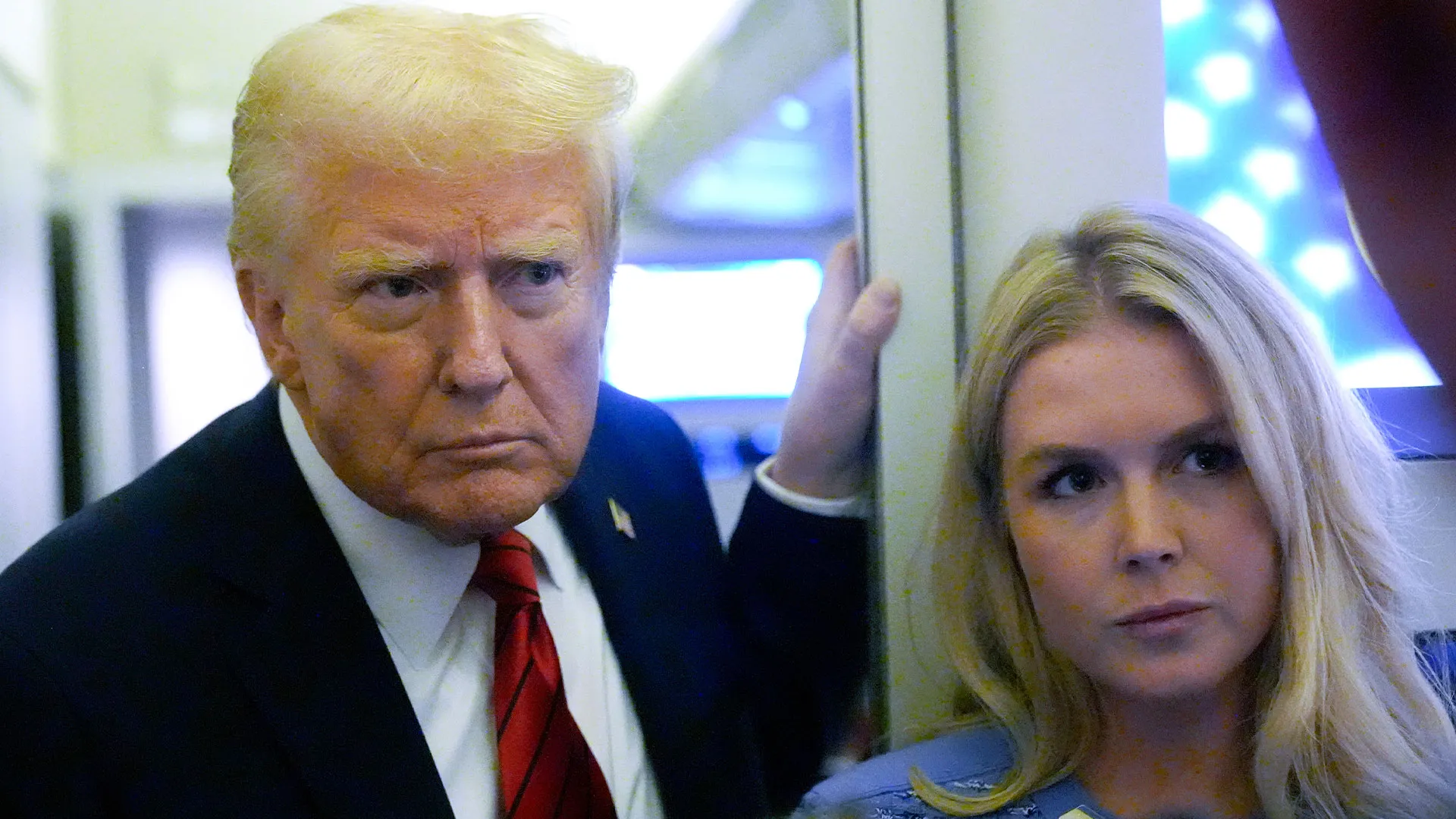
Leavitt’s time as press secretary has been marked by high expectations and mounting pressure. Hired to replace Stephanie Grisham, Leavitt’s role was always going to be a tough one. She was tasked with navigating the difficult task of presenting a unified message from an administration that has faced relentless media scrutiny. From the start, her ability to manage the media and control the narrative was always going to be under close examination.
However, the public criticism from Trump raises questions about whether Leavitt’s position within the administration is secure. While her handling of press briefings and media relations has been praised by some, the administration’s ongoing struggles with public approval may have overshadowed her efforts. If Trump’s approval ratings continue to decline, it will be difficult for Leavitt to deflect blame, regardless of the circumstances.
The Fallout From Trump’s Remarks
While Trump’s remarks about Leavitt may have been intended as a joke, the fallout from his comments could have wider implications. Political insiders have noted that the incident could serve to further erode the public’s trust in the White House’s communication team. With Trump’s approval ratings in freefall, every misstep—whether from the president or his press secretary—becomes a point of scrutiny. Leavitt’s handling of this situation will be critical in determining whether she remains a central figure in the Trump administration or if a change in personnel is needed.
Furthermore, the public’s perception of Trump’s leadership style may be influenced by how this situation unfolds. Trump has long been known for his brashness and unpredictable behavior, but as the 2024 election looms, it remains to be seen whether these traits will serve him well or further damage his credibility.
The Role of Media and Public Opinion in Politics
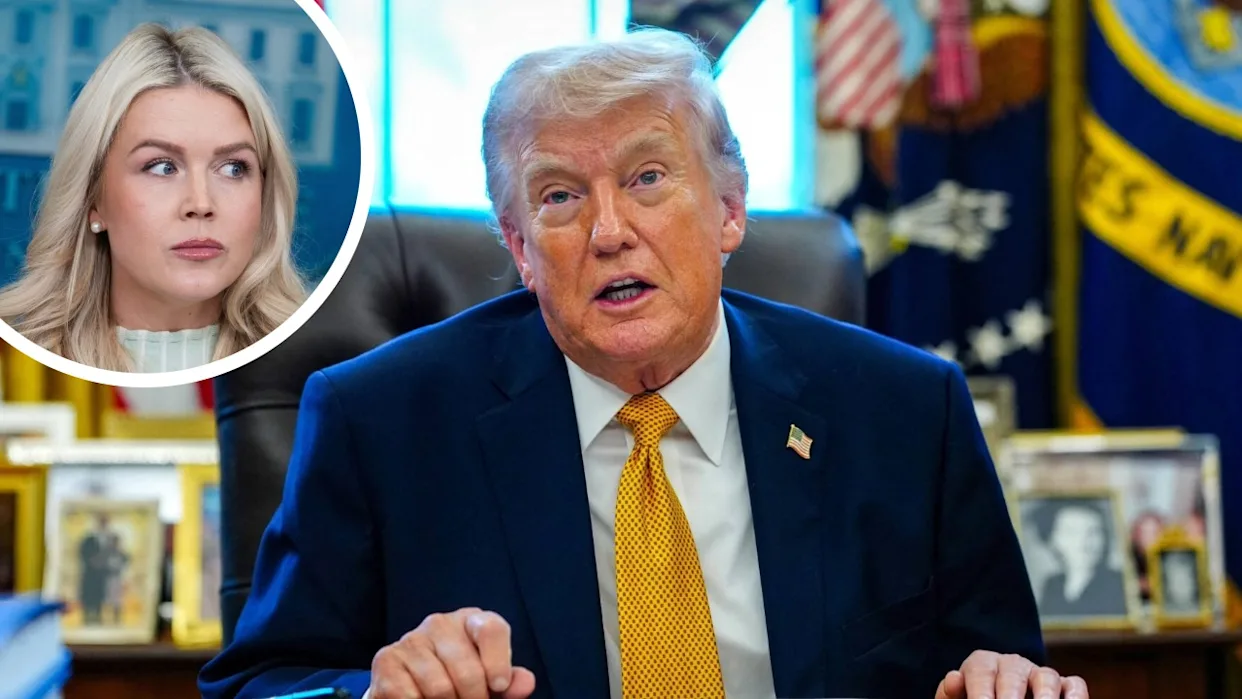
Trump’s comments about Leavitt also underscore the significant role that media and public opinion play in shaping the political landscape. As Trump battles with declining approval ratings, it is clear that public perception will be crucial to his chances in the 2024 election. While Trump has repeatedly claimed that his approval ratings are inaccurate and manipulated, the reality is that negative media coverage can have a profound impact on a politician’s standing. In an era of instant news and social media, the public’s perception of political figures can shift quickly, and Trump’s ability to manage this perception will be key to his future success.
The Impact of Trump’s Criticism on Leavitt and the Administration
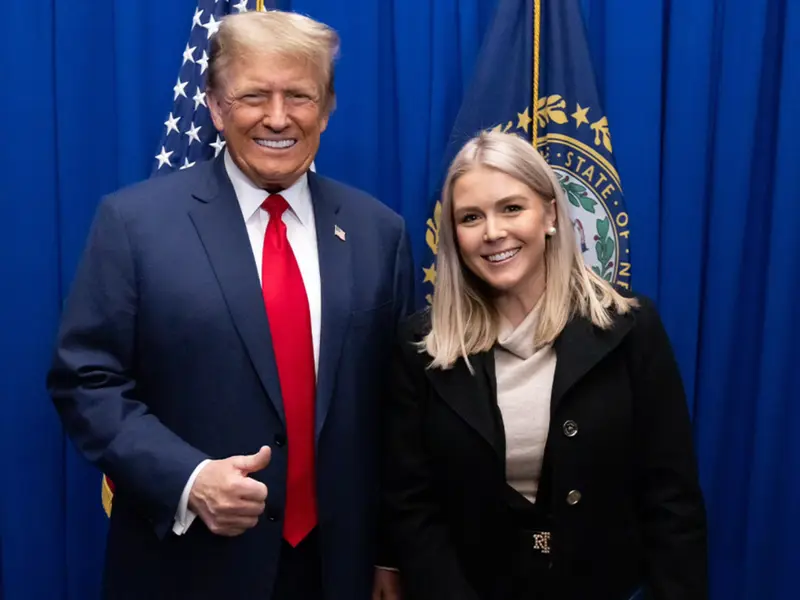
The feud between Trump and Leavitt is just one example of the ongoing struggles within the Trump administration to maintain favorable media coverage. As Trump’s approval ratings continue to decline, the pressure on Leavitt and other members of the administration will only intensify. The president’s ability to manage public opinion and control the media narrative will be crucial as he prepares for the 2024 election. Whether Leavitt will remain a part of the administration or if changes will be made remains to be seen, but the incident has highlighted the difficult position the press secretary finds herself in as she prepares for maternity leave.