
Table of Contents
- The Controversial Image and Trump’s Explanation
- The Pope and Trump’s Continuing Conflict
- Mixed Reactions to Trump’s Post
- JD Vance’s Defense of Trump
- A Pattern of Controversy on Social Media
- The Bigger Picture: Trump’s Relationship with Religion
- Impact on Trump’s Support Base
- What Does This Mean for Trump’s Future?
- A President Divided
The Controversial Image and Trump’s Explanation
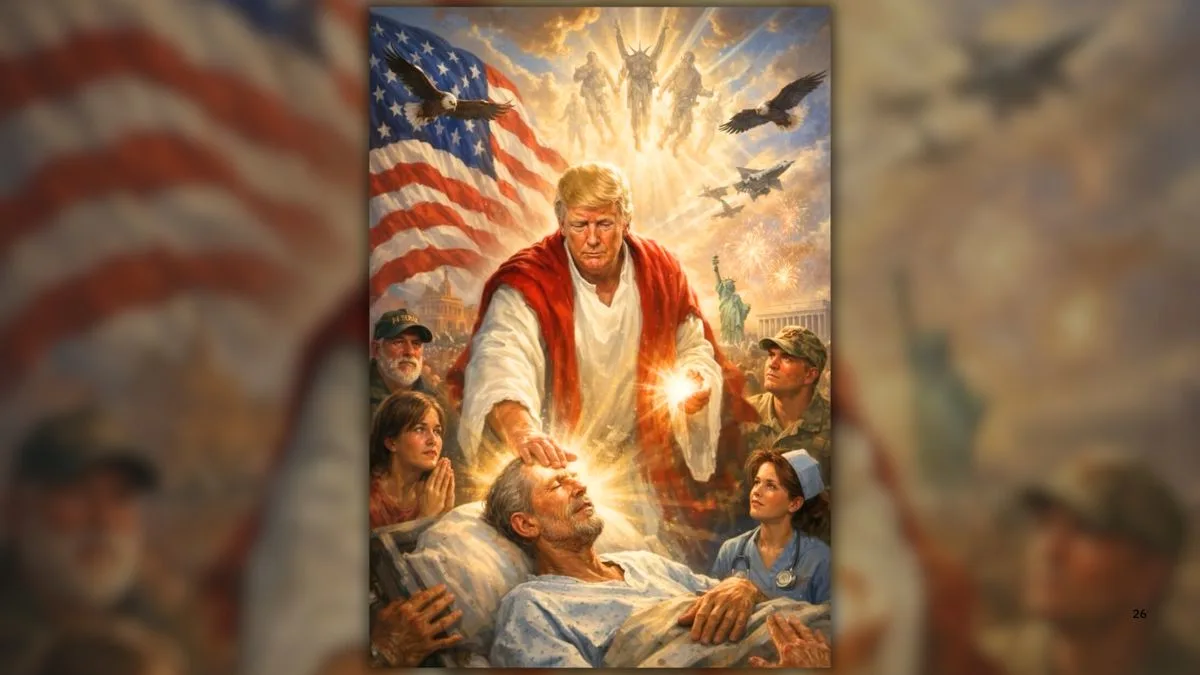
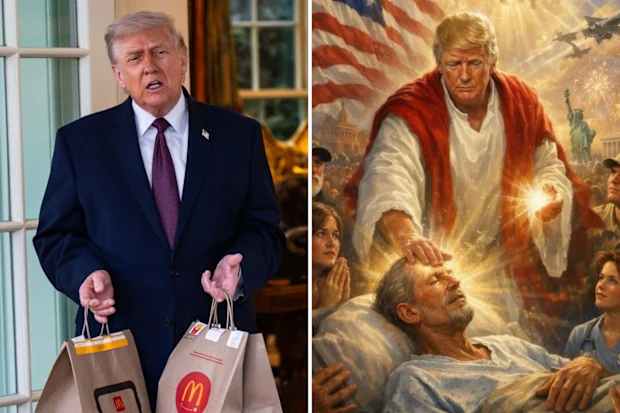
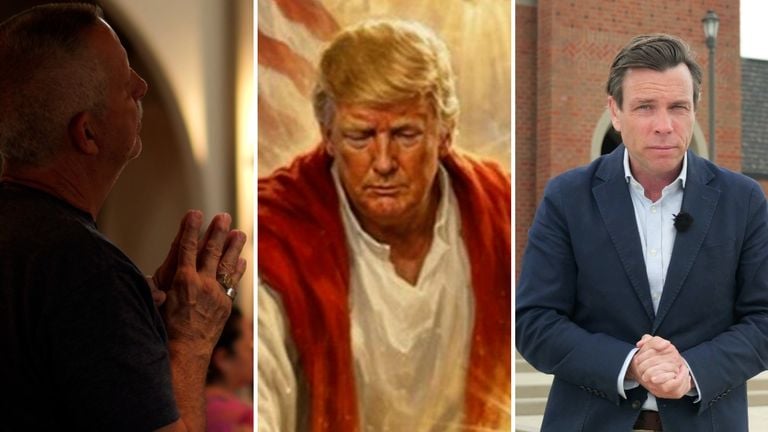
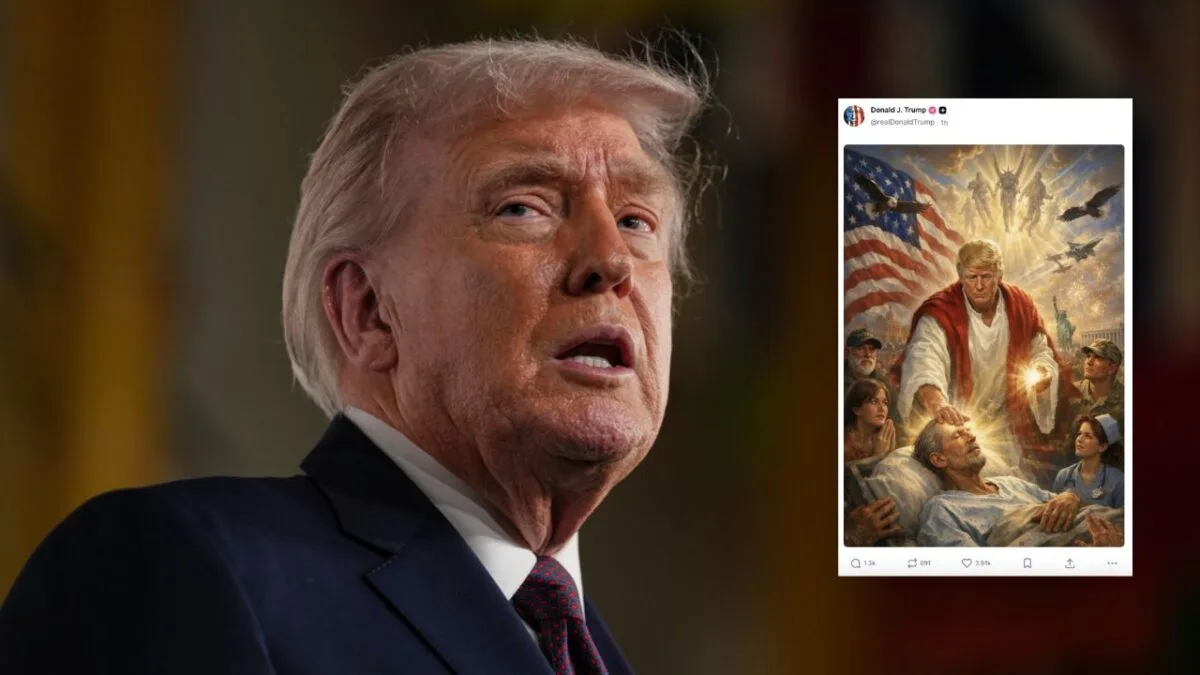
The image that started the uproar was posted by Trump on his Truth Social platform on Sunday. It depicted him in a pose reminiscent of traditional religious iconography, with the President dressed in flowing white and red robes, a gesture of healing reminiscent of Christ. The image quickly went viral, triggering widespread criticism from both his opponents and some of his supporters.
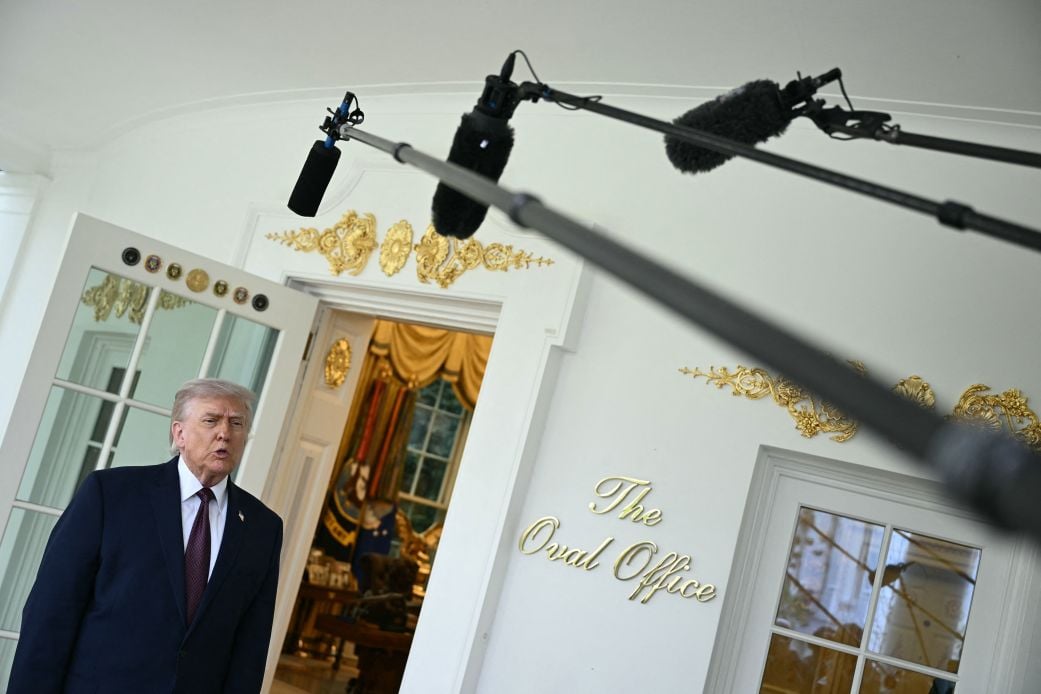
In a rare move, Trump deleted the post the following morning. Speaking to reporters outside the West Wing, he defended the image, claiming he had mistaken it for an illustration of himself as a doctor. “I thought it was me as a doctor and had to do with Red Cross,” Trump said. “It’s supposed to be me as a doctor making people better. And I do make people better.”
Despite his explanation, the damage had already been done. Many saw the image as inappropriate and disrespectful, especially from a public figure like Trump, who has a complicated relationship with religion and often courts controversy with his remarks.
The Pope and Trump’s Continuing Conflict
While Trump deleted the Jesus image, he stood by another more contentious social media post, where he slammed Pope Leo XIV as “weak on crime” and accused him of “catering to the Radical Left.” This remark, which directly attacked the Pope’s stance on the U.S.-Israel war with Iran, is part of a broader ongoing feud between the two.
The Pope first caught Trump’s ire last year over comments he made about Trump’s controversial immigration policies, particularly the mass deportations of undocumented migrants. But the tension between the two leaders has escalated in recent months, particularly after Pope Leo XIV called for peace talks between the U.S. and Iran. This was viewed by Trump as a challenge to his administration’s aggressive stance, further stoking the fire between them.
Despite the uproar over the Jesus post, Trump refused to back down regarding his comments about the Pope. When pressed about whether he would apologize for his criticisms, Trump was resolute. “Pope Leo said things that are wrong,” he stated. “We believe strongly in law and order, and he seemed to have a problem with that, so there’s nothing to apologize for.”
Mixed Reactions to Trump’s Post
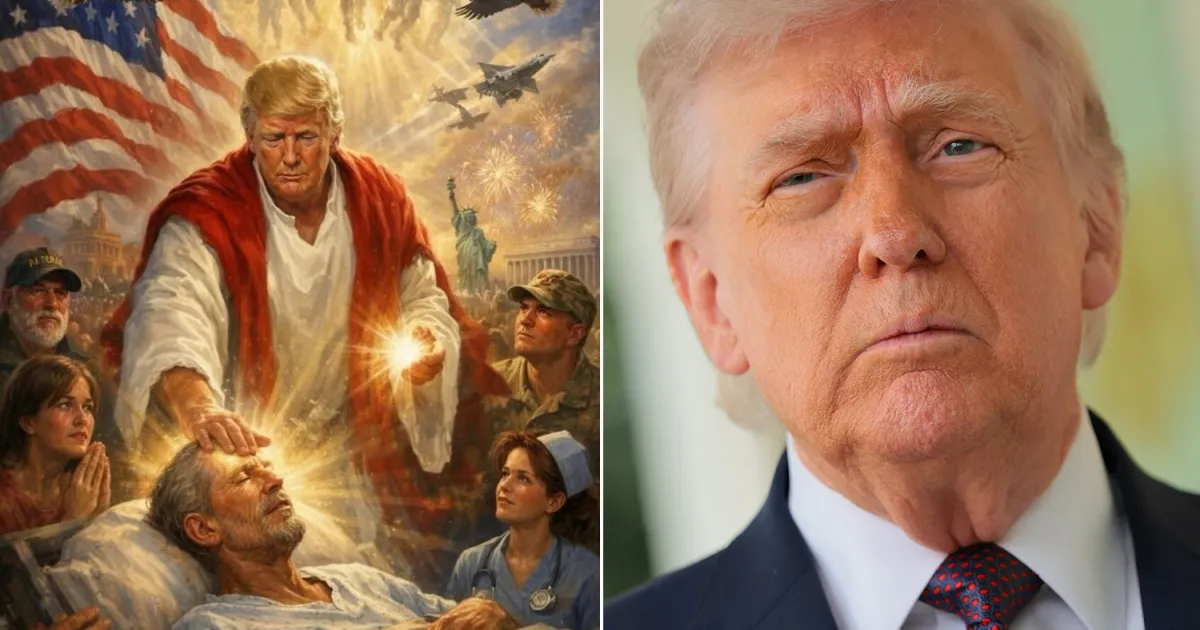
While Trump has often used social media to fuel controversy, the backlash to this particular post was unusual. The image of Trump as Jesus drew widespread condemnation, including from conservative commentators who saw it as disrespectful to Christian values.
Riley Gaines, a conservative activist who has supported Trump’s restrictive policies on transgender athletes, voiced her disapproval on social media, saying, “I cannot understand why he’d post this. Either way, two things are true. 1) A little humility would serve him well 2) God shall not be mocked.”
This level of criticism from Trump’s own ideological allies underscores the delicate balance the president must strike as he tries to maintain his base while appealing to broader religious and moral values in the U.S. His insistence on not apologizing for the post and continuing his feud with the Pope signals his determination to stand his ground, even at the risk of alienating some of his supporters.
JD Vance’s Defense of Trump
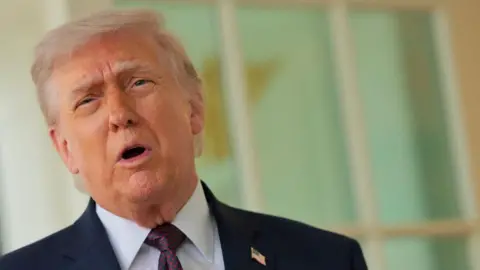
Amid the controversy, Trump’s allies rushed to his defense. U.S. Vice President JD Vance, known for his close ties to the president, took to Fox News to offer a different perspective on the image. Vance described it as a joke that had been misunderstood by many. “I think the president was posting a joke and, of course, he took it down because he recognized that a lot of people weren’t understanding his humor,” Vance said. “Trump likes to mix it up on social media.”
While Vance’s defense attempts to downplay the severity of the incident, it does highlight a key aspect of Trump’s social media strategy. The president often posts controversial, and at times provocative, content to fuel discussion and keep his base engaged. Whether or not this particular post was intended as humor, it’s clear that Trump’s social media activity remains a lightning rod for debate.
A Pattern of Controversy on Social Media
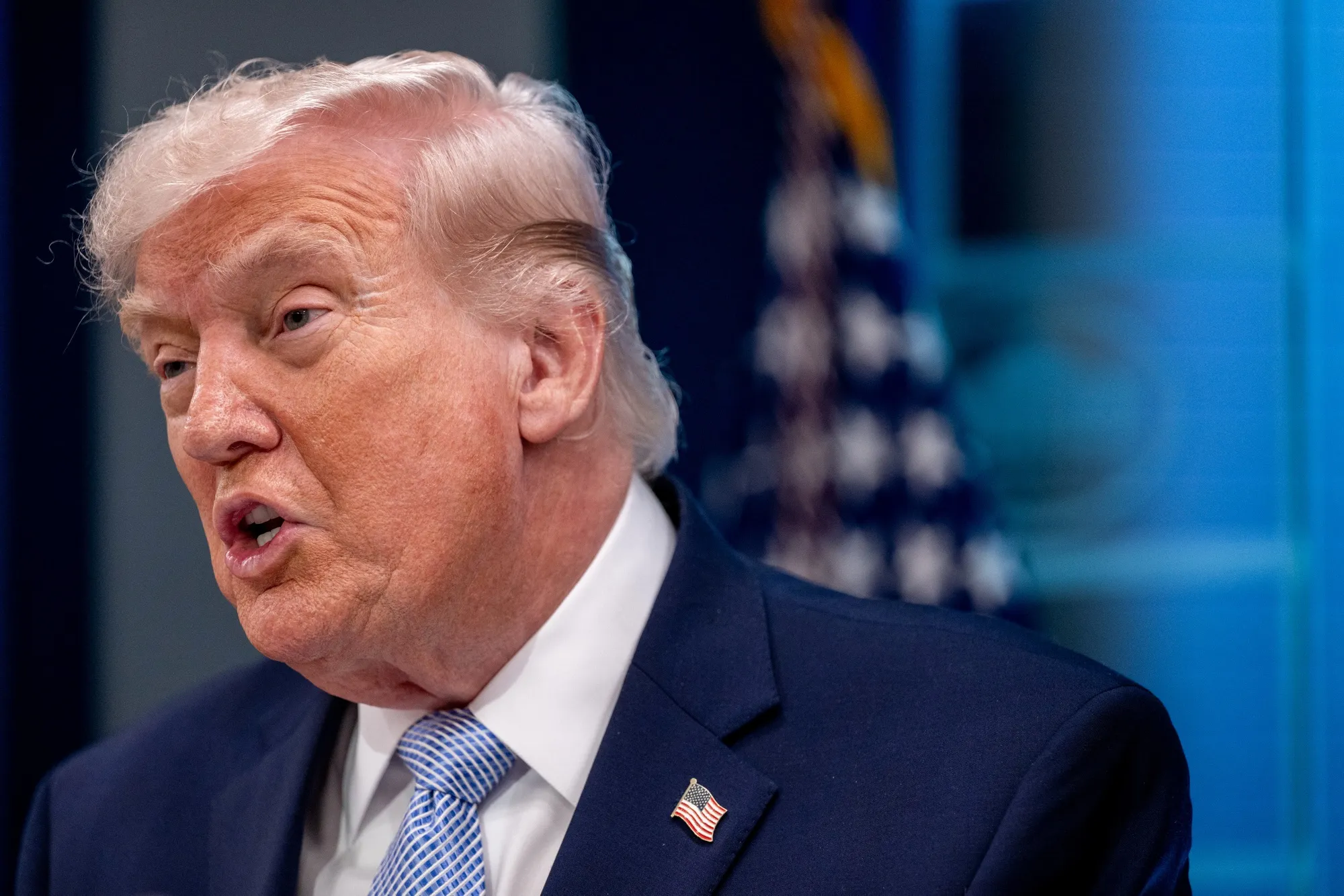
The Jesus image post is not the first time Trump has faced backlash for content shared on his social media platform. In February 2026, for example, he posted a racist video depicting Barack and Michelle Obama as apes, which stayed on his account for several hours before being taken down. When questioned, Trump denied responsibility for the post, blaming a staffer for uploading it.
This pattern of posting and deleting controversial content has raised concerns about Trump’s judgment and his willingness to accept responsibility for the content he shares. While Trump has often been quick to defend his posts, the rapid deletion of the Jesus image suggests he may have underestimated the public reaction and recognized that the post went too far.
The Bigger Picture: Trump’s Relationship with Religion
Trump’s relationship with religion, particularly Christianity, has been a complicated one throughout his political career. While he has courted evangelical voters and often speaks in religious terms, his actions and statements sometimes contradict the values he espouses.
This tension has been evident in his interactions with Pope Leo XIV, whose role as a moral authority has clashed with Trump’s combative style and policies. The ongoing feud between the two highlights the difficult balance Trump must maintain in navigating religious issues while pursuing his political agenda.
Trump’s defenders argue that he has been a strong advocate for religious freedom and the protection of Christian values, but critics point to his actions and statements, such as the Jesus post, as evidence of his lack of reverence for those values.
Impact on Trump’s Support Base
Despite the backlash, Trump continues to enjoy significant support among his base. However, as the controversy surrounding the Jesus image and his feud with the Pope unfolds, it could begin to erode that support, particularly among religious conservatives who might find the post offensive.
The divide over Trump’s actions on social media underscores a broader tension within his base. While many of his supporters continue to defend his unorthodox approach, others are growing increasingly uneasy with his inflammatory rhetoric and controversial posts.
This dynamic raises questions about whether Trump can maintain his grip on the Republican Party and its religious conservative wing as he heads into the next election cycle.
What Does This Mean for Trump’s Future?
As Trump continues to engage in social media spats and feud with global figures like Pope Leo XIV, the question remains whether these controversies will have lasting consequences. The rapid deletion of the Jesus image suggests that Trump recognizes the potential political fallout, but his refusal to apologize and his ongoing clashes with the Pope indicate that he is unlikely to change his approach.
The broader implications of this controversy extend beyond social media posts. It speaks to Trump’s continued struggle to balance his combative style with the need for a more diplomatic approach, particularly when it comes to faith-based and religious voters.
Trump’s willingness to ignore traditional political norms and push the boundaries of decorum has been both a strength and a liability throughout his career. The fallout from this incident will likely reveal whether his supporters will continue to rally behind him or if the criticisms from religious figures and conservative commentators will drive a wedge between him and some of his most loyal backers.
A President Divided
As the controversy over the Jesus post and his feud with the Pope continues to unfold, it’s clear that President Trump’s relationship with religion, social media, and his supporters is as complex and divisive as ever. While some may see his actions as a display of confidence and defiance, others view them as deeply disrespectful.
What is certain, however, is that this incident will not be the last time Trump stirs up controversy on social media. Whether he can navigate the fallout and maintain his political influence will depend on how he manages the complex web of relationships that have both helped and hindered his career.
In the end, Trump’s refusal to apologize and his willingness to continue fighting his battles on social media will shape not only his political future but also his legacy as a president who was never afraid to defy convention, no matter the cost.