
Table of Contents
- The Social Media Post That Sparked the Feud
- Trump’s Defiance and Vance’s Defense
- The Pope’s Criticism of the U.S. Administration
- Vance’s Attempt to Downplay the Feud
- The Backlash to Trump’s Posts and Defending Humor
- The Impact on Trump’s Relationship with Religious Voters
- A Deeper Reflection on the Role of Religion in Politics
- What’s Next for Trump and Pope Leo XIV?
- The Limits of Political Feuds and Religious Authority
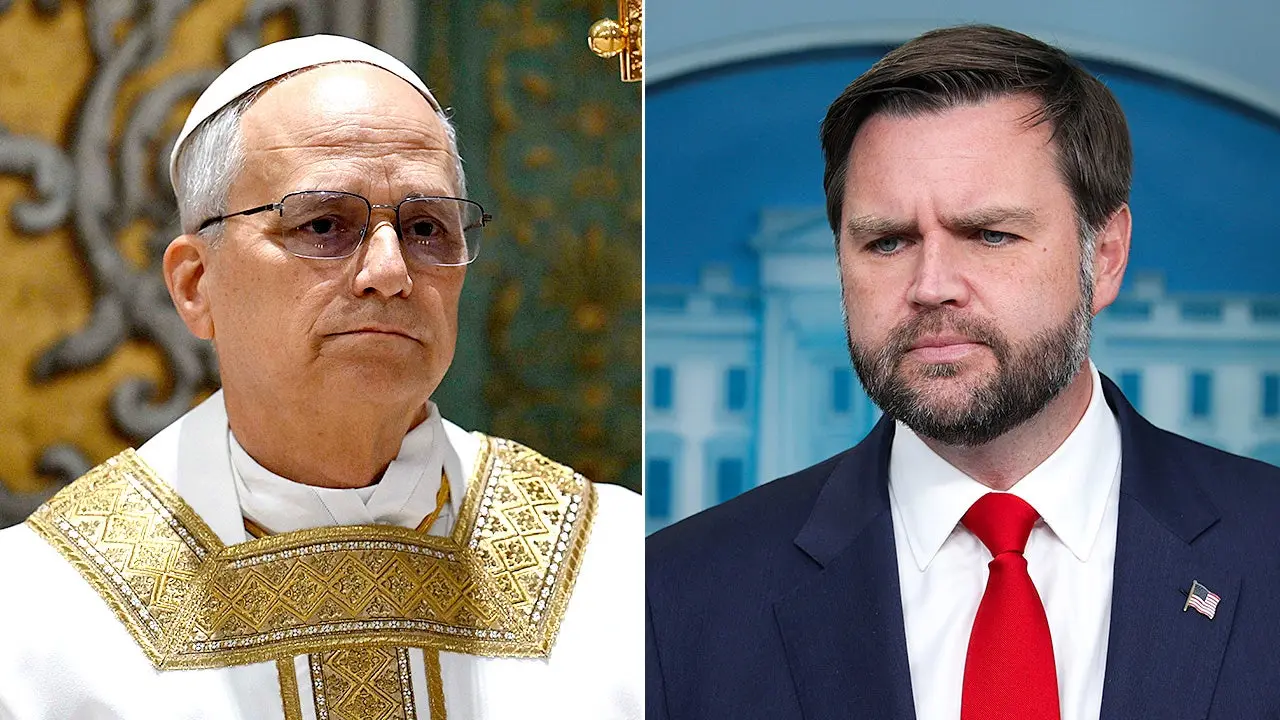
The Social Media Post That Sparked the Feud
The controversy began when President Trump shared an image on his Truth Social account depicting him in a manner reminiscent of religious iconography—dressed in robes, seemingly performing a healing gesture. The image was quickly met with backlash, not only from Trump’s critics but also from some within his own conservative base, who found the depiction offensive and inappropriate. In response to the growing criticism, Trump deleted the post the following day, offering an explanation that he had misunderstood the image.
Trump claimed that he had believed the image portrayed him as a doctor, making it a symbol of his efforts to “make people better.” Despite this explanation, the image had already sparked a firestorm, and the backlash continued to grow. The public reaction was swift and intense, particularly from religious conservatives who felt that the post crossed a line.
Trump’s Defiance and Vance’s Defense
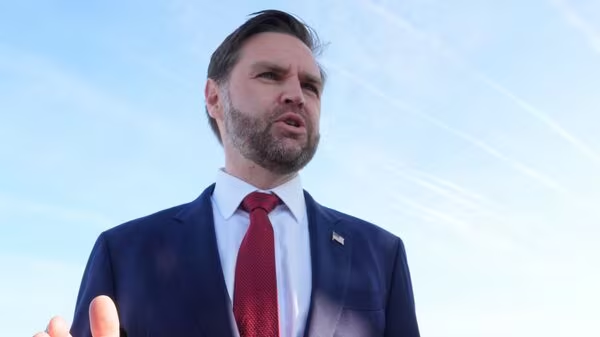
While Trump deleted the post, he stood by another social media post in which he had slammed Pope Leo XIV for his stance on various issues, including the U.S.-Israel war with Iran and mass deportations. Trump’s remarks about the Pope were sharp and personal, accusing him of being “weak on crime” and of “catering to the Radical Left.” This rhetoric, aimed directly at the leader of the Catholic Church, was a significant escalation in the ongoing feud between the two.
Vice President JD Vance, who has consistently been a staunch ally of Trump, came to the President’s defense in a Monday night interview on Fox News. Vance suggested that the Pope should focus on matters of morality and leave the political decisions to the elected leaders of the United States. “It would be best for the Vatican to stick to matters of morality, to stick to matters of what’s going on in the Catholic church and let the president of the United States stick to dictating American public policy,” Vance said. His comments were an attempt to downplay the significance of the spat and to reaffirm the independence of the U.S. government from religious influence.
The Pope’s Criticism of the U.S. Administration
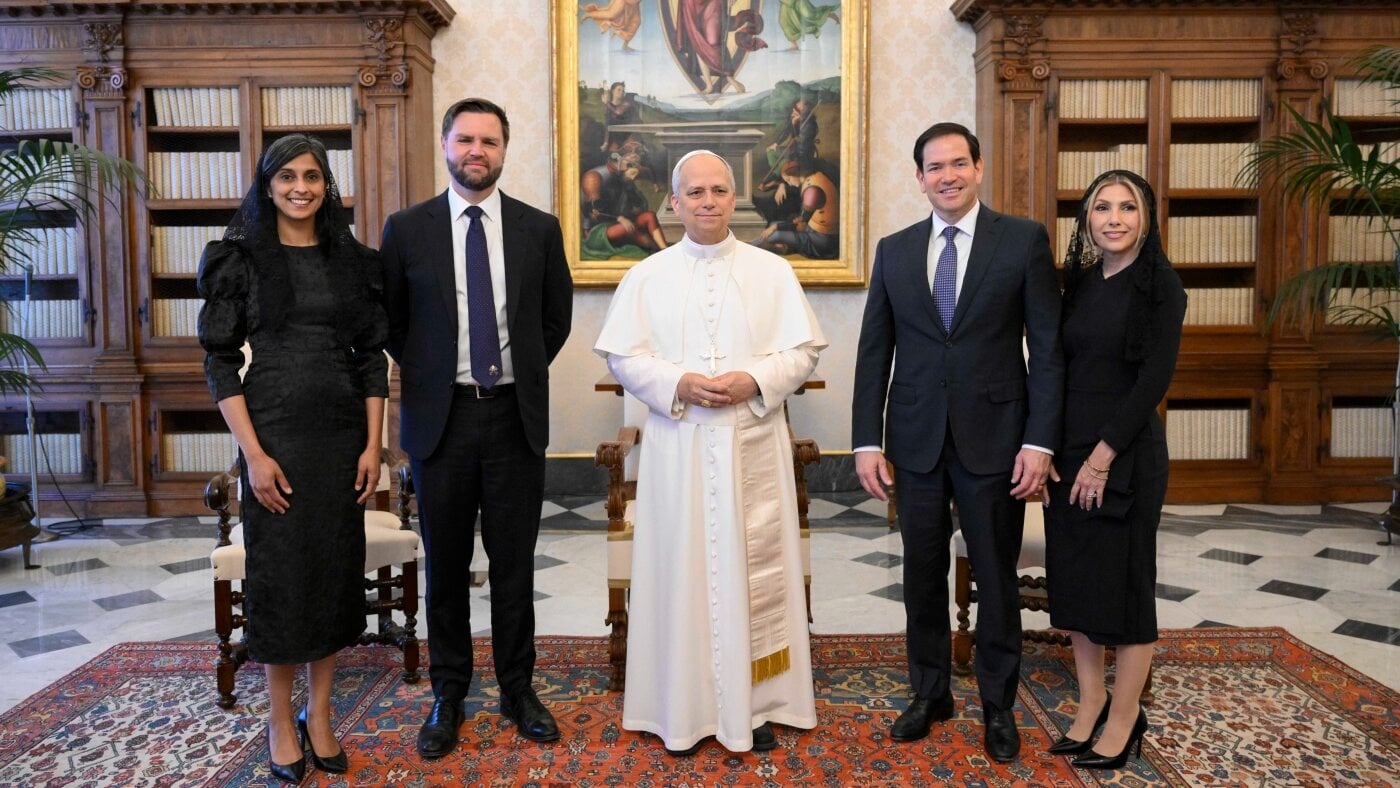
The feud between Trump and Pope Leo XIV was not an isolated incident but rather the culmination of ongoing tensions that had been building over several months. The conflict first erupted after the Pope made remarks criticizing the U.S. administration’s stance on issues such as immigration and foreign policy. In particular, the Pope voiced concerns about the Trump administration’s handling of the Iran war and the U.S.’s militaristic approach to the situation.
Pope Leo XIV’s comments on the U.S. and Israel’s war with Iran, where he referred to the conflict as a “delusion of omnipotence,” sparked a public dispute. Trump, never one to shy away from a fight, fired back with accusations that the Pope was undermining U.S. foreign policy. The feud grew when American cardinals appeared on “60 Minutes” to criticize Trump’s stance on deportations and his foreign policy decisions, which they deemed morally wrong.
In response to these criticisms, Trump’s rhetoric became more combative, accusing the Pope of being too lenient and failing to recognize the dangers posed by certain global conflicts. The escalation of this dispute has raised questions about the role of religion in politics and how the Vatican’s moral authority intersects with the political decisions made by national leaders.
Vance’s Attempt to Downplay the Feud
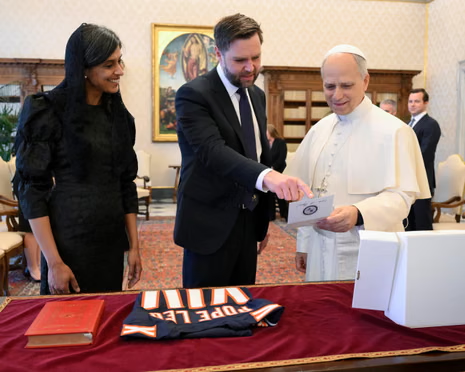
Despite the escalating tensions, Vice President Vance attempted to downplay the significance of the feud in his interview on Fox News. Vance, who converted to Catholicism in 2019, suggested that disagreements between the President and the Pope were not unusual. “We certainly have a good relationship with the Vatican but we’re also going to disagree on substantive questions from time to time,” Vance said, minimizing the controversy as an expected part of the political process.
Vance’s remarks seemed designed to shift the focus away from the conflict and toward a more pragmatic view of the relationship between the U.S. government and the Vatican. While the Vice President acknowledged that the Pope and Trump had differences, he framed it as a normal part of political discourse, stressing that both sides were entitled to their opinions.
The Backlash to Trump’s Posts and Defending Humor
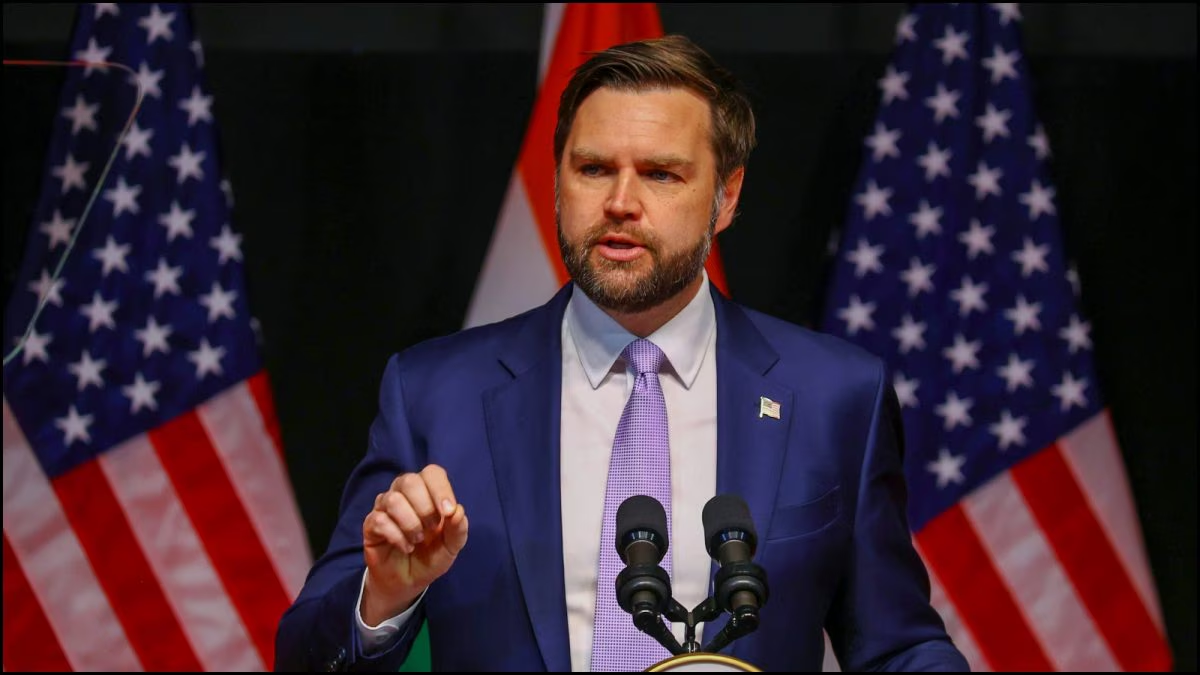
As the controversy surrounding Trump’s posts continued to grow, the President found himself under increasing pressure from religious conservatives who felt that his actions were disrespectful. In his defense, Trump explained that the post had been meant as a joke and that he had taken it down after realizing that it had been misinterpreted. “The president was posting a joke, and of course, he took it down because he recognized that a lot of people weren’t understanding his humor,” Vance said in his interview.
This attempt to dismiss the controversy as a misunderstanding of humor is characteristic of Trump’s social media style. The President has long used platforms like Twitter and Truth Social to express his unfiltered thoughts, often without the usual constraints of professional communications advisors. This willingness to speak directly to the public has endeared him to his supporters but also sparked controversies, as seen with the Jesus post. However, his refusal to apologize for his actions and his tendency to brush off criticism are traits that have both helped and hindered his political career.
The Impact on Trump’s Relationship with Religious Voters
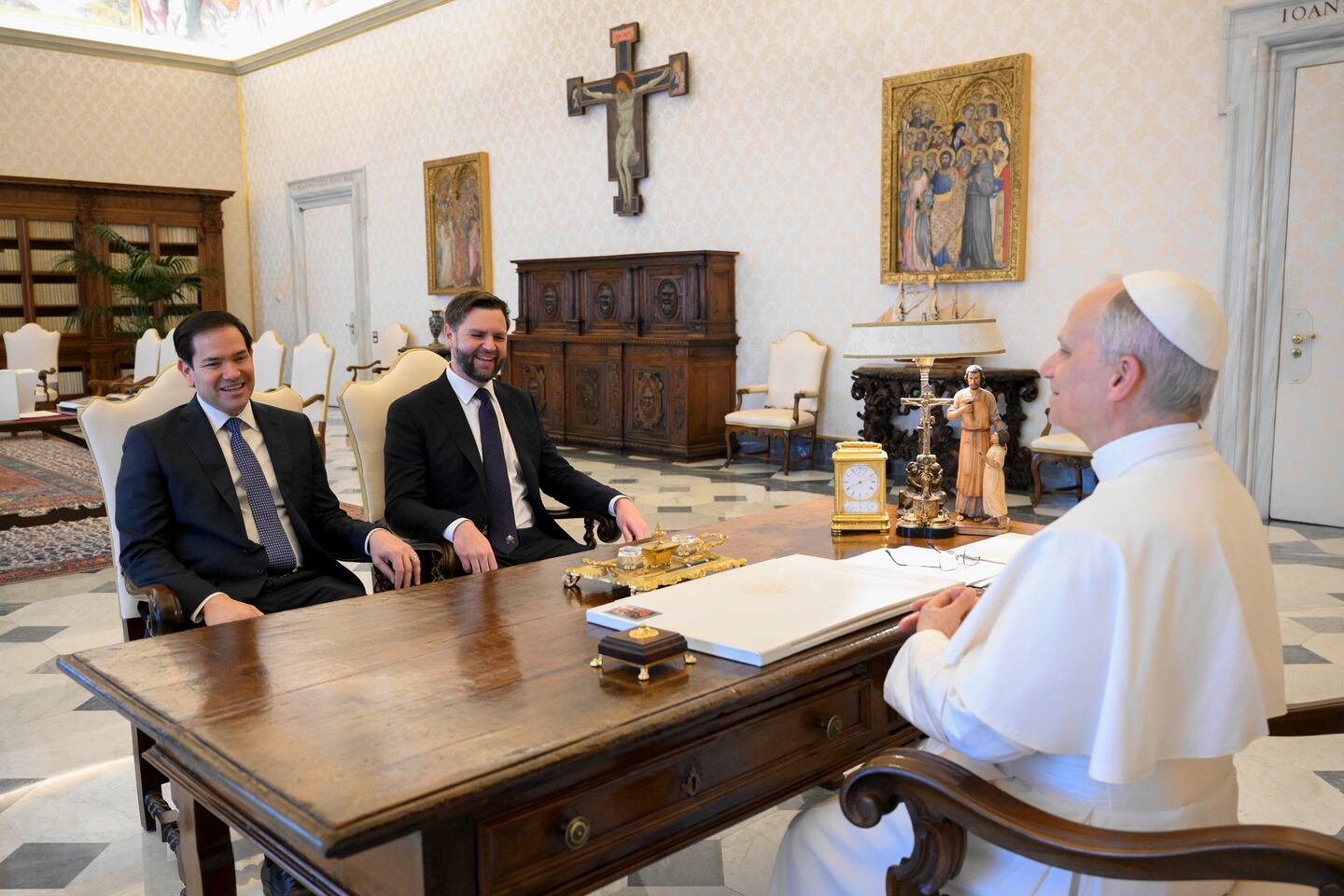
The ongoing dispute with Pope Leo XIV could have significant implications for Trump’s relationship with religious voters, particularly Catholics. While Trump has long enjoyed support from evangelical Christians, his relationship with the Catholic Church has been more complicated. The Pope’s criticisms of Trump’s policies have only added to the tension, with some religious figures expressing concern over Trump’s approach to moral issues.
Trump’s refusal to apologize for his actions and his continued public clashes with religious leaders could alienate some voters who value religious authority and morality in their political leaders. On the other hand, Trump’s loyal base of supporters may see his combative stance as a sign of strength and a reflection of his willingness to stand up to institutions they view as out of touch with the concerns of ordinary Americans.
A Deeper Reflection on the Role of Religion in Politics
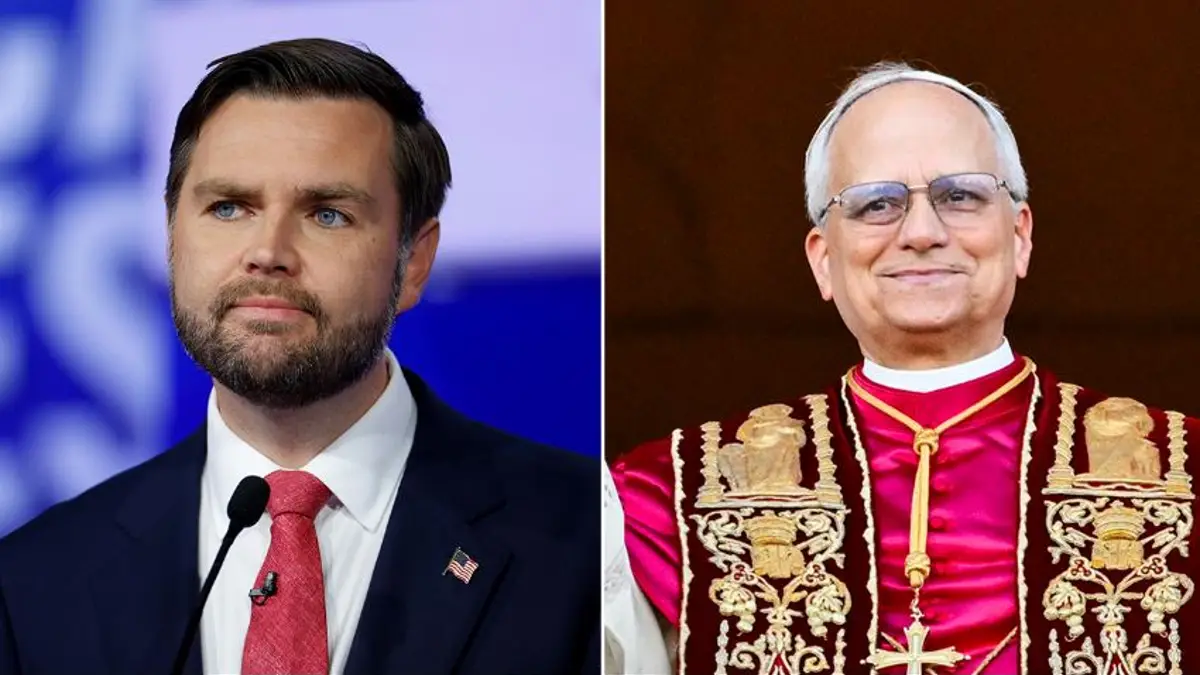
The feud between Trump and Pope Leo XIV also raises broader questions about the role of religion in American politics. For many years, religion has played a key role in shaping U.S. political discourse, particularly in areas like abortion, same-sex marriage, and foreign policy. However, Trump’s approach to religion has often been more transactional than theological, using religious rhetoric when it suits his political agenda while also alienating religious figures when his actions clash with their values.
This dynamic points to a growing divide between the religious establishment and the political establishment in the U.S. As Trump continues to use religion to bolster his political narrative, his ongoing conflict with the Pope highlights the complexities of navigating faith-based politics in a deeply polarized society.
What’s Next for Trump and Pope Leo XIV?
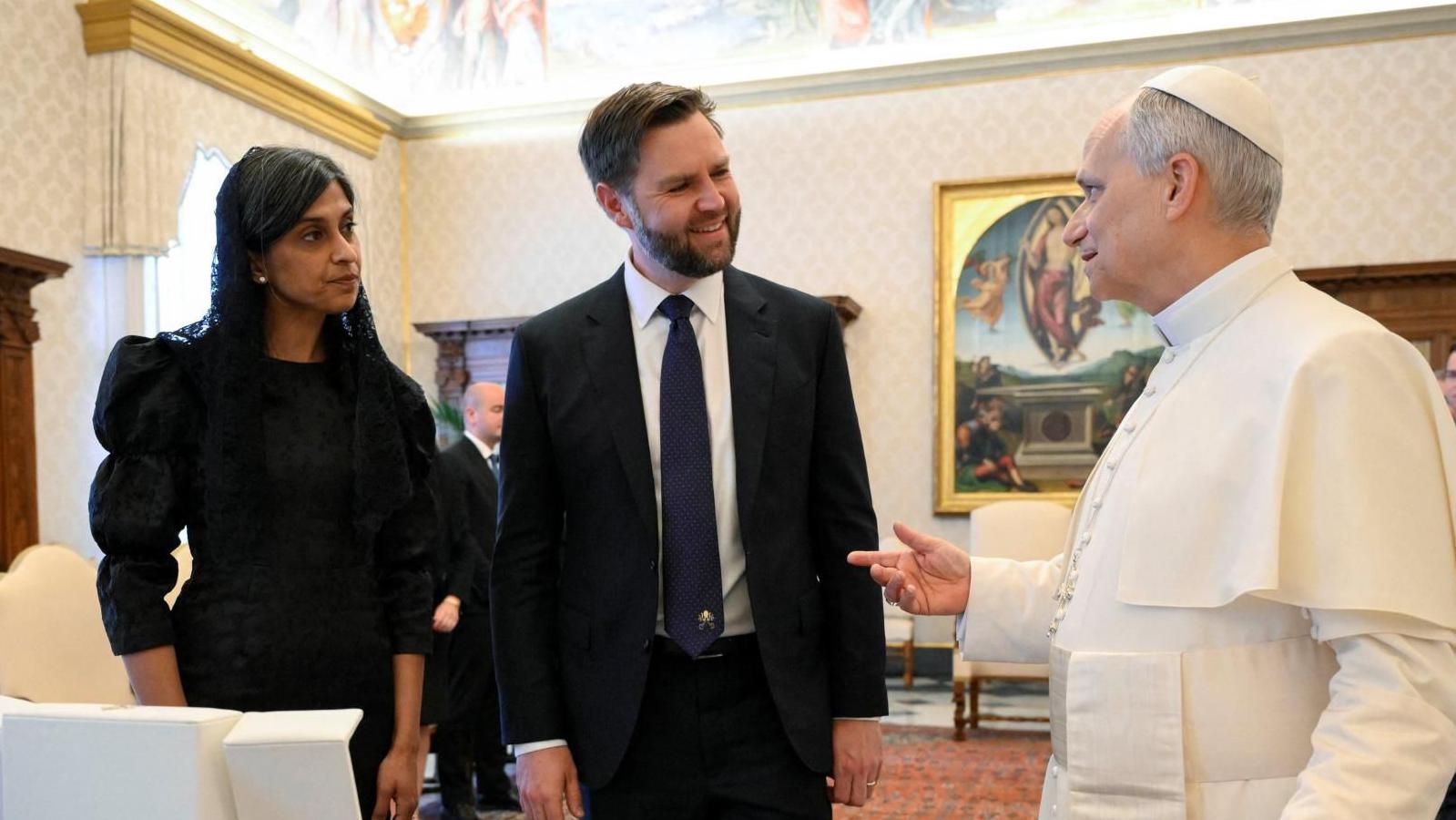
As the public feud between Trump and Pope Leo XIV continues to unfold, the question remains: what’s next for the relationship between the two? While Trump has shown no signs of backing down, the Pope’s influence as a global religious leader is undeniable. This ongoing conflict may force both sides to reconsider their positions, especially as they continue to clash over issues like immigration, foreign policy, and religious morality.
The broader implications of this dispute go beyond just the personal feud between Trump and the Pope. It signals a growing tension between the political and religious spheres, with both sides asserting their authority over moral and ethical matters. As the battle continues, it will likely have ripple effects throughout the political landscape, influencing not only U.S. policy but also global diplomatic relations.
The Limits of Political Feuds and Religious Authority
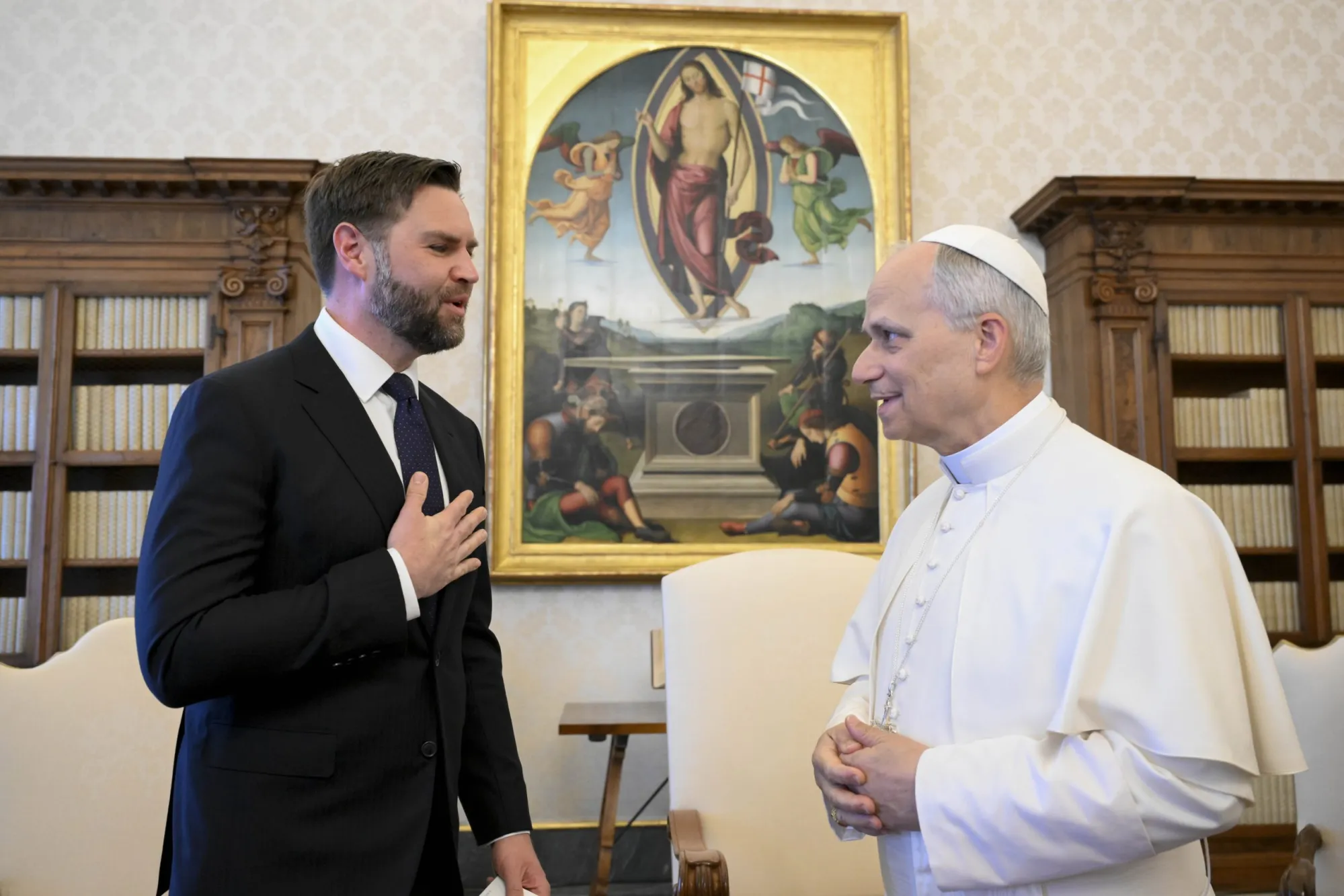
The feud between President Donald Trump and Pope Leo XIV is a reminder of the complicated relationship between politics and religion in the United States. While both figures hold considerable influence, their ongoing public clash raises important questions about the role of religious authority in shaping political decisions. As the conflict unfolds, it will be interesting to see how Trump navigates the tensions, whether his supporters remain loyal, and whether the Pope’s moral authority can sway the trajectory of U.S. policy.
What is clear is that the intersection of religion and politics will continue to be a source of controversy and debate. Whether Trump’s combative approach to his critics will help or hurt his political future remains to be seen, but one thing is certain: the drama between Trump and Pope Leo XIV is far from over.