
Table of Contents
- Japanese Scientists Achieve Historic Breakthrough by Deleting Extra Chromosome That Causes Down Syndrome
- A Game-Changer in Genetic Medicine
- A New Hope for Down Syndrome Treatment
- The Power of Genetic Editing Beyond Birth
- The Road to Clinical Applications
- Ethical Considerations: A Brave New World of Genetic Editing
- What This Breakthrough Means for the Future
- A Promise for the Future
Japanese Scientists Achieve Historic Breakthrough by Deleting Extra Chromosome That Causes Down Syndrome
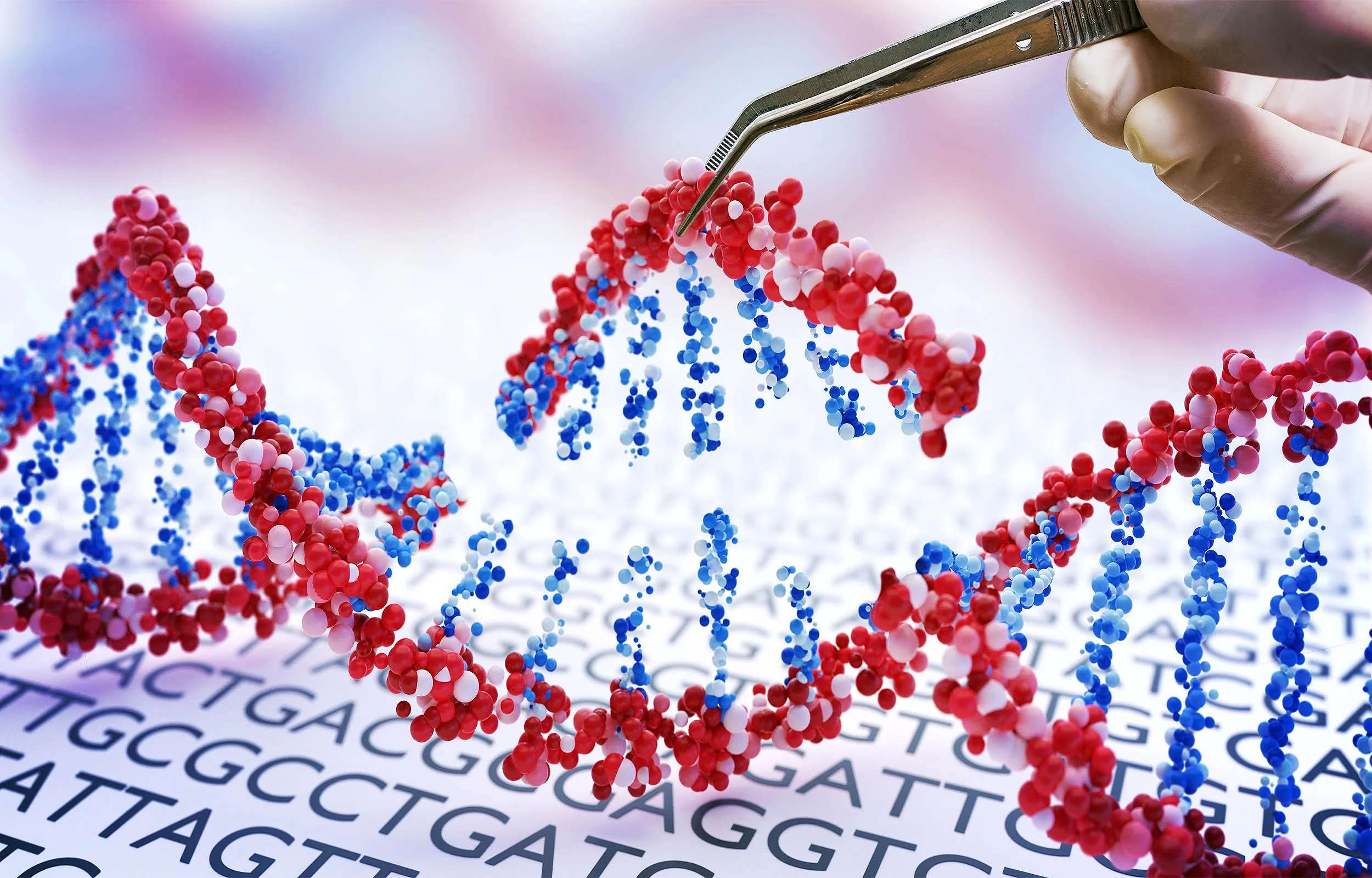
When news broke that researchers in Japan had used CRISPR to remove the extra chromosome responsible for Down syndrome, the scientific community was left stunned. This groundbreaking achievement marks a monumental step forward in gene-editing technology, not just for the treatment of Down syndrome, but for the future of medicine as a whole. The work carried out by scientists at Mie University, led by Ryotaro Hashizume, offers hope for the millions of people affected by this genetic disorder and suggests that the very fabric of genetic science could be reimagined.
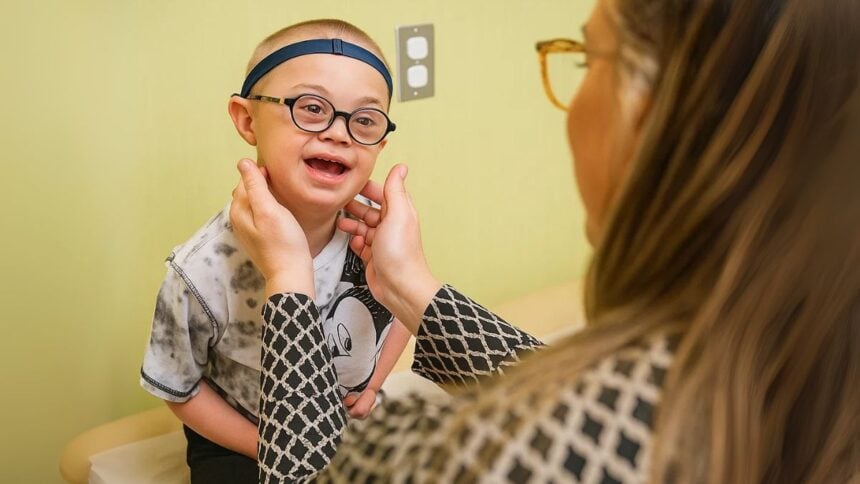
Down syndrome, caused by the presence of an extra copy of chromosome 21, has traditionally been treated through symptom management rather than addressing the root cause. For years, individuals with Down syndrome have faced challenges like heart defects, learning difficulties, and higher risks of Alzheimer’s disease. But with this new breakthrough, the possibility of directly correcting the genetic mutation is no longer a distant dream.
A Game-Changer in Genetic Medicine
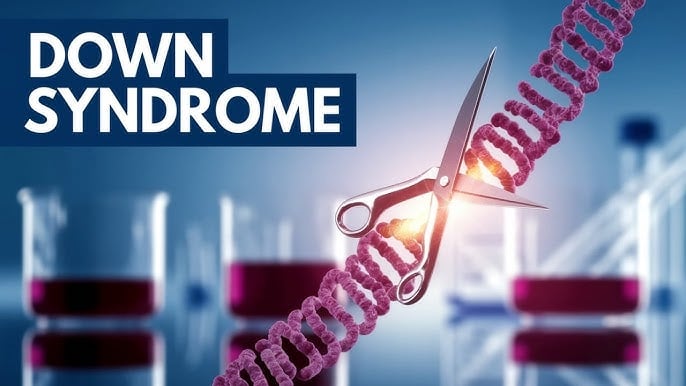
The technique employed by Hashizume and his team utilizes CRISPR-Cas9, a powerful gene-editing tool that allows for precise modifications to the DNA sequence. In this case, CRISPR was used to delete the extra copy of chromosome 21 in human cells grown in the lab, an achievement that was once thought to be impossible. Unlike previous methods that worked around the genetic overload, this approach goes straight to the source, eliminating the excess chromosome and allowing the cells to revert to a more typical genetic pattern.
This achievement is not only a proof of concept but also expands the potential of CRISPR technology, showcasing its ability to make deep and lasting changes at the chromosomal level. The implications of this technology stretch far beyond Down syndrome, raising the possibility of similar breakthroughs for other genetic disorders in the future.
A New Hope for Down Syndrome Treatment

The impact of deleting the extra chromosome was immediate and profound. In the lab, the edited cells began to exhibit more typical gene activity and protein production. For example, genes related to brain development, which are often underactive in individuals with Down syndrome, became more active. Additionally, overactive metabolic genes, which often contribute to health complications in people with Down syndrome, began to calm down.
What’s more, the edited cells demonstrated improved growth and division compared to their trisomy counterparts. This suggests that the biological burden of carrying excess genetic material had been alleviated, leading to healthier, more robust cells. This shift in cellular behavior hints at the potential for gene editing to not only correct genetic mutations but also support overall cellular health, paving the way for new therapeutic options.
The Power of Genetic Editing Beyond Birth
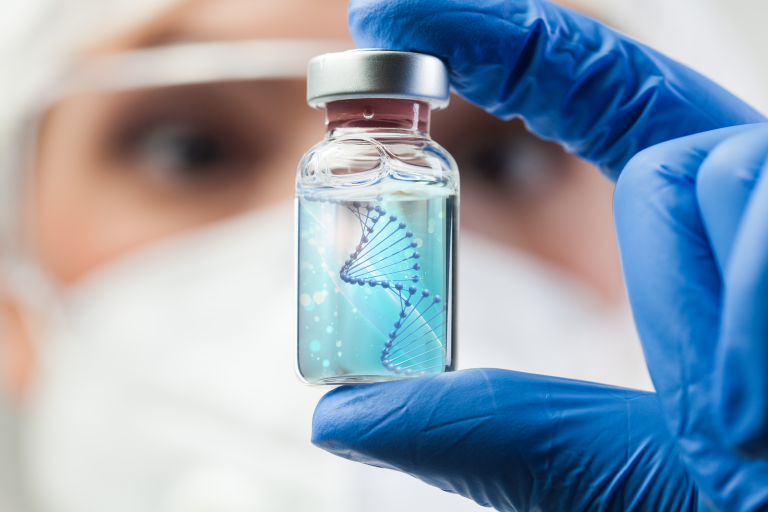
One of the most remarkable aspects of this breakthrough is that it was achieved in non-dividing, mature cells. In many cases, such as neurons and muscle fibers, cells do not divide once they have fully formed. These types of cells were once thought to be impervious to genetic interventions. However, the success of this CRISPR-based technique suggests that gene editing may be applicable to a wider range of cells than previously imagined, opening the door to interventions in tissues that were once considered beyond reach.
This could have significant implications for regenerative medicine, where edited cells could potentially be used to repair or replace damaged tissues in people with Down syndrome and other genetic conditions. For example, edited cells could be used to grow healthy tissue for organ transplants or even to repair heart defects, which are common in individuals with Down syndrome.
The Road to Clinical Applications
Despite the promise of this breakthrough, there are still many challenges to overcome before this technique can be used in clinical settings. The process of deleting an entire chromosome without affecting the healthy ones is incredibly complex, and researchers must ensure that the gene edits are precise and stable over time. As the technology is refined, scientists are working to minimize the risks of off-target edits, which could potentially cause new health issues.
Additionally, while this discovery represents a massive leap forward, bringing it from the laboratory to the clinic will take time. CRISPR-based therapies must be adapted to work within the human body, ensuring that the genetic changes are made accurately and that the cells remain stable long-term. Furthermore, navigating the regulatory and ethical frameworks around gene editing will require careful consideration to ensure that these technologies are used responsibly and safely.
Ethical Considerations: A Brave New World of Genetic Editing

With every scientific breakthrough comes the need for careful reflection on its ethical implications. The ability to edit the genes of human embryos or even adults raises profound questions about how we view genetic conditions and human diversity. While some view gene editing as a potential cure for genetic disorders, others worry about the broader societal impact, particularly the potential for genetic “perfection” to overshadow the acceptance of natural human differences.
In countries like Iceland, Down syndrome has become rare, not through genetic editing, but due to widespread prenatal screening and selective abortion. This raises concerns about whether genetic editing might push us toward a future where the uniqueness of individuals with conditions like Down syndrome is erased. For many advocates, the goal is not to eliminate these conditions but to improve the quality of life for those affected.
What This Breakthrough Means for the Future
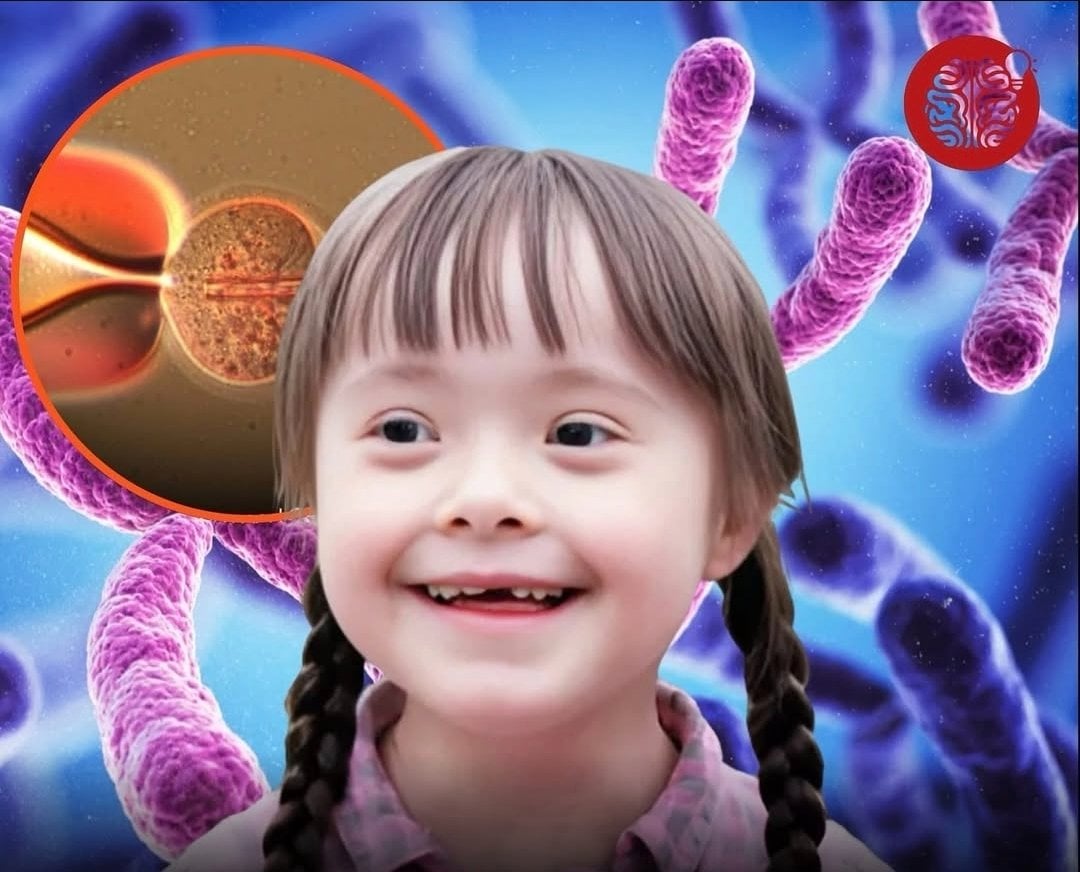
This breakthrough represents a new frontier in genetic medicine, one where we may be able to correct genetic mutations before birth or even in adults. The ability to delete an entire chromosome and return cells to a more typical genetic state has the potential to change the landscape of how we treat genetic disorders. However, this achievement also forces us to confront the ethical questions surrounding genetic modification.
What is clear is that the future of gene editing holds enormous potential. With further refinement, CRISPR-based therapies could one day be used to treat a variety of genetic disorders, potentially providing cures where none existed before. The challenge, however, will be ensuring that these powerful technologies are used with the utmost care and respect for the individuals they are meant to help.
A Promise for the Future
While this breakthrough in gene editing is still in its early stages, it offers a glimpse of a future where genetic disorders like Down syndrome can be addressed at the molecular level. The potential to edit out an extra chromosome and restore normal gene activity is nothing short of revolutionary. However, this achievement also reminds us that with great power comes great responsibility. The true measure of progress will not only be the science behind the technology but also how we choose to use it, ensuring that the benefits are shared by all while respecting the diversity and dignity of every individual.