
Table of Contents
- France Ditches Microsoft for Linux to Strengthen Digital Sovereignty
- A Bold Move Toward Digital Sovereignty
- The European Shift to Open-Source Software
- The Challenges of Transitioning to Linux
- The Broader Implications for Digital Sovereignty
- The Question of Mobile and Proprietary Systems
- A Blueprint for Europe
- A New Era of Digital Sovereignty
France Ditches Microsoft for Linux to Strengthen Digital Sovereignty
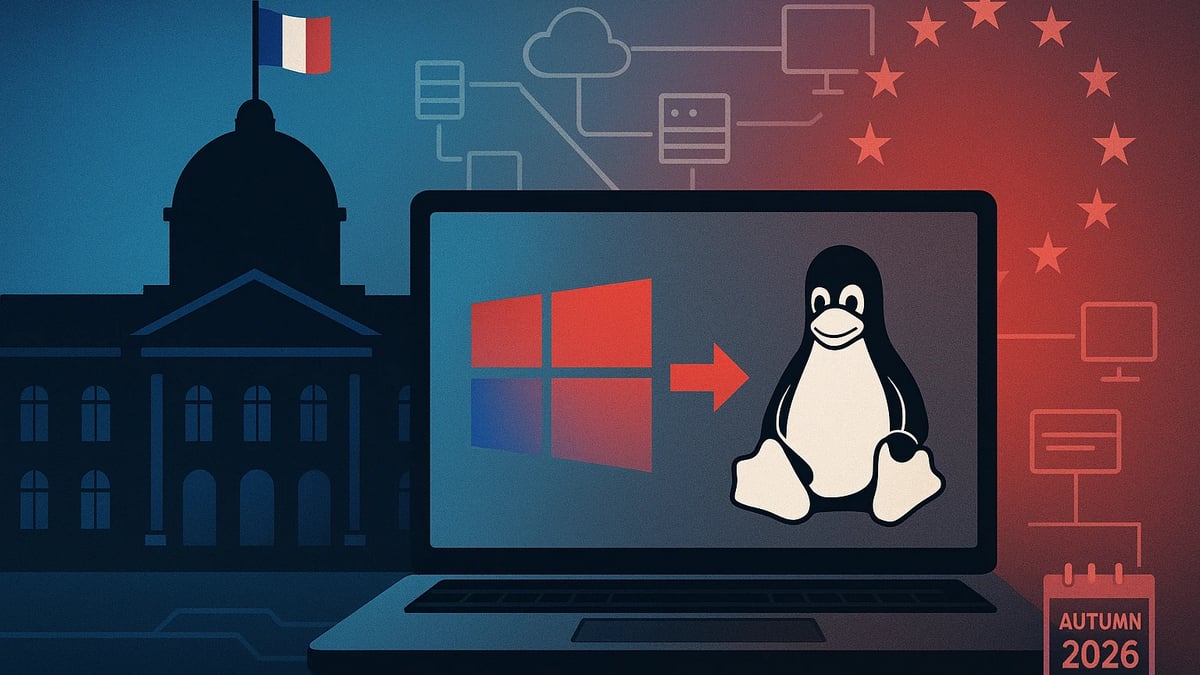
In a groundbreaking move that signals a shift in European digital strategy, France has officially announced its decision to migrate all government systems from Microsoft Windows to Linux. This transition is part of a broader initiative to reduce dependency on foreign digital tools, particularly those originating from the United States. The French government is taking a decisive step to regain control over its digital infrastructure, aiming to build a more secure and independent technological ecosystem within the European Union.
The shift from Windows to Linux is not merely about adopting a new operating system. It is a pivotal part of a larger strategy by France to eliminate its reliance on non-European technology. This strategy is driven by the desire to ensure digital sovereignty, making France less dependent on the policies, costs, and risks associated with using software solutions from outside the EU. This decision could serve as a model for other European countries looking to assert their independence in the face of growing global technological dominance by American firms.
A Bold Move Toward Digital Sovereignty
The French government’s push to replace Microsoft products with Linux-based systems is being led by the Direction interministérielle du numérique (DINUM), a key government agency focused on the country’s digital transformation. As part of this initiative, DINUM has set a firm deadline for all government agencies to complete the transition by the fall of this year. By phasing out Windows and other non-European technologies, France is moving toward a future where its digital infrastructure is self-reliant and controlled within the EU.
The French government’s decision is rooted in a desire to protect national security and reduce the risks associated with foreign-controlled digital tools. Minister of State Action and Public Accounts, David Amiel, emphasized that the country’s dependence on foreign technology has become untenable. With this shift, France aims to regain control over its digital destiny and eliminate the security vulnerabilities associated with using American-made software.
The European Shift to Open-Source Software
France’s decision to switch to Linux is not an isolated case. Other European countries, including Denmark and certain regions of Germany, have already taken similar steps towards embracing open-source software. These countries recognize that relying on proprietary software, especially from outside the EU, places them at a disadvantage both in terms of security and technological sovereignty.
Linux, being an open-source operating system, allows greater flexibility and security compared to closed-source alternatives like Windows. It offers governments more control over their systems and the ability to customize the software to meet specific needs. This move aligns with the EU’s broader strategy to promote open-source solutions, which not only strengthen digital sovereignty but also encourage innovation within Europe’s tech ecosystem.
The adoption of Linux also represents a significant step in the EU’s digital strategy, which aims to reduce the continent’s reliance on non-European technologies. By using open-source software like Linux, European governments are signaling their commitment to developing and supporting technologies that are made within the EU. This shift is part of a wider effort to ensure that Europe remains competitive in the digital age while safeguarding its digital future.
The Challenges of Transitioning to Linux
While the decision to switch to Linux is a bold one, it comes with its own set of challenges. Transitioning from a proprietary operating system like Windows to an open-source alternative requires significant technical adjustments. For one, government employees accustomed to the Windows environment will need training to use Linux-based systems effectively. Additionally, many government software solutions are designed to run on Windows, meaning that new, Linux-compatible alternatives will need to be found or developed.
However, France is not the first to tackle these challenges. Other countries in Europe have already gone through similar transitions, and the lessons learned from their experiences will prove invaluable. The French government is working closely with IT specialists and open-source communities to ensure that the migration process is as smooth as possible.
The switch to Linux will also require updates to the security infrastructure of government systems. While Linux is generally considered more secure than proprietary operating systems, it still requires careful implementation to protect against cyber threats. As France moves forward with this transition, it will need to ensure that its systems remain secure and resilient in the face of evolving digital threats.
The Broader Implications for Digital Sovereignty
France’s decision to embrace Linux is more than just a technological shift; it is a statement about the country’s commitment to digital sovereignty. The move is part of a broader European effort to reduce reliance on American tech giants like Microsoft, Google, and Apple, whose products and services dominate much of the global digital landscape. By prioritizing homegrown solutions, France is positioning itself to have more control over its digital infrastructure and data security.
Digital sovereignty is increasingly being seen as a critical aspect of national security. With growing concerns over data privacy, cyber-attacks, and foreign influence, countries around the world are beginning to recognize the importance of controlling their own digital tools. France’s shift to Linux represents a proactive step in this direction, as the country seeks to protect its citizens’ data and ensure that its technological future is not dictated by foreign powers.
Moreover, this decision aligns with the EU’s vision of creating a more integrated digital market within Europe. By adopting open-source software, France and other European countries are creating an ecosystem where technology can be shared, modified, and improved collectively. This collaborative approach to technology development could lead to a more innovative and competitive European tech industry.
The Question of Mobile and Proprietary Systems
While the shift to Linux on desktop computers is logical within this strategy, one area that remains uncertain is mobile platforms. Currently, proprietary systems like Apple’s iOS and Google’s Android dominate the mobile market, making it difficult for Linux-based systems to gain a foothold. The French government has yet to announce any plans to replace these proprietary mobile operating systems with open-source alternatives.
However, the move to Linux on desktops could lay the groundwork for similar initiatives in the mobile sector. As the EU continues to promote digital sovereignty, it may look for ways to support open-source mobile platforms that could reduce dependence on proprietary systems. This could involve encouraging the development of new mobile operating systems or fostering greater compatibility between Linux-based systems and existing mobile platforms.
A Blueprint for Europe
France’s bold decision to move away from Microsoft and adopt Linux is more than just a national policy change; it sets a powerful example for the rest of Europe. As the EU seeks to strengthen its digital sovereignty, France’s experience with transitioning to open-source software could serve as a blueprint for other member states. By demonstrating that it is possible to reduce reliance on non-European technologies, France is helping to pave the way for a more independent and resilient digital future for the entire continent.
The French government’s move also highlights the growing importance of digital sovereignty in the modern geopolitical landscape. As countries around the world grapple with issues of data privacy, cybersecurity, and foreign influence, the need for independent and secure digital infrastructures has never been more urgent. France’s commitment to Linux is a sign of the times, as nations increasingly recognize the value of controlling their own technological destinies.
A New Era of Digital Sovereignty
France’s shift from Microsoft to Linux represents a bold and decisive step toward digital sovereignty. While the challenges of this transition are significant, the potential benefits for the country’s technological independence and security are immense. By embracing open-source software, France is not only reducing its reliance on foreign technologies but also fostering a more collaborative and innovative digital ecosystem within Europe.
As France leads the way in this digital transformation, the rest of Europe will be watching closely. The success of this initiative could pave the way for other countries to follow suit, creating a more independent and secure digital future for the EU. In the end, France’s move to Linux is about more than just technology; it is about reclaiming control over the country’s digital destiny and ensuring that its future is shaped by its own values and priorities.