
Table of Contents
- The Scope of the Operation: Vance Task Force Cracks Down on Fraud
- A White House Statement Sends a Stark Warning to Fraudsters
- A Rapid Surge in Fraud Cases and Legislative Pushback
- Expanding the Net: How the Task Force Is Connecting the Dots
- The Fallout of Healthcare Fraud: Economic and Human Costs
- The Role of Transparency: Investigative Journalism and the Future of Fraud Probes
- Conclusion: The Battle Against Fraud Is Far From Over
- Closing Thoughts:
The Scope of the Operation: Vance Task Force Cracks Down on Fraud
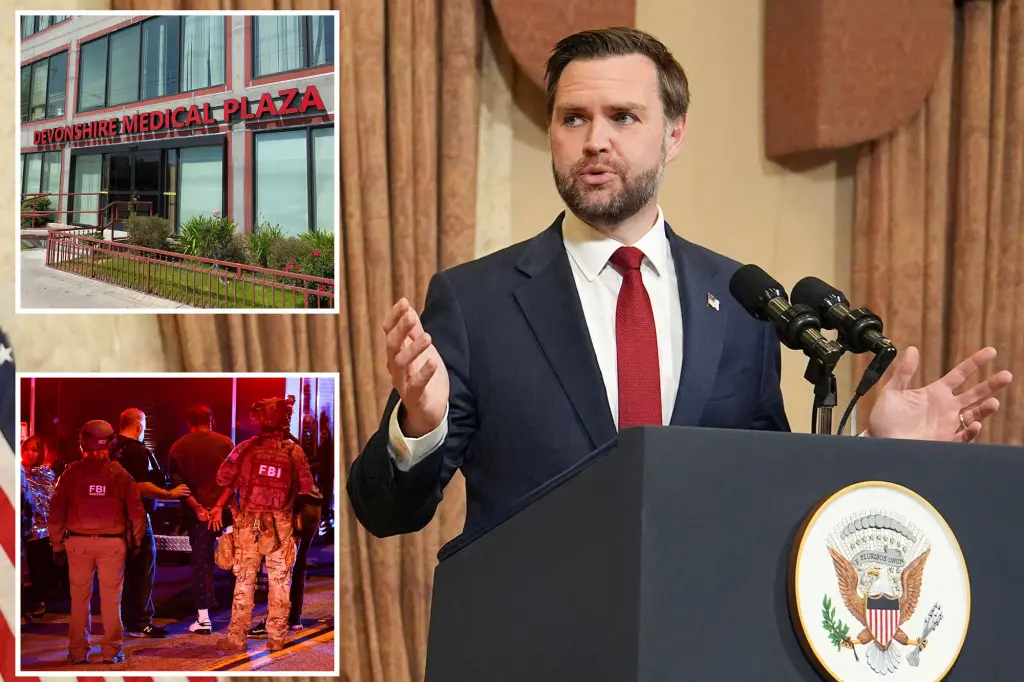
In an unprecedented move, the U.S. government, under Vice President JD Vance’s anti-fraud task force, has suspended 447 hospices and 23 home health agencies in Los Angeles, uncovering an alleged fraud scheme worth more than $600 million. This sweeping crackdown marks a stark shift in the way healthcare fraud is addressed across the country, with authorities increasingly targeting fraudulent activities tied to the nation’s medical care system.
The operation, a part of the White House’s larger effort to combat fraud and wasteful spending, has already seen a jaw-dropping increase in suspensions compared to prior efforts. At the beginning of April, only 70 entities were reported under suspicion, but that number surged to over 400 by mid-month, demonstrating the scale of fraudulent activities within the healthcare industry. The announcement came after Vice President Vance’s task force escalated its investigation into potentially fraudulent hospice care claims, particularly in Los Angeles, which has long been a hotspot for fraudulent healthcare activities.
Vance’s spokesperson reinforced the administration’s commitment to tracking down fraudsters, promising to continue to hold them accountable: “Where there is fraud, the task force will find it. We will not stop until every hard-earned taxpayer dollar goes toward the honest Americans who deserve them.”
The scale of this investigation has sent shockwaves across the healthcare industry, with whistleblowers and investigative journalists speaking out about the widespread corruption in the system. But the real shock comes from how these activities were allowed to continue unnoticed for so long—pointing to deep flaws in oversight and regulatory enforcement.
A White House Statement Sends a Stark Warning to Fraudsters

The White House issued a firm message to those involved in fraudulent activities, suggesting that their time to hide is running out. The fraud task force, which has already uncovered massive losses in several states, is only just beginning its investigation. According to a senior White House official, “To all fraudsters: good luck trying to hide from the Vice President’s task force. These suspension numbers, and the dollar values saved, are only going to increase.”
This statement reinforces the ongoing efforts to clamp down on fraudulent practices across the country, making clear that no one is exempt from investigation. The message is especially pointed in light of the billions of dollars that have allegedly been misused, with Vance and his task force pushing for even stricter penalties and faster investigations.
Additionally, these actions come in the wake of broader healthcare reform conversations. The federal government is increasingly focusing on ensuring that the funds earmarked for the healthcare system are actually benefiting those who need it most, not those who exploit the system for personal gain.
A Rapid Surge in Fraud Cases and Legislative Pushback
As suspensions ramp up, the task force has faced increasing resistance from certain quarters. Several Democratic legislators in California have expressed concern that some of these investigations are politically motivated and may disproportionately target certain communities. This comes amid reports that billions of dollars have been lost under the governance of California’s Democratic leadership, and as state legislators attempt to balance fraud prevention with the need for healthcare access.
California has already passed a bill, AB 2624, which some critics argue seeks to protect fraudulent organizations by limiting journalistic access to government documents. Nick Shirley, a well-known independent journalist who has exposed fraud in California’s healthcare system, called out the bill as a political move that would silence those trying to hold these organizations accountable. “California is trying to pass a bill that would criminalize investigative journalism with misdemeanors, $10,000 fines, imprisonment, and content takedown,” Shirley wrote.
The controversy over AB 2624 is indicative of a wider issue, where politics and fraud investigations are increasingly crossing paths. Critics argue that such bills are designed to shield corrupt practices rather than expose them, which has sparked a national conversation on the importance of transparency in governmental dealings, especially within public-funded services.
Expanding the Net: How the Task Force Is Connecting the Dots

The anti-fraud task force is not stopping at Los Angeles. Its reach has extended nationwide, with the U.S. Centers for Medicare and Medicaid Services (CMS) actively blocking fraudulent claims from other states as well. The latest reports indicate that $259.5 million in Medicaid funds were withheld from Minnesota earlier this year, a move tied directly to Governor Tim Walz’s refusal to seek re-election amid rising scrutiny over the state’s fraudulent activities.
While these actions are being celebrated by those who see them as necessary to preserve public trust in the system, they also highlight a systemic failure of oversight and regulation within the state and federal healthcare systems. Investigators are working to connect the dots between fraudsters in healthcare facilities and those higher up in government who may have facilitated or overlooked fraudulent practices.
In light of these actions, both healthcare providers and state officials are facing increasing pressure to ensure that taxpayer dollars are spent efficiently and fairly, rather than being funneled into fraudulent schemes.
The Fallout of Healthcare Fraud: Economic and Human Costs
The impact of healthcare fraud extends far beyond the financial loss. It has real consequences for the individuals who depend on hospice and home healthcare services for their well-being. Victims of fraud are often left without the necessary care, leading to poorer health outcomes and a loss of trust in the system.
The suspension of these healthcare facilities has also led to questions about the economic implications for the wider healthcare system. With $600 million worth of fraud allegedly taking place in Los Angeles alone, this represents a significant chunk of the state’s healthcare budget. As the investigation continues, the fallout is likely to reverberate throughout the sector, as the government looks to clamp down on other fraudulent healthcare operations across the country.
As government officials continue to investigate the scope of the fraud, questions loom about the long-term effect on healthcare services in underserved communities. The suspension of large organizations could leave thousands without access to essential services, adding even more strain to an already overburdened system.
The Role of Transparency: Investigative Journalism and the Future of Fraud Probes
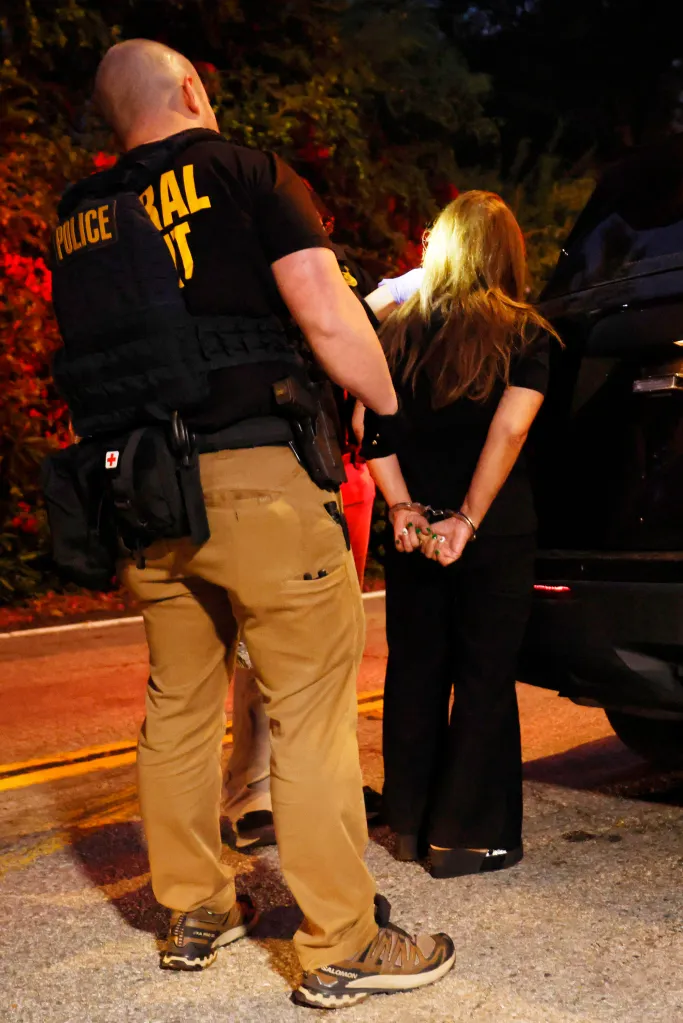
While the government’s actions have been heralded as a step in the right direction, the role of transparency cannot be understated. Journalists and watchdog groups are at the forefront of exposing healthcare fraud, even as some legislative efforts seek to silence them. These efforts to limit transparency, including bills like California’s AB 2624, threaten to undermine the very accountability that is necessary to root out fraud.
Independent journalists like Nick Shirley have been pivotal in shining a light on healthcare fraud in California, Minnesota, and beyond. They argue that limiting access to information would only serve to shield those who are misusing taxpayer dollars and putting vulnerable populations at risk. “Instead of fixing the fraud problems being uncovered, Sacramento politicians are trying to shut down the people exposing them,” Shirley said.
For investigative journalism to remain a viable tool in the fight against fraud, laws protecting journalists’ rights must be upheld. As this conversation unfolds, the tension between public accountability and legislative protection of certain groups will remain a critical issue.
Conclusion: The Battle Against Fraud Is Far From Over
The increase in healthcare fraud suspensions under Vice President JD Vance’s anti-fraud task force is just the beginning. As investigations continue to unfold across the country, the task force has made it clear that no stone will be left unturned. However, the fight against fraud is far from over, and the real challenge will be ensuring that the measures taken today do not become a temporary fix, but a permanent change in how fraud is investigated and prevented in the future.
With billions of dollars at stake, the pressure is on to ensure that taxpayer money is spent where it’s needed most—on the Americans who rely on healthcare services every day. The actions taken by Vance’s task force may serve as a wake-up call for those involved in healthcare fraud, but they also provide a broader lesson on the importance of transparency, accountability, and vigilance in protecting public resources.
As the task force moves forward, so too will the debate over the role of government, the rights of whistleblowers, and the ongoing fight for a fair and just healthcare system.
Closing Thoughts:
As the country grapples with the fallout from these fraud investigations, the long-term impact of these suspensions on healthcare providers, services, and public trust remains to be seen. What is clear, however, is that the tide is turning in the battle against fraud—and it is one that promises to reshape the landscape of healthcare oversight for years to come.