
Table of Contents
- A Vision for Saudi Arabia’s Future
- What Makes the 200 GW Solar Plant So Groundbreaking?
- Why Solar Power? The Shift from Oil to Renewable Energy
- The Economics Behind Saudi Arabia’s Solar Push
- Technological Advancements and the Future of Solar Power
- Saudi Arabia’s Role in the Clean Energy Revolution
- The Road Ahead for Saudi Arabia
- A New Era for Saudi Arabia’s Energy Landscape
- What This Means for the Future of Clean Energy
- A Vision for a Sustainable Future
A Vision for Saudi Arabia’s Future
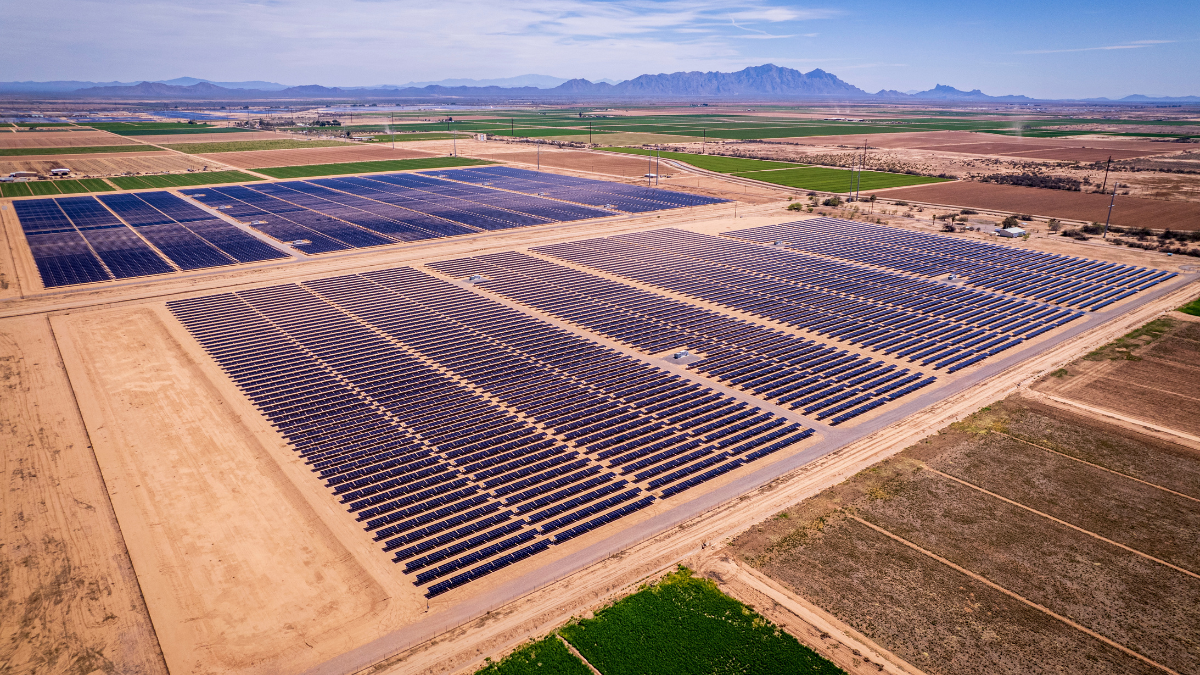
In a groundbreaking move that promises to reshape the future of energy, Saudi Arabia has signed a memorandum of understanding with Japanese multinational SoftBank to develop a colossal 200 GW solar power plant by 2030. The project, expected to cost $200 billion, signals a clear intention by the Gulf state to diversify its economy and move away from its heavy reliance on oil. This massive solar initiative, if realized, will not only help meet domestic energy needs but also position Saudi Arabia as a global leader in clean energy production.
This ambitious undertaking aims to drastically increase the country’s current electricity production capacity, which is roughly 77 GW. By building a plant of such magnitude, Saudi Arabia would more than triple its output, drastically transforming both the domestic and global energy sectors.
What Makes the 200 GW Solar Plant So Groundbreaking?
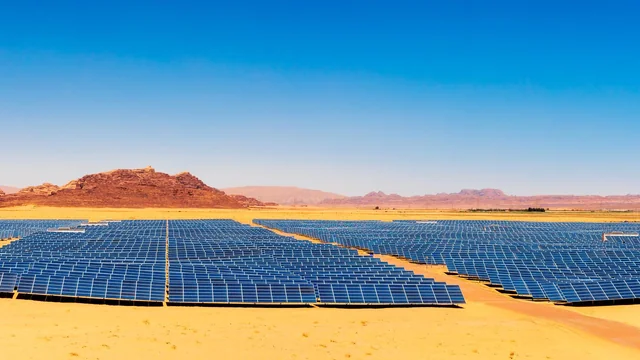
The sheer scale of this solar power plant is unprecedented. To put it into perspective, the biggest solar plant operating today is a mere fraction of the size of Saudi Arabia’s proposed 200 GW facility. The Kurnool Ultra Mega Solar Park in India, which began operations in 2017, is one of the largest solar farms in the world, covering an area of 24 square kilometers for just 1 GW of capacity. In comparison, Saudi Arabia’s 200 GW plant would require a staggering 5,000 square kilometers—an area larger than many of the world’s biggest cities combined.
Though this may sound like a bold and ambitious plan, Saudi Arabia has the natural resources to make it a reality. The country enjoys abundant sunshine throughout the year, vast expanses of empty desert land, and a well-funded economy capable of financing large-scale infrastructure projects. Furthermore, technological advancements in solar panel efficiency and production capacity suggest that this project, though ambitious, is not out of reach.
Why Solar Power? The Shift from Oil to Renewable Energy
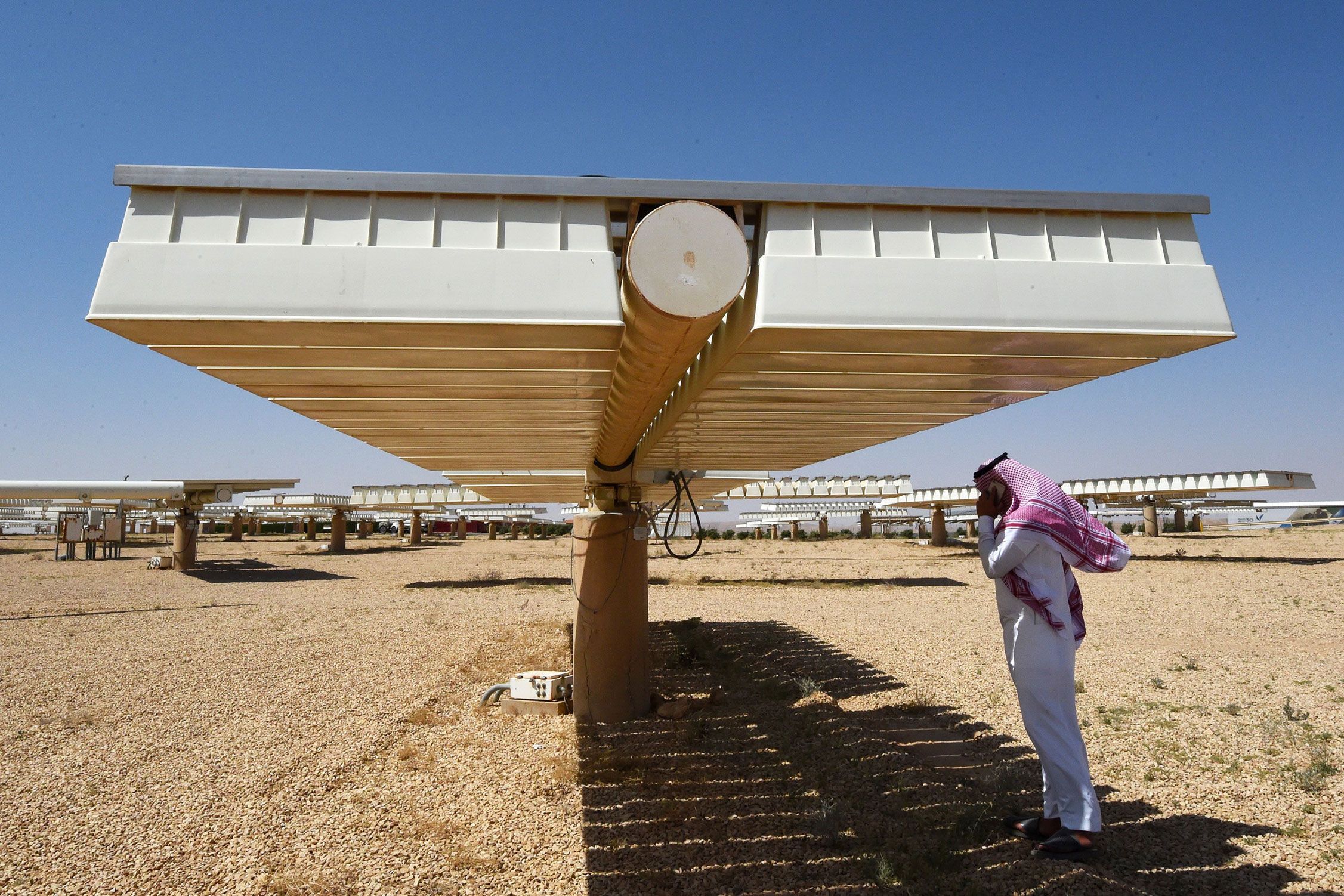
The world is undergoing a fundamental shift away from fossil fuels toward renewable energy sources, and Saudi Arabia is no exception. As one of the world’s leading oil producers, the country has long been dependent on oil exports to fuel its economy. However, the global demand for clean energy is rising, and countries worldwide are striving to reduce their carbon emissions.
Saudi Arabia’s move to invest in solar energy represents a strategic pivot aimed at ensuring the country remains competitive and sustainable in the future. The kingdom’s Vision 2030, spearheaded by Crown Prince Mohammed Bin Salman, lays out ambitious goals for economic diversification, with a significant focus on renewable energy. By investing in solar power, Saudi Arabia hopes to harness its natural resources while simultaneously reducing its carbon footprint.
The Economics Behind Saudi Arabia’s Solar Push
The financial implications of this massive solar power project are profound. The estimated cost of $200 billion is a monumental investment, but it represents only a small portion of the kingdom’s broader strategy to modernize and diversify its economy. Solar energy projects like this one will not only provide a clean energy source but also generate new job opportunities, drive technological innovation, and attract international investments.
With current technology, the construction of such a plant is projected to create thousands of jobs, both directly in solar power production and indirectly in related sectors such as manufacturing, research, and development. The long-term economic benefits of this transition could well surpass the initial costs, ensuring a more sustainable and diversified economy for generations to come.
Technological Advancements and the Future of Solar Power
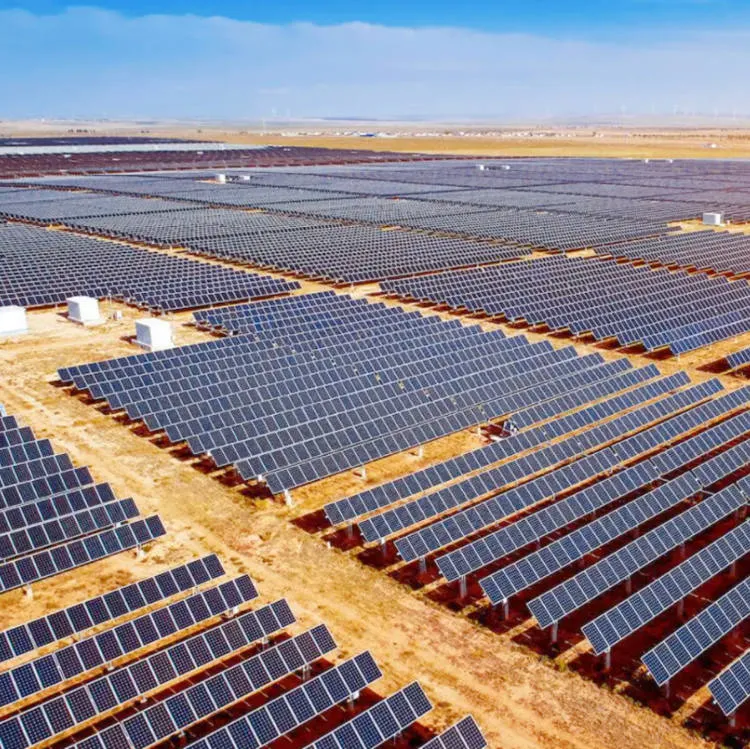
While the 200 GW solar plant represents an enormous step forward, it also serves as a testing ground for future solar technologies. Over the next decade, solar panel efficiency is expected to improve significantly, which could reduce the land area required to generate the same amount of electricity. Technological innovations, such as more efficient solar panels and energy storage systems, are likely to play a crucial role in the success of the project.
Additionally, the solar plant’s development could provide valuable lessons in large-scale solar integration, grid management, and energy storage. These lessons will be essential as other countries look to replicate Saudi Arabia’s success in harnessing solar power.
Saudi Arabia’s Role in the Clean Energy Revolution
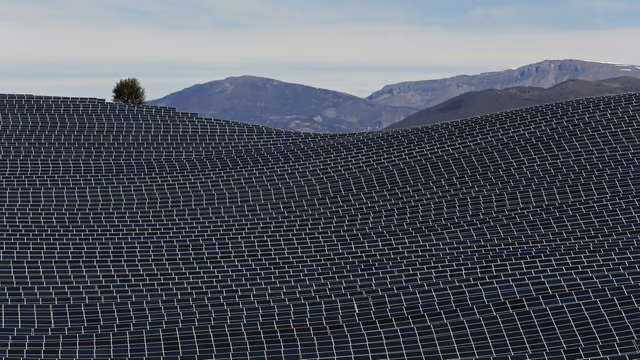
If successful, Saudi Arabia’s solar power plant will have significant global implications. As one of the largest producers of oil, the kingdom’s move into renewable energy sends a powerful signal to the world about the viability of clean energy alternatives. Other countries, particularly in the Middle East, may follow suit, recognizing the economic and environmental benefits of investing in solar power.
In the long term, this project could position Saudi Arabia as a leader in global energy markets, not only as an oil producer but also as a key player in the clean energy transition. The project could inspire other nations to explore solar energy solutions, fostering international collaboration and accelerating the global shift toward sustainable energy.
The Road Ahead for Saudi Arabia
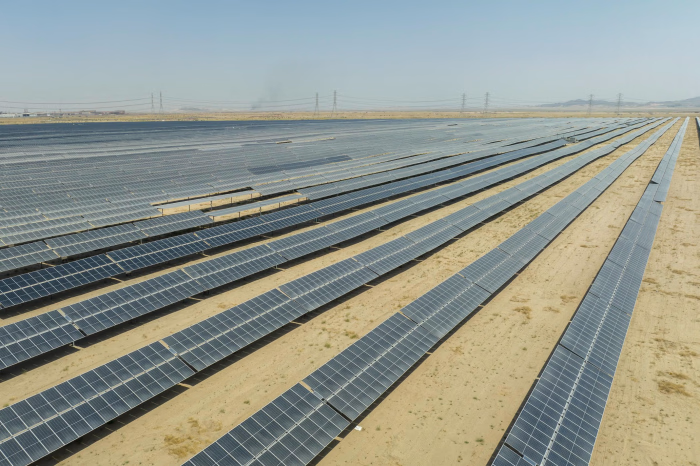
Despite the clear potential benefits of the 200 GW solar project, there are significant challenges ahead. Scaling up such a massive project requires overcoming a range of technical, logistical, and regulatory hurdles. Securing the necessary land, ensuring grid connectivity, and addressing environmental concerns will all require careful planning and execution.
Moreover, while Saudi Arabia has the financial resources to support this project, securing international partnerships and investments will be crucial for its success. Collaboration with other countries and private sector companies specializing in solar energy will be key to ensuring the project’s feasibility and long-term sustainability.
A New Era for Saudi Arabia’s Energy Landscape
The 200 GW solar power plant marks the beginning of a new era for Saudi Arabia’s energy landscape. If realized, this project will not only help reduce the kingdom’s dependence on oil but also position it as a leader in the global energy transition. By harnessing the power of the sun, Saudi Arabia could revolutionize its energy production and pave the way for a more sustainable future.
The shift toward solar power is part of a broader trend in the Middle East, where many oil-rich nations are investing in renewable energy to diversify their economies and reduce their carbon footprints. Saudi Arabia’s investment in solar energy sets a bold example for other countries to follow, and the world will be watching closely as the project unfolds.
What This Means for the Future of Clean Energy
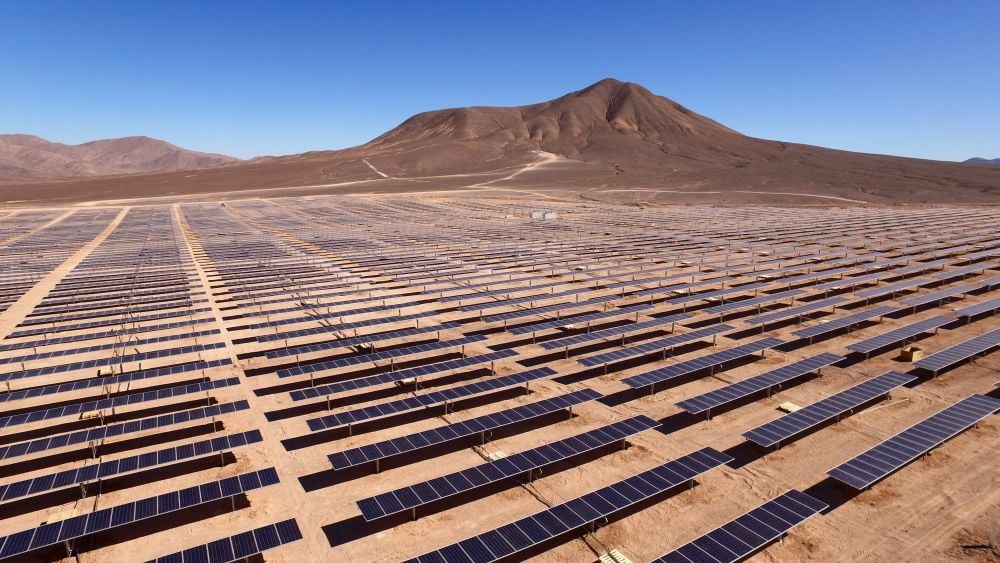
As the world continues to grapple with the effects of climate change, the importance of clean energy sources has never been greater. Saudi Arabia’s move to invest in solar power not only benefits the kingdom but also contributes to the global effort to transition away from fossil fuels. With countries like Saudi Arabia leading the charge, the future of clean energy looks promising.
In the coming decades, solar power is likely to become an increasingly dominant force in the global energy mix. Saudi Arabia’s project could serve as a model for other nations looking to invest in renewable energy, proving that solar power is not just an alternative but a viable and essential solution for the future.
A Vision for a Sustainable Future
Saudi Arabia’s 200 GW solar power project is more than just an ambitious plan—it is a vision for a sustainable future. By investing in solar energy, the kingdom is taking bold steps toward diversifying its economy, reducing its reliance on oil, and contributing to the global fight against climate change. The success of this project could inspire other nations to embrace renewable energy and accelerate the transition to a more sustainable future.
The next decade will be critical in determining the future of solar power, and Saudi Arabia’s efforts could play a pivotal role in shaping the global energy landscape. As the world moves closer to a clean energy future, Saudi Arabia’s investment in solar power serves as a powerful reminder of the importance of innovation, investment, and collaboration in achieving sustainability goals.