
Table of Contents
- The Joke that Sparked Outrage
- Trump and Melania’s Response
- The Pressure on ABC
- The Broader Implications for Free Speech
- Media Accountability and the Role of Comedy
- A Precedent for Political Pressure on Media
- The Importance of Protecting Comedic Expression
- The Impact on Late-Night Television
- A Test for Free Speech in Comedy
The Joke that Sparked Outrage
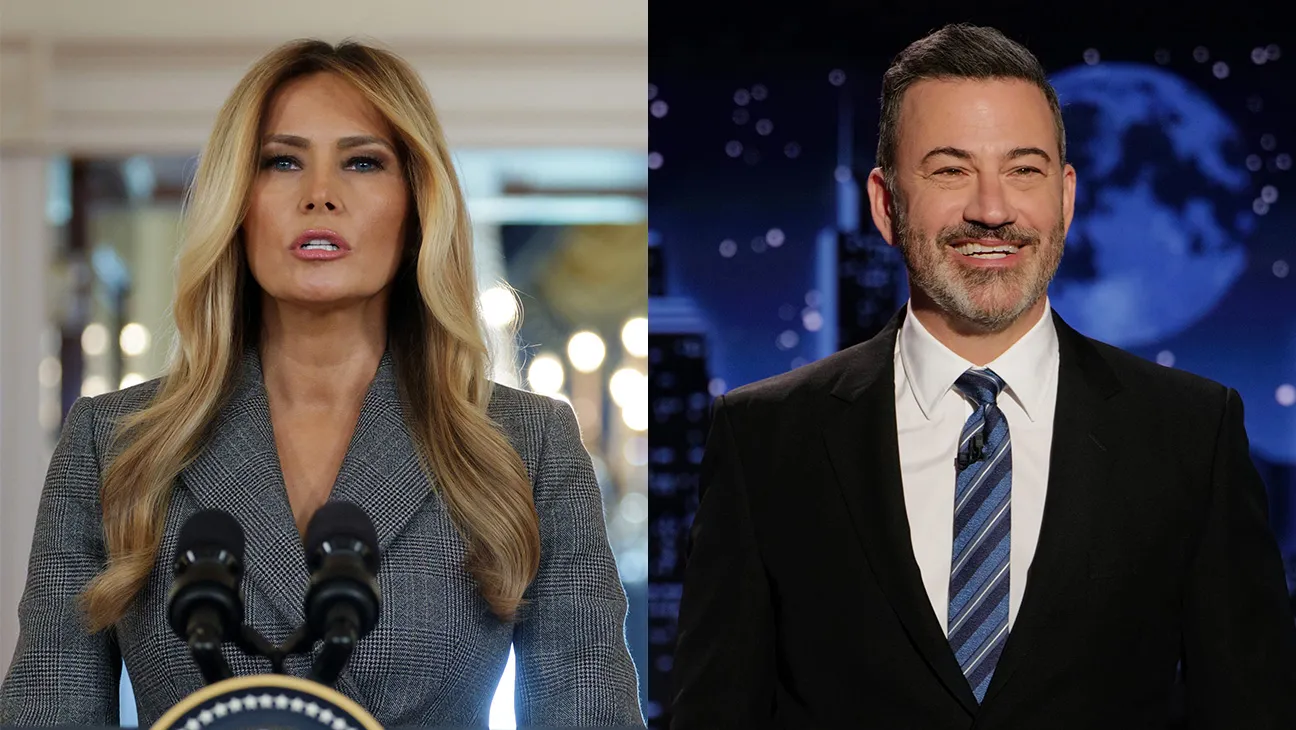
On Thursday evening, Jimmy Kimmel, during his mock version of the White House Correspondents’ Dinner, delivered a series of jokes at the expense of President Trump and his family. One of the most controversial lines involved Melania Trump, when Kimmel joked that she had “a glow like an expectant widow.” This remark, made in the context of a comedy skit, immediately stirred backlash from both the Trump family and their supporters, who deemed it inappropriate and harmful.
The joke was made just days before a serious security scare at the event, where the president, Melania Trump, and other top officials were evacuated after an alleged gunman attempted to breach the event. This timing, paired with the nature of the joke, amplified the perceived insensitivity of Kimmel’s comments.
Trump and Melania’s Response
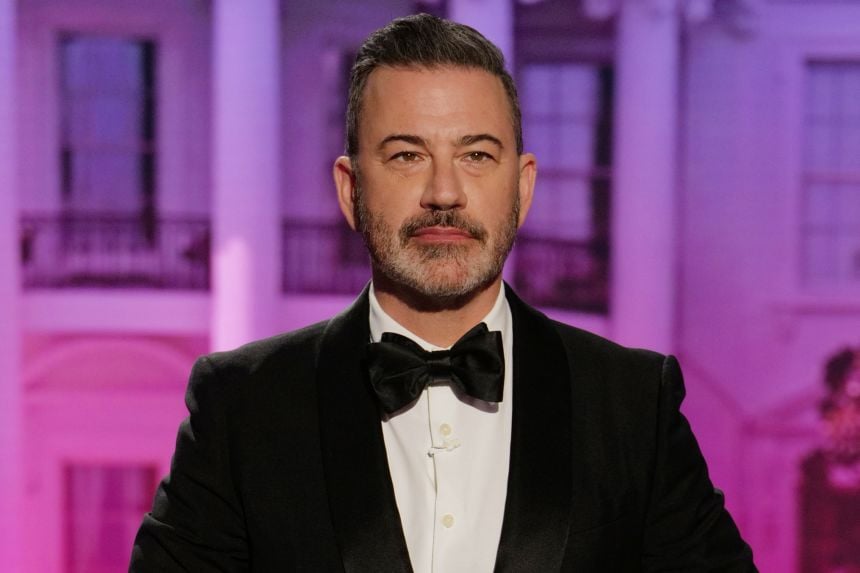
Following the joke, President Trump took to Truth Social, his preferred platform, demanding that ABC immediately fire Kimmel. “Jimmy Kimmel should be immediately fired by Disney and ABC,” Trump wrote, labeling the joke as a “despicable call to violence.” The president’s call for Kimmel’s firing echoed the heightened political tensions that have defined his presidency.
First Lady Melania Trump also voiced her displeasure with Kimmel’s comments, calling for ABC to take a stand against what she described as a harmful influence. In a statement posted on X, Melania Trump said, “Kimmel’s words are corrosive and deepen the political sickness within America.” She added, “People like Kimmel shouldn’t have the opportunity to enter our homes each evening to spread hate.”
These statements from the Trumps set the stage for an intense debate about free speech, media accountability, and the limits of comedy in a politically charged environment.
The Pressure on ABC
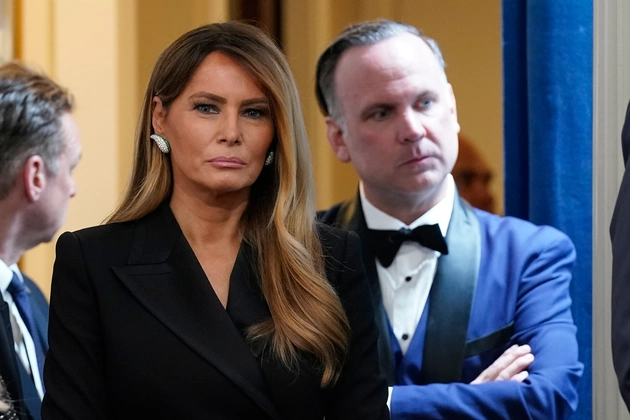
The Trump family’s criticism of Kimmel’s joke has created significant pressure on ABC, as the network is owned by Disney, which has been at the center of public scrutiny regarding its response to political pressure. Calls for Kimmel’s firing raise important questions about the role of corporations in regulating free speech, especially when it comes to content that may not align with the political preferences of certain individuals or groups.
ABC has not yet responded to the public demands for Kimmel’s dismissal, and it remains to be seen whether the network will cave to political pressure or defend the late-night host’s right to joke as he sees fit. This situation presents a significant challenge for ABC, as it must balance the need to maintain editorial independence while also considering the potential backlash from a powerful political figure.
The Broader Implications for Free Speech
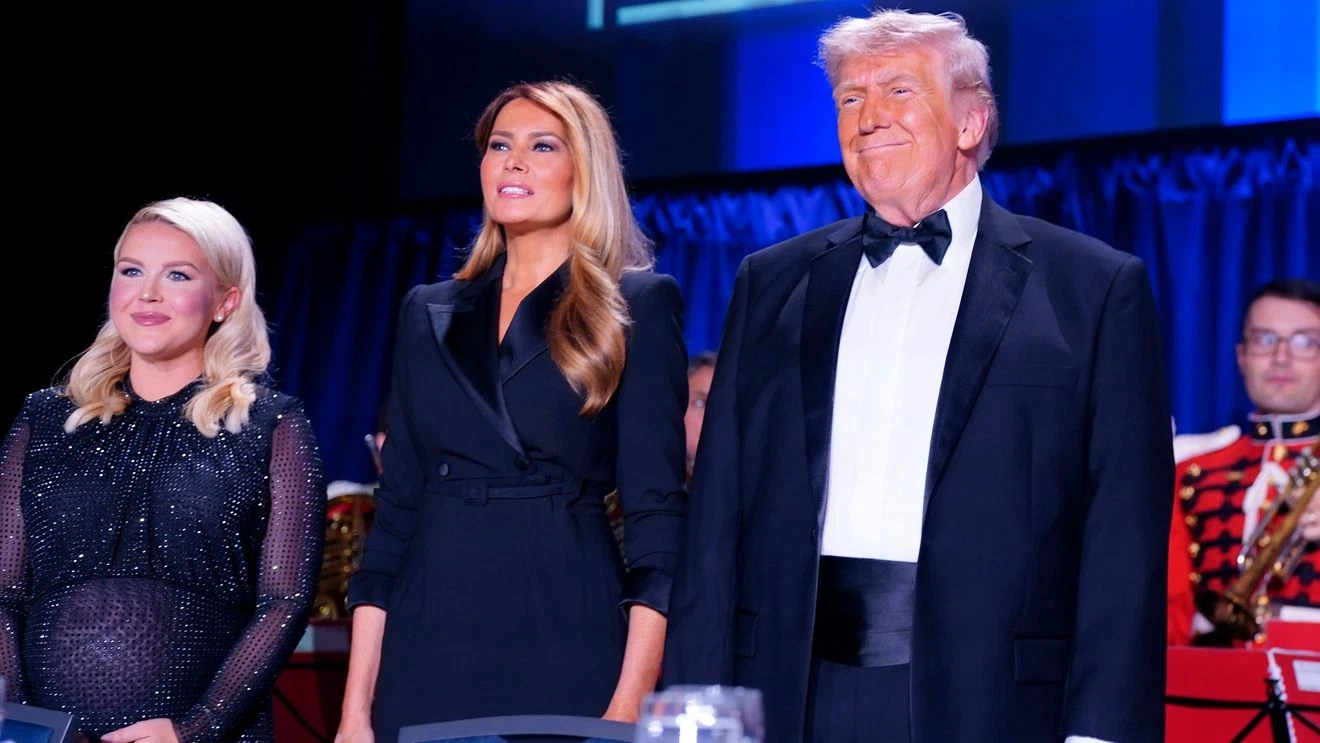
The calls for Kimmel’s firing are part of a larger debate about free speech in the media and entertainment industries. On one hand, comedians and late-night hosts like Kimmel are often seen as pushing boundaries with their humor, which sometimes includes controversial topics and political commentary. On the other hand, the public and politicians alike have grown more vocal about what they perceive as unacceptable speech, especially when it involves public figures or sensitive topics.
The Trump administration, in particular, has frequently targeted media outlets and personalities who have criticized the president. This raises significant concerns about the potential chilling effects on free speech and the ability of comedians and journalists to express their opinions without fear of retaliation or punishment.
Media Accountability and the Role of Comedy
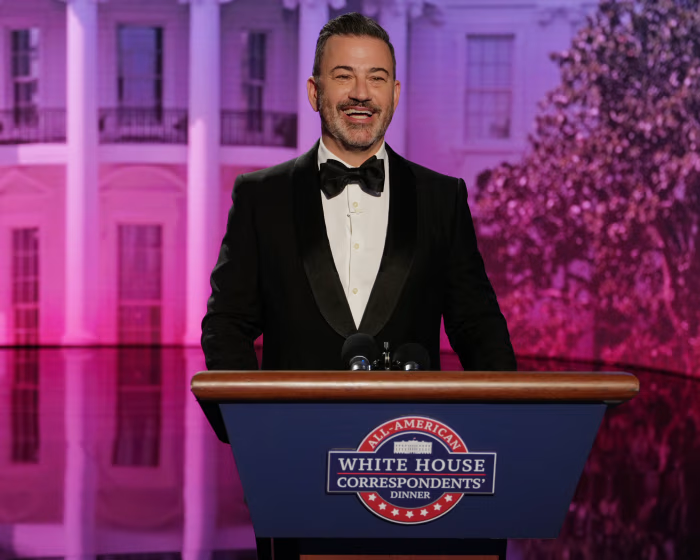
Kimmel’s joke about Melania Trump highlights the fine line that late-night hosts walk when it comes to political humor. Comedians have long used satire to comment on political events and public figures, but as political divisions deepen, the nature of these jokes has become more contentious. The joke about Melania Trump, in particular, sparked outrage because it was seen as not just a playful jibe but a remark that undermined her dignity and suggested harm to her family.
Critics of Kimmel argue that jokes like his are not only disrespectful but can also incite violence or further polarize the public. Others defend Kimmel’s right to make these jokes, asserting that comedy, by nature, often pushes boundaries and should not be censored. This ongoing tension between the freedom of expression and the responsibility to avoid harm is a key issue in the discussion about the role of comedy in political discourse.
A Precedent for Political Pressure on Media

The Trump administration has previously been involved in pressuring media companies to take action against personalities or content that it finds objectionable. In 2017, Kimmel was criticized by the administration after he mocked President Trump’s response to the assassination of conservative activist Charlie Kirk. At that time, the Federal Communications Commission (FCC) and conservative media figures put pressure on ABC to take action against Kimmel. Although Kimmel’s show was briefly preempted, the network later restored the program after a public outcry from free speech advocates.
This precedent demonstrates the significant political influence that can be exerted over media outlets and the entertainment industry. It raises questions about how much political power can shape the content that is allowed on mainstream television and what this means for the future of comedic freedom.
The Importance of Protecting Comedic Expression

While the controversy surrounding Kimmel’s joke has sparked intense political debate, it is crucial to protect comedic expression as part of a healthy democracy. Comedy has historically played a significant role in challenging political power and providing a platform for marginalized voices. Silencing comedians or forcing them to adhere to political pressure risks undermining this important cultural function.
Kimmel’s humor, though often controversial, is part of a long tradition of using comedy as a vehicle for political commentary. From satirizing politicians to poking fun at societal norms, comedians have always been at the forefront of challenging the status quo. If media companies like ABC yield to political pressure and silence these voices, it could set a dangerous precedent for the future of free speech.
The Impact on Late-Night Television
Late-night television has always been a space where political humor thrives. Hosts like Kimmel, Stephen Colbert, and Trevor Noah have used their platforms to provide commentary on current events, often targeting the actions of political figures. However, as political divisions become more pronounced, late-night hosts are increasingly under scrutiny for their jokes and commentary.
The calls for Kimmel’s firing could have a ripple effect on other late-night shows, with comedians fearing that any jokes deemed inappropriate by powerful figures could lead to professional consequences. This could ultimately stifle creativity and lead to a more sanitized form of comedy, where hosts avoid taking risks or addressing contentious political topics for fear of backlash.
A Test for Free Speech in Comedy
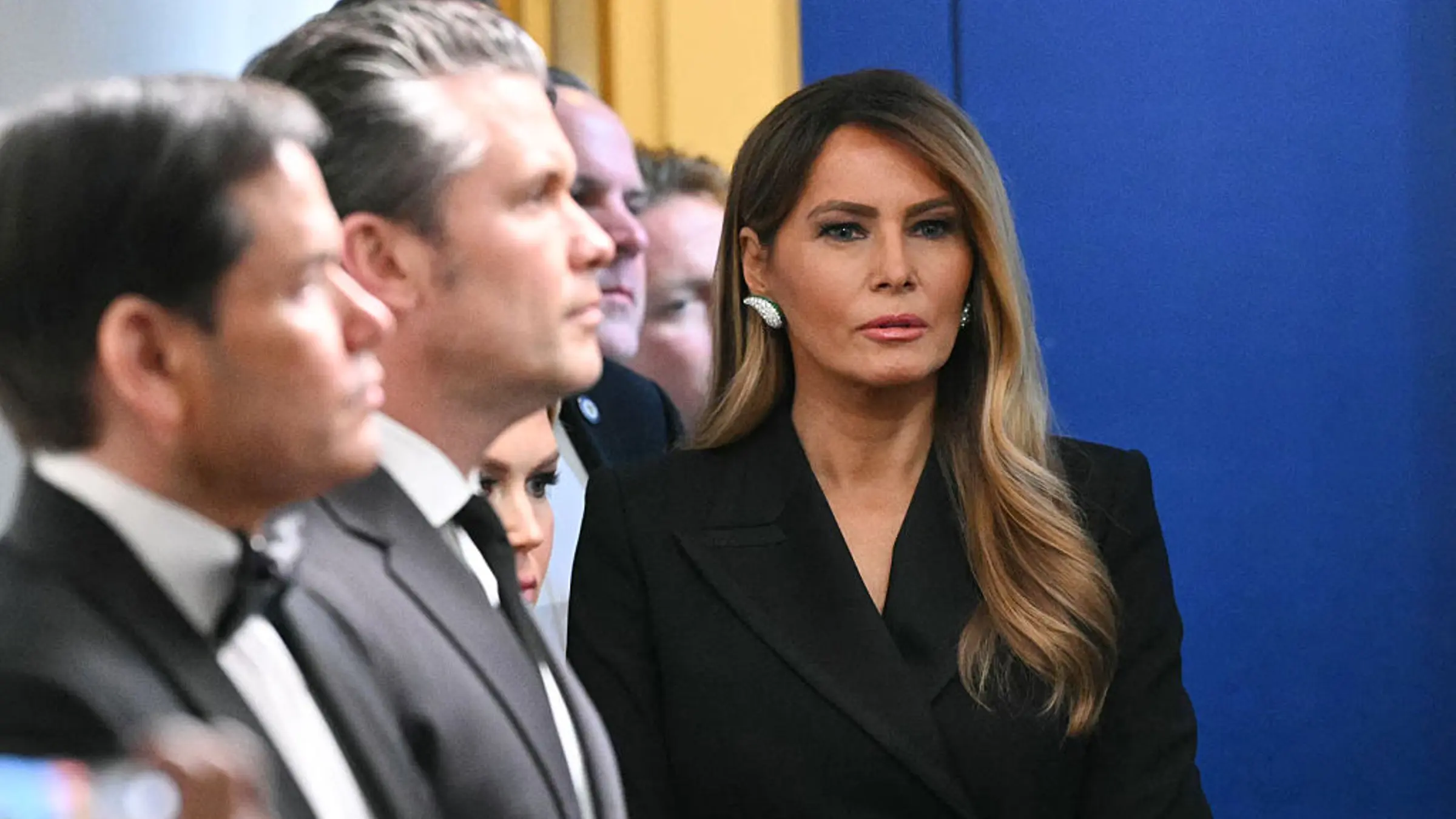
The controversy surrounding Jimmy Kimmel’s joke about Melania Trump presents a significant test for free speech in the entertainment industry. As the Trump administration continues to exert pressure on media companies, it remains to be seen how ABC and other networks will respond to political demands for content regulation. Kimmel’s comments, while controversial, are part of a broader conversation about the role of comedy in political discourse and the importance of protecting the freedom of expression.
As this situation unfolds, it will be essential for media organizations, comedians, and the public to consider the implications of allowing political pressure to dictate what can and cannot be said. The future of late-night comedy and its role in political commentary may depend on how networks and the public respond to the demands for censorship and accountability in comedy.