
Table of Contents
- A Moment That Reignited a Long Dormant Question
- Trump’s Public Admission of Uncertainty
- Why the Government Is Taking UFOs Seriously Now
- What the Released Files Are Expected to Contain
- A Cultural Shift Away From Ridicule
- The Role of Congress and Oversight
- Scientific Curiosity Versus Speculation
- Public Reaction and Media Attention
- What Disclosure Does and Does Not Mean
- Looking Ahead at the Bigger Implications
A Moment That Reignited a Long Dormant Question
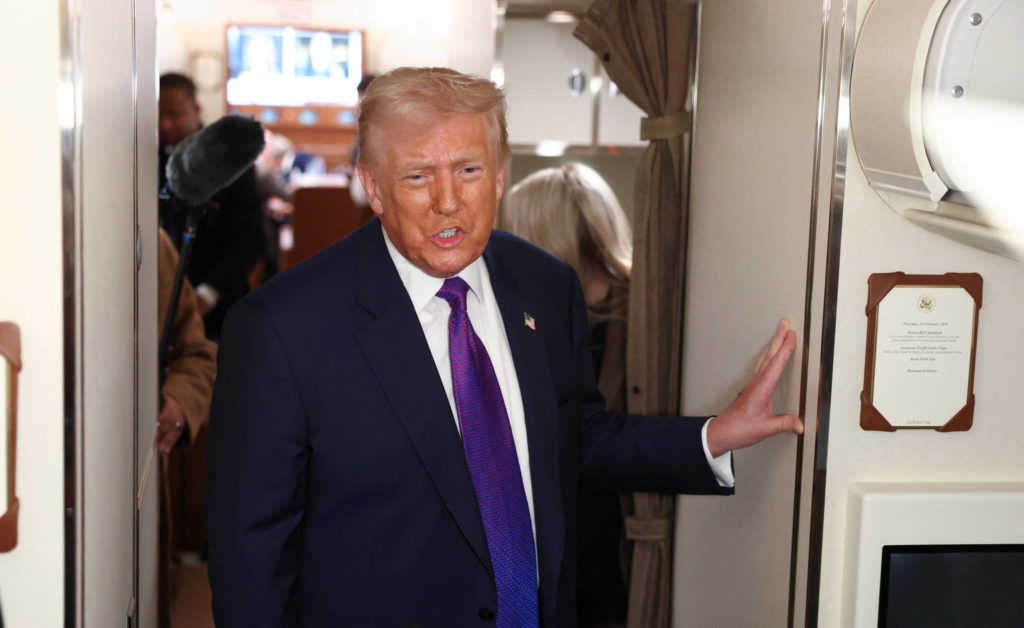
When news emerged that Donald Trump had instructed the US government to release files related to unidentified flying objects, it immediately reignited a question that has hovered over public consciousness for decades. Are humans truly alone in the universe, or has something unexplained been sharing our skies all along. While Trump openly stated that he did not know whether aliens are real, his decision to open government archives signaled a shift in how seriously the topic is now being treated at the highest levels of power.
For years, discussions about UFOs were relegated to science fiction, conspiracy theories, and fringe communities. But this announcement landed in a different atmosphere. It arrived at a time when military pilots, intelligence officials, and lawmakers have increasingly acknowledged encounters with unexplained aerial objects that defy conventional understanding. Trump’s directive did not confirm extraterrestrial life, but it legitimized public curiosity in a way few political actions ever have.
What followed was not hysteria, but renewed scrutiny. People wanted to know what the government knew, how long it had known it, and why the information had remained hidden for so long.
Trump’s Public Admission of Uncertainty
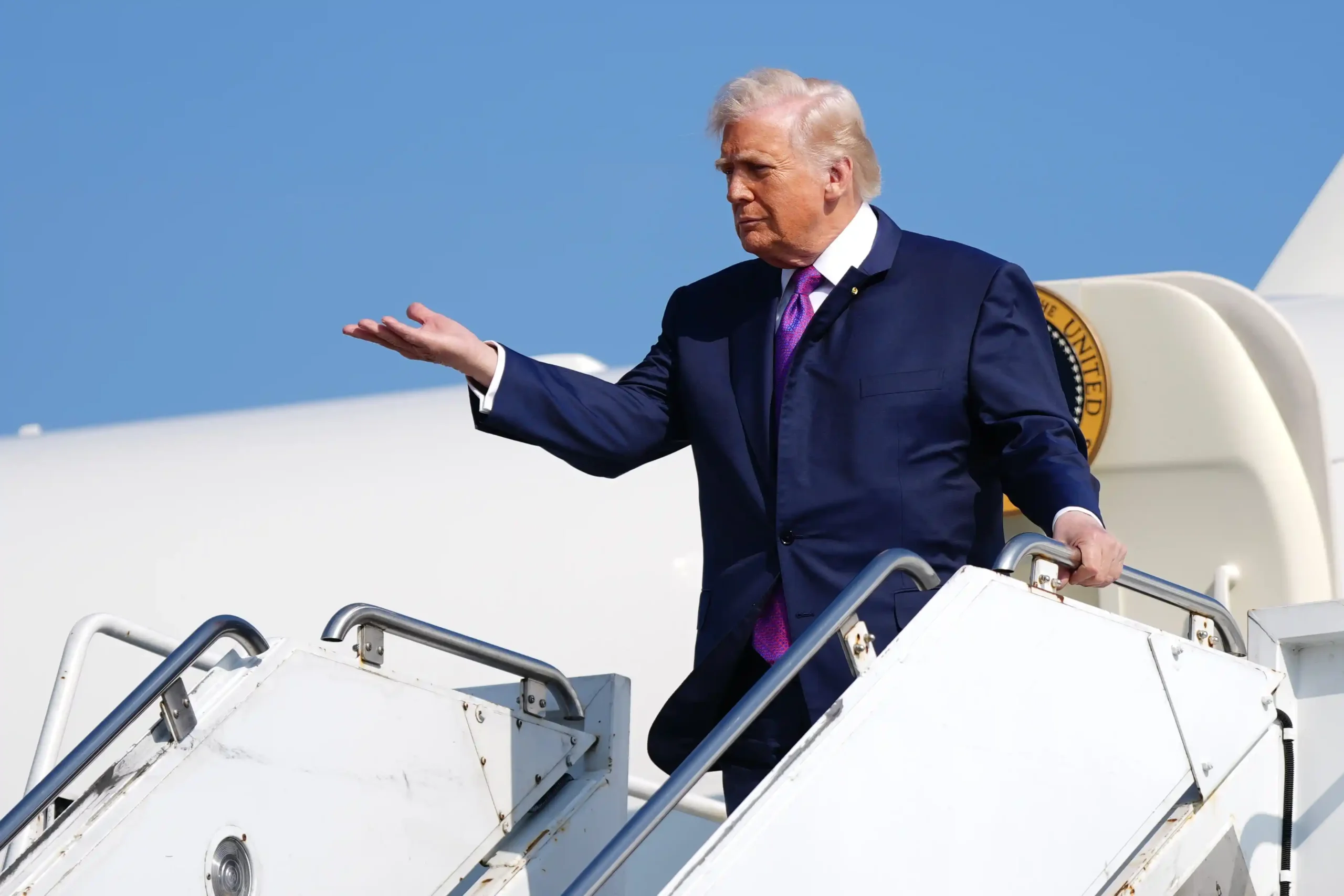
One of the most striking aspects of Trump’s statement was not the order itself, but his candid admission of uncertainty. Rather than making bold claims or dismissing the issue outright, he stated plainly that he did not know whether aliens exist. This admission resonated widely because it echoed what many Americans already feel. Curiosity mixed with skepticism.
In political culture, certainty is often rewarded. Leaders are expected to project confidence even when facts are incomplete. Trump’s acknowledgment that some questions remain unanswered was unusual, particularly given his reputation for definitive rhetoric. It framed the UFO issue not as a political weapon, but as an unresolved mystery worthy of transparency.
This moment reframed the discussion. Instead of asking whether the government believes in aliens, the public began asking why so many credible encounters had never been fully explained. The focus shifted from belief to evidence.
Why the Government Is Taking UFOs Seriously Now
The renewed attention to UFOs did not emerge in isolation. Over the past several years, the US military has quietly acknowledged numerous encounters with unidentified aerial phenomena, often reported by highly trained pilots using advanced detection systems. These objects were not easily dismissed as equipment failures or visual illusions.
According to official statements, some of these objects demonstrated flight characteristics that current human technology cannot replicate. Sudden acceleration, abrupt directional changes, and sustained hovering without visible propulsion challenged existing aerospace knowledge. This raised concerns not about aliens first, but about national security.
If these objects were foreign surveillance tools, their capabilities would represent a significant technological leap. If they were not human-made, then the implications extended far beyond defense strategy. Either way, ignoring the phenomenon was no longer an option.
Trump’s directive reflected this shift. Transparency became less about satisfying curiosity and more about maintaining public trust in institutions tasked with protecting national airspace.
What the Released Files Are Expected to Contain
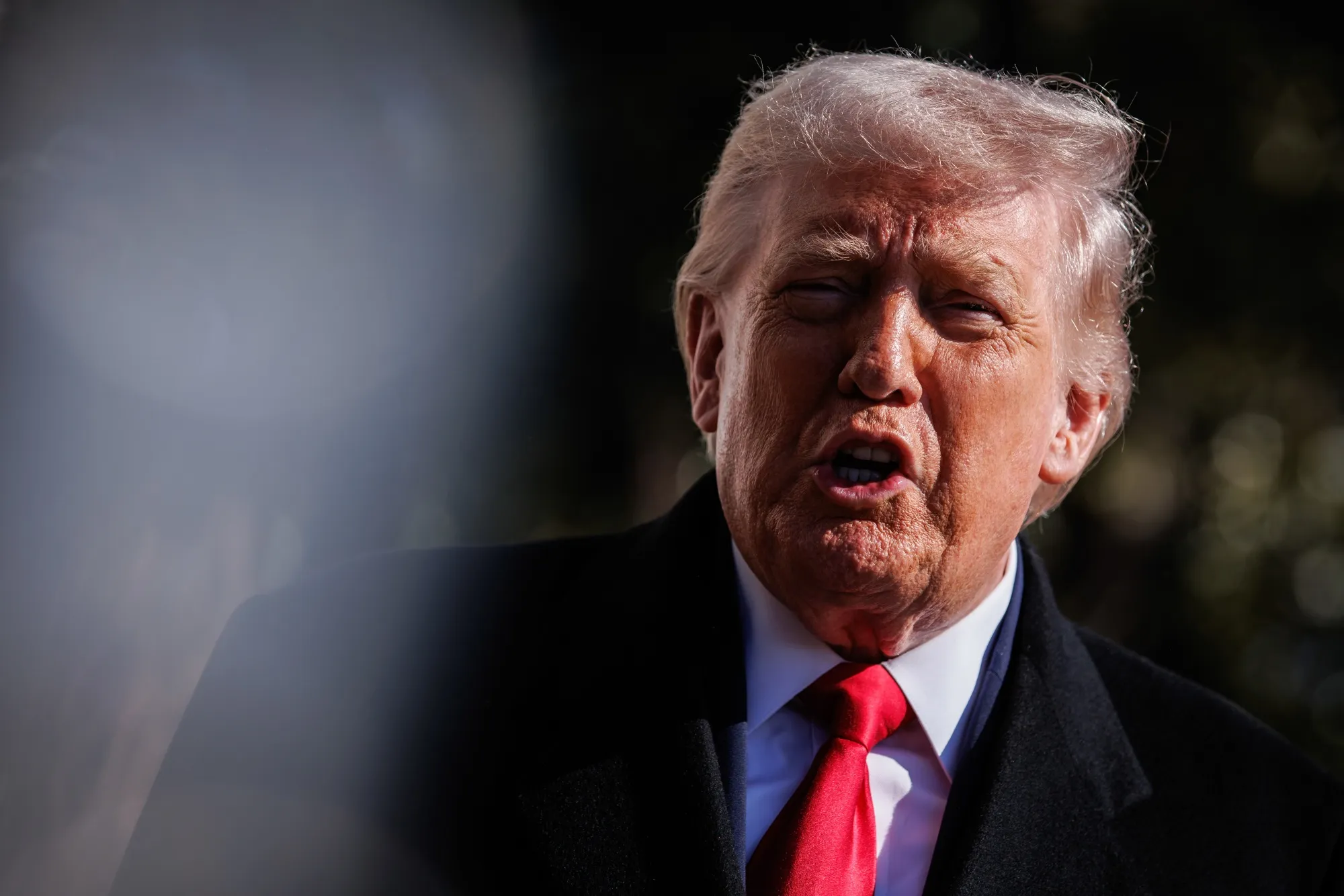
The release of UFO-related files does not mean that all mysteries will suddenly be solved. Many documents are expected to include sensor data, pilot testimonies, radar recordings, and internal assessments rather than definitive explanations. Some information may remain classified due to national security concerns.
What matters is not that the files contain proof of extraterrestrial life, but that they provide context. They show how seriously incidents were investigated, how often similar events occurred, and what explanations were ruled out.
Past disclosures have already demonstrated that many sightings remain officially unexplained. The forthcoming materials are likely to reinforce that pattern rather than overturn it. For the public, this honesty may be more valuable than sensational revelations.
A Cultural Shift Away From Ridicule
For decades, discussing UFOs carried social stigma. Witnesses were often ridiculed, and professionals hesitated to report sightings for fear of career damage. This culture of silence contributed to the lack of credible data.
Recent years have seen a notable change. When decorated military pilots began sharing their experiences openly, the tone shifted. Their credibility made it difficult to dismiss reports as fantasy. Trump’s order further accelerated this cultural transition.
By treating UFO encounters as legitimate phenomena rather than fringe curiosities, the government effectively gave permission for serious discussion. Scientists, journalists, and policymakers could now engage without risking reputational harm.
This cultural shift may be one of the most significant outcomes of disclosure, regardless of what the files reveal.
The Role of Congress and Oversight
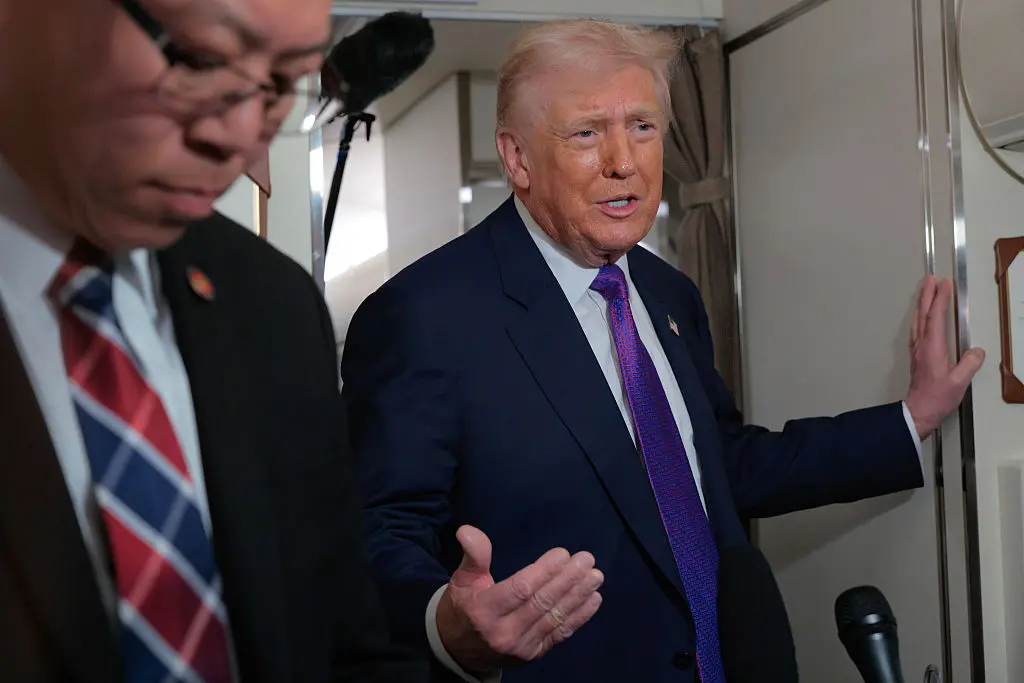
Trump’s directive did not occur in a vacuum. Lawmakers from both parties had already begun pressing for greater transparency on unidentified aerial phenomena. Congressional hearings, briefings, and intelligence assessments laid the groundwork for executive action.
Oversight committees emphasized that understanding unexplained objects is essential for aviation safety and defense preparedness. Civilian air traffic shares the same skies as military aircraft, making unidentified intrusions a broader concern.
The release of UFO files therefore represents a convergence of political pressure, public demand, and institutional accountability. It is not a single leader’s curiosity, but a systemic response to growing uncertainty.
Scientific Curiosity Versus Speculation
While public imagination often leaps to extraterrestrial explanations, scientists urge caution. Unidentified does not mean alien. It simply means that available data does not yet support a definitive conclusion.
Atmospheric phenomena, experimental technology, sensor anomalies, and human perception errors can all contribute to sightings that appear extraordinary. Scientific investigation requires eliminating these possibilities methodically.
Still, scientists also acknowledge that the universe is vast. With billions of galaxies and countless planets, the possibility of extraterrestrial life cannot be dismissed outright. Trump’s disclosure order sits at the intersection of skepticism and wonder.
It does not answer the question of alien life. It invites society to explore it responsibly.
Public Reaction and Media Attention
The announcement triggered intense media coverage and public discussion, but not panic. Social media platforms filled with debates, theories, and cautious optimism. Many people expressed appreciation for transparency rather than demanding sensational proof.
This reaction suggests a more mature public discourse than in past decades. Rather than fearing the unknown, many viewers focused on accountability and truth. The desire was not for dramatic confirmation, but for clarity.
The media also approached the story with a noticeably different tone. Instead of sensational headlines, coverage emphasized facts, official statements, and historical context. This shift mirrors the broader cultural change surrounding the topic.
What Disclosure Does and Does Not Mean
It is important to clarify what the release of UFO files represents. It does not confirm extraterrestrial visitation. It does not imply a hidden invasion or secret alliance. It does not suggest that the government has all the answers.
What it does mean is that unexplained phenomena exist, that they have been observed by credible sources, and that understanding them is a legitimate public interest. Disclosure acknowledges uncertainty rather than denying it.
In an era of widespread distrust in institutions, admitting unknowns may strengthen credibility rather than weaken it.
Looking Ahead at the Bigger Implications
Trump’s decision to release UFO files may be remembered less for what the documents reveal and more for what they symbolize. A willingness to confront mystery openly. A recognition that not everything fits neatly into existing frameworks.
As technology advances, detection systems improve, and space exploration expands, humanity will continue to encounter phenomena that challenge understanding. How society responds to those challenges matters.
Whether the files deepen mystery or narrow it, they mark a turning point. The conversation has shifted from belief to investigation, from secrecy to scrutiny, and from ridicule to reflection.
In the end, the most profound question raised by disclosure may not be whether aliens exist, but how humanity chooses to confront the unknown with honesty, curiosity, and humility.